Image Source: Jereesh Thomas
Tucked away in the quiet village of Javagal, the Lakshminarasimha Temple is one of those lesser-known treasures that truly showcases the brilliance of Hoysala craftsmanship. While it may not be as famous as other temples in Karnataka, it offers a rich blend of history, intricate art, and peaceful surroundings—perfect for travelers who enjoy exploring heritage sites beyond the usual tourist trail.
History and Architectural Brilliance
Built in 1250 AD during the reign of Vira Someshwara of the Hoysala Dynasty, this temple stands as a fine example of classic Hoysala architecture. The temple follows a trikuta (three-shrined) layout, where three sanctums are connected by a shared hall or mandapa.
The central shrine is dedicated to Narasimha—the fierce avatar of Lord Vishnu—while the other shrines are devoted to different forms of the divine. Like most Hoysala temples, the structure rests on a star-shaped platform, which not only enhances its visual appeal but also allows for detailed carvings on multiple surfaces.
Intricate Carvings and Sculptural Details
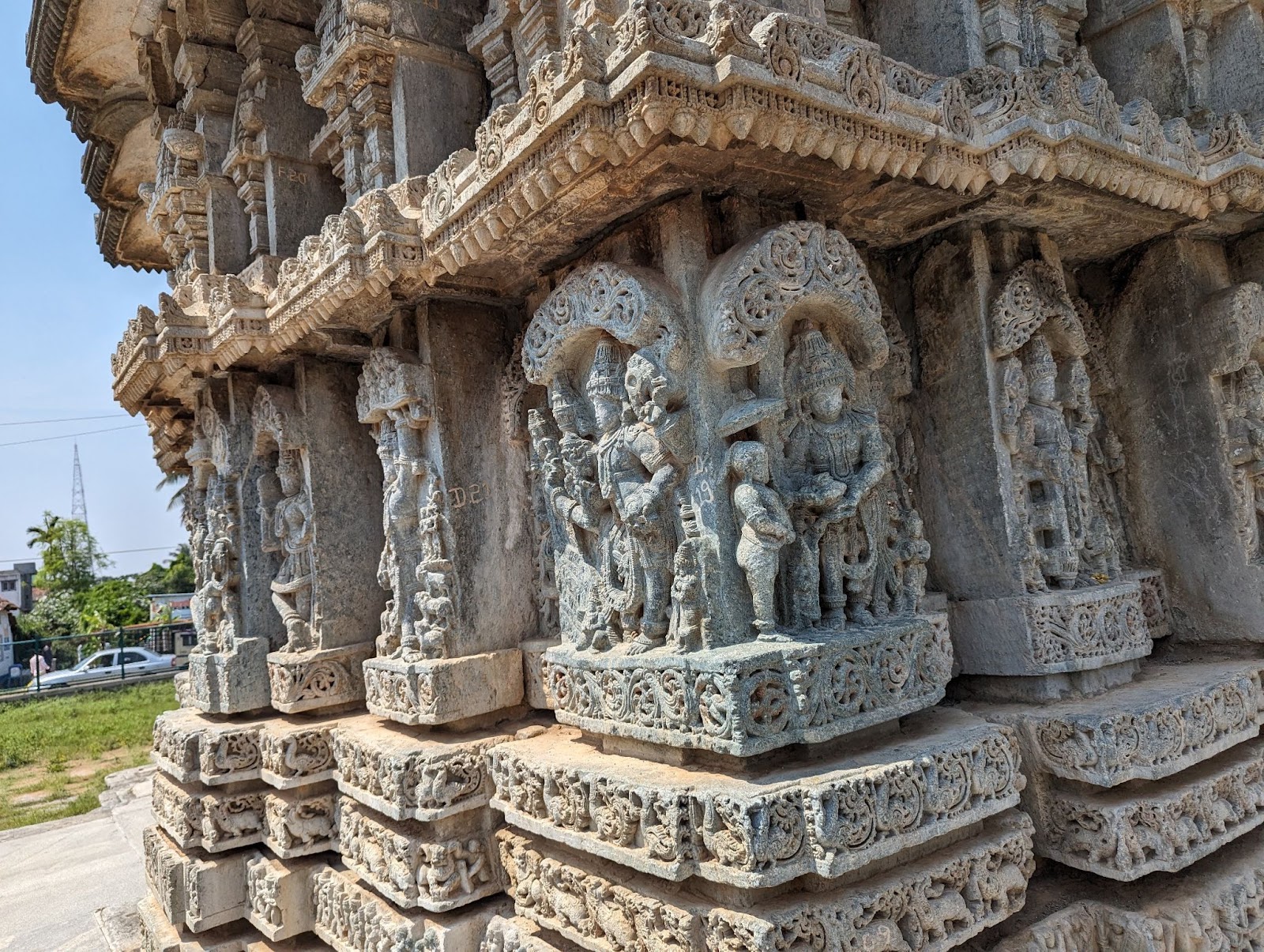
One of the most striking features of the temple is its elaborate outer wall carvings. The walls are decorated with around 140 sculpted panels, each telling a story. These panels depict scenes from the great Indian epics—the Ramayana and the Mahabharata—along with beautifully crafted images of deities such as Rama, Lakshmana, Badrinarayana, and Ananthapadmanabha.
At the base of the temple, you’ll notice six horizontal friezes running along the walls. These feature intricate designs of swans, mythical creatures like makaras, flowing leafy patterns, and narrative scenes from mythology. The level of detail is remarkable—every inch of stone seems to tell a story, making the temple feel like an open-air gallery of ancient art.
Atmosphere and Visitor Experience
Unlike more crowded heritage sites, the Lakshminarasimha Temple offers a calm and almost meditative experience. Surrounded by rural landscapes, the temple feels untouched by time. Visitors can walk around freely, observe the carvings up close, and truly appreciate the craftsmanship without the usual hustle of tourist crowds.
It’s an ideal destination for history lovers, architecture enthusiasts, and photographers looking to capture fine details of ancient Indian art.
Timings and Entry
- Timings: 9:00 AM to 5:00 PM.
- Entry Fee: Free for all visitors.
How to Reach Lakshminarasimha Temple, Javagal
Lakshminarasimha Temple is located in the village of Javagal in Karnataka’s Hassan district. The temple lies approximately 40–50 km from Hassan, around 20 km from Halebidu, and about 35–40 km from Chikkamagaluru, making it an excellent stop on a heritage circuit through the Hoysala region. The 13th-century temple was built during the reign of Hoysala King Veera Someshwara and is renowned for its intricate stone carvings and elegant Hoysala architecture.
By Road:
Javagal is well connected by road from Hassan, Belur, Halebidu, and Chikkamagaluru. Travelers coming from Bengaluru can reach the temple via Hassan and Halebidu. The roads are generally in good condition, though the final stretch passes through rural countryside and village roads.
By Bus:
Regular KSRTC and private buses operate to Hassan, Belur, and Halebidu. From these towns, local buses and taxis are available to reach Javagal village.
By Train:
The nearest major railway station is Hassan Junction. Travelers can also use Kadur or Birur railway stations and continue by road to Javagal.
By Air:
The nearest major airport is Kempegowda International Airport in Bengaluru. Another option is Mangaluru International Airport. From either airport, visitors can travel by road to Hassan and then proceed to Javagal.
Nearby Attractions
1. Halebidu
Located about 20 km away, Halebidu is home to the magnificent Hoysala-era temples dedicated to Lord Shiva. The intricate carvings and historical significance make it one of Karnataka’s most celebrated heritage destinations.
2. Belur Chennakeshava Temple
A UNESCO-recognized Hoysala masterpiece, this temple is famous for its exquisite sculptures, ornate pillars, and detailed stone craftsmanship.
3. Veera Narayana Temple
Situated near Javagal, this lesser-known Hoysala monument is admired for its grand architecture, peaceful surroundings, and impressive carvings.
4. Doddagaddavalli Lakshmi Devi Temple
One of the oldest surviving Hoysala temples, this shrine is known for its unique star-shaped design and beautiful stone sculptures.
5. Chikkamagaluru
Known for its coffee plantations, hill views, waterfalls, and pleasant climate, Chikkamagaluru is a popular destination for travelers exploring the Malnad region.
6. Yagachi Dam
A scenic reservoir near Belur that offers boating, beautiful sunset views, and a relaxing atmosphere amidst the countryside.
7. Manjarabad Fort
This star-shaped hill fort built by Tipu Sultan is a favorite among history enthusiasts and offers panoramic views of the Western Ghats.
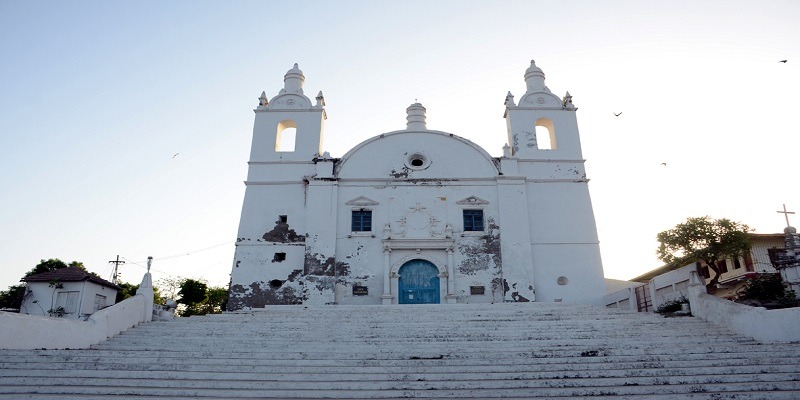
8. Shettihalli Rosary Church
Famous for its partially submerged Gothic ruins during the monsoon season, this unique church attracts photographers and history lovers alike.
Lakshminarasimha Temple is best explored as part of a Hoysala heritage trail that includes Belur, Halebidu, Belavadi, and Doddagaddavalli, allowing visitors to experience some of the finest examples of medieval temple architecture in Karnataka.
Travel Tips
- Visit during the early morning or late afternoon for softer light and a better viewing experience.
- Carry water and essentials, as facilities in the village may be limited.
- Take your time exploring the carvings—there’s a lot to notice in the details.
- Combine your visit with other nearby Hoysala temples for a richer experience.
Maps
FAQs
1. Where is the Lakshminarasimha Temple located?
It is located in the village of Javagal in Karnataka, India.
2. What is special about this temple?
The temple is known for its intricate Hoysala architecture, trikuta design, and detailed carvings depicting scenes from Hindu epics.
3. Who built the temple?
It was built in 1250 AD by Hoysala King Vira Someshwara.
4. Is there any entry fee?
No, entry to the temple is free.
5. How much time is needed to explore the temple?
Around 1 to 2 hours is enough to explore the temple and appreciate its carvings.
6. Is it a crowded tourist spot?
No, it’s relatively less crowded, making it perfect for a peaceful visit.