Image Source: Joseph Britto
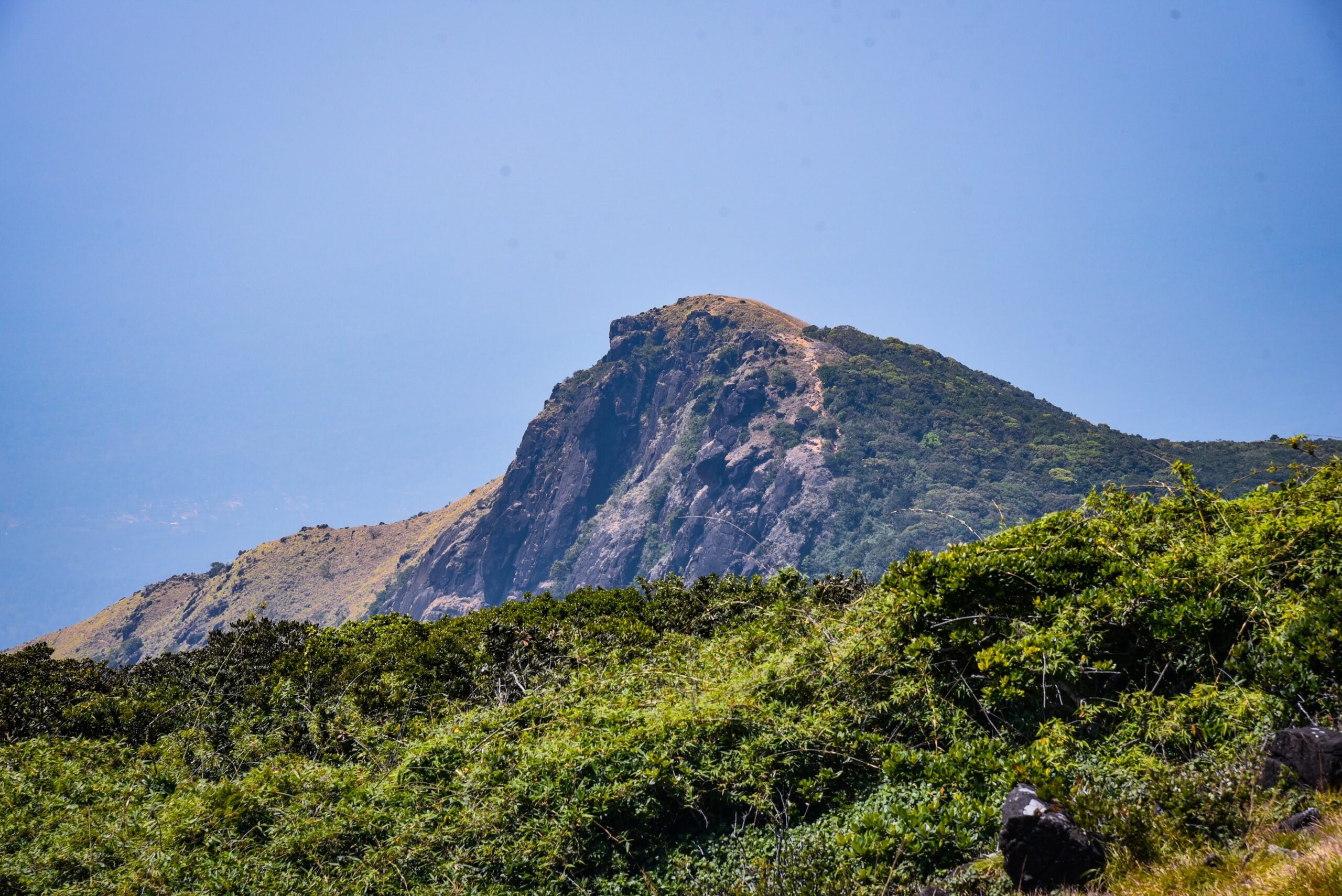
Mandalpatti is not merely a tourist viewpoint in Kodagu (Coorg) but a high-altitude grassland ridge system that represents the ecological and cultural soul of the Western Ghats. Forming part of the Pushpagiri–Madikeri hill continuum, Mandalpatti rises to nearly 1,600 meters above sea level.
Located about 25–30 km from Madikeri, For locals, Mandalpatti is known as a betta (hill ridge) rather than a destination that is placed by wind, mist, grazing traditions, and seasonal movement rather than permanent settlement.
In local linguistics, Mandu” in Kannada and Kodava usage refers to a herd or gathering, while “Patti” implies an open grassland or plateau. It shows its historical role as a seasonal grazing ground rather than a habitation zone.
Geographic Setting: A High Meadow in the Western Ghats
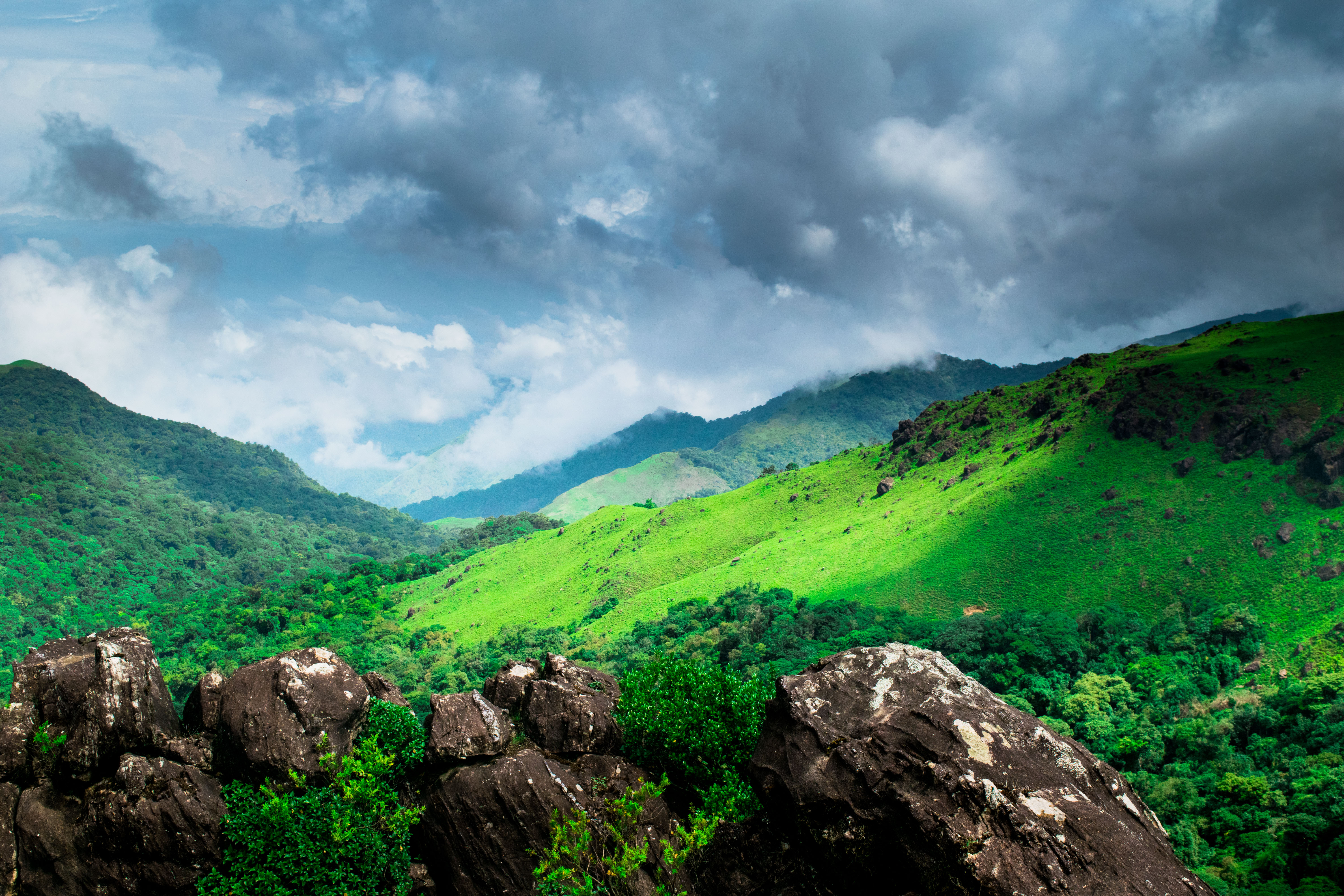
Mandalpatti lies within the Western Ghats biodiversity hotspot, characterized by shola-grassland ecosystems. It’s a rare landscape where rolling grasslands are interspersed with dense evergreen forest patches. These grasslands are crucial water catchments that feed tributaries flowing toward the Kaveri River basin.
From the ridge, one can see sweeping views of the Madikeri plateau, distant forested hills, and deep valleys that disappear into clouds during monsoon months. The terrain is exposed, windswept, and constantly changing in color—from golden brown in summer to lush emerald during the rains.
Mandalpatti in the Larger Kodagu Landscape
Mandalpatti connects visually and ecologically with other high ridges such as Pushpagiri, the Abbimatta hills, and the interior forest ranges of Kodagu. Together, they form a natural fortress of green, buffering Madikeri from climatic extremes and sustaining Kodagu’s famed rainfall patterns.
In this sense, Mandalpatti is not isolated but a keystone ridge in the broader Western Ghats system.
Local Ecological Importance
Unlike manicured hill viewpoints, Mandalpatti is ecologically fragile. The grasslands host endemic plant species adapted to high wind and low soil depth. Locals and forest officials recognize this area as vital for:
Groundwater recharge
Soil stabilization
Habitat for birds, insects, and small mammals
This is one reason permanent structures were historically avoided here. Even today, there are no villages at the summit, reinforcing Mandalpatti’s identity as a seasonal-use landscape, not a settlement.
Cultural Memory and Kodava Relationship with Mandalpatti
For the Kodava community, hills like Mandalpatti are not places to dominate but to coexist with. Traditionally, such ridges were accessed during specific seasons for cattle grazing, medicinal plant collection, or ritual solitude. Elders often speak of Mandalpatti as a place where one goes to “listen to the wind” (gaali kelodu), reflecting a worldview where nature itself is teacher and witness.
While Mandalpatti does not host a large temple or shrine, it is culturally treated as sacred terrain, where loud behavior, littering, or defacement was traditionally frowned upon long before tourism regulations existed.
Mandalpatti and the Monsoon Transformation
Monsoon is when Mandalpatti truly comes alive. Clouds roll in at eye level, visibility shifts every few minutes, and the grasslands turn intensely green. Streams appear temporarily, birds become more active, and the entire ridge feels suspended between earth and sky.
Locals often say Mandalpatti has “moodu mukha”—three faces:
Summer: Dry, vast, golden, introspective
Monsoon: Alive, mystical, unpredictable
Winter: Clear, sharp, panoramic, silent
Each season offers a different relationship with the land.
Sunrise, Sunset, and the Illusion of Ownership
Tourism has popularized Mandalpatti as a sunrise and sunset point, but locals caution against treating it as a “photo spot.” Weather can change instantly, clouds may block views entirely, and the experience is never guaranteed. This unpredictability is part of Mandalpatti’s identity—it does not perform on demand.
Kodava elders often remark that Mandalpatti “reveals itself only when it wants to,” a reminder that nature here is not an object but an autonomous presence.
Responsible Presence and Unwritten Rules
Though now regulated by forest authorities, Mandalpatti has long followed unwritten local rules:
Take nothing except memory
Leave nothing except footprints (even those disappear with wind)
Avoid loud music and crowds
Respect weather warnings
Failure to follow these principles is believed—locally—to invite misfortune, not superstition but consequence.
Trekking to Mandalpatti
Reaching Mandalpatti is not a big task. It involves a combination of driving and trekking. You can drive up to a checkpoint within the forest, from where a 3-kilometer trek leads you to the Mandalpati vantage point. The trek passes through elevations and winds that add an element of adventure to the experience.
On the trek, there are no shops, so it is advisable to carry essential items like water and food.
Jeep Ride Adventure
Those who don’t want to trek and are seeking a more thrilling experience can embark on Mandalpatti’s 4×4 jeep-riding adventure. The jeep ride provides a unique perspective of the landscape while passing through coffee plantations and dense forest covers. It’s operated by the forest department and costs around 1700 per jeep.
How to Reach Mandalpatti Viewpoint
By Road
Mandalpatti Viewpoint is located about 18–25 km from Madikeri in the Kodagu (Coorg) district of Karnataka. The viewpoint lies within the Pushpagiri forest region and is one of the most scenic spots in Coorg.
From Madikeri, visitors can drive towards Abbey Falls Junction and continue along Mandalpatti Road. The initial stretch is a well-paved road passing through coffee plantations and forested landscapes. However, the final section consists of a rugged off-road track. Most tourists hire a jeep from the base point near Abbey Falls Junction, as this is the most convenient and popular way to reach the summit.
By Train
The nearest major railway station is Mysuru Junction, approximately 120 km from Madikeri. From Mysuru, regular buses and taxis are available to Coorg.
By Air
The nearest airport is Mangaluru International Airport, located about 140 km away. Visitors can hire a taxi or take a bus to Madikeri and continue onward to Mandalpatti.
Trekking Option
Adventure enthusiasts can also trek to the viewpoint. After reaching the forest checkpoint, a trek of around 3 km leads to the summit through grasslands and forest trails. The route offers spectacular views of the Western Ghats along the way.
Nearby Attractions
Mandalpatti Peak
The main attraction itself offers breathtaking panoramic views of the Western Ghats, rolling hills, valleys, and cloud-covered landscapes. Sunrise and sunset are particularly spectacular here.
Abbey Falls
Located on the route to Mandalpatti, Abbey Falls is one of Coorg’s most famous waterfalls. Surrounded by coffee plantations and spice estates, it is especially impressive during and after the monsoon season.
Raja’s Seat
A historic viewpoint in Madikeri known for its beautifully landscaped gardens and stunning sunset views over the valleys of Coorg.
Madikeri Fort
This centuries-old fort offers a glimpse into Coorg’s history and houses a museum showcasing regional artifacts and heritage.
Omkareshwara Temple
A unique temple combining Islamic and Gothic architectural influences, dedicated to Lord Shiva and located in the heart of Madikeri.
Pushpagiri Wildlife Sanctuary
A biodiversity hotspot known for its dense forests, trekking routes, birdwatching opportunities, and scenic mountain landscapes. Mandalpatti overlooks parts of this sanctuary.
Nisargadhama
A beautiful river island on the Kaveri River featuring bamboo groves, hanging bridges, nature trails, and picnic spots.
Dubare Elephant Camp
A popular eco-tourism destination where visitors can learn about elephants, interact with mahouts, and enjoy river activities.
Mandalpatti is best combined with Abbey Falls, Raja’s Seat, and Madikeri Fort in a single-day sightseeing itinerary from Madikeri.
Best Time to Visit
The best time to visit Manalpatti is during the summer months (March to June), when the climate is pleasant and the breeze is cool. In the monsoon season, the area receives heavy rainfall, so it is best to avoid it due to safety concerns during trekking. The winter months are also a favorable time when a shrouded mist creates a captivating atmosphere.
Map and Location
FAQS
- Q: Where exactly is Mandalpatti located?
Mandalpatti is located about 25–30 km from Madikeri in Kodagu district, Karnataka, within the Western Ghats.
- Q: Why is Mandalpatti considered special compared to other viewpoints?
Because it is a high-altitude grassland ridge with ecological, cultural, and seasonal significance, not just a scenic spot.
- Q: Is Mandalpatti accessible throughout the year?
Access depends on weather. Monsoon months may restrict private vehicles due to safety and conservation concerns.
- Q: Are there temples or shrines at Mandalpatti?
No major shrine exists; the landscape itself is culturally treated as sacred.
- Q: What is the best time to experience Mandalpatti fully?
Post-monsoon and early winter offer clarity, while monsoon offers mist and dramatic landscapes.