Image Source: Manjunath nikt
About Mukteshwara Temple
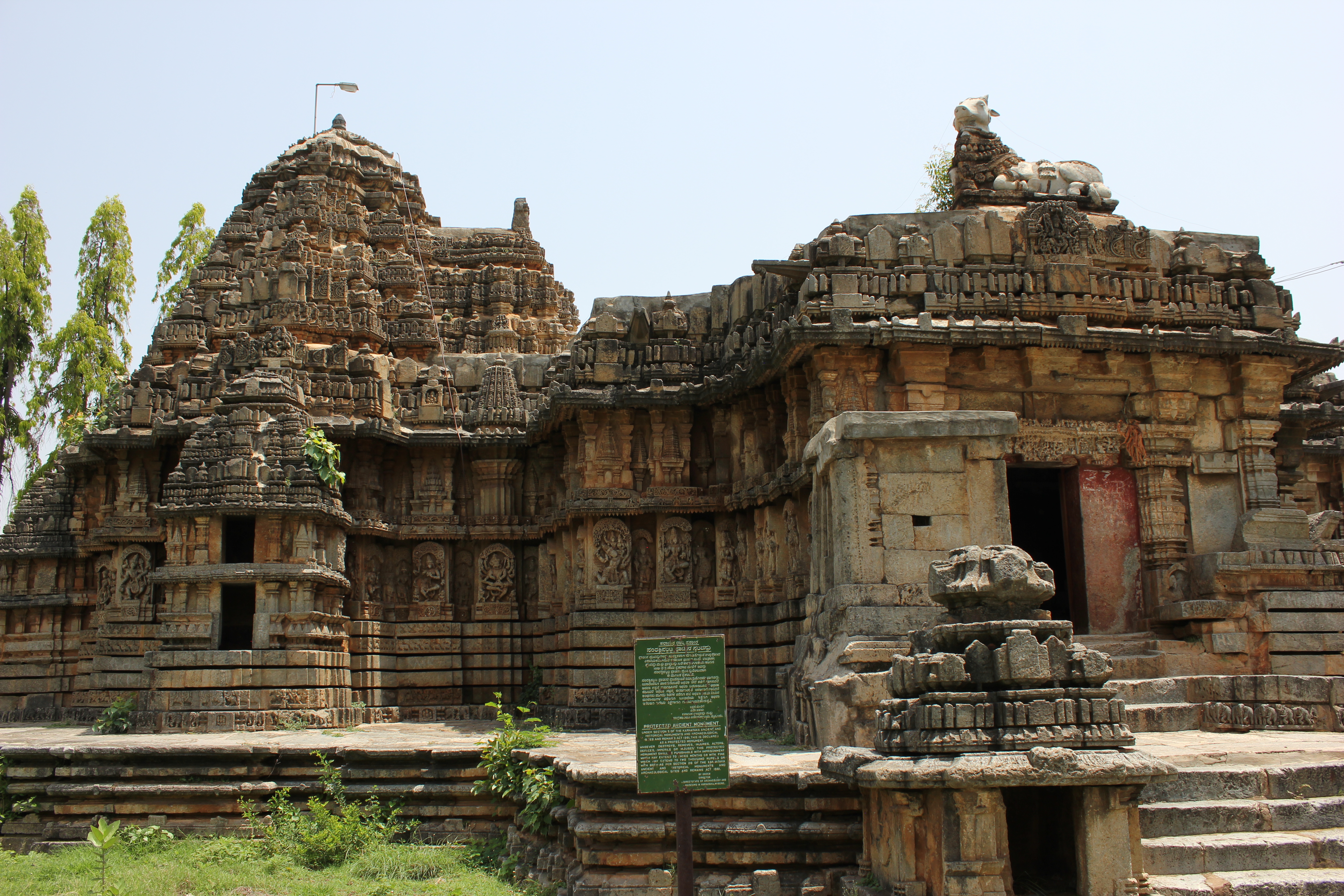
The Mukteshwara Temple at Chaudayyadanapura, a small village in Ranebennur taluk of Haveri district, Karnataka, is a beautiful example of Western Chalukya architecture from the 11th–12th century. Dedicated to Lord Shiva, this temple stands gracefully on the banks of the Tungabhadra River and is known for its elegant stonework, intricate carvings, and inscriptions. Despite being less famous than other Chalukyan monuments, it remains one of the finest preserved temples in the region.
History
The temple was constructed during the Western Chalukya period (Kalyani Chalukyas), around the 11th–12th century CE. The Chalukyas, who ruled much of the Deccan, were prolific builders, and their temples served not only as centres of worship but also as symbols of cultural and artistic achievements. Chaudayyadanapura, historically referred to as Shanabhogapura, flourished under Chalukyan patronage, and the Mukteshwara Temple became its architectural centrepiece.
The temple also carries inscriptions that shed light on local rulers, donations, and the spread of Shaivism in the region. These records make it valuable for both art historians and epigraphists.
Architecture
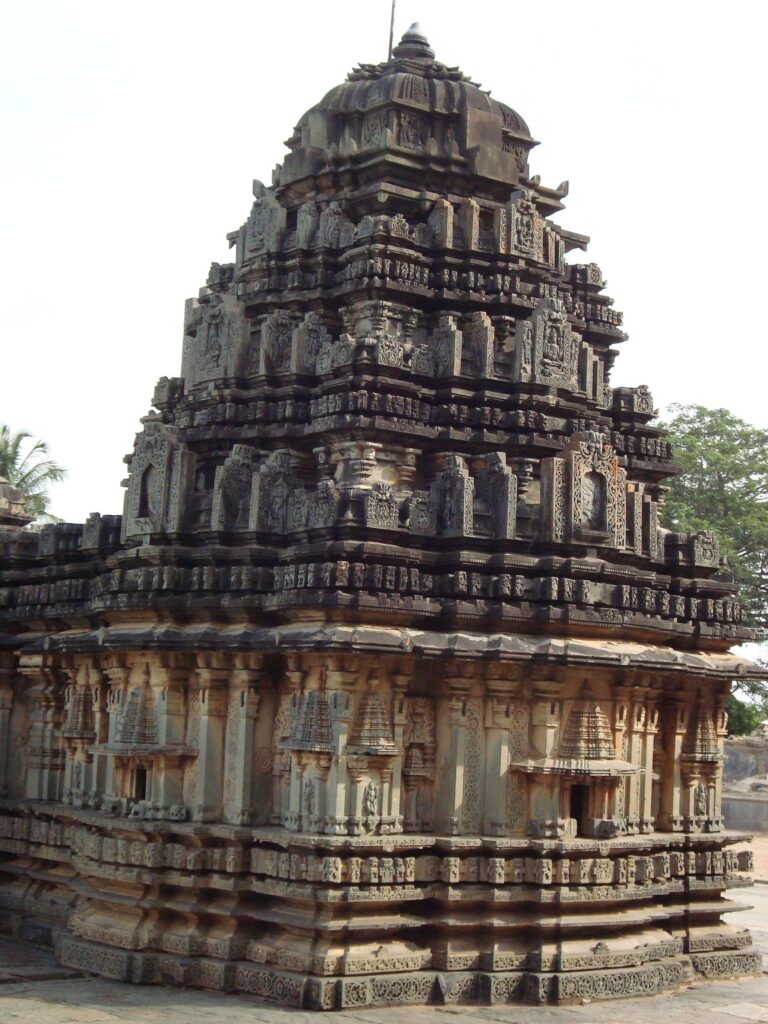
The Mukteshwara Temple is a classic example of the Karnata Dravida style perfected by the Western Chalukyas.
Sanctum (Garbhagriha): Houses a Shiva Linga known as Mukteshwara, the presiding deity of the temple.
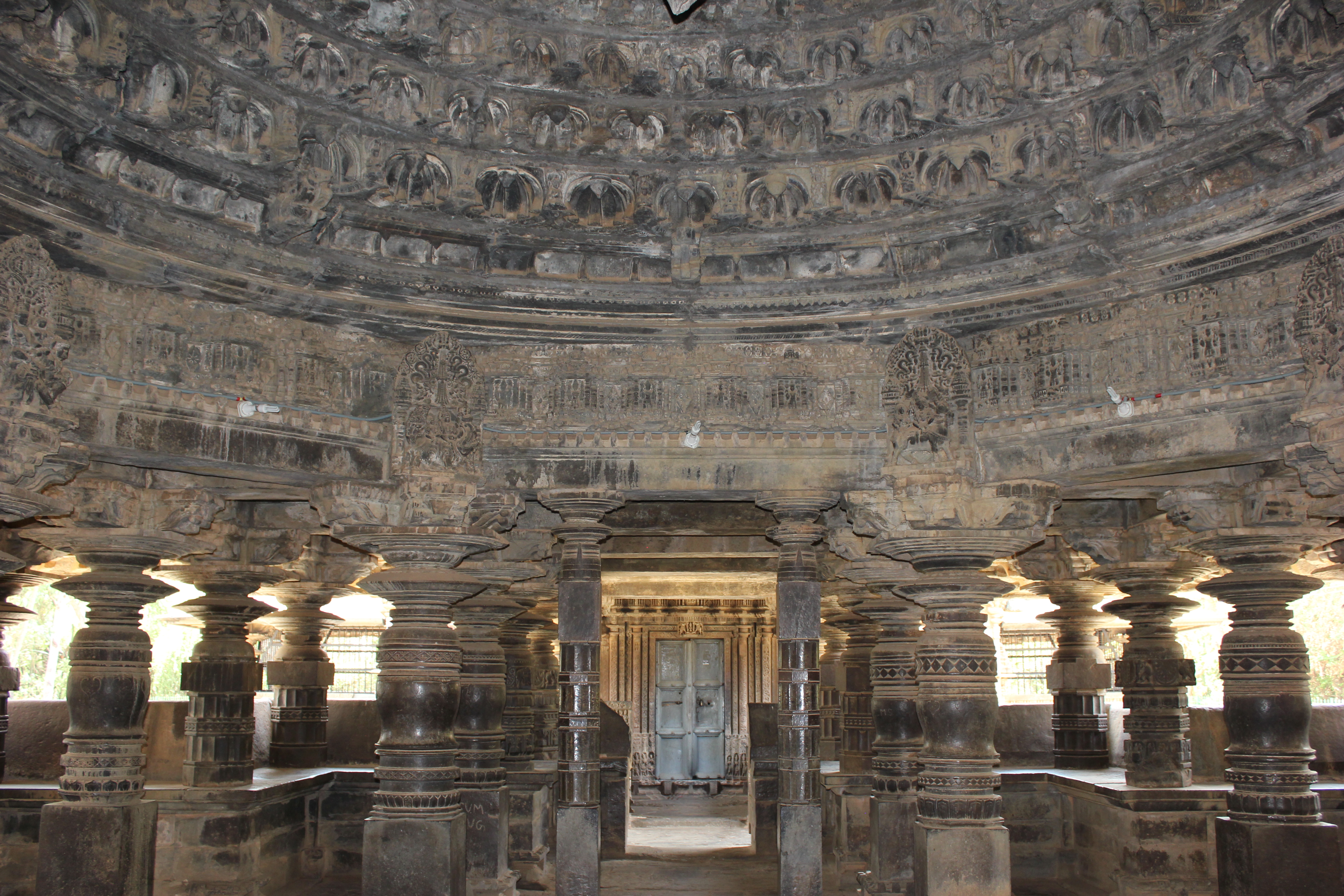
Navaranga (Hall): Supported by lathe-turned pillars, the hall reflects the signature craftsmanship of Chalukyan artisans, with polished surfaces and geometric precision.
Doorways and Toranas: The entrances are richly ornamented with floral motifs, creepers, scrolls, and mythological figures, showcasing the mastery of decorative stone carving.
Ceilings: The navaranga ceilings are adorned with lotus medallions, a recurring motif in Chalukyan temples.
Outer Walls: The exteriors feature miniature decorative towers (shikharas), pilasters, and niches housing deities, giving the temple a rhythmic sculptural character.
The shikhara (superstructure) over the sanctum is modest yet elegant, consistent with Chalukyan traditions that emphasized intricate detail over towering heights.
Unique Aspects
The temple’s fine ornamental carvings reflect the height of Chalukyan artistry in stone.
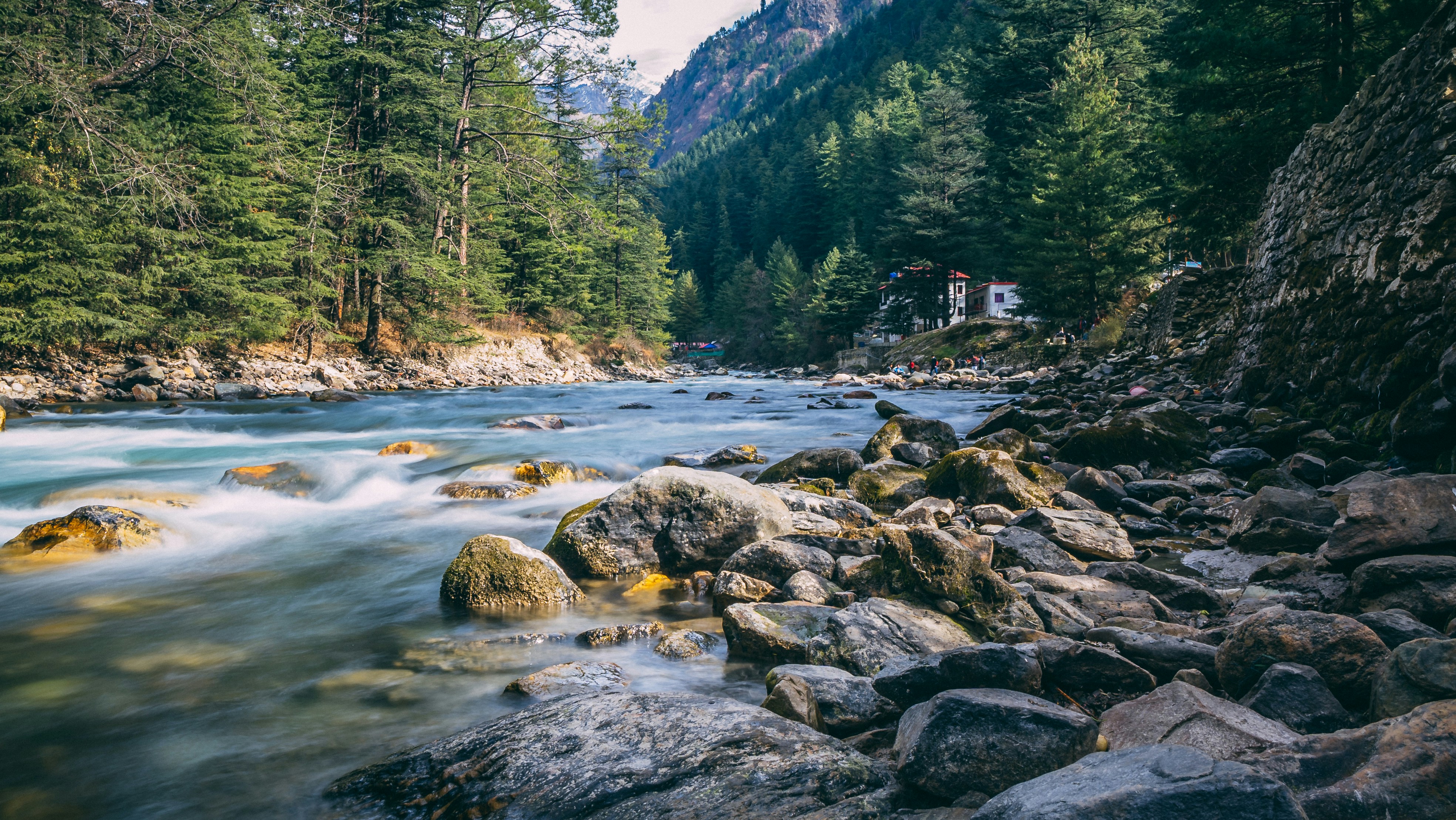
Its location on the Tungabhadra River enhances both its spiritual and scenic appeal.
The presence of inscriptions provides historical context, making it a site of both religious and academic importance.
Unlike some larger Chalukyan complexes, Mukteshwara is compact yet artistically rich, exemplifying how beauty was achieved through proportion and detail rather than scale.
Religious Significance
As a Shaiva shrine, the temple has remained a place of worship for centuries. The name Mukteshwara itself symbolizes the liberating aspect of Lord Shiva as the granter of moksha (salvation). Devotees continue to visit the temple, particularly during Maha Shivaratri, when it becomes a hub of spiritual activity in the region.
How to Reach
By Road: Chaudayyadanapura is located about 10 km from Ranebennur in Haveri district. It is accessible via local roads and KSRTC buses.
By Rail: The nearest railway station is at Ranebennur, which lies on the Bengaluru–Hubballi line.
By Air: The closest airport is Hubballi Airport (approx. 110 km), connected to Bengaluru, Mumbai, and other major cities.
Nearby Attractions
Located in Chaudayyadanapura village of Haveri district on the banks of the Tungabhadra River, the Mukteshwara Temple is one of the finest examples of Western Chalukyan architecture and an important Shaiva heritage site. The surrounding region is rich in historical temples, wildlife sanctuaries, and cultural landmarks.
1. Galaganatha Temple
Situated near the confluence of the Tungabhadra and Varada rivers, this ancient temple is dedicated to Lord Shiva and is known for its impressive Chalukyan architecture. The riverside setting makes it a peaceful place for both devotees and history enthusiasts.
2. Bankapura Peacock Sanctuary
One of the few sanctuaries in India dedicated primarily to peacocks, this protected area offers opportunities for birdwatching and nature photography. It is a pleasant detour for wildlife lovers visiting Haveri district.
3. Siddheshwara Temple
A masterpiece of Western Chalukyan architecture, the temple is famous for its intricately carved pillars, sculptures, and detailed stone craftsmanship. It is among the most important historical monuments in Haveri.
4. Tarakeshwara Temple
Located in the historic town of Hangal, this temple is renowned for its massive dome-shaped ceiling and exquisite stone carvings. It showcases the architectural brilliance of the Kadamba and Chalukya periods.
5. Kaginele
A significant pilgrimage center associated with the saint-poet Kanakadasa. The site contains temples, monuments, and a museum dedicated to his life and contributions.
6. Ranebennur Blackbuck Sanctuary
Located near Ranebennur, this sanctuary is famous for its population of blackbucks, wolves, foxes, and various bird species. It offers a contrasting experience to the historical attractions of the region.
7. Utsav Rock Garden
A unique open-air museum showcasing rural Karnataka through sculptures, folk art installations, and cultural exhibits. It is one of the most visited attractions in Haveri district.
Google Maps
FAQs
1. Where is Mukteshwara Temple located?
Mukteshwara Temple is located in Chaudayyadanapura village in Ranebennur Taluk of Haveri district, Karnataka, on the banks of the Tungabhadra River.
2. Which deity is worshipped in the temple?
The temple is dedicated to Lord Shiva, who is worshipped here as Mukteshwara, the giver of moksha or liberation.
3. When was the temple built?
The temple was constructed during the 11th–12th century under the Western Chalukya (Kalyani Chalukya) rulers and represents the peak of Chalukyan temple architecture.
4. What makes the temple historically significant?
The temple contains medieval Kannada inscriptions that provide valuable information about the religious, cultural, and social history of Karnataka, particularly the growth of the Veerashaiva movement.
5. What are the temple timings?
The temple is generally open from around 6:00 AM to 6:00 PM, though timings may vary during festivals and special occasions.
6. What is the architectural style of the temple?
Mukteshwara Temple is an excellent example of Western Chalukyan architecture, featuring ornate carvings, sculpted pillars, decorative ceilings, and beautifully detailed exterior walls.
7. Which is the nearest railway station?
The nearest railway station is at Ranebennur, which is well connected to Bengaluru, Hubballi, and other major cities in Karnataka.
8. What is the best time to visit?
The best time to visit is between October and February when the weather is pleasant for sightseeing and exploring nearby attractions.
9. Is photography allowed?
Photography is generally allowed in the temple premises, especially in the outer sections showcasing the architectural details. Visitors should respect local customs and restrictions inside the sanctum.
10. Are there any major festivals celebrated here?
Maha Shivaratri is the most important festival celebrated at the temple, attracting devotees from nearby villages and towns.