Image Source: harish venkat
About Shettihalli Rosary Church
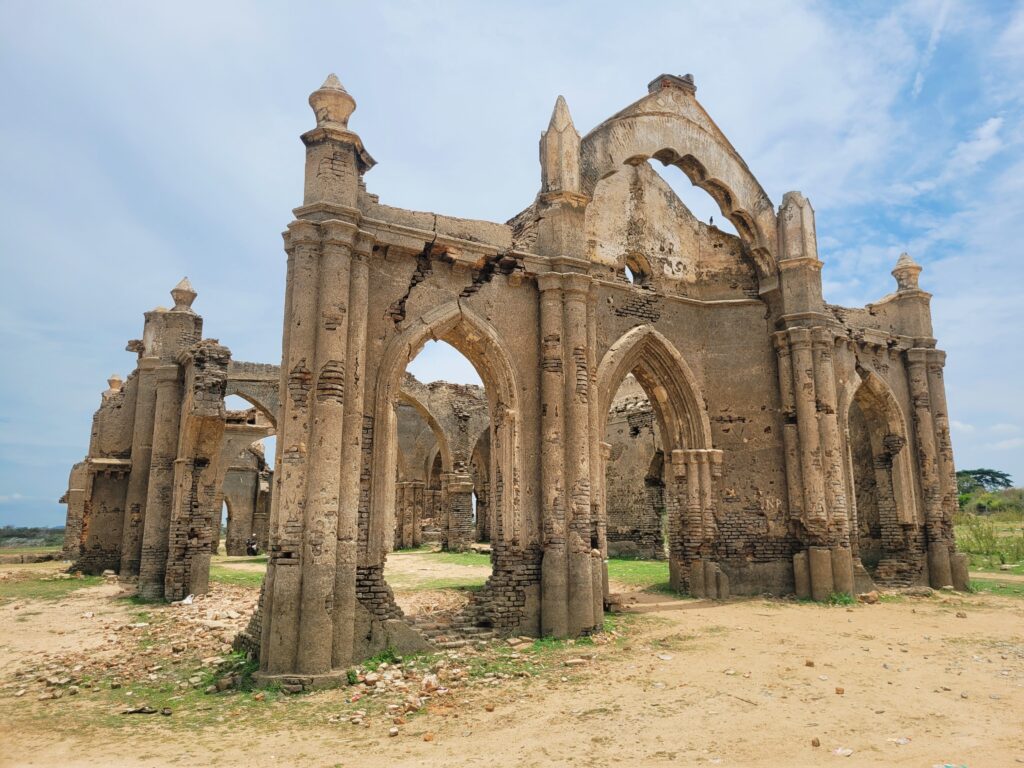
Hidden amidst the tranquil backwaters of the Hemavathi Reservoir in Karnataka’s Hassan district, Shettihalli Rosary Church is one of the state’s most fascinating historical landmarks. Often referred to as the “Floating Church,” this hauntingly beautiful structure attracts travelers, photographers, history enthusiasts, and architecture lovers from across the country. Located in the small village of Shettihalli, about 20 kilometers from Hassan city, the church stands as a remarkable reminder of the region’s colonial past.
What makes this church truly unique is its seasonal transformation. During the monsoon months, rising reservoir waters partially or completely surround the structure, creating the illusion that the church is floating on water. In summer, when water levels recede, the church emerges dramatically from the reservoir, revealing its full architectural grandeur and allowing visitors to explore it on foot.
History of Shettihalli Rosary Church
The origins of Shettihalli Rosary Church date back to 1860 when French missionaries commissioned its construction. Built primarily to serve the Christian community and British estate owners living in the region during the colonial era, the church soon became an important center of worship.
The structure reflects the influence of European ecclesiastical architecture and showcases the craftsmanship of the period. For nearly a century, the church functioned as a place of prayer and community gatherings. However, its destiny changed dramatically with the construction of the Hemavathi Dam in the 1960s. As the reservoir filled, the surrounding area gradually became submerged, forcing the church to be abandoned. Despite decades of exposure to water and weather, much of the structure still stands, making it a remarkable example of architectural resilience.
The Story Behind the “Floating Church”
Shettihalli Rosary Church gained widespread popularity after the completion of the Hemavathi Dam. The rising waters of the reservoir periodically engulf the church, especially during and after the monsoon season.
From July to October, the church often stands partially submerged, with only its upper sections visible above the water. This unusual sight creates a surreal landscape that resembles a forgotten monument emerging from the depths. During years of heavy rainfall, the church may become almost completely surrounded by water, enhancing its mysterious charm.
This seasonal transformation has earned it the nickname “Floating Church,” although the structure itself remains firmly rooted to its original foundation.
Architectural Splendor
One of the most striking features of Shettihalli Rosary Church is its Gothic-style architecture. The church displays classic Gothic elements such as pointed arches, tall windows, ribbed vaults, and elegant stone masonry. Even in its weathered state, the building retains an impressive sense of grandeur.
The soaring arches and intricate design details reflect the artistic influences brought by European missionaries during the colonial period. The partially ruined walls, open roof sections, and towering facades create a dramatic visual effect that is especially captivating during sunrise and sunset.
Photographers often consider the church one of Karnataka’s most photogenic heritage sites due to the way the structure interacts with changing water levels, clouds, and surrounding landscapes.
Visitor Experience
A visit to Shettihalli Rosary Church offers a unique blend of history, architecture, and natural beauty. During the monsoon season, visitors can enjoy scenic views of the church standing amidst the reservoir waters. Local coracle rides are sometimes available depending on water conditions, allowing visitors to get closer to the structure.
The summer months, particularly from January to May, are considered the best time to visit. As water levels drop, the church becomes fully accessible on foot. Visitors can walk around the ruins, admire the architectural details up close, and capture stunning photographs.
The surrounding countryside, dotted with agricultural fields and reservoir views, adds to the peaceful atmosphere. Early mornings and evenings are particularly beautiful, offering cooler weather and excellent lighting for photography.
Best Time to Visit
The experience of visiting Shettihalli Church varies by season:
- Monsoon (July to October): Best for witnessing the famous submerged or “floating” appearance.
- Post-Monsoon (November to January): Offers beautiful reservoir views with moderate water levels.
- Summer (February to May): Ideal for exploring the church on foot and viewing the complete structure.
For photography enthusiasts, sunrise and sunset provide the most dramatic views.
Timings and Entry Fee
Timings: 6:00 AM to 6:00 PM
Entry Fee: No entry fee. Visitors can explore the church and surrounding area free of charge.
How to Reach Shettihalli Rosary Church
By Air
The nearest airport is Mysuru Airport, located approximately 135 kilometers away. However, most travelers prefer arriving via Kempegowda International Airport, Bengaluru, which is around 210 kilometers from the church.
By Train
The nearest railway station is Hassan Railway Station, which is well connected to Bengaluru, Mysuru, Mangaluru, and other major cities of Karnataka. From Hassan, taxis and auto-rickshaws are easily available.
By Road
Shettihalli Church is situated about 20 kilometers from Hassan city. Regular buses, taxis, and private vehicles can reach the village via well-maintained roads. Travelers driving from Bengaluru can reach the church in approximately 4 to 5 hours via NH 75.
Nearby Attractions
Gorur Dam
Located near the church, Gorur Dam (Hemavathi Dam) offers scenic reservoir views and is a popular stop for visitors exploring the region.
Hassan City
The district headquarters serves as a convenient base for exploring nearby historical and cultural attractions.
Belur
About 40 kilometers from Hassan, Belur is famous for the magnificent Chennakeshava Temple, known for its intricate Hoysala carvings and architecture.
Halebidu
Once the capital of the Hoysala Empire, Halebidu features stunning temple complexes and remarkable stone sculptures.
Manjarabad Fort
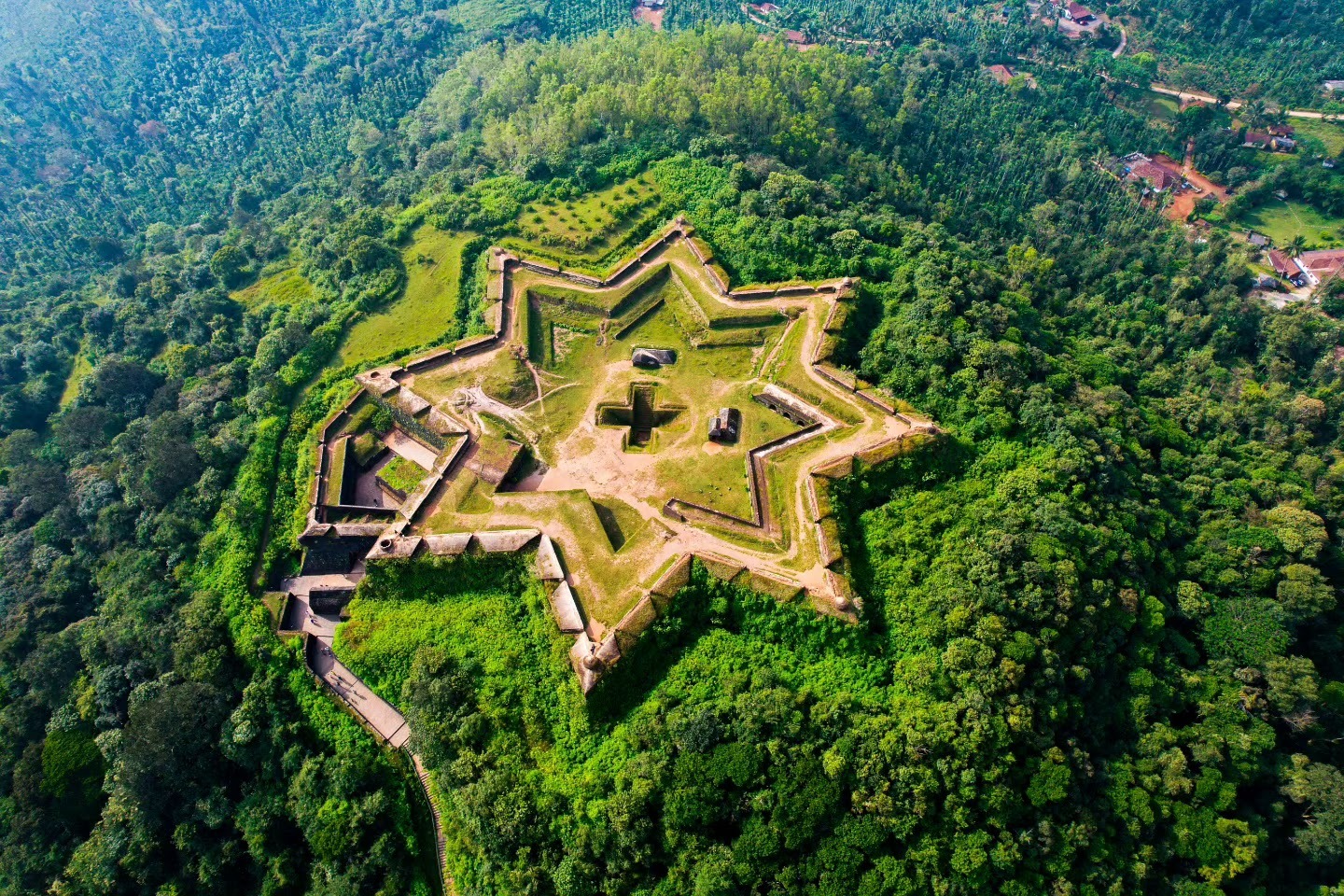
Located near Sakleshpur, this star-shaped fort built by Tipu Sultan offers panoramic views of the Western Ghats.
Bisle Ghat
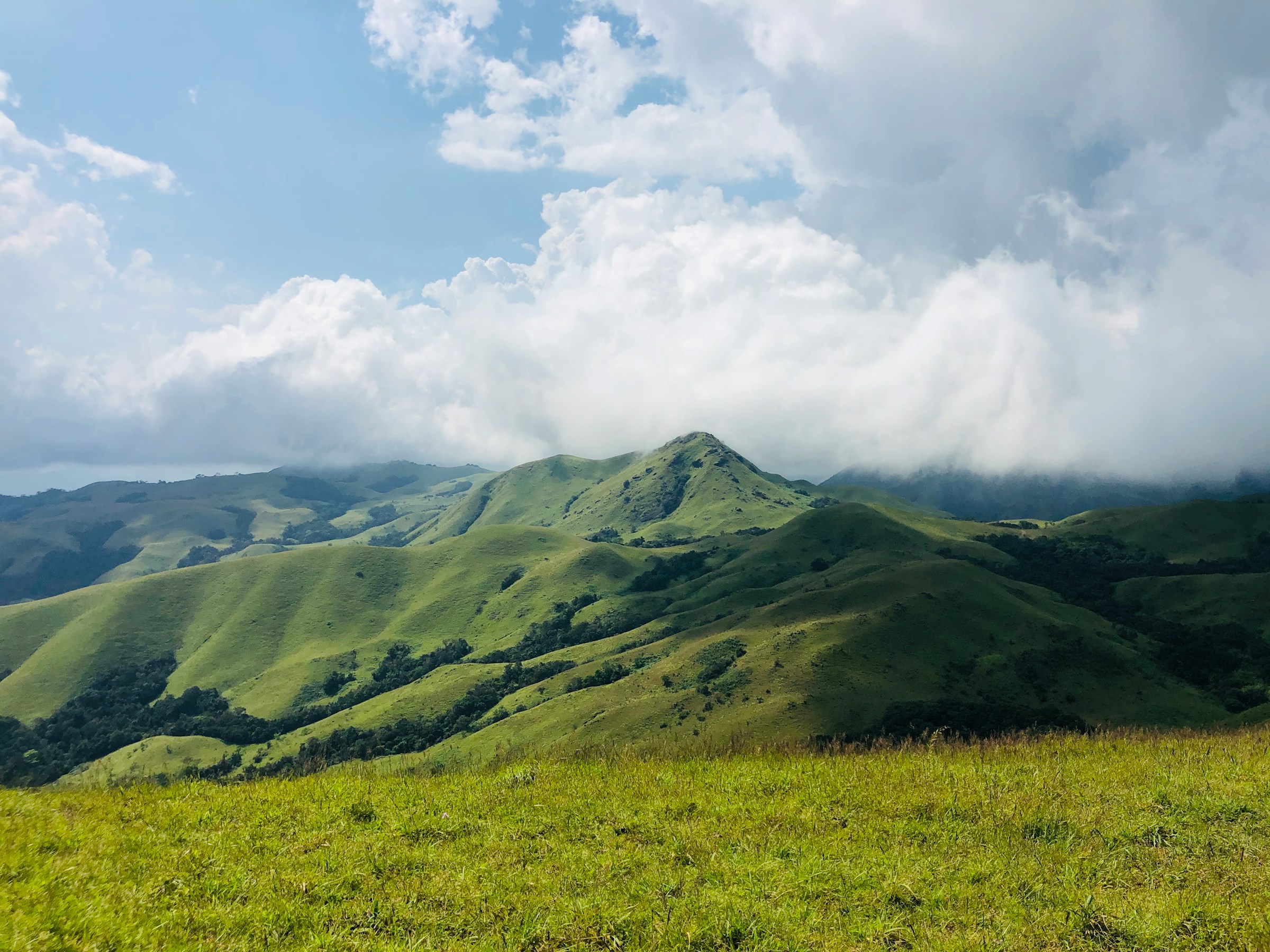
Nature lovers can visit Bisle Ghat for breathtaking viewpoints, dense forests, and opportunities for wildlife spotting.
Maps
FAQs
Why is Shettihalli Rosary Church called the Floating Church?
The church is known as the Floating Church because it becomes partially submerged in the waters of the Hemavathi Reservoir during the monsoon, creating the illusion that it is floating.
Who built Shettihalli Rosary Church?
The church was built by French missionaries in 1860 to serve the Christian community and British plantation owners living in the region.
Is there an entry fee to visit the church?
No. Entry to Shettihalli Rosary Church is free for all visitors.
What is the best time to visit Shettihalli Church?
Summer months from February to May are ideal for exploring the structure on foot, while the monsoon season is best for witnessing its famous submerged appearance.
Can visitors enter the church?
Yes, when water levels are low and the structure is accessible, visitors can walk around and explore the church ruins.
How far is Shettihalli Church from Hassan?
The church is located approximately 20 kilometers from Hassan city and can be reached in about 30 to 40 minutes by road.
Is photography allowed at Shettihalli Rosary Church?
Yes. The church is one of Karnataka’s most photographed heritage sites and is particularly popular among landscape and architecture photographers.