Image Source: Akash durgoji
About Manjarabad Fort
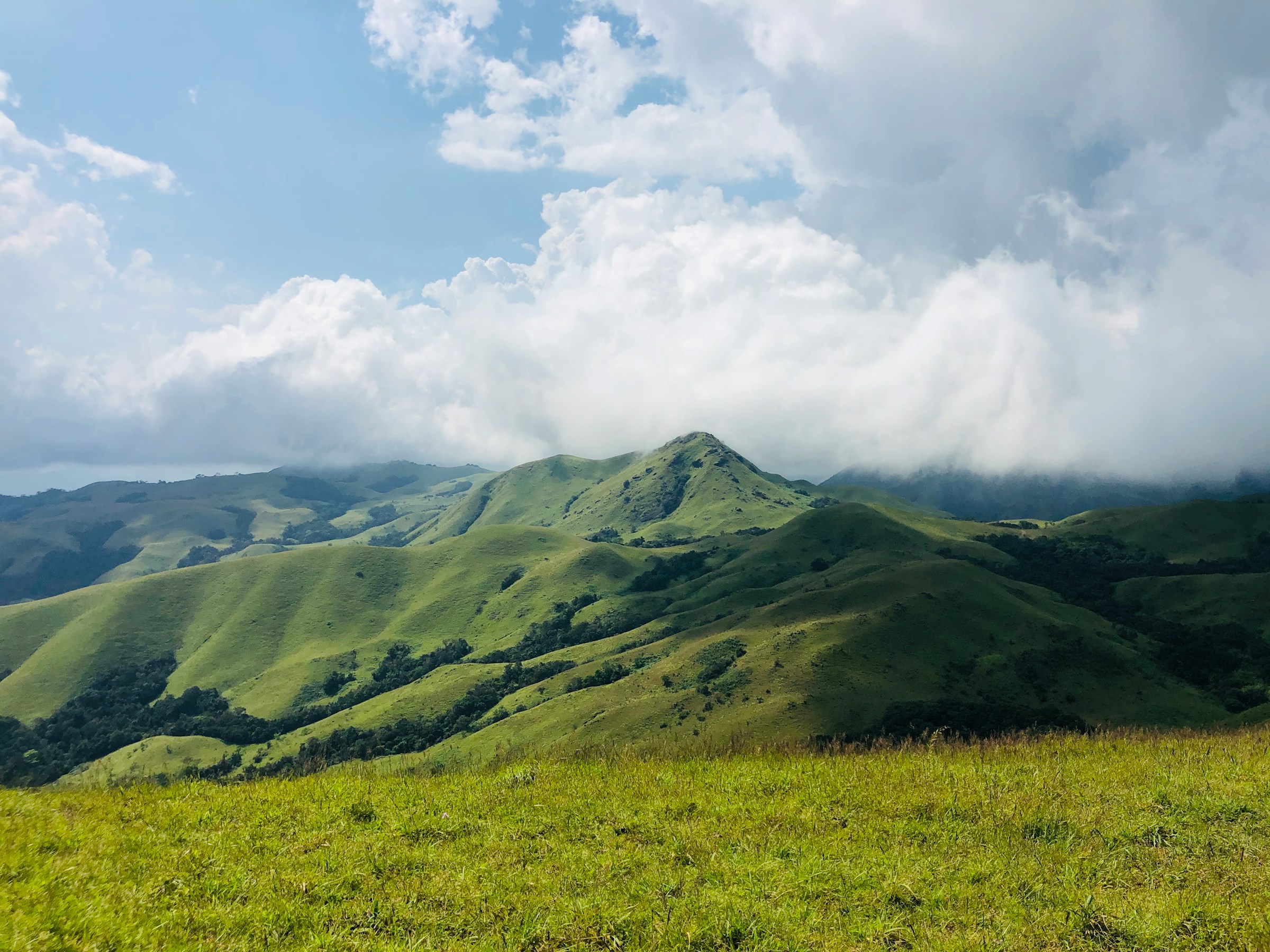
Nestled amidst the mist-covered hills of Karnataka’s Hassan district, Manjarabad Fort stands as one of South India’s most fascinating military forts. Surrounded by rolling greenery and often wrapped in dense fog during the monsoon and winter months, the fort carries an old-world charm that instantly transports visitors back to the era of Tipu Sultan. Its unique architecture, strategic hilltop location, and panoramic views make it a remarkable historical attraction in Karnataka.
The name “Manjarabad” is believed to have originated from the Kannada word Manju, which means mist or fog — a fitting name considering the fort is frequently enveloped in clouds. Even today, the cool breeze and drifting mist create a mysterious atmosphere around the structure, adding to its timeless appeal.
History of Manjarabad Fort
The fort was built in 1792 by the legendary ruler Tipu Sultan after the Treaty of Seringapatam. Tipu Sultan recognized the strategic importance of the Western Ghats and constructed this hill fort to strengthen his defenses against British forces advancing from the western coast.
Positioned at an elevation of around 3,240 feet above sea level, the fort served as a military outpost that allowed soldiers to monitor enemy movement across the surrounding plains and trade routes. Its location was carefully chosen to provide both visibility and protection, making it an important part of Tipu Sultan’s defense network.
Unique Architecture and Design
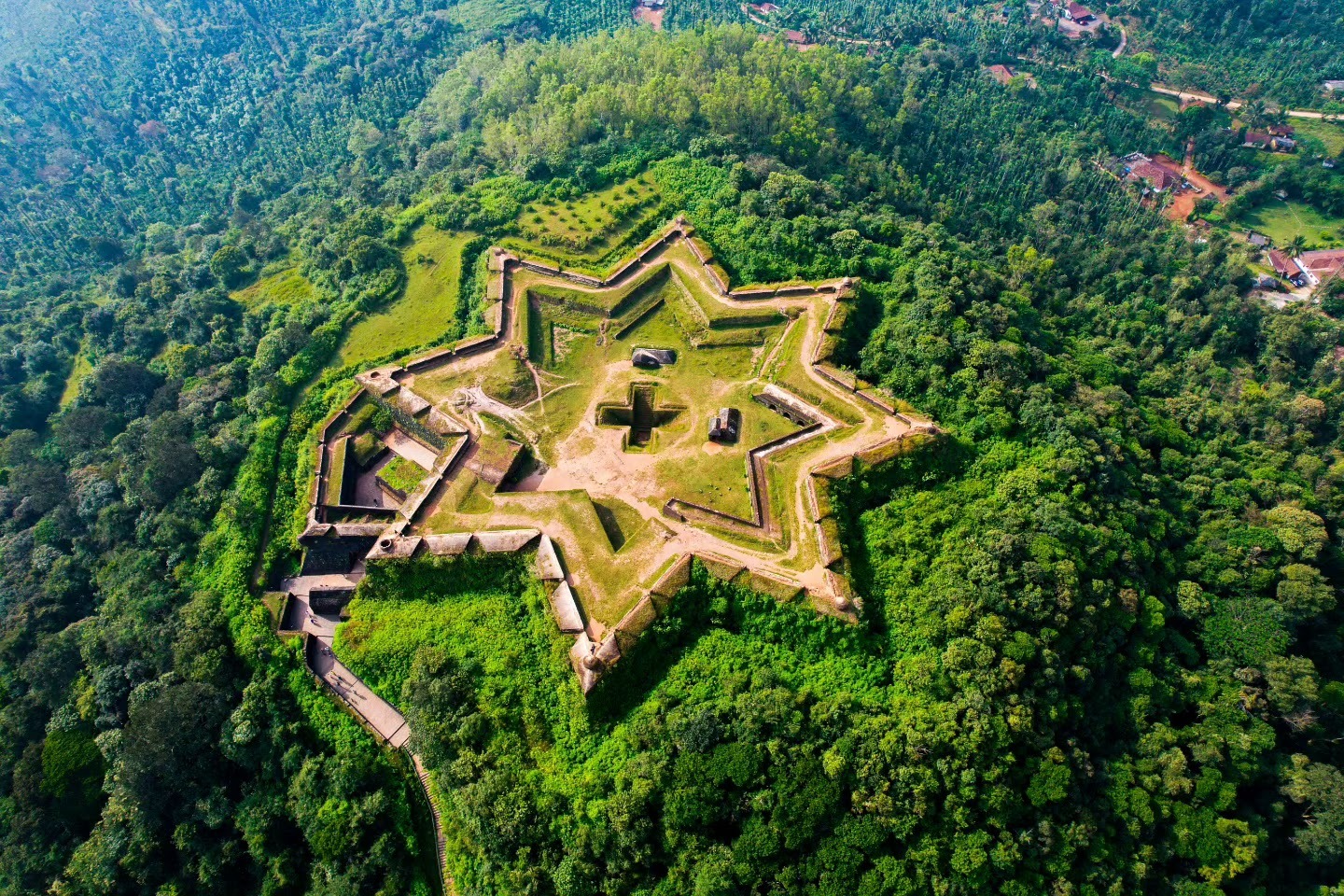
One of the most striking features of Manjarabad Fort is its star-shaped layout. The fort resembles a giant eight-pointed star when viewed from above, a design inspired by European military architecture. Historians believe the structure was influenced by the ideas of famous French military engineer Sébastien Le Prestre de Vauban, whose fortification techniques were admired across the world.
Constructed using strong granite blocks, the fort was designed to withstand enemy attacks. Thick walls, elevated bastions, cannon points, musket holes, and a deep moat all contributed to its defensive strength. The design allowed soldiers to monitor every angle around the fort without exposing themselves to danger.
Even centuries later, the symmetry and engineering brilliance of the structure continue to impress architecture enthusiasts and history lovers alike.
Inside the Fort
Walking inside the fort reveals a fascinating blend of military planning and practical engineering. At the center lies a large cross-shaped water tank that was designed to collect and store rainwater for soldiers stationed there. This clever water-harvesting system ensured a constant supply of drinking water even during long periods of siege.
The fort also contains underground chambers and storage rooms that were once used for storing ammunition and gunpowder. According to local legends, there may have been a secret tunnel connecting the fort to Srirangapatna, Tipu Sultan’s capital. Although no tunnel has been officially confirmed, the stories continue to add mystery to the site.
Today, parts of the fort remain well preserved, while some sections bear the marks of time and weather, giving the monument an authentic historical character.
Scenic Views from the Hilltop
Apart from its historical significance, Manjarabad Fort is also known for its breathtaking scenery. The fort sits atop a hill surrounded by the lush landscapes of the Western Ghats. On clear days, visitors can enjoy sweeping views of forests, valleys, and distant hills stretching endlessly into the horizon.
During the monsoon season, clouds drift through the fort walls, creating a magical atmosphere that feels almost cinematic. Early mornings and evenings are especially beautiful, making the site a favorite spot for photographers and nature lovers.
Some locals even claim that the Arabian Sea can occasionally be seen shimmering in the far distance during exceptionally clear weather.
Best Time to Visit
The ideal time to visit Manjarabad Fort is between October and February when the weather remains cool and pleasant. Monsoon months from June to September also offer stunning misty views, though the steps and pathways may become slippery due to rain.
Morning visits are recommended for comfortable weather and clearer views of the surrounding hills.
Timings and Entry Fee
- Timings: 8:00 AM to 6:00 PM.
- Entry Fee: Free for all visitors.
How to Reach Manjarabad Fort
Manjarabad Fort is located near Sakleshpur in Karnataka and is easily accessible by road.
By Road
The fort lies close to National Highway 75, making it convenient for travelers coming from Bengaluru, Hassan, or Mangaluru.
By Train
The nearest railway station is Sakleshpur Railway Station, which is well connected to major cities in Karnataka.
By Air
The nearest airport is Mangalore International Airport, located approximately 130 kilometers away.
Visitors cannot drive directly to the fort entrance. Vehicles must be parked around 200 meters away, after which a short climb via stone steps leads to the fort.
Nearby Attractions Around Manjarabad Fort
Sakleshpur
Located just a few kilometers from Manjarabad Fort, Sakleshpur is a charming hill station nestled in the Western Ghats. Surrounded by lush coffee plantations, rolling hills, and mist-covered valleys, it is a favorite destination for nature lovers and weekend travelers. Visitors can enjoy plantation walks, scenic viewpoints, and the pleasant mountain climate throughout much of the year.
Bisle Ghat Viewpoint
About 50 km from the fort, Bisle Ghat is one of Karnataka’s most spectacular viewpoints. From here, visitors can witness panoramic views of the Western Ghats, dense forests, and distant mountain peaks. The area is particularly beautiful during and after the monsoon season when the landscape turns lush green.
Jenukal Gudda
Known as the second-highest peak in Karnataka, Jenukal Gudda offers breathtaking views of the surrounding valleys and forests. On clear days, visitors can even catch glimpses of the Arabian Sea in the distance. The hill is popular among trekkers and photography enthusiasts.
Hemavathi Reservoir
Located near Gorur, the Hemavathi Reservoir is a peaceful spot known for its scenic waters and beautiful sunsets. The vast reservoir attracts birdwatchers, nature lovers, and visitors looking for a quiet retreat away from crowded tourist destinations.
Shettihalli Rosary Church
Approximately 35 km from Sakleshpur, this partially submerged Gothic-style church is one of the most unique attractions in Karnataka. Built by French missionaries in the 1860s, the church becomes partially surrounded by water during the monsoon, creating a stunning and photogenic landscape.
Magajahalli Waterfalls (Abbi Falls)
Hidden amidst coffee estates and dense greenery near Sakleshpur, Magajahalli Waterfalls is a picturesque destination where visitors can relax and enjoy the sounds of cascading water. The waterfall is especially attractive during the monsoon and post-monsoon months.
Agni Gudda Hill
A popular trekking destination near Sakleshpur, Agni Gudda offers beautiful views of the Western Ghats. The trek is relatively easy and rewards visitors with scenic landscapes, making it ideal for beginners and families.
Bettada Byraveshwara Temple
Situated atop a hill near Sakleshpur, this ancient temple dedicated to Lord Shiva attracts both devotees and trekkers. The journey to the temple provides magnificent views of the surrounding hills, valleys, and forests.
Mallalli Falls
Located about 60 km from Manjarabad Fort, Mallalli Falls is one of the most beautiful waterfalls in Karnataka. The Kumaradhara River plunges dramatically down rocky cliffs, creating a spectacular sight, especially during the monsoon season.
Kukke Subramanya Temple
One of South India’s most revered pilgrimage centers, Kukke Subramanya Temple lies within the scenic Western Ghats. Dedicated to Lord Subramanya, the temple attracts thousands of devotees every year and is also a gateway to several trekking routes in the region.
Manjehalli Waterfalls
Also known as Abbi Falls of Sakleshpur, this hidden waterfall is surrounded by thick forests and coffee plantations. It is an excellent spot for nature walks, photography, and enjoying the tranquil beauty of the Western Ghats.
Devaramane Viewpoint
A scenic hilltop destination near Sakleshpur, Devaramane offers sweeping views of the surrounding mountain ranges. The location is especially popular during sunrise and sunset when the valleys are often covered with mist.
Things to Keep in Mind
- Wear comfortable shoes, as reaching the fort involves climbing steps.
- Carry water, especially during summer months.
- Monsoon visits can be slippery, so caution is advised.
- Early mornings provide the best misty views and pleasant weather.
- Photography enthusiasts should carry cameras to capture the dramatic landscapes and unique architecture.
Maps and Location of Manjarabad Fort
Nestled 6 kilometers away from the bustling Sakleshpur Bus Stand.
FAQs
Why is Manjarabad Fort famous?
Manjarabad Fort is famous for its unique star-shaped architecture, historical connection to Tipu Sultan, and panoramic views of the Western Ghats.
Who built Manjarabad Fort?
The fort was built by Tipu Sultan in 1792 as part of his military defense strategy against the British.
Is there any entry fee for Manjarabad Fort?
No, entry to the fort is completely free.
How much trekking is required to reach the fort?
Visitors need to walk and climb a short flight of steps from the parking area, which is located around 200 meters away.
What is the best season to visit Manjarabad Fort?
Winter and monsoon seasons are considered the best times to visit due to pleasant weather and beautiful mist-covered scenery.
Is Manjarabad Fort suitable for photography?
Yes, the fort is a paradise for photographers because of its dramatic architecture, scenic hilltop views, and foggy atmosphere.
Can families visit Manjarabad Fort?
Absolutely. The fort is suitable for families, history enthusiasts, solo travelers, and nature lovers alike.