Image Source: Mrriyad
About Tholpetty Wildlife Sanctuary
Tucked away in the northern part of Wayanad, Tholpetty Wildlife Sanctuary is one of Kerala’s most captivating wildlife destinations. Surrounded by dense forests, rolling hills, and misty landscapes, the sanctuary forms an important section of the larger Wayanad Wildlife Sanctuary, which is itself a part of the renowned Nilgiri Biosphere Reserve. Spread across nearly 344 square kilometers, the sanctuary shares its forest boundaries with Karnataka’s famous Nagarhole and Bandipur reserves, creating a vast and uninterrupted wildlife corridor in the Western Ghats.
Known for its open forest stretches, rich biodiversity, and exciting jeep safaris, Tholpetty attracts nature lovers, birdwatchers, photographers, and wildlife enthusiasts from across the country. Unlike crowded tourist spots, the sanctuary offers a raw and peaceful jungle experience where visitors can truly connect with nature.
Forests, Landscape, and Natural Beauty
The landscape of Tholpetty is incredibly diverse and scenic. The sanctuary is covered with tropical moist deciduous forests, dry deciduous forests, bamboo groves, eucalyptus patches, and sprawling teak plantations. During the early mornings, the forest is often wrapped in mist, creating a magical atmosphere that makes every safari feel adventurous.
One of the highlights of Tholpetty is its natural waterholes, which become gathering spots for animals, especially during summer. These watering areas offer visitors a better chance of spotting wildlife in their natural habitat. The combination of grassy clearings, thick undergrowth, and undulating hills gives the sanctuary a rugged and untouched charm unique to the Western Ghats region.
The sanctuary is also ecologically significant because it supports several endangered species and acts as an important wildlife migration route between Kerala, Karnataka, and Tamil Nadu forests.
Wildlife at Tholpetty
Tholpetty is a paradise for wildlife enthusiasts. The sanctuary is particularly famous for sightings of large mammals, many of which are often spotted during jeep safaris.
Some of the commonly seen animals include:
- Herds of Asian elephants near water bodies.
- Gaur, also known as the Indian bison.
- Spotted deer and sambar deer grazing in open grasslands.
- Wild boars moving through the forest floor.
- Sloth bears and civet cats hidden within dense vegetation.
- Predators such as leopards and the elusive Bengal tiger.
Although tiger sightings are rare, the sanctuary remains an important tiger habitat within the Nilgiri Biosphere ecosystem.
Birdwatchers will also find Tholpetty incredibly rewarding. The forests echo with the calls of peacocks, owls, woodpeckers, drongos, and Malabar grey hornbills. Raptors like crested serpent eagles can often be seen soaring above the trees. Reptiles such as monitor lizards, cobras, and pythons are also part of the sanctuary’s thriving ecosystem.
Jeep Safari Experience
The biggest attraction at Tholpetty is the guided jeep safari organized by the Kerala Forest Department. These safaris usually last around 90 minutes to 2 hours and take visitors deep into the forest through designated routes.
The safari experience is thrilling because wildlife sightings are unpredictable and natural. Visitors may suddenly come across elephant herds crossing the trail, deer grazing near waterholes, or exotic birds perched on tree branches. Early morning and late afternoon safaris are generally considered the best for spotting animals.
Apart from safaris, visitors can also enjoy:
Nature Walks
With prior permission from forest authorities, guided nature walks are sometimes organized for those interested in understanding the region’s flora and ecology more closely.
Birdwatching
The sanctuary is ideal for birdwatching, especially during the winter season when migratory birds arrive in the region.
Wildlife Photography
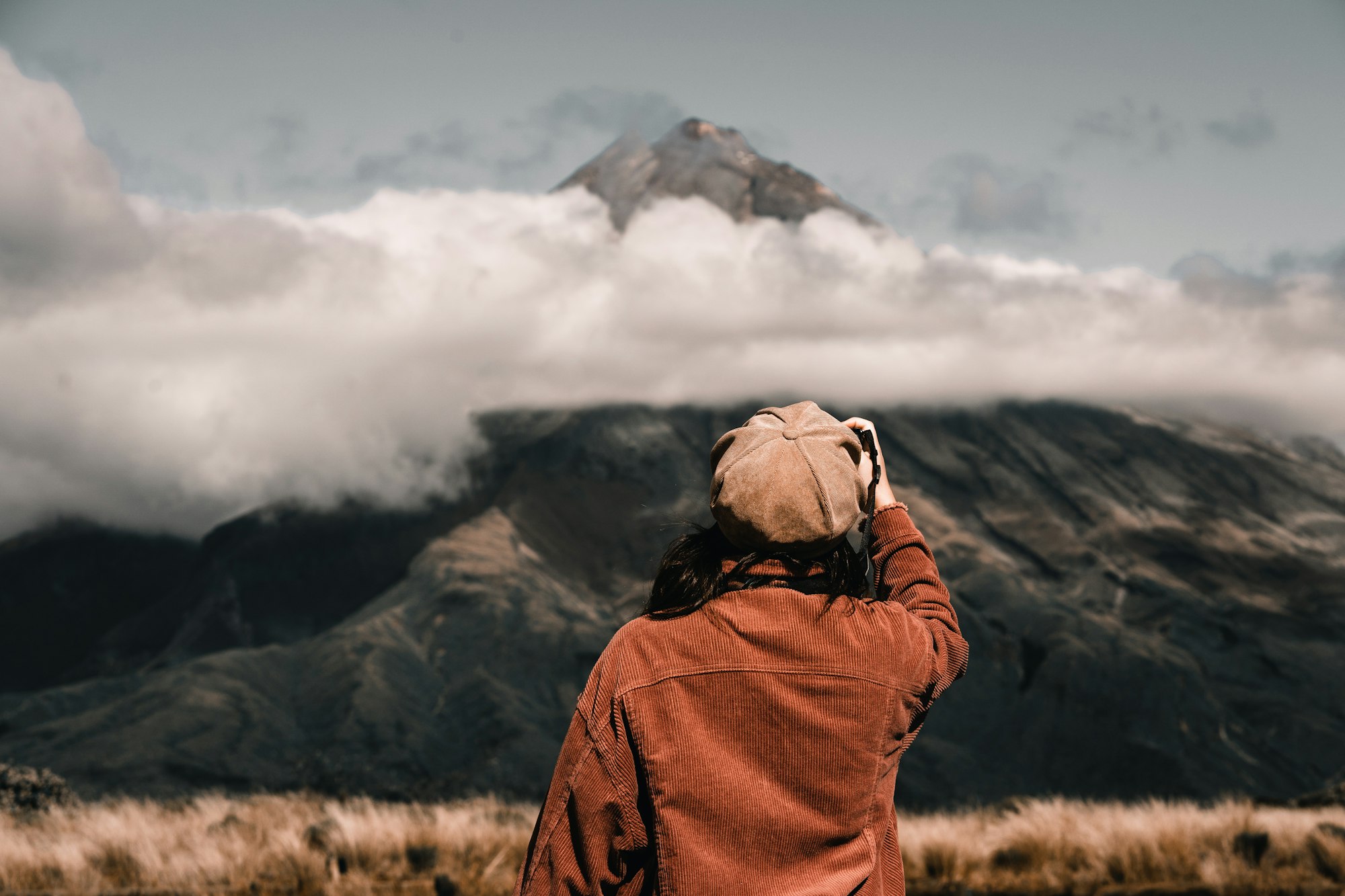
The changing forest light, mist-covered landscapes, and animal sightings make Tholpetty a fantastic destination for photography enthusiasts.
Eco-Tourism and Conservation Learning
Visitors also get an opportunity to learn about wildlife conservation efforts and the importance of preserving the fragile ecosystem of the Western Ghats.
Best Time to Visit
The best time to visit Tholpetty Wildlife Sanctuary is from November to May. During these months, the weather remains pleasant, and animals are more frequently seen near water sources due to the dry conditions.
The monsoon season from June to September transforms the forest into a lush green paradise, but heavy rains may limit safari activities, and some areas can remain closed for safety reasons.
Winter mornings in Tholpetty are particularly beautiful, with cool temperatures, fog-covered forests, and increased bird activity.
How to Reach
By Air
The nearest airport is Calicut International Airport, located around 135 kilometers away.
By Rail
The closest major railway station is Kozhikode Railway Station, approximately 120 kilometers from the sanctuary.
By Road
Tholpetty is located around 20 kilometers from Mananthavady and is well connected by road from Kalpetta, Sulthan Bathery, and nearby towns in Kerala and Karnataka. Scenic hill roads and forest routes make the drive to the sanctuary especially enjoyable.
Nearby Attractions
Visitors exploring Tholpetty often combine their trip with nearby attractions in Wayanad, including:
- Banasura Sagar Dam.
- Edakkal Caves.
- Kuruva Island.
- Chembra Peak.
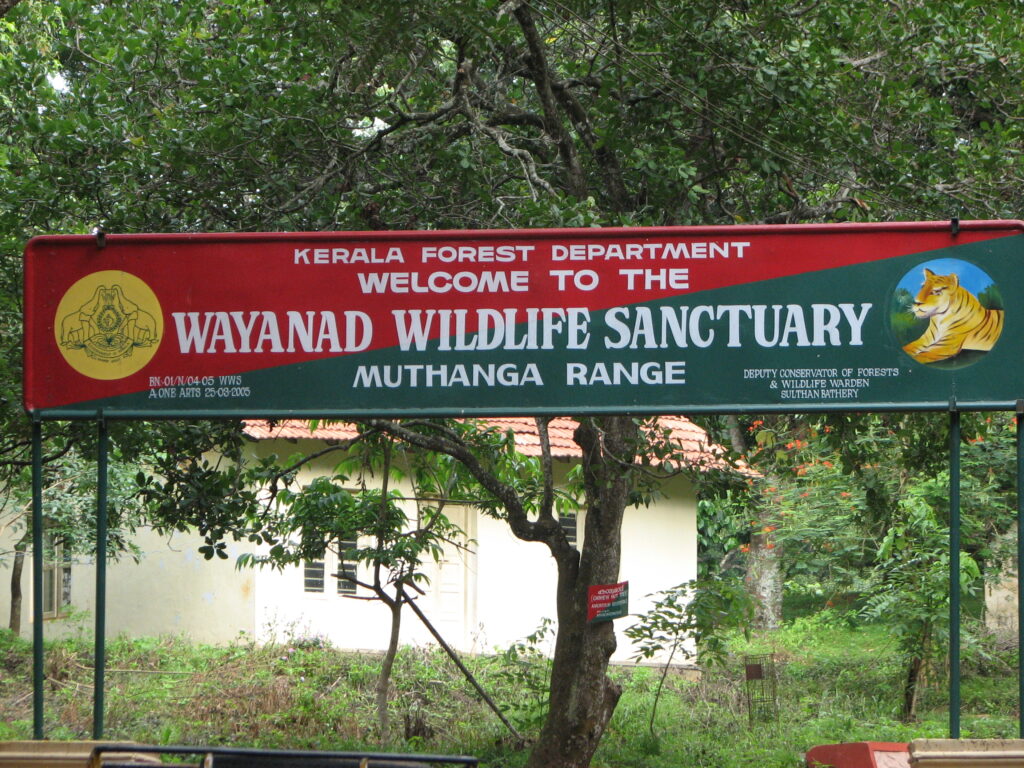
- Muthanga Wildlife Sanctuary.
Google Maps
FAQs
1. What is Tholpetty Wildlife Sanctuary famous for?
Tholpetty is famous for its jeep safaris, elephant sightings, rich biodiversity, and scenic forest landscapes within the Nilgiri Biosphere Reserve.
2. Are jeep safaris available every day?
Yes, jeep safaris are usually conducted daily by the Forest Department, subject to weather and forest conditions.
3. Can visitors spot tigers in Tholpetty?
Tigers do live in the sanctuary, but sightings are rare because they move deep within the forest regions.
4. What is the best safari timing?
Early morning and evening safaris are considered the best for wildlife sightings and photography.
5. Is Tholpetty suitable for family trips?
Yes, the sanctuary is suitable for families, nature lovers, and wildlife enthusiasts of all ages.
6. Are guides mandatory during safaris?
Yes, safaris are conducted with authorized drivers and forest guides for visitor safety and wildlife protection.
7. Is the sanctuary open during monsoon season?
Some activities may be restricted during heavy monsoon months, and safari schedules can change depending on weather conditions.
8. How much time is needed to explore Tholpetty?
A half-day visit is generally enough for the safari experience, but many travelers stay longer to explore nearby Wayanad attractions.