Image Source: vinay mishra
Introduction to Upper Lake
Bhopal, often celebrated as the “City of Lakes,” is home to several beautiful water bodies that shape the city’s identity and charm. Among them, Upper Lake, popularly known as Bhojtal or Bada Talab, stands out as one of the most iconic and beloved destinations. Situated in the heart of Bhopal, this vast lake is more than just a scenic attraction—it is a place where history, nature, and recreation come together.
Whether you are a history enthusiast, nature lover, or someone simply looking for a peaceful escape, Upper Lake offers a memorable experience. From its centuries-old origin to its role in supporting local life today, the lake remains one of Bhopal’s most treasured landmarks.
History of Upper Lake
Upper Lake is one of the oldest man-made lakes in Madhya Pradesh, spreading across approximately 36.1 square kilometers. Its history dates back to the 11th century when it was constructed under the rule of Raja Bhoj of the Paramara dynasty.
According to local folklore, the lake was created under unusual circumstances. Raja Bhoj was reportedly suffering from a severe skin ailment that could not be cured despite several treatments. A saint advised the king to build a reservoir where water from 365 tributaries would merge and to bathe in it as a remedy for his illness. Following this guidance, the king ordered the construction of the lake by combining numerous water streams. This legendary story continues to be associated with the lake and adds a sense of mystery and cultural significance to its history.
The lake is also linked to the Kaliasot River, which plays an important role in its drainage and ecosystem.
Features and Significance of Bhojtal
Upper Lake is not only historically significant but also environmentally and economically important to Bhopal. In 1965, the Bhadbhada Dam was built to regulate the outflow of water into the Kaliasot River. This engineering addition helped improve water management and flood control in the region.
Today, Upper Lake serves as one of the major sources of drinking water for Bhopal, supplying nearly 30 million gallons of water per day to residents. This makes the lake essential to the city’s daily life and urban sustainability.
Another important feature of Upper Lake is its ecological value. Together with the nearby Lower Lake, also known as Chhota Talaab, it forms the Bhoj Wetland. This wetland has been recognized as a Ramsar site, an international designation given to wetlands of ecological importance. The Bhoj Wetland supports rich biodiversity, including migratory birds, aquatic plants, and various species of fish, making it a valuable habitat for wildlife conservation.
Tourist Attractions Around Upper Lake
The beauty of Upper Lake extends beyond its waters, with several notable attractions surrounding the area.
One of the most prominent sites is Van Vihar National Park, which borders the lake from the north, east, and south. This unique national park combines wildlife conservation with natural landscapes and offers visitors the chance to spot animals and birds while enjoying lake views.
Kamla Park, overlooking the lake, is another popular attraction. Known for its greenery and peaceful atmosphere, it is a favorite spot for families, photographers, and evening visitors. The nearby royal gardens further enhance the scenic appeal of the area.
Upper Lake is connected to Lower Lake through the historic overbridge called Pul Pukhta, which adds to the cultural and architectural character of the region.
In the middle of the lake lies a small island that houses the tomb of Shah Ali Shah Rahmatullah, a revered spiritual figure. The island adds a spiritual and historical dimension to the lake’s landscape.
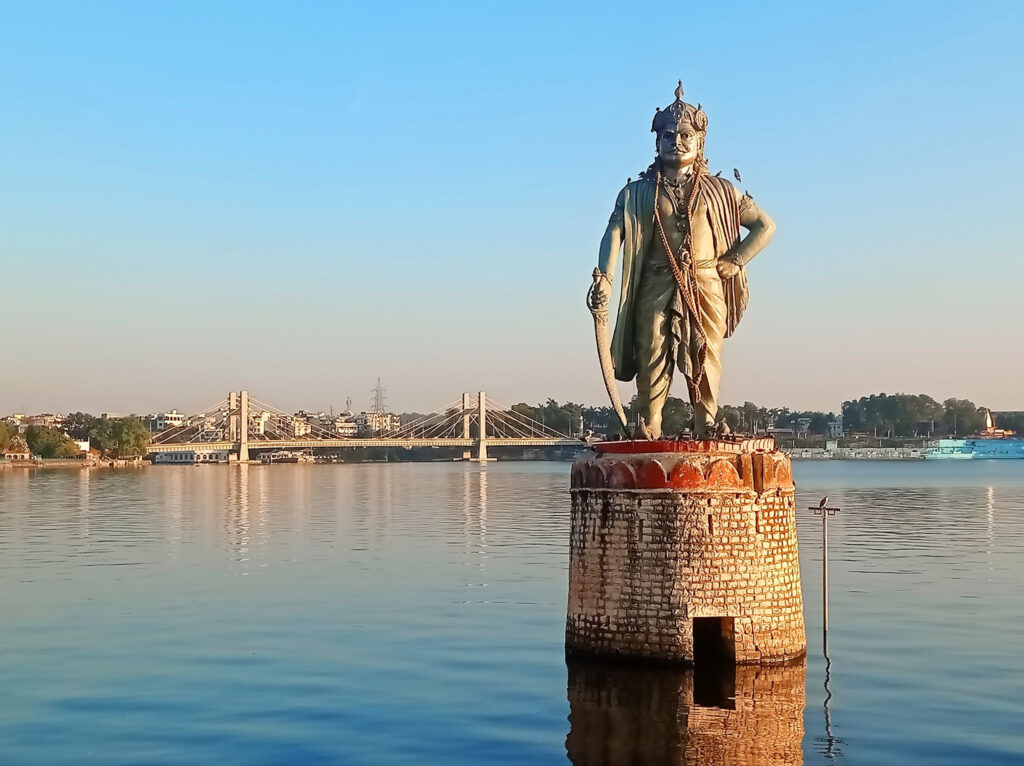
Another striking landmark is the majestic statue of Raja Bhoj standing near the lake. The towering monument honors the visionary king associated with the creation of Bhojtal and has become a recognizable symbol of Bhopal.
Activities and Experiences at Upper Lake
Upper Lake is not just a sightseeing destination—it is also a hub for outdoor activities and leisure.
The eastern side of the lake is especially popular for adventure and water sports. Visitors can enjoy activities such as canoeing, kayaking, boating, rafting, and parasailing. These recreational options attract both tourists and local residents looking for excitement and relaxation.
For those seeking tranquility, the lakeside offers an entirely different experience. The calm surroundings make it ideal for morning walks, picnics, yoga, and meditation. Watching the sunrise or sunset over the lake creates a peaceful atmosphere that many visitors find refreshing and inspiring.
Birdwatchers and photographers also frequent the lake, particularly during migratory seasons when numerous bird species can be observed around the wetland.
Best Time to Visit Upper Lake
Upper Lake can be visited throughout the year, but the most pleasant time is between October and March. During these cooler months, the weather in Bhopal remains comfortable for sightseeing and outdoor activities.
Early mornings and evenings are particularly attractive, as the soft light and cool breeze create stunning views and a relaxing environment.
Why Upper Lake Is Worth Visiting
Upper Lake is far more than a body of water—it is a living part of Bhopal’s heritage and identity. Its fascinating history, ecological importance, scenic beauty, and recreational opportunities make it a destination that appeals to all kinds of travelers.
Whether you wish to explore local history, enjoy water sports, observe wildlife, or simply spend quiet moments beside the water, Upper Lake offers an experience that reflects the spirit and beauty of Bhopal.
Location

By car: 12 (NH 12) connects Bhopal to Jaipur and Jabalpur, while NH 86 connects it to Sagar. The state-owned buses, as well as private buses, regularly operate from different cities and towns of Madhya Pradesh to Bhopal. One can hire a taxi or a cab to reach Upper Lake from the Bhopal bus stand or railway station.

By Train: Bhopal Junction railway station is the nearest railway station to Upper Lake, which is about 7 km away. It is well-connected to major cities like Delhi, Mumbai, Chennai, Bangalore, Hyderabad, and Kolkata. After reaching the railway station, one can take a taxi or an auto-rickshaw to reach the lake.

By Air: Raja Bhoj International Airport in Bhopal is the nearest airport, which is approximately 15 km away from the Upper Lake. It is well-connected to major cities like Delhi, Mumbai, Kolkata, Hyderabad, Bangalore, and Chennai. After reaching the airport, one can hire a taxi or a cab to reach the Upper Lake.
Nearby Attractions
1. Van Vihar National Park
Located along the banks of Upper Lake, this popular national park is home to tigers, leopards, deer, crocodiles, and numerous bird species. It is one of the best places in Bhopal for wildlife enthusiasts and nature lovers.
2. Boat Club Bhopal
A favorite recreational spot offering paddle boating, speed boating, and cruise rides on the scenic waters of Upper Lake.
3. Gauhar Mahal
A historic 19th-century palace built by Qudsia Begum, known for its blend of Mughal and Hindu architectural styles and cultural events.
4. Taj-ul-Masajid
One of India’s largest mosques, admired for its grand pink façade, towering minarets, and beautiful prayer halls.
5. Shaukat Mahal
A unique heritage monument showcasing a rare mix of Gothic, European, and Indo-Islamic architectural styles.
6. Moti Masjid
Built by Sikandar Jehan Begum, this elegant mosque is known for its striking white marble domes and peaceful surroundings.
7. Madhya Pradesh Tribal Museum
An award-winning museum that highlights the rich traditions, art, and culture of the tribal communities of Madhya Pradesh.
8. Regional Science Centre
A family-friendly attraction featuring interactive science exhibits, a planetarium, and educational displays.
9. Sadar Manzil
A historic red-colored building that once served as the public audience hall of the Nawabs of Bhopal.
10. State Museum Bhopal
A fascinating museum housing archaeological artifacts, sculptures, manuscripts, paintings, and historical exhibits from across Madhya Pradesh.
FAQs
1. Why is Upper Lake called Bhojtal?
Upper Lake is called Bhojtal because it is associated with Raja Bhoj, the Paramara king believed to have commissioned its construction in the 11th century.
2. How large is Upper Lake?
Upper Lake covers an area of around 36.1 square kilometers, making it one of the largest and oldest man-made lakes in India.
3. What is the significance of Upper Lake for Bhopal?
The lake is a major source of drinking water for the city and plays a vital role in supporting local biodiversity and environmental balance.
4. What activities can tourists enjoy at Upper Lake?
Visitors can participate in boating, canoeing, kayaking, rafting, and parasailing, or simply enjoy walking, picnicking, yoga, and photography.
5. What is the Bhoj Wetland?
The Bhoj Wetland is a Ramsar-designated wetland formed by Upper Lake and Lower Lake. It is internationally recognized for its ecological importance and wildlife habitat.
6. Is Upper Lake suitable for family visits?
Yes, Upper Lake is an excellent destination for families. Its parks, scenic surroundings, boating facilities, and peaceful atmosphere make it enjoyable for visitors of all ages.
7. When is the best time to visit Upper Lake?
The ideal time to visit is from October to March when the weather is pleasant and suitable for sightseeing and outdoor activities.