Image Source: Nitin Kaulavkar
Overview and History of Jai Vilas Palace
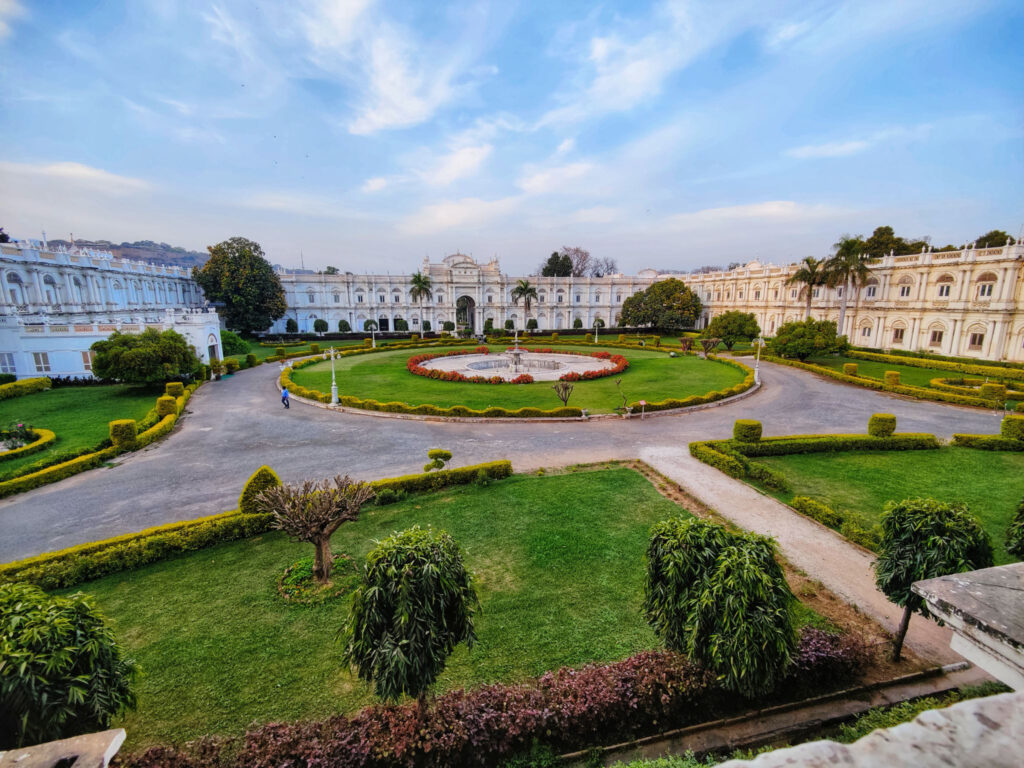
Standing proudly in the historic city of Gwalior, Jai Vilas Palace is one of the finest examples of royal grandeur in India. Built in 1874 by Maharaja Jayajirao Scindia, the palace reflects the rich legacy and refined lifestyle of the Scindia dynasty. Even today, the palace remains a symbol of elegance, heritage, and aristocratic charm that continues to attract travelers, historians, and architecture lovers from across the world.
Designed with strong European influences, Jai Vilas Palace blends Tuscan, Italian, and Corinthian architectural styles in a way that feels both majestic and graceful. The palace was reportedly designed by Sir Michael Filose, an architect closely associated with the Scindia rulers. From its grand façade to its lavish interiors, every corner of the palace showcases royal sophistication and attention to detail.
Spread across an enormous area of more than 12 lakh square feet, the palace contains around 400 rooms. While a section of the palace still serves as the residence of the Scindia royal family, another part has been converted into a museum that allows visitors to step into the regal world of Gwalior’s past rulers.
Royal Interiors and Architectural Splendor
Walking through Jai Vilas Palace feels like entering a different era. The interiors are decorated with gold embellishments, ornate ceilings, antique furniture, and intricately designed walls that highlight the wealth and taste of the Scindia family. One of the most breathtaking sections of the palace is the Durbar Hall, known for its sheer magnificence.
The hall features massive chandeliers that are considered among the largest in the world. According to popular accounts, the strength of the ceiling was tested by allowing several elephants to walk on the roof before the chandeliers were installed. The glittering lights, towering ceilings, and luxurious décor create a royal atmosphere that leaves visitors awestruck.
Another fascinating attraction inside the palace is the miniature silver train placed on the dining table. This tiny train was once used to serve food and drinks to guests during royal banquets. Even today, it remains one of the most talked-about features of the palace museum.
The palace also includes beautifully designed reading rooms, drawing rooms, breakfast chambers, and royal galleries that provide a glimpse into the everyday life of Indian royalty during the colonial era.
A Museum Preserving the Legacy of the Scindias
To preserve the history and cultural treasures of the Scindia family, a section of the palace was transformed into the Jai Vilas Palace Museum in 1964. The museum was established by Rajmata Vijaya Raje Scindia in memory of Jivajirao Scindia.
Today, the museum stands as one of the most important heritage attractions in Madhya Pradesh. Its galleries display rare artifacts, royal possessions, artworks, textiles, weapons, and decorative pieces collected over generations.
The museum beautifully captures the blend of Indian and European lifestyles that influenced royal families during the British era. Visitors can explore everything from vintage carriages and royal costumes to antique furniture and ceremonial objects.
Treasures Inside the Museum
The Jai Vilas Palace Museum houses an extraordinary collection of historical and artistic treasures. Among the highlights are stunning crystal and Malabar furniture, elegant European décor pieces, and remarkable artworks by renowned Indian painter Raja Ravi Varma.
The museum also displays ancient sculptures, Chinese pottery, royal photographs, and beautifully preserved manuscripts. A bronze statue of Lord Vishnu and intricate Jain sculptures further add cultural and spiritual depth to the collection.
For history enthusiasts, the weapon gallery is especially fascinating. It includes shields, swords, rifles, and royal weaponry associated with significant figures from Indian history. One of the most notable exhibits is the shield linked to Rani Lakshmibai, along with swords believed to have belonged to Mughal emperors Aurangzeb and Shah Jahan.
Visitor Information
The Jai Vilas Palace Museum is open to visitors from 10:00 AM to 4:30 PM. The museum remains closed on Mondays and national holidays.
The entry fee for Indian visitors is generally around Rs. 120, while foreign tourists are charged approximately Rs. 800. Additional charges may apply for photography and video recording inside the museum.
It is recommended to spend at least two to three hours exploring the palace and museum comfortably. Early afternoons are usually ideal for visiting, especially during the cooler months between October and March when the weather in Gwalior is pleasant for sightseeing.
Why Jai Vilas Palace Is Worth Visiting
Jai Vilas Palace is more than just a museum—it is a living reminder of India’s royal heritage. The palace offers a rare opportunity to witness the luxurious lifestyle of one of the country’s most influential royal families while also exploring valuable historical artifacts and remarkable architecture.
Whether you are interested in history, photography, architecture, or cultural heritage, Jai Vilas Palace delivers a memorable experience that combines grandeur, storytelling, and timeless beauty.
How to Reach Gwalior Fort
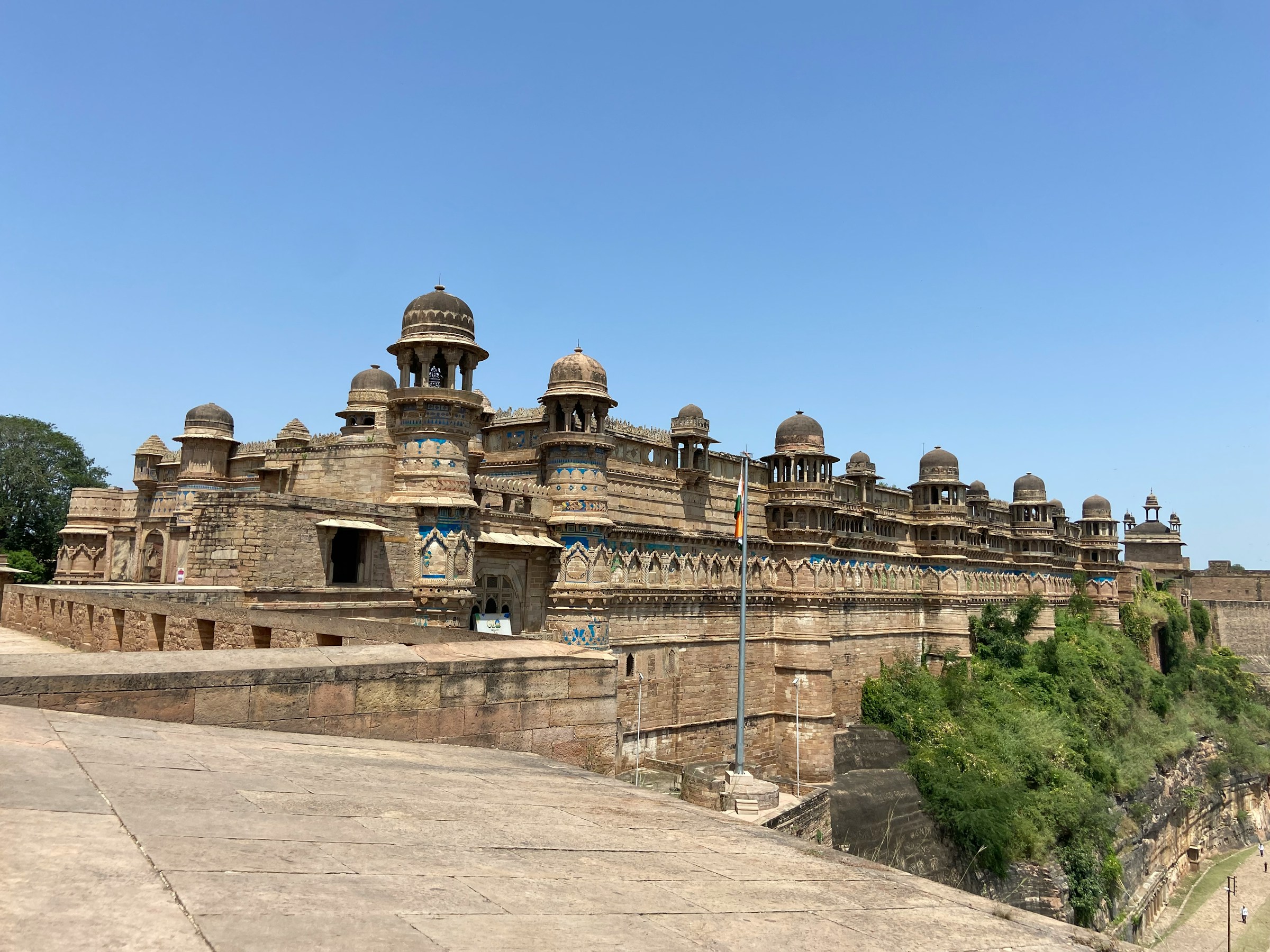
Gwalior Fort is located in the heart of Gwalior city and is easily accessible from all major parts of the city. The fort lies approximately 3 km from Gwalior Junction Railway Station and around 12 km from Rajmata Vijayaraje Scindia Airport. Visitors can hire auto-rickshaws, taxis, or app-based cabs to reach the fort. Those arriving by road can drive directly to the fort through the Urvai Gate or the Gwalior Gate, both of which provide access to different sections of the fort complex. Local sightseeing tours also include Gwalior Fort as a major attraction.
Nearby Attractions to Jai Vilas Palace
Gwalior Fort
One of India’s most impressive hill forts, known for its magnificent palaces, ancient temples, Jain rock-cut sculptures, and panoramic views of the city.
Gwalior Zoo
A popular family attraction featuring a variety of wildlife, including tigers, leopards, deer, reptiles, and numerous bird species.
Tomb of Tansen
The memorial of the legendary musician Tansen, one of Emperor Akbar’s famed Navratnas, set amidst peaceful gardens.
Gujari Mahal Museum
An archaeological museum housing an impressive collection of sculptures, inscriptions, and artifacts from different historical periods.
Sarod Ghar
A unique museum dedicated to Indian classical music and the legacy of renowned musician Ustad Hafiz Ali Khan.
Sun Temple
A beautiful temple inspired by the famous Konark Sun Temple, admired for its intricate carvings and serene atmosphere.
Moti Mahal
A historic palace built by Maharaja Jayajirao Scindia, known for its elegant architecture and beautiful interiors.
Italian Garden
A well-maintained garden featuring landscaped lawns, fountains, and walking paths, ideal for a relaxing stroll near the palace.
Maps
FAQs
Where is Jai Vilas Palace located?
Jai Vilas Palace is located in the city of Gwalior in Madhya Pradesh, India.
Who built Jai Vilas Palace?
The palace was built by Maharaja Jayajirao Scindia in 1874 as the royal residence of the Scindia dynasty.
Is the royal family still living in the palace?
Yes, a part of the palace is still occupied by members of the Scindia royal family, while another section functions as a museum.
What is the main attraction inside Jai Vilas Palace?
The Durbar Hall with its gigantic chandeliers and the miniature dining train are among the palace’s biggest attractions.
How much time is needed to explore the museum?
Visitors usually need around two to three hours to explore the palace museum properly.
Can photography be done inside the museum?
Yes, photography and video recording are allowed in certain areas after paying additional charges.
What is the best time to visit Jai Vilas Palace?
The best time to visit is between October and March when the weather in Gwalior is cooler and more comfortable for sightseeing.