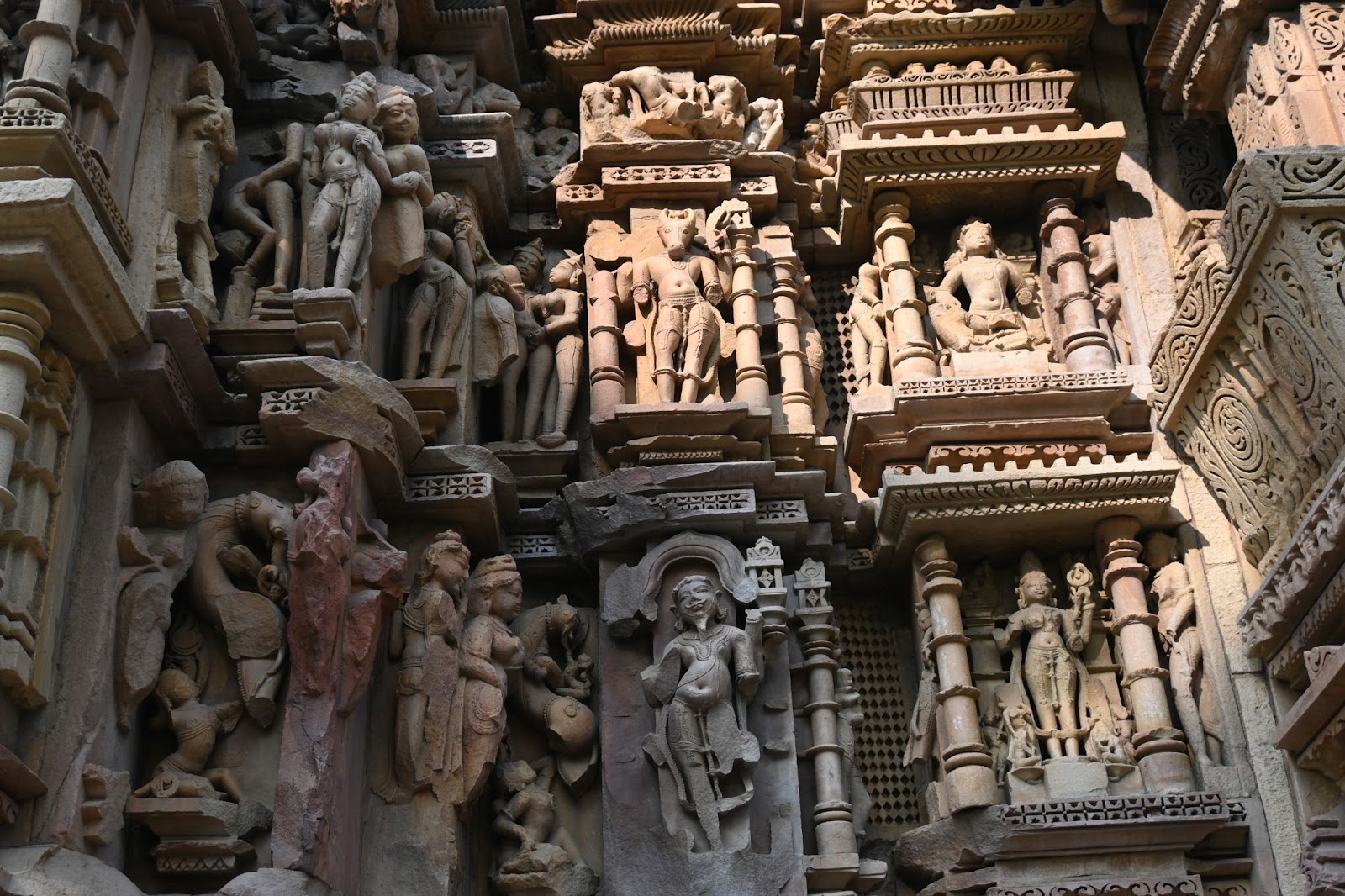
Image Source: Rajesh Jangra
About Vamana Temple
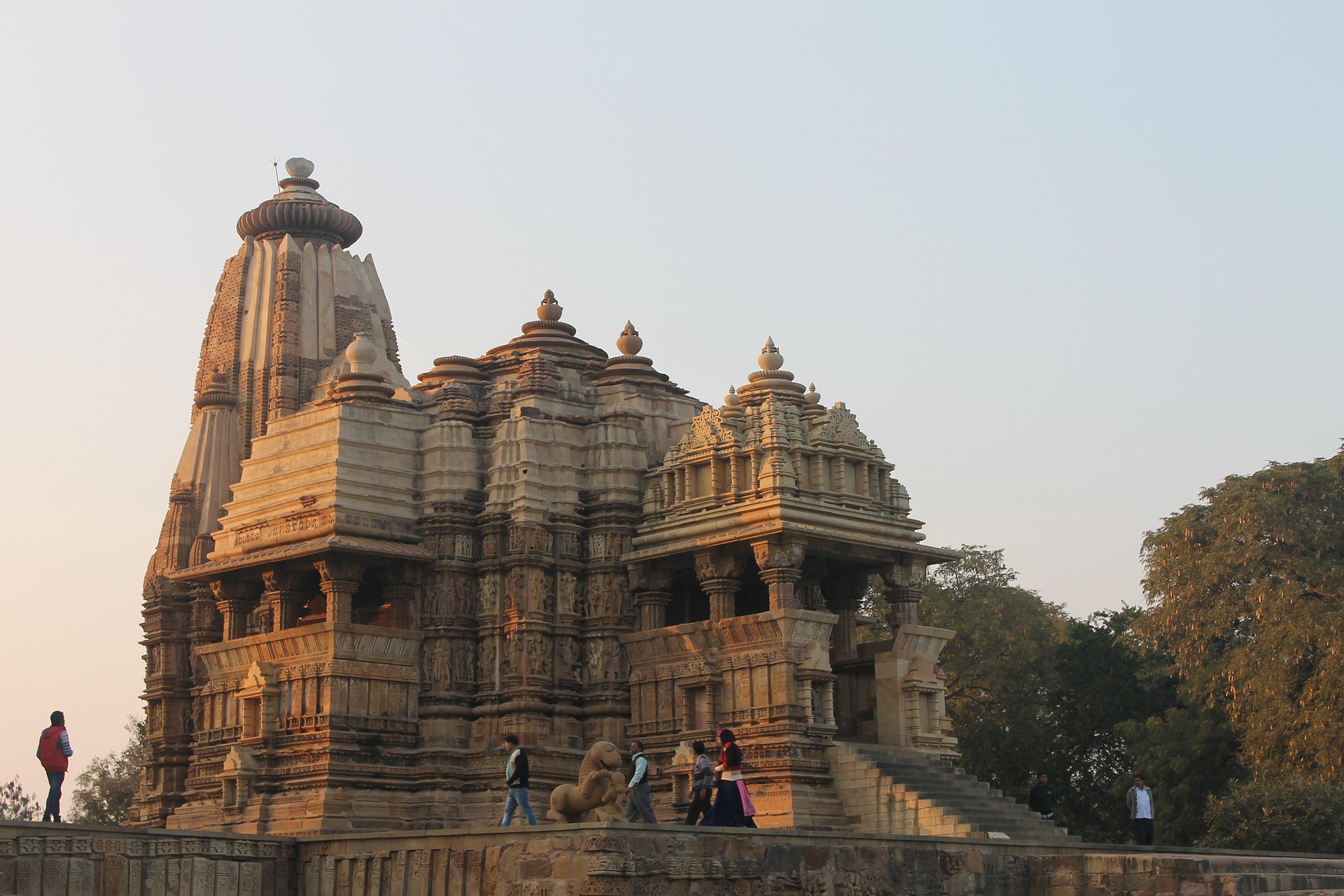
Nestled within the Eastern Group of Temples in Khajuraho, Vamana Temple is one of the region’s finest examples of medieval Indian temple architecture. Dedicated to Lord Vamana, the fifth incarnation of Lord Vishnu, this temple attracts visitors with its elegant design, intricate sculptures, and spiritual significance.
Built between 1050 and 1075 AD during the Chandela dynasty, the temple forms part of the renowned Khajuraho Group of Monuments, a UNESCO World Heritage Site. Although smaller than some of Khajuraho’s more famous temples, Vamana Temple possesses a distinct charm that makes it a worthwhile stop for history enthusiasts, architecture lovers, and devotees alike.
Architecture of Vamana Temple
The temple follows the classic architectural style seen in many Khajuraho monuments. Its layout includes an entrance porch (Ardha-mandapa), a vestibule (Antarala), a spacious Maha-mandapa, and the sanctum (Garbhagriha), all arranged in a harmonious sequence that guides visitors toward the deity.
One of the temple’s most striking features is its beautifully carved shikhara (tower), adorned with decorative Chaitya-arch motifs that rise gracefully toward the sky. The Maha-mandapa is crowned with a Samvarana-style roof, adding elegance and grandeur to the structure.
Inside the sanctum stands an impressive image of Lord Vamana. The deity is flanked by Chakra Purusha on one side and Shankha Purusha on the other, symbolizing Vishnu’s divine attributes. The doorway leading to the sanctum is richly ornamented with seven decorative bands featuring lotus motifs, dancing ganas, and mithuna figures, showcasing the exceptional craftsmanship of Chandela artisans.
The exterior walls are equally captivating. Delicately carved apsaras, celestial beings, musicians, dancers, and scenes from everyday life decorate the temple façade. These sculptures provide a fascinating glimpse into the social, cultural, and artistic life of medieval India, all preserved in stone for centuries.
Timings
Vamana Temple is open daily from sunrise to sunset, generally between 6:00 AM and 6:00 PM. Visitors are encouraged to explore the temple during the early morning or late afternoon when the weather is pleasant and the carvings are beautifully illuminated by natural light.
How to Reach Vamana Temple
Vamana Temple is located in the eastern section of Khajuraho, approximately 2.5 km from the main Western Group of Temples.
By Air: The nearest airport is Khajuraho Airport, situated about 5 km away. Taxis and auto-rickshaws are readily available from the airport.
By Rail: Khajuraho Railway Station is around 7 km from the temple. Local taxis, auto-rickshaws, and rental vehicles provide convenient transportation.
By Road: Khajuraho enjoys good road connectivity with nearby cities such as Chhatarpur, Satna, Jhansi, and Panna. Visitors can hire taxis, use local transport, or rent bicycles and scooters to explore the temple complex.
Local Tip: Many travelers combine a visit to Vamana Temple with the nearby Jain temples, as they are located within the same Eastern Group of Monuments and can be explored comfortably in a single trip.
Nearby Attractions
Jain Group of Temples
Located close to Vamana Temple, this temple complex includes the Parsvanath, Adinath, and Shantinath Temples, known for their remarkable carvings and peaceful atmosphere.
Brahma Temple
One of the oldest surviving temples in Khajuraho, Brahma Temple is famous for its simple yet historically significant architectural style.
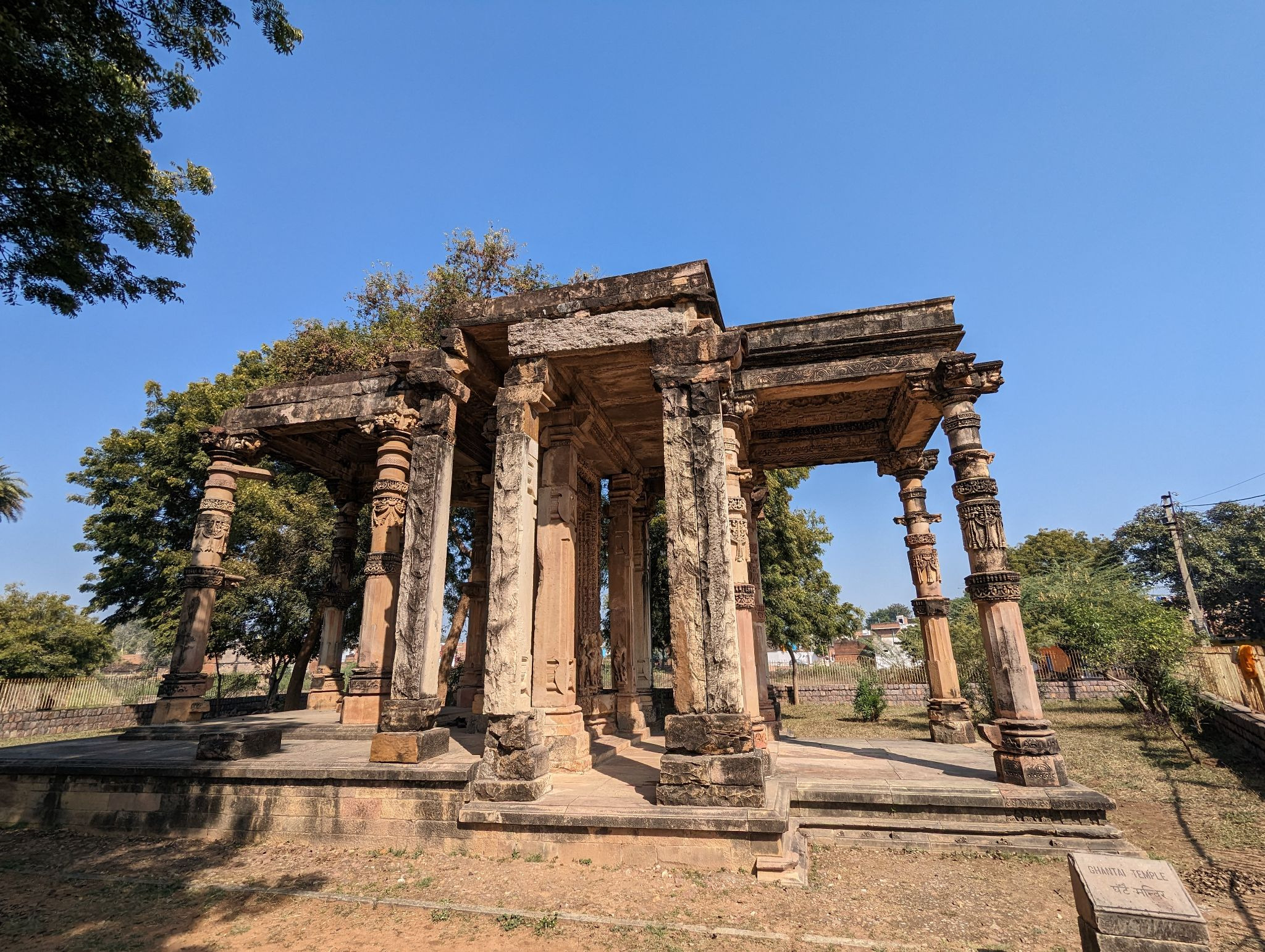
Ghantai Temple
Renowned for its elegant pillars and chain-and-bell carvings, this Jain temple is among the most distinctive monuments in the Eastern Group.
Lakshmana Temple
Situated in the Western Group of Temples, Lakshmana Temple is celebrated for its exquisite sculptures and impressive architecture dedicated to Lord Vishnu.
Kandariya Mahadeva Temple
The largest and most ornate temple in Khajuraho, this architectural masterpiece is a must-visit for anyone exploring the region.
Archaeological Museum, Khajuraho
The museum houses a rich collection of sculptures and artifacts recovered from various temples around Khajuraho.
Raneh Falls
Located about 20 km from Khajuraho, this spectacular canyon and waterfall is famous for its colorful granite rock formations and scenic beauty.
FAQs
1. Who is the presiding deity of Vamana Temple?
The temple is dedicated to Lord Vamana, the fifth incarnation of Lord Vishnu.
2. When was Vamana Temple built?
The temple was constructed between 1050 and 1075 AD during the reign of the Chandela dynasty.
3. Is Vamana Temple part of the UNESCO World Heritage Site?
Yes, it is one of the monuments included in the UNESCO-listed Khajuraho Group of Monuments.
4. Where is Vamana Temple located?
The temple is located in the Eastern Group of Temples in Khajuraho, Madhya Pradesh.
5. What is special about the temple’s architecture?
Its elegant shikhara, richly carved doorway, sculpted apsaras, and depictions of everyday life make it architecturally unique.
6. How much time is needed to explore the temple?
Most visitors spend around 30–45 minutes exploring the temple and appreciating its carvings.
7. Can photography be done inside the temple complex?
Yes, photography is generally allowed, making it a favorite spot for architecture and heritage enthusiasts.
8. What is the best time to visit?
The best time to visit is between October and March when the weather is pleasant for sightseeing.
9. Is the temple still used for worship?
While it is primarily a protected historical monument, the temple retains its religious significance and is occasionally visited by devotees.
10. Can Vamana Temple be visited along with other temples in one day?
Yes, visitors can easily combine it with the Jain Group of Temples, Brahma Temple, and the Western Group of Temples during a full-day tour of Khajuraho.