Image Source: Arya S Raj
About Bijamandal Temple
Nestled in the historic town of Vidisha in Madhya Pradesh, Bijamandal Temple, also known as Vijayamandir Temple, is a fascinating site that reflects the grandeur of medieval Indian architecture. Located about 9 km from Sanchi Railway Station, this ancient monument attracts history enthusiasts, archaeology lovers, and spiritual travelers who wish to explore the lesser-known heritage treasures of central India.
The Story Behind Bijamandal Temple
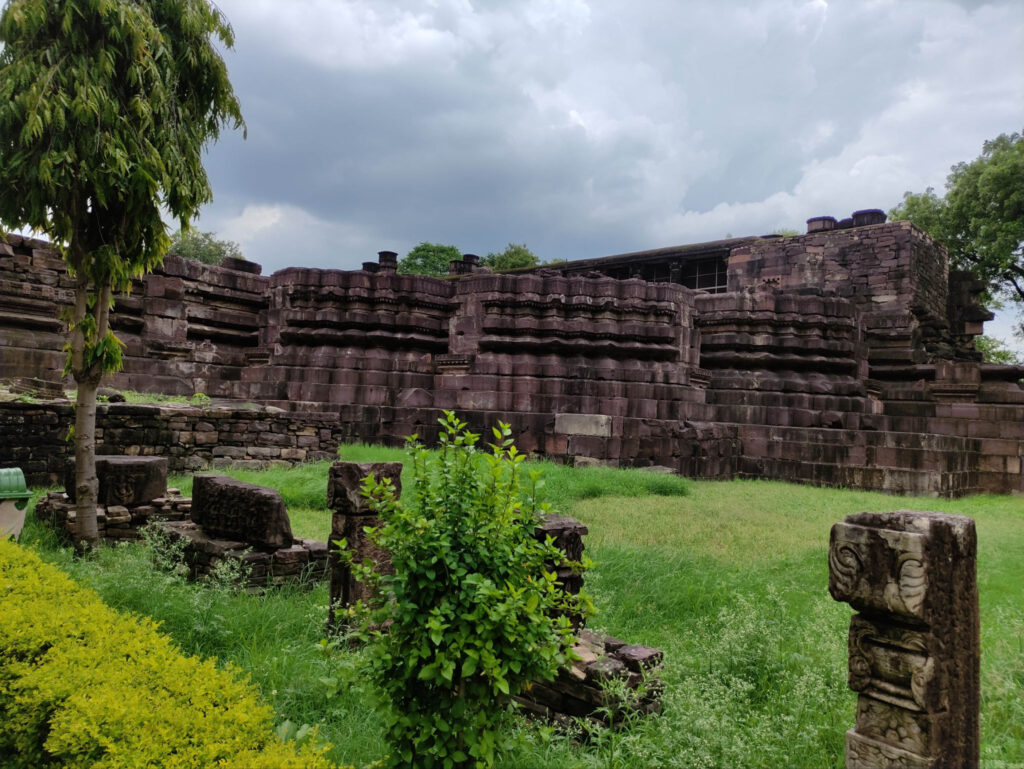
Bijamandal Temple dates back to the 11th century and is believed to have been constructed during the reign of the Paramara king Naravarman. The temple was dedicated to Goddess Charchika, also revered locally as Goddess Vijaya. Although the structure was planned on a massive scale, archaeological evidence suggests that the temple remained incomplete, with several foundation stones and construction elements left unfinished.
Despite its incomplete state, the temple showcased remarkable craftsmanship and architectural ambition. Over the centuries, however, the monument witnessed significant changes. Historical records indicate that in 1682, during the reign of Mughal emperor Aurangzeb, the temple was demolished. Today, the Alamgiri Mosque stands on part of the original temple site, making Bijamandal an important landmark that reflects multiple layers of Indian history.
A Glimpse into Its Former Glory
Historians and archaeologists believe that Bijamandal was once among the largest temples in the region. The original structure is said to have risen nearly 35 meters high and measured approximately 39 meters in width. Massive pillars, intricately carved stone blocks, and beautifully sculpted figures supported the grand complex.
Excavations and recovered fragments reveal stunning sculptures that once adorned the temple. Among the most notable are depictions of Mahishasuramardini, an impressive eight-armed Ganesha, and the Sapta Matrikas (Seven Mother Goddesses) shown in graceful dancing postures. These artistic remains provide valuable insights into the religious and cultural traditions of medieval India.
Nearby Historical Treasures
A visit to Bijamandal Temple becomes even more rewarding when combined with other heritage sites in Vidisha.
One of the most famous attractions nearby is the Heliodorus Pillar, located just a short distance away. Erected around 150 BCE, this ancient stone column was commissioned by Heliodorus, a Greek ambassador who embraced the worship of Lord Vishnu. Topped originally with a Garuda emblem, the pillar stands as one of the earliest known records of Vaishnavism in India.
Another interesting site near Bijamandal is an ancient stepwell dating to the 17th century. The stepwell features beautifully carved pillars and panels depicting episodes from the life of Lord Krishna. These carvings are considered among the earliest artistic representations of Krishna’s life found in central India, making the site historically significant.
Timings and Entry Information
Bijamandal Temple is generally open to visitors from 10:00 AM to 5:00 PM. It is advisable to visit during daylight hours to fully appreciate the architectural remains and surrounding historical landmarks.
The winter months from October to March offer the most pleasant weather for sightseeing in Vidisha and nearby Sanchi.
How to Reach Bijamandal Temple
By Air
The nearest airport is Raja Bhoj Airport in Bhopal, located approximately 60 km away. From the airport, visitors can hire a taxi or take a bus to Vidisha.
By Train
Vidisha Railway Station is the nearest major railhead and is well connected to Bhopal, Delhi, Jhansi, and other major cities. Sanchi Railway Station is about 9 km from the temple site.
By Road
Vidisha enjoys good road connectivity with Bhopal, Sanchi, Raisen, and other nearby towns. Regular buses and taxis are available from Bhopal and Sanchi. Local auto-rickshaws can easily take visitors from Vidisha city to the temple complex.
Nearby Attractions
Heliodorus Pillar (Khamba Baba)
Located around 3 km away, this ancient pillar is one of India’s most important archaeological monuments and a testament to early Indo-Greek cultural connections.
Udayagiri Caves
Famous for their Gupta-era rock-cut sculptures and inscriptions, these caves feature the iconic Varaha relief and offer a glimpse into India’s ancient artistic heritage.
Sanchi Stupa
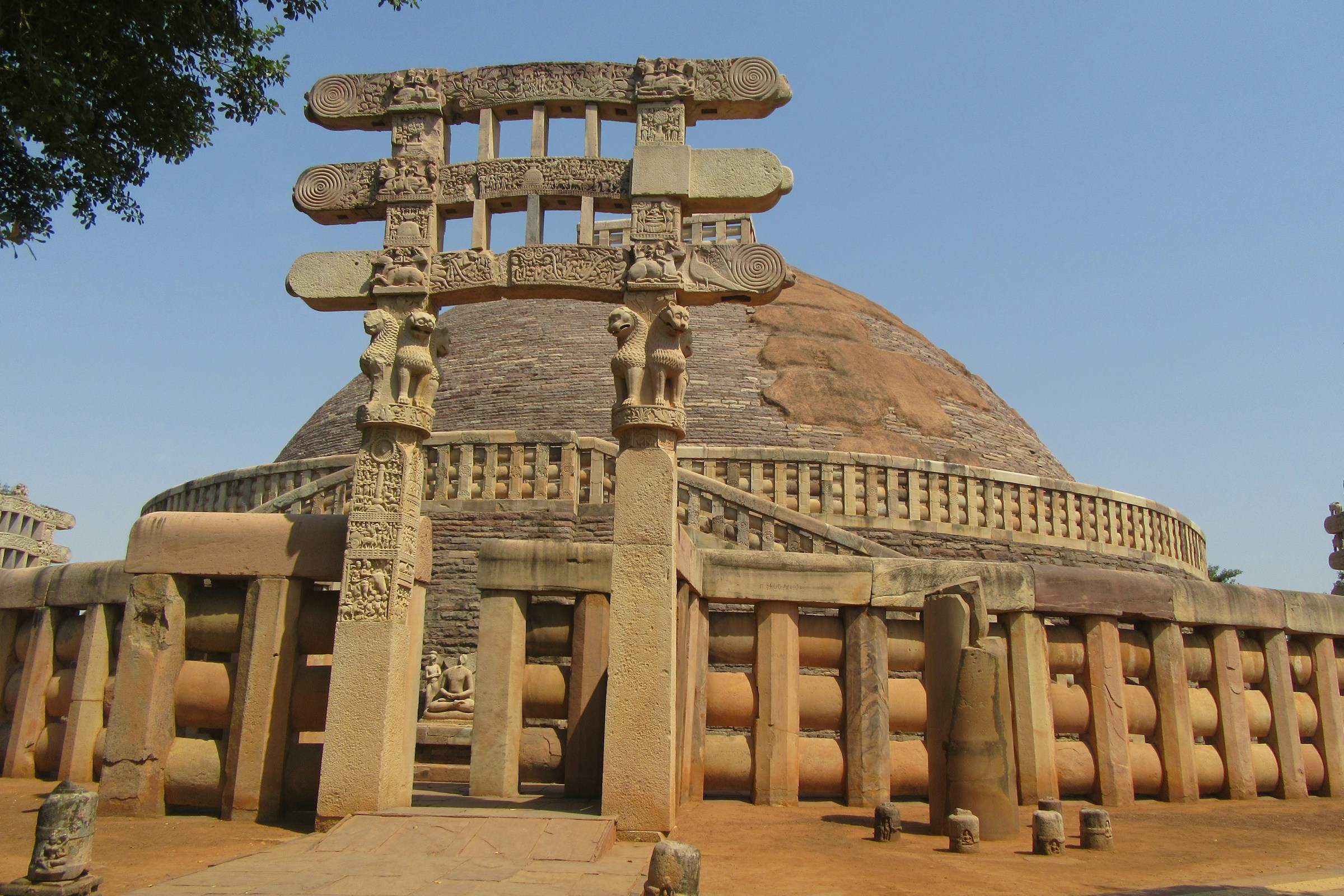
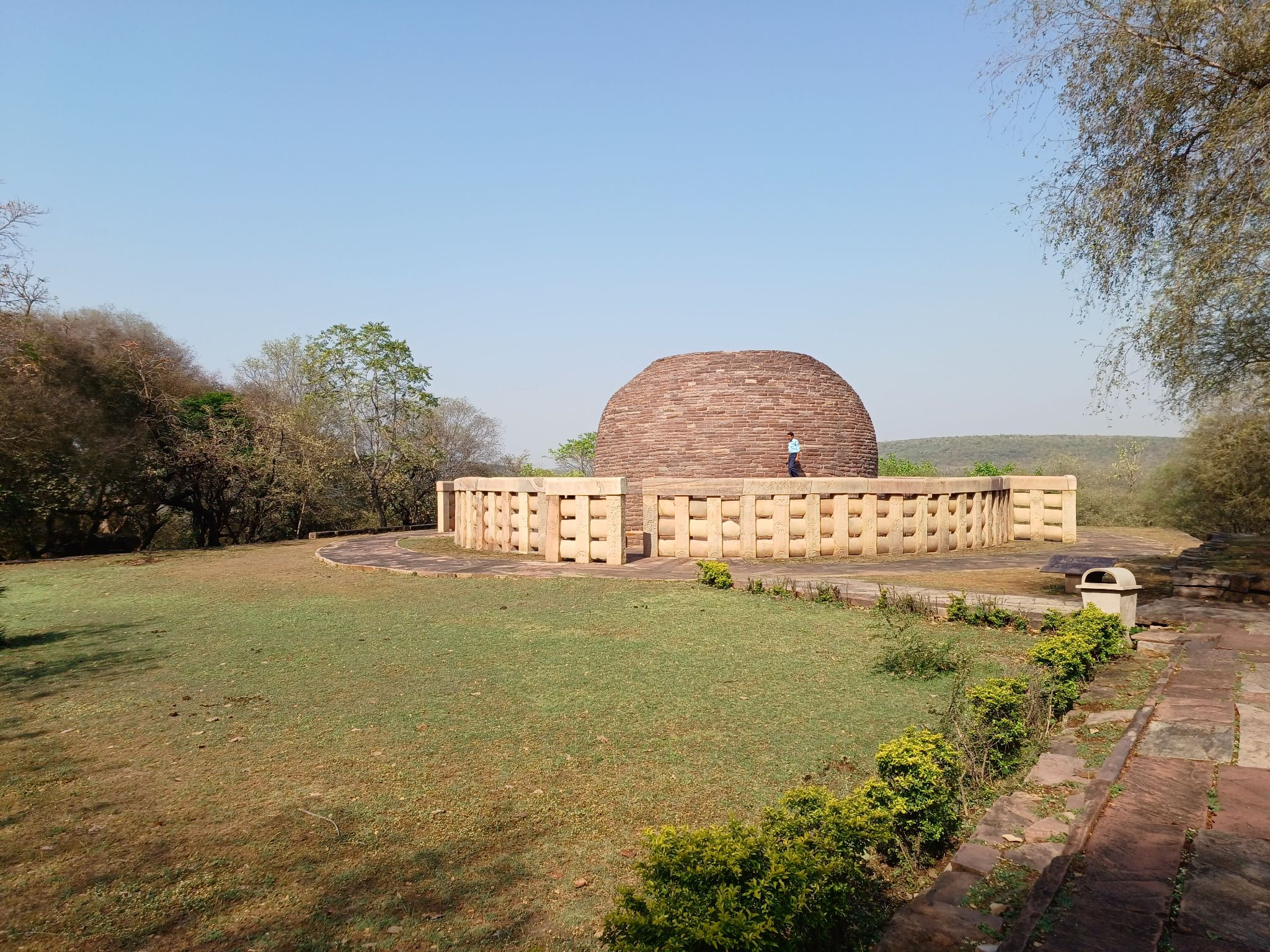
A UNESCO World Heritage Site located about 10 km from Vidisha, Sanchi is renowned for its magnificent Buddhist stupas, gateways, and monasteries.
Gyaraspur
This historic town houses several ancient temples and ruins, including the impressive Maladevi Temple and Athkhamba Temple.
Lohangi Rock
A massive rock formation in Vidisha associated with local legends and offering panoramic views of the surrounding landscape.
Map
How To Reach

By Car:
Traveling by car provides flexibility and allows you to explore the scenic routes leading to Bijamandal Temple. Here’s a suggested route from Sanchi Railway Station to Bijamandal Temple:
- Start from Sanchi Railway Station, and head northeast on the main road.
- Continue on the road until you reach the Sanchi Bypass Road.
- Take the Sanchi Bypass Road and continue for approximately 4 kilometers.
- Look out for signboards or directions indicating Bijamandal Temple.
- Follow the signs, and you will reach the temple after a 9-kilometer drive.

By Train:
For those preferring to travel by train, the nearest railway station to Bijamandal Temple is Sanchi Railway Station. Here’s a guide on how to reach Bijamandal Temple from Sanchi Railway Station:
FAQs
1. Where is Bijamandal Temple located?
Bijamandal Temple is located in Vidisha district of Madhya Pradesh, around 9 km from Sanchi Railway Station.
2. Who built Bijamandal Temple?
The temple is believed to have been built during the 11th century by Paramara king Naravarman.
3. Which deity was worshipped in the temple?
The temple was dedicated to Goddess Charchika, also known as Goddess Vijaya.
4. Why is the temple called Bijamandal?
The name is derived from the original Vijayamandira or Vijayamandir Temple, which evolved into the present-day name Bijamandal over time.
5. Is the original temple still standing?
No. Much of the original structure was destroyed, and only remnants of the temple complex survive today.
6. What is the significance of the Heliodorus Pillar nearby?
The Heliodorus Pillar is one of the earliest known inscriptions associated with Vaishnavism and was erected by a Greek ambassador who adopted Hindu beliefs.
7. Is there an entry fee to visit Bijamandal Temple?
Entry regulations may vary, so visitors should check the latest information before planning their trip.
8. What is the best time to visit?
October to March is considered the best time due to pleasant weather conditions.
9. How much time is needed to explore the site?
Most visitors spend around 30 minutes to 1 hour exploring the temple remains and nearby monuments.
10. Can Bijamandal Temple be visited along with Sanchi?
Yes. Since Sanchi is only a short drive away, both destinations can comfortably be covered in a single day trip.