Image Source: Wikimedia/Hmp12475
About Vaitarna Dam
Vaitarna Dam, also known as Modaksagar Dam, is a beautiful man-made gravity dam that is nestled in the breathtaking landscapes of the Palghar & Nashik district of Maharashtra. Standing as a testament to human ingenuity, the dam also has a reservoir that is located just 30 kilometres from Igatpuri and 43 kilometres from Nashik. In this article, we will embark on a journey to uncover the wonders of Vaitarana Dam.
Origin of Vaitarana River
The Vaitarna River originates in the Sahaydari mountain range, just 2 km away from Trimbakeshwar, which is the source of India’s second largest river, the Godavari. It merges with the river Tanasa before falling into the Arabian Sea.
Vaitarna Dam: A Marvel of Engineering
Built across the Vaitrana River near Saturli Village, the Upper Vaitarna Dam is an earth fill and gravity dam. It was constructed in 1973 to serve as a vital source of water and electricity for numerous areas in Mumbai. Rising 41 meters above its lowest foundation and stretching 2,531 meters in length, the dam stands as a symbol of human achievement and resource management.
Modak Sagar Reservoir
The dam has a reservoir known as Modak Sagar Reservoir that acts as a water source for the Mumbai Metropolitan Region.
Vaitarna Dam View Point
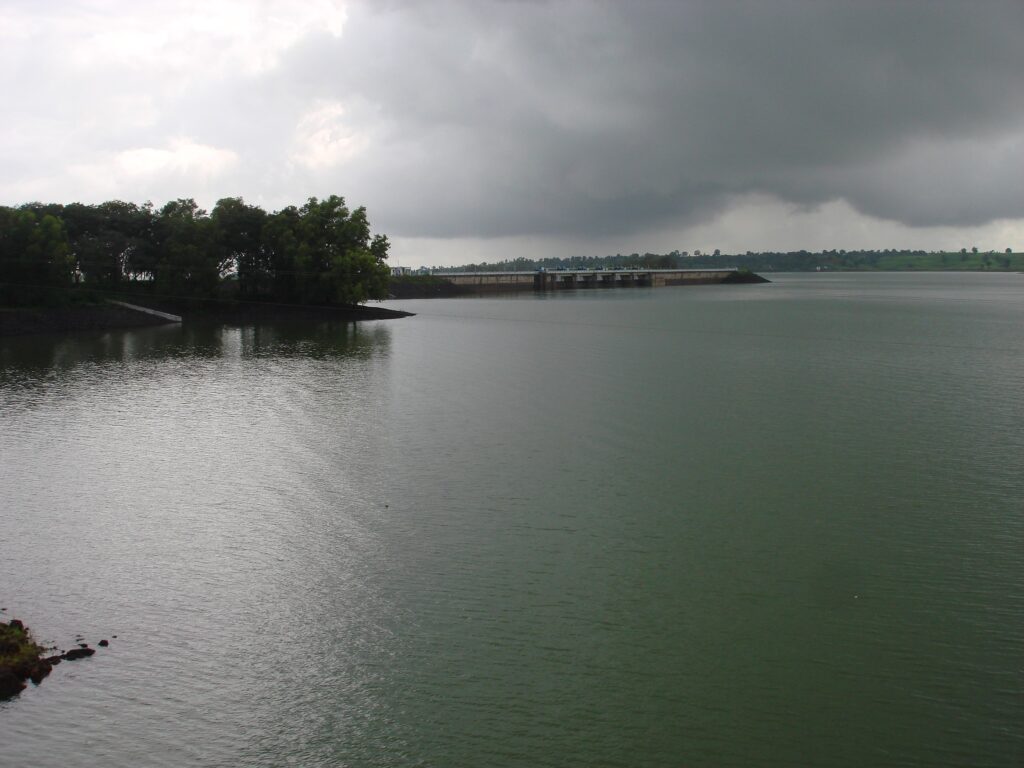
Vaitarna Dam viewpoint is a hidden gem that offers panoramic views of the surroundings. The panoramic view of the reservoir with lush green surroundings in the background of distant hills is a sight to capture in photographs. It’s a great spot for nature lovers and for those who are looking to spend quality time with family.
Breathtaking Scenery: Nature’s Canvas
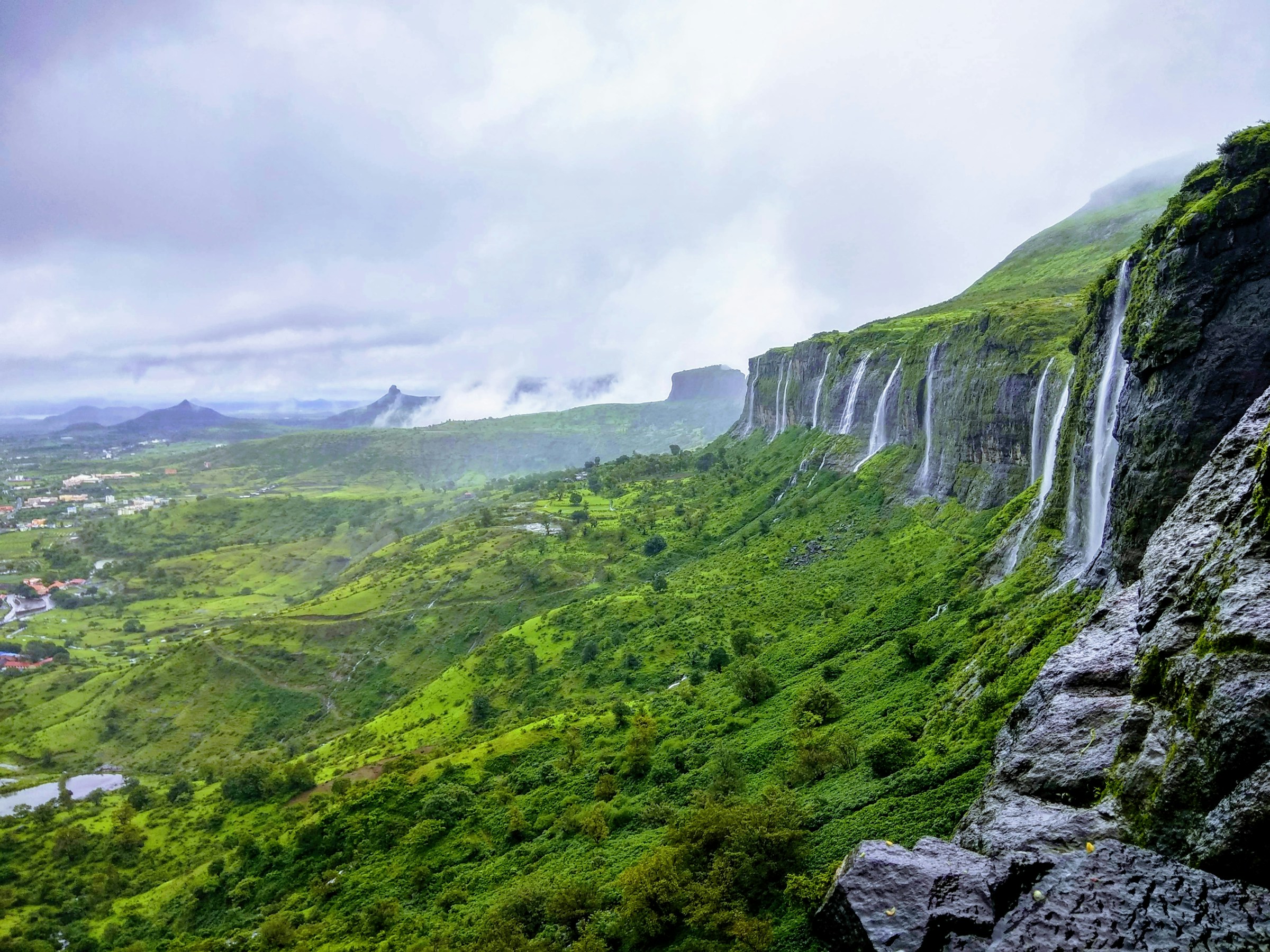
Set against the backdrop of the majestic Western Ghats, Vaitarna Dam offers a picturesque setting that captivates the soul. Visitors from nearby cities like Pune, Mumbai, and Nashik flock to this spot to indulge in the tranquil beauty of its lagoon and backwaters.
Visitors from nearby cities like Pune, Mumbai, and Nashik flock to the spot to indulge in the tranquil beauty of its lagoon and backwaters. The dam, or reservoir, offers a picturesque setting against the backdrop of the majestic Western Ghats. The surrounding woods add to the allure, providing a panoramic view that mesmerizes both photographers and nature enthusiasts alike.
Middle Vaitarna Dam
View Larger Map
To meet the growing needs for water, another dam was built in 2012 on the Vaitarna River.
Camp Under the Stars: Saturli Village Experience
Whether you arrive by car or motorcycle, the journey to this camping haven is as exhilarating as the destination itself. An adventurous retreat, Saturli village lies along a water body, ideal for camping.
Best time to visit
The best time to visit is during the monsoon, when rain blankets Saturli Village. The landscape turns into a vibrant green hue, inviting travelers to immerse themselves in its natural splendor.
How to Reach Vaitarna Dam
Vaitarna Dam is a scenic reservoir located near Igatpuri in Nashik district, Maharashtra. Surrounded by the lush Sahyadri hills, it is a popular destination for nature lovers, photographers, and weekend travelers looking to enjoy peaceful landscapes away from the city.
By Road
Vaitarna Dam is well-connected by road and can be reached via the Mumbai–Nashik Highway (NH-160). It is approximately 20 km from Igatpuri, around 120 km from Mumbai, and about 60 km from Nashik. Private vehicles and taxis are the most convenient options for reaching the dam and exploring the surrounding areas.
By Train
The nearest railway station is Igatpuri Railway Station, which is connected to major cities such as Mumbai, Nashik, Pune, and Bhusawal. From the station, visitors can hire a taxi or local transport to reach the dam.
By Air
The nearest airport is Nashik Airport, located about 70 km away. Travelers can also use Chhatrapati Shivaji Maharaj International Airport in Mumbai, approximately 130 km from the dam, and continue their journey by road.
Local Travel Tips
The route to Vaitarna Dam passes through beautiful mountain landscapes, especially during the monsoon season. Early morning visits offer pleasant weather and clear views of the reservoir and surrounding hills.
Nearby Attractions
Tringalwadi Fort
Located near Igatpuri, this historic hill fort is a favorite among trekkers. The fort offers panoramic views of the Sahyadri ranges and the surrounding countryside.
Bhatsa River Valley Viewpoint
One of the most scenic viewpoints in the region, Bhatsa River Valley offers breathtaking views of rolling hills, lush forests, and winding rivers, especially during the monsoon.
Camel Valley Viewpoint
Famous for its dramatic cliffs and seasonal waterfalls, Camel Valley is among the most visited natural attractions near Igatpuri.
Ghatandevi Temple
Nestled amidst hills, this ancient temple dedicated to Goddess Ghatandevi is a peaceful spiritual destination and a starting point for several trekking routes.
Kalsubai Peak
Known as the highest peak in Maharashtra, Kalsubai attracts trekking enthusiasts from across the state. The summit offers spectacular views of the Western Ghats.
Myanmar Gate (Vipassana International Academy)
Located near Igatpuri, this impressive golden gateway marks the entrance to one of the world’s largest Vipassana meditation centers and is a notable landmark in the area.
Arthur Lake
Situated in nearby Bhandardara, Arthur Lake is a picturesque reservoir known for boating opportunities and stunning views of the surrounding mountains.
Randha Falls
One of Maharashtra’s most impressive waterfalls, Randha Falls becomes particularly spectacular during the rainy season when water cascades dramatically into a deep gorge.
Bhandardara
A charming hill retreat known for lakes, waterfalls, dams, and trekking trails, making it an excellent addition to a Vaitarna Dam itinerary.
Sandhan Valley
Popular among adventure seekers, Sandhan Valley is known for its canyon trekking, rappelling, and unique rock formations in the Sahyadri range.
Vaitarna Dam Location on Map
The palace is at a distance of 30 km from Igatpuri and 43 km from Nashik.
FAQS
- Q: Where is Vaitarna Dam located?
Vaitarna Dam is located on the Vaitarna River in the Palghar district of Maharashtra, near the Maharashtra–Gujarat border. It lies in the Sahyadri range of the Western Ghats and is surrounded by forested hills and tribal villages.
- Q: What is the main purpose of Vaitarna Dam?
The primary purpose of Vaitarna Dam is to supply drinking water to Mumbai. It is one of the earliest and most important water supply projects that support the city’s growing population and industrial needs.
- Q: When was Vaitarna Dam constructed?
Vaitarna Dam was completed in 1892 during the British colonial period. It is considered one of the oldest large masonry dams in India and reflects early engineering practices used for urban water supply systems.
- Q: What type of dam is Vaitarna Dam?
Vaitarna Dam is a gravity masonry dam. It relies on its own weight to resist the pressure of the stored water, a common design approach used in large dams constructed in the late 19th century.
- Q: How does Vaitarna Dam contribute to Mumbai’s water supply?
Water from Vaitarna Dam is transported to Mumbai through an extensive system of tunnels, pipelines, and reservoirs. It forms part of the larger Vaitarna water supply scheme managed by the Brihanmumbai Municipal Corporation.
- Q: Is Vaitarna Dam open to tourists?
Vaitarna Dam itself is not developed as a formal tourist spot, and access to the dam structure may be restricted due to security reasons. However, the surrounding landscape, viewpoints, and nearby villages attract nature lovers, photographers, and monsoon travelers.
- Q: What is the best time to visit the Vaitarna Dam region?
The best time to visit the Vaitarna Dam area is during the monsoon and post-monsoon months from July to October. During this period, the reservoir is full, the hills turn lush green, and the scenery is at its most dramatic.
- Q: What are some nearby attractions around Vaitarna Dam?
Nearby attractions include the Tansa Wildlife Sanctuary, Upper Vaitarna Dam, Jawhar hill station, tribal hamlets of Palghar district, and several seasonal waterfalls that appear during the monsoon.
- Q: Why is Vaitarna Dam historically significant?
Vaitarna Dam holds historical importance as one of Mumbai’s earliest water infrastructure projects. It played a crucial role in supporting the city’s expansion during the British era and set the foundation for later dams like Tansa and Bhatsa.
- Q: Are there any environmental concerns related to Vaitarna Dam?
Like many large dams, Vaitarna Dam has impacted local ecosystems and tribal livelihoods over time. However, it is also located near ecologically sensitive zones of the Western Ghats, making water management, forest conservation, and biodiversity protection important ongoing concerns.