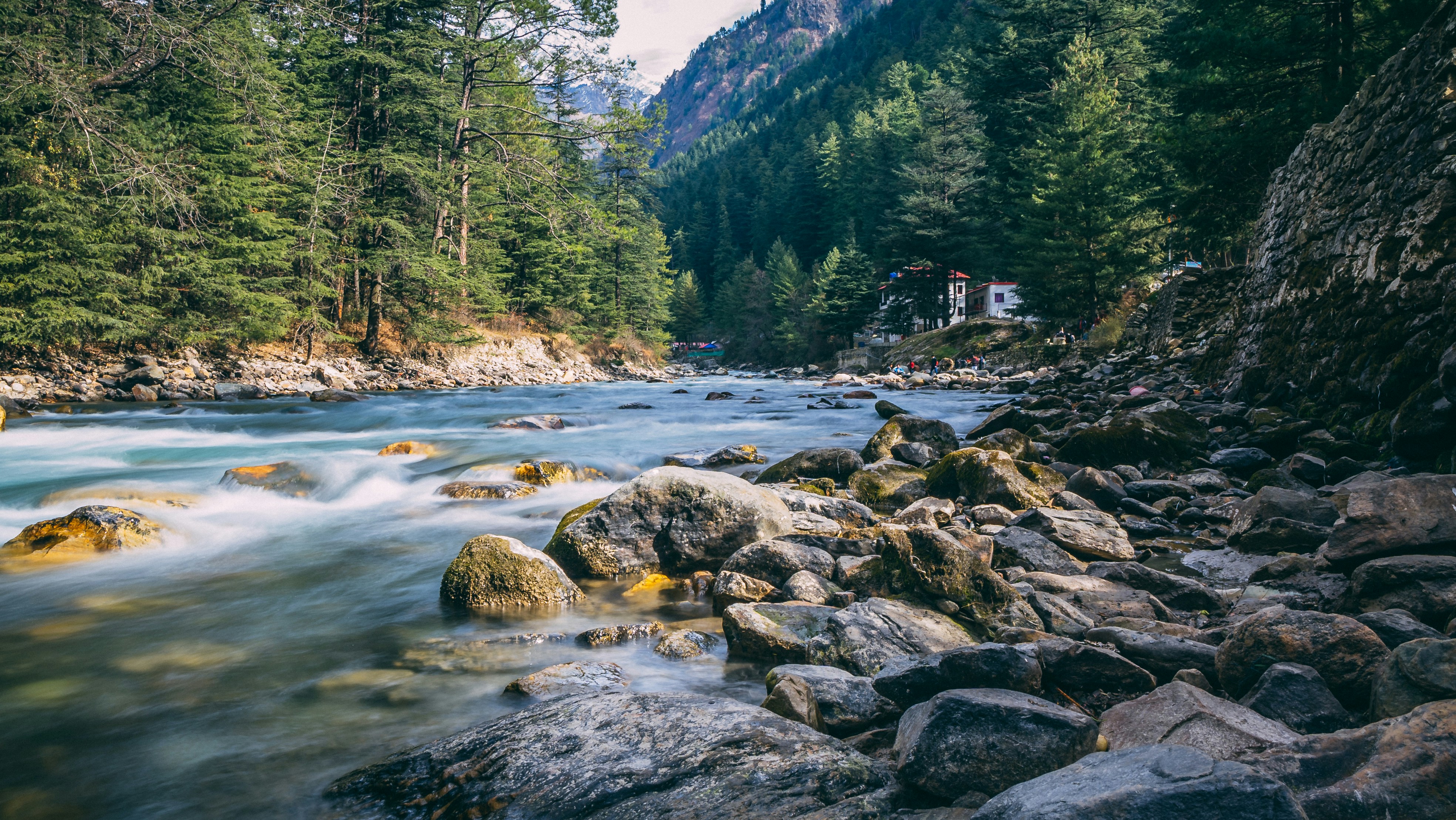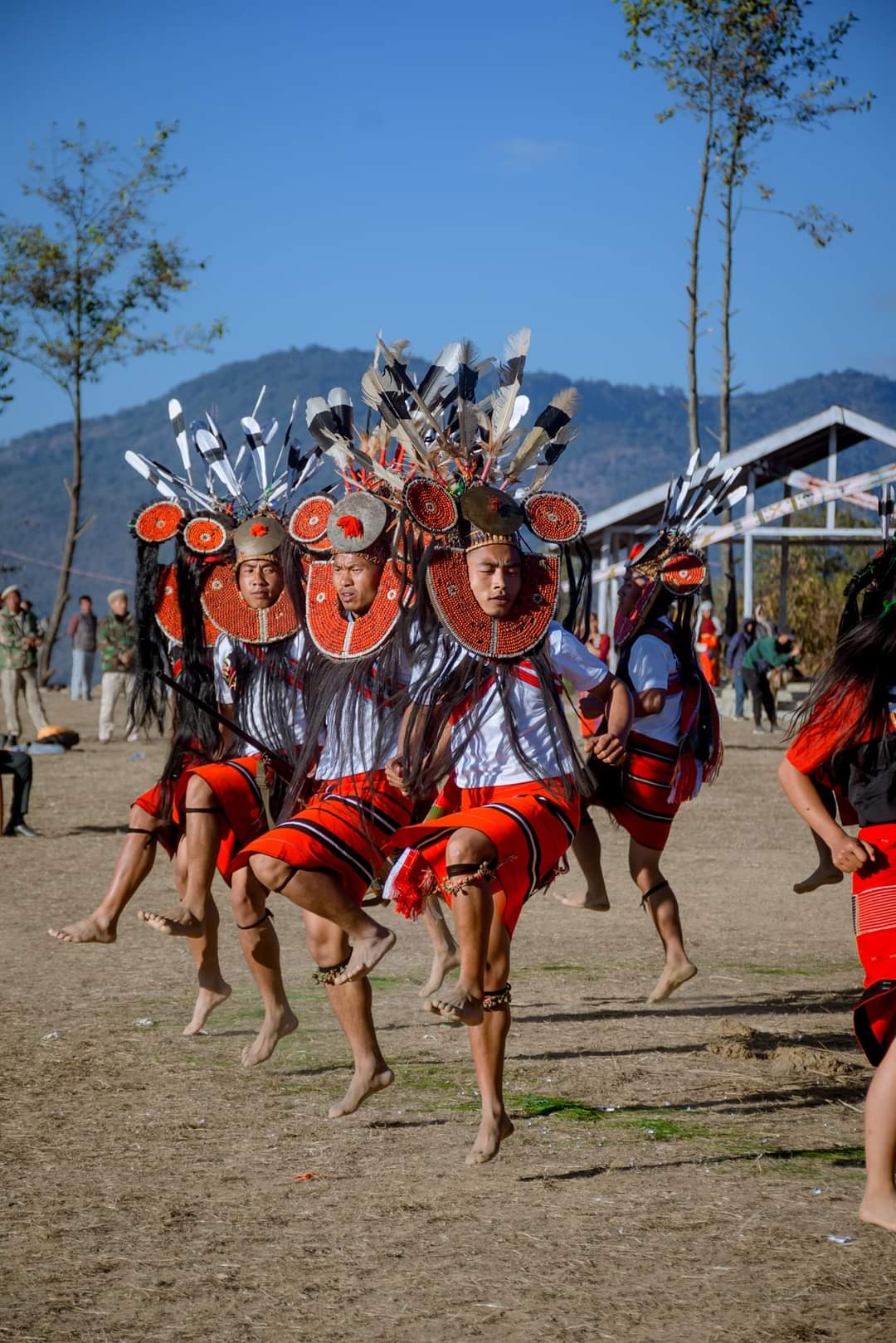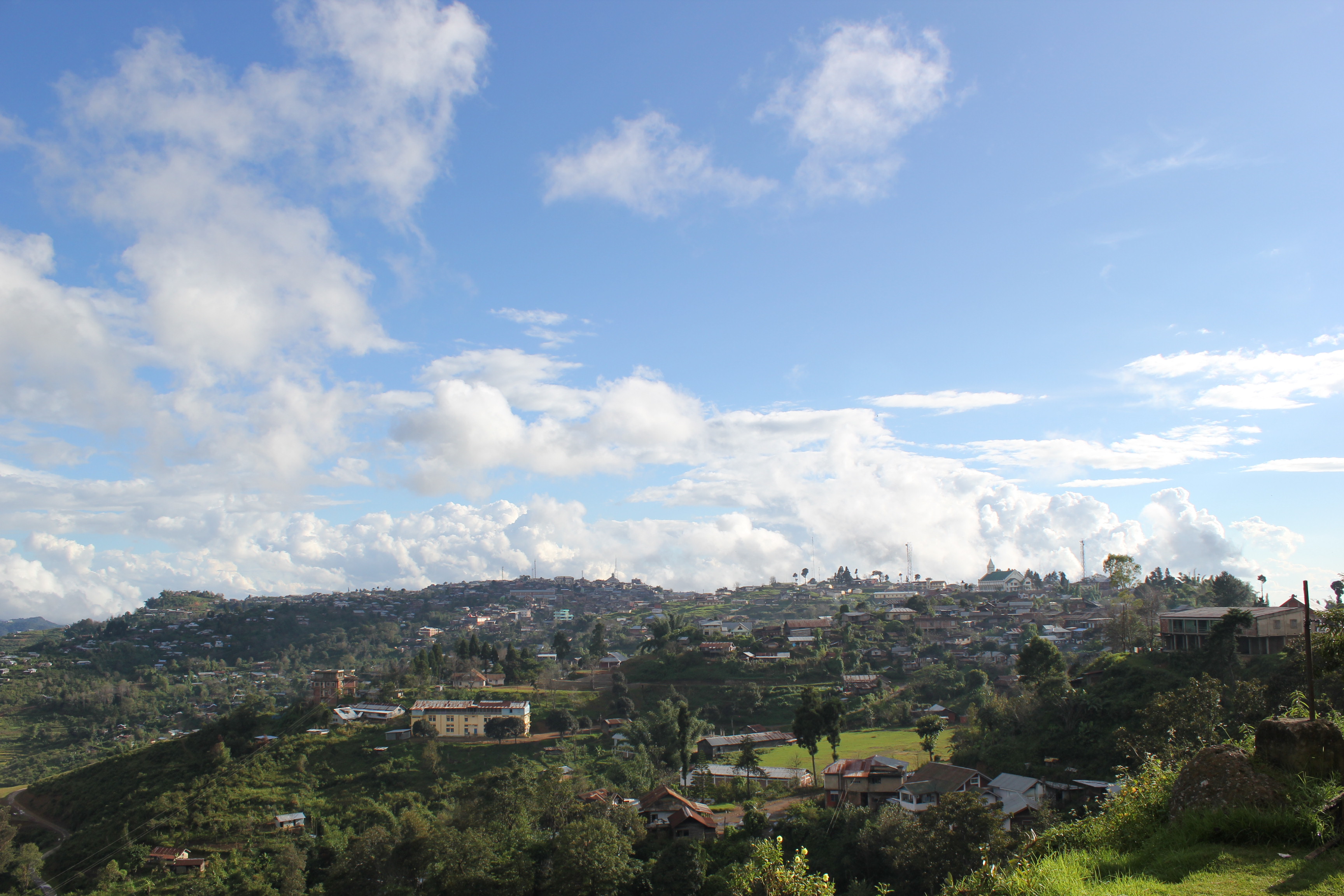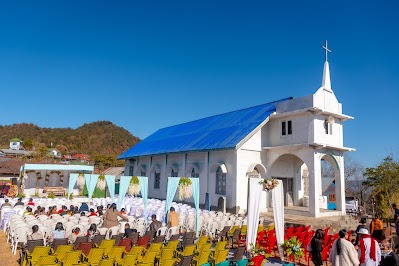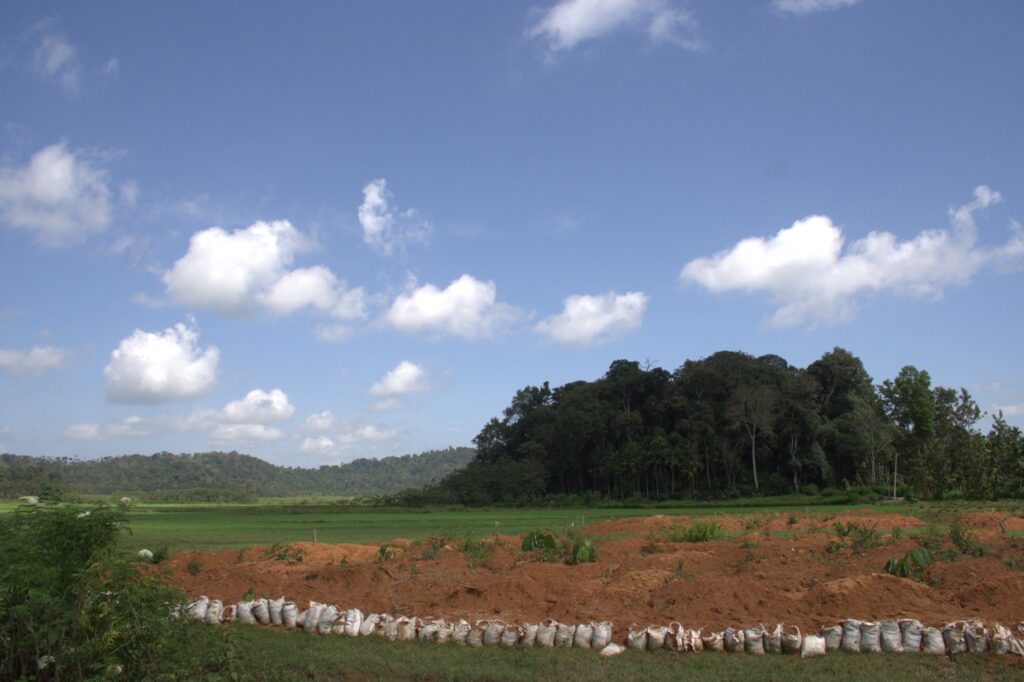
Image Source: Anand Osuri (Image For representation purpose not actual Image)
About Phungyo Sacred Grove
The Phungyo Sacred Grove, located in the Ukhrul district of Manipur, is a revered patch of ancient forest deeply embedded in the spiritual and cultural life of the Tangkhul Naga tribe. Considered a divine sanctuary, it is protected by strict customary laws that prohibit deforestation, hunting, or any form of ecological disturbance.
The grove serves not only as a biodiversity hotspot but also as a sacred site where traditional rituals, offerings, and seasonal festivals are performed to honor deities and ancestral spirits. Its preservation is a striking example of how indigenous beliefs have long sustained environmental conservation.
Cultural and Ecological Significance
The grove holds immense cultural value as it is believed to be the dwelling place of protective spirits. According to Tangkhul oral traditions, the wellbeing of the community is intertwined with the health of the grove, making its protection a moral and spiritual duty. Ecologically, Phungyo Sacred Grove is home to rare medicinal plants, towering hardwood trees, orchids, and a variety of endemic bird species. It functions as a natural water reservoir, maintaining soil fertility and ensuring a stable microclimate for the surrounding villages.
Best Time to Visit
The best time to visit Phungyo Sacred Grove is from October to April, when the weather is cool and the surrounding landscapes are lush. This period also coincides with certain Tangkhul festivals, offering visitors a chance to witness traditional ceremonies linked to the grove.
How to Reach
Phungyo Sacred Grove is located near Ukhrul town, about 83 km from Imphal, the capital of Manipur.
By Air: The nearest airport is Imphal International Airport, well-connected to major Indian cities like Delhi, Kolkata, and Guwahati. From the airport, one can hire a taxi or take a shared cab to Ukhrul.
By Road: Ukhrul can be reached via NH150, with regular state transport and private buses operating from Imphal. The journey offers scenic views of rolling hills and terraced fields.
Local Access: From Ukhrul town, the grove can be accessed by local taxis or on foot, depending on its exact location in the village vicinity.
Nearby Attractions to Phungyo Sacred Grove
Phungyo Sacred Grove is a culturally significant forest area in the Ukhrul region of Manipur. Like many sacred groves across Manipur, it is protected through traditional beliefs and community practices that help preserve local biodiversity and indigenous heritage. Sacred groves in the state are considered sacred habitats associated with ancestral spirits and deities, making them important ecological and cultural landmarks.
Ukhrul Town
The headquarters of Ukhrul district is known for its vibrant Tangkhul Naga culture, local markets, handicrafts, and scenic viewpoints. It serves as the main gateway for exploring the surrounding villages and natural attractions.
Shirui Hills
One of Manipur’s most famous natural attractions, these hills are home to the rare Shirui Lily and offer spectacular trekking opportunities and panoramic views.
Longpi Village
A traditional Tangkhul village renowned for its distinctive black pottery made without a potter’s wheel. Visitors can observe artisans at work and purchase handcrafted items.
Nungbi Village
Known for its pottery traditions and beautiful hill scenery, Nungbi provides a glimpse into the rich cultural heritage of the Tangkhul community.
Phungcham Village
One of the oldest Tangkhul settlements in the region, Phungcham is famous for its folklore, traditional customs, and picturesque surroundings.
Khangkhui Cave
An ancient limestone cave system associated with local legends and archaeological significance, attracting adventure seekers and history enthusiasts alike.
FAQs
1. What is Phungyo Sacred Grove?
Phungyo Sacred Grove is a traditionally protected forest area in the Ukhrul region that holds spiritual, cultural, and ecological significance for local communities.
2. Why is the grove considered sacred?
Like other sacred groves in Manipur, it is associated with indigenous beliefs, ancestral spirits, and traditional practices that prohibit damage to the forest ecosystem.
3. What is the best time to visit?
The ideal time to visit is from October to April when the weather is cool, dry, and suitable for nature walks and sightseeing.
4. Can tourists visit the sacred grove?
Yes, visitors can explore the area respectfully. It is important to follow local customs and avoid disturbing the natural environment.
5. Are there any entry fees?
Generally, sacred groves in the region do not have formal entry fees, though local guidelines may vary depending on community regulations.
6. What makes the grove ecologically important?
Sacred groves act as biodiversity hotspots, protecting native plant species, medicinal herbs, birds, and wildlife that may have disappeared from surrounding areas.
7. Can visitors collect plants or forest products?
No. Traditional beliefs and conservation practices discourage removing plants, flowers, wood, or any natural materials from sacred groves.
8. Is photography allowed?
Photography is generally permitted, but visitors should respect local customs and seek permission when photographing cultural or religious sites.
9. How much time is needed to explore the grove?
Most visitors spend one to two hours exploring the grove and enjoying its peaceful natural surroundings.
10. Why should I visit Phungyo Sacred Grove?
The grove offers a unique combination of natural beauty, indigenous heritage, traditional conservation practices, and a chance to experience the spiritual relationship between local communities and nature.