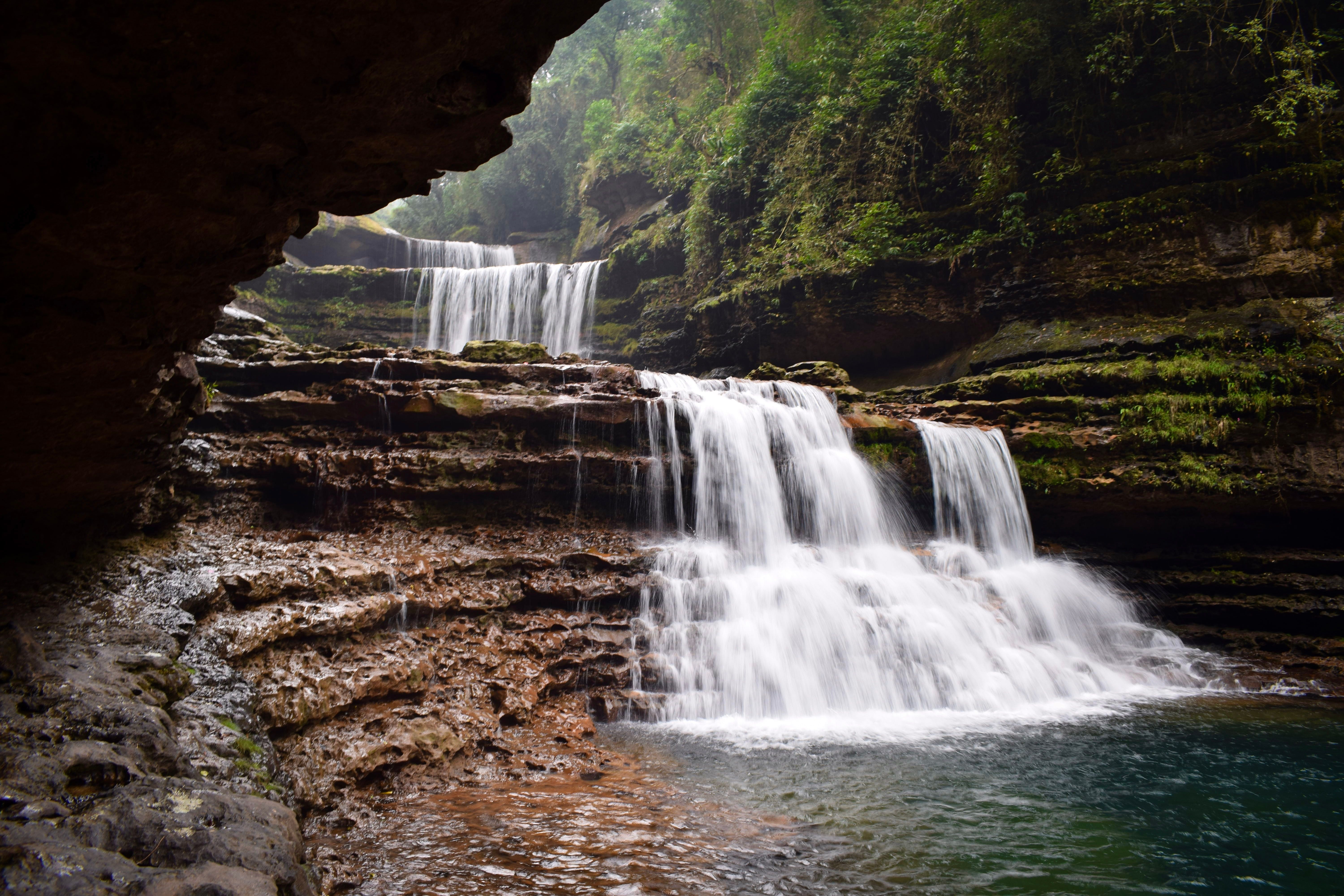
Image Source: Arindambasu2
About Nohsngithiang Falls
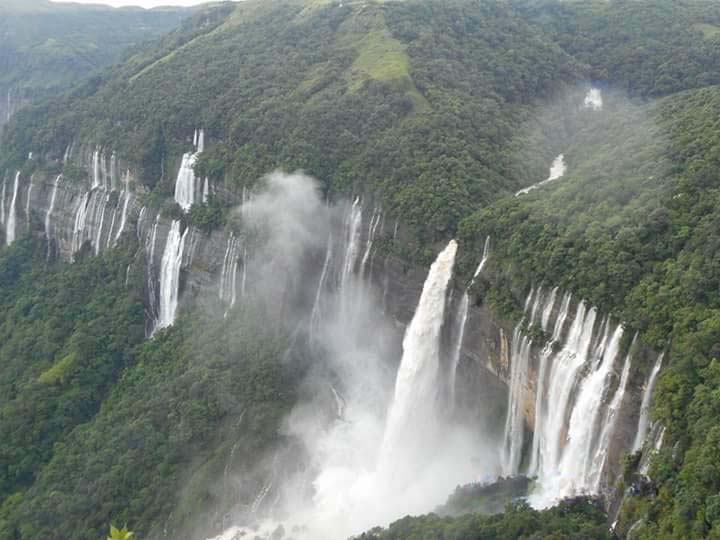
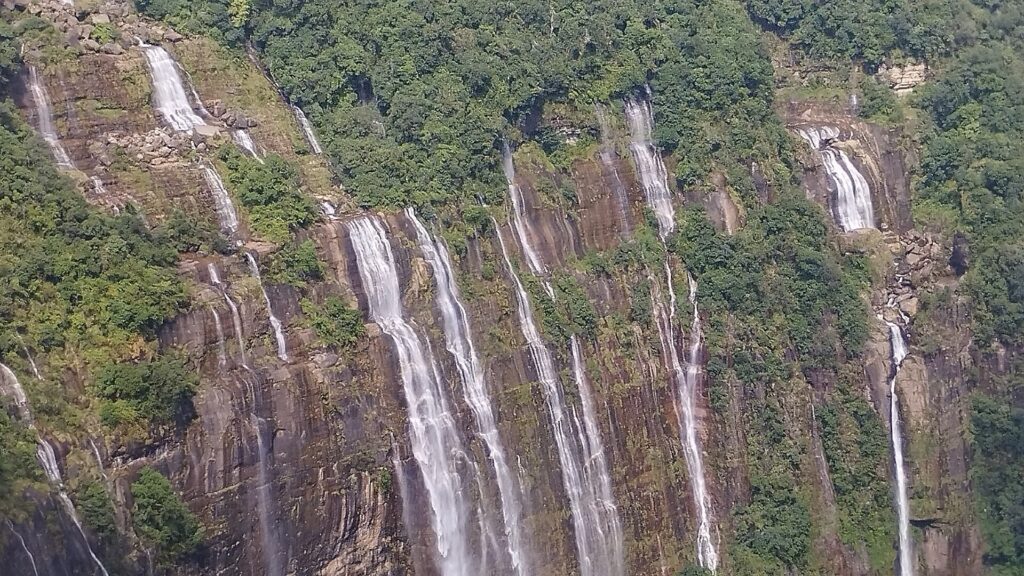
Nestled in the misty hills of Cherrapunji, Nohsngithiang Falls—better known as the Seven Sisters Falls—is one of the most breathtaking waterfalls in Northeast India. Located near Mawsmai, this magnificent waterfall is famous for its seven parallel streams that plunge dramatically from the cliffs of the Khasi Hills. The falls drop from a height of nearly 315 meters, making them among the tallest waterfalls in India.
The name “Seven Sisters Falls” comes from the seven distinct streams that flow side by side, symbolizing the seven northeastern states of India. During the monsoon season, the waterfall transforms into a roaring curtain of water, creating a spectacular sight against the lush green landscape. In winter, when the water flow reduces, the rocky limestone cliffs become more visible, revealing the geological beauty of the region.
The Mesmerizing Beauty of the Falls
What makes Nohsngithiang Falls truly special is not just its height, but its unique segmented appearance. The seven streams flow independently before merging into the deep gorge below, creating a picture-perfect landscape that attracts photographers, nature lovers, and travelers from around the world.
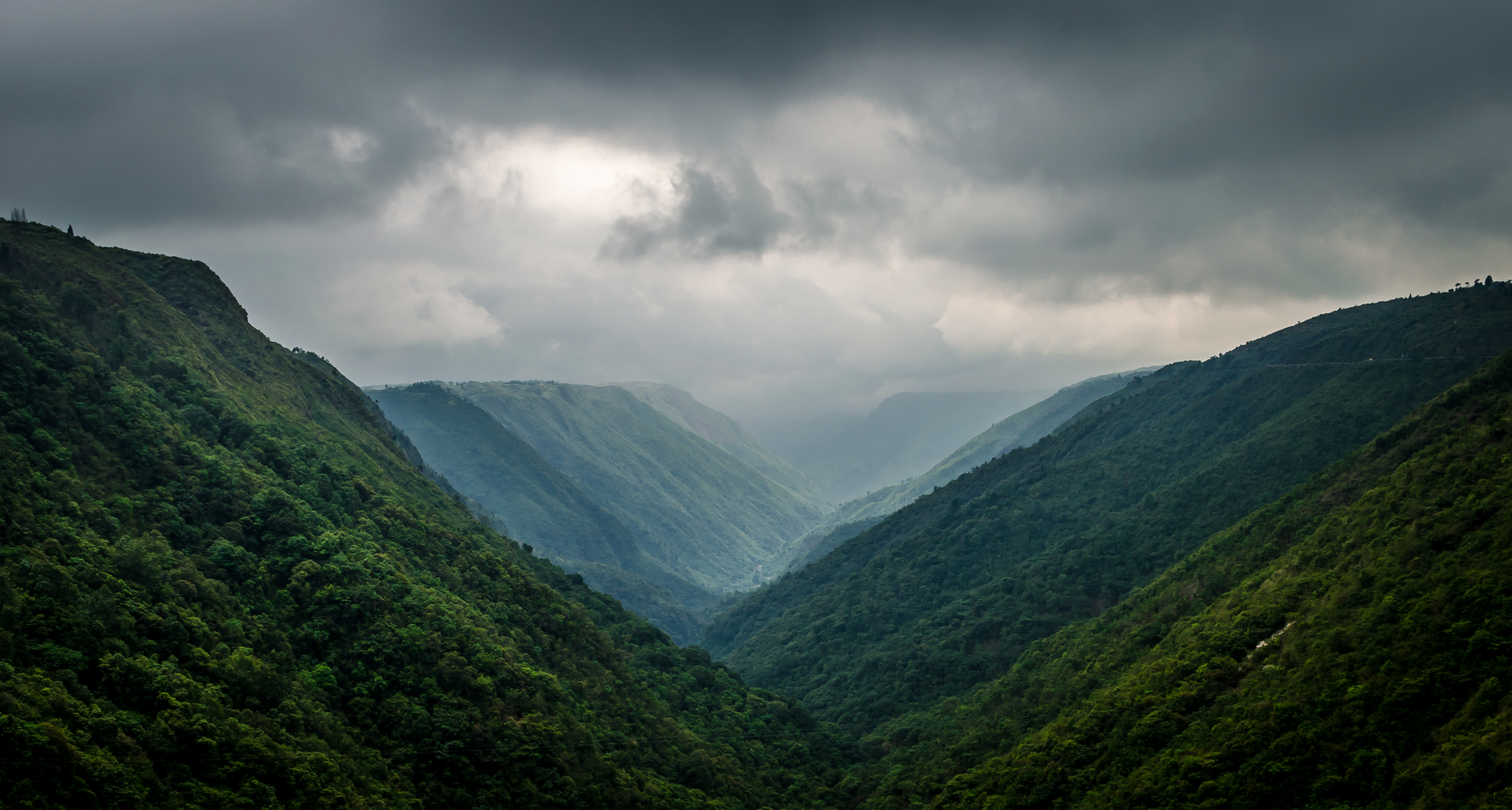
The surrounding Khasi Hills are often covered in drifting clouds and mist, giving the waterfall an almost mystical atmosphere. During sunset, the golden rays of the sun reflect on the cascading water, creating a magical glow across the cliffs. On clear days, the distant plains of Bangladesh can also be seen from nearby viewpoints, adding to the scenic charm of the area.
The falls are especially impressive during Meghalaya’s rainy season, usually between June and September, when Cherrapunji receives some of the heaviest rainfall in the world. The sound of the crashing water, the cool mountain breeze, and the constantly shifting clouds make the experience unforgettable.
Cultural and Regional Importance
For the local Khasi community, Nohsngithiang Falls is more than just a tourist attraction. The waterfall is often seen as a symbol of unity and harmony among the seven northeastern states. Its connection with the identity of Northeast India has made it one of Meghalaya’s most iconic natural landmarks.
The region around the falls also reflects the rich cultural traditions of the Khasi people, known for their warm hospitality, traditional music, and deep connection with nature. Visitors traveling through Sohra often get a glimpse of local villages, traditional homes, and vibrant local markets along the route.
Things to Do Near Nohsngithiang Falls
Although tourists cannot trek directly to the base of the waterfall, the designated viewpoints near Mawsmai village offer panoramic views of the entire valley. The viewpoints are ideal for photography, especially during sunrise and sunset when the lighting enhances the beauty of the falls.
Travelers often combine their visit with nearby attractions in Sohra. Some of the most popular places include:
- Mawsmai Cave – A fascinating limestone cave known for its narrow passages and natural rock formations.
- Eco Park – A beautifully maintained park offering stunning views of the waterfalls and surrounding valleys.
- Thangkharang Park – Famous for its scenic viewpoints overlooking the Bangladesh plains.
- Nohkalikai Falls – Another iconic waterfall in Meghalaya, known for its incredible height and tragic local legend.
- Double Decker Living Root Bridge – A remarkable example of bioengineering created by the Khasi tribes using living tree roots.
The area around the falls is also excellent for birdwatching. The forests of the Eastern Himalayan region are home to many rare bird species, butterflies, and unique plant life.
Best Time to Visit
The ideal time to visit Nohsngithiang Falls depends on the kind of experience you want.
- Monsoon Season (June to September): Best for witnessing the falls in their full power. The streams become massive and thunderous, though visibility may sometimes be affected by heavy mist and rain.
- Post-Monsoon (October to November): Offers lush greenery, pleasant weather, and clearer views for photography.
- Winter (December to February): The water flow reduces, but the skies are clearer and the cliffs become more visible.
Travelers should carry rain gear regardless of the season, as weather in Cherrapunji can change suddenly.
How to Reach Nohsngithiang Falls
By Road
Nohsngithiang Falls is located about 4 km from Cherrapunji town and is easily accessible by road. Local taxis, shared cabs, and private vehicles are readily available from the Sohra market area. The roads leading to the falls are scenic and pass through rolling hills, deep valleys, and several smaller waterfalls.
From Shillong
The falls are approximately 58 km from Shillong. The drive usually takes around two hours via the Shillong–Sohra Road. The route itself is considered one of the most beautiful road journeys in Meghalaya, with numerous viewpoints and waterfalls along the way.
Nearest Airport and Railway Station
The nearest airport is Shillong Airport, located about 90 km away. However, most travelers prefer arriving via Guwahati, which has better air and rail connectivity. The nearest major railway station is in Guwahati, around 150 km from Shillong. From there, taxis and buses are available to reach Sohra.
Nearby Attractions
1. Mawsmai Cave
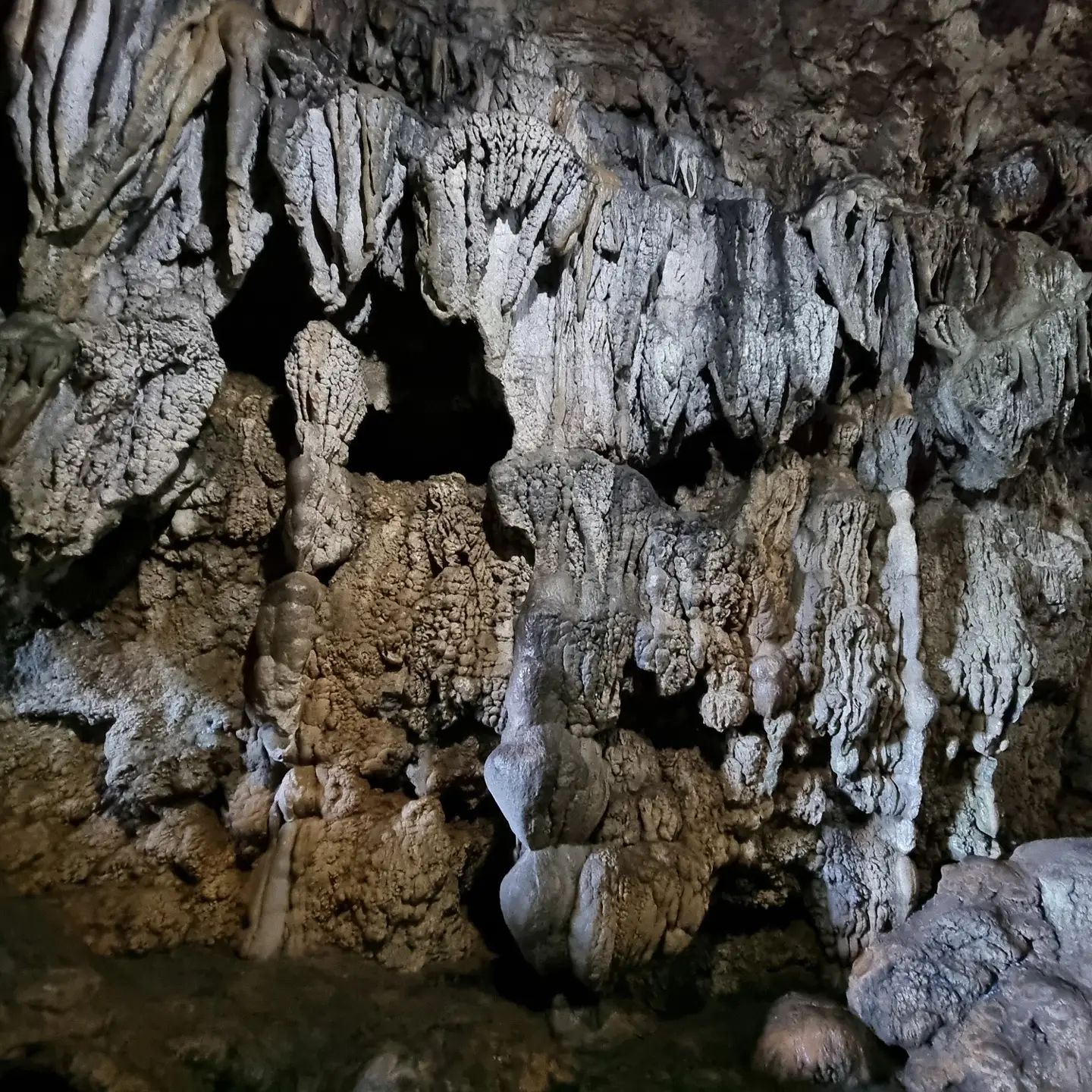
One of Meghalaya’s most popular limestone caves, Mawsmai Cave features fascinating rock formations, narrow passages, and naturally illuminated chambers. It is an excellent destination for families and first-time cave explorers.
2. Nohkalikai Falls
Located a short distance from Nohsngithiang Falls, Nohkalikai Falls is India’s tallest plunge waterfall. The spectacular drop into a turquoise pool makes it one of the most visited attractions in Cherrapunji.
3. Eco Park
Maintained by the Meghalaya Government, Eco Park offers beautifully landscaped gardens and panoramic views of the surrounding valleys, waterfalls, and the plains of Bangladesh.
4. Arwah Cave
Known for its limestone formations and ancient marine fossils, Arwah Cave provides a unique blend of adventure and geological significance.
5. Dainthlen Falls
This scenic waterfall is associated with Khasi folklore and offers stunning views, especially during the monsoon season. The surrounding landscape is perfect for photography.
6. Mawmluh Cave
One of the longest caves in India, Mawmluh Cave is famous for its underground chambers, limestone formations, and geological importance.
7. Wei Sawdong Falls
A hidden natural wonder near Cherrapunji, Wei Sawdong Falls is known for its crystal-clear water and beautiful three-tiered cascades.
8. Thangkharang Park
Situated near the India–Bangladesh border, this park offers breathtaking views of valleys, limestone formations, and distant plains. It is particularly popular during sunset.
9. Double Decker Living Root Bridge
Located in Nongriat village, this world-famous natural bridge is formed from living tree roots and showcases the ingenuity of the Khasi people.
10. Kynrem Falls
One of the tallest waterfalls in Meghalaya, Kynrem Falls is located within Thangkharang Park and offers spectacular views during the monsoon months
Travel Tips for Visitors
- Carry waterproof clothing and sturdy shoes, especially during the monsoon.
- Early mornings and evenings are the best times for photography.
- Weather conditions can change rapidly, so keep warm clothing handy.
- Mobile connectivity may be inconsistent in some areas around Sohra.
- Respect local customs and avoid littering, as the region is ecologically sensitive.
Google Maps
FAQs
1. Where is Nohsngithiang Falls located?
Nohsngithiang Falls, popularly known as Seven Sisters Falls, is located near Cherrapunji (Sohra) in the East Khasi Hills district of Meghalaya.
2. Why is it called Seven Sisters Falls?
The waterfall consists of seven separate streams cascading down a limestone cliff side by side, symbolizing the seven states of Northeast India.
3. What is the height of Nohsngithiang Falls?
The falls plunge from a height of approximately 315 meters (1,033 feet), making them among the tallest waterfalls in India.
4. What is the best time to visit Nohsngithiang Falls?
The monsoon season, from June to September, is the best time to witness the falls in their full glory, as all seven streams flow vigorously.
5. Is there an entry fee to visit the falls?
The waterfall can usually be viewed from designated viewpoints, though entry fees for nearby parks or viewing areas may vary.
6. How far is Nohsngithiang Falls from Shillong?
The falls are located about 55 km from Shillong and can be reached by road in approximately 2 hours.
7. Is photography allowed at the falls?
Yes, photography is permitted and highly popular due to the dramatic scenery and panoramic valley views.
8. Can visitors trek to the base of the falls?
There is no well-developed trekking route to the base for regular tourists. Most visitors enjoy the falls from nearby viewpoints.
9. Which nearby attractions can be combined with a visit to Seven Sisters Falls?
Popular combinations include Nohkalikai Falls, Mawsmai Cave, Arwah Cave, Eco Park, Dainthlen Falls, and Wei Sawdong Falls.
10. Why is Nohsngithiang Falls considered one of Meghalaya’s top attractions?
Its immense height, unique seven-stream formation, stunning location amid the Khasi Hills, and spectacular monsoon views make it one of the most iconic natural landmarks in Meghalaya.