Image Source: Mishmi
About Shillong Peak
Perched at an altitude of around 1,965 meters above sea level, Shillong Peak is the highest point in the beautiful hill state of Meghalaya. Located just outside the heart of Shillong, this scenic viewpoint offers a spectacular panorama of the city, the rolling Khasi Hills, dense forests, and, on exceptionally clear days, even the distant plains of Bangladesh. For anyone visiting Shillong, a trip to this peak feels almost essential because it captures the true charm of the region in one sweeping view.
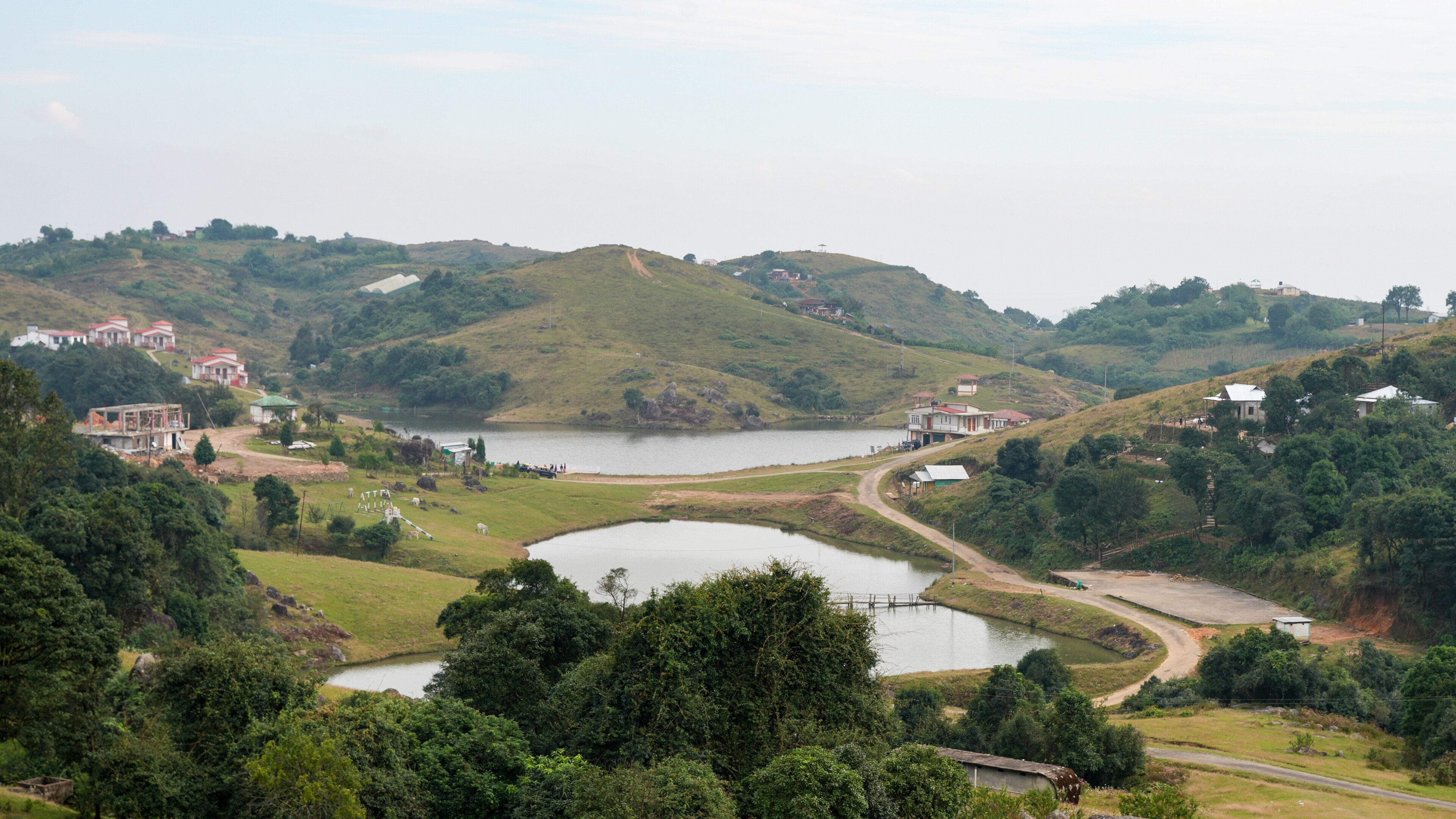
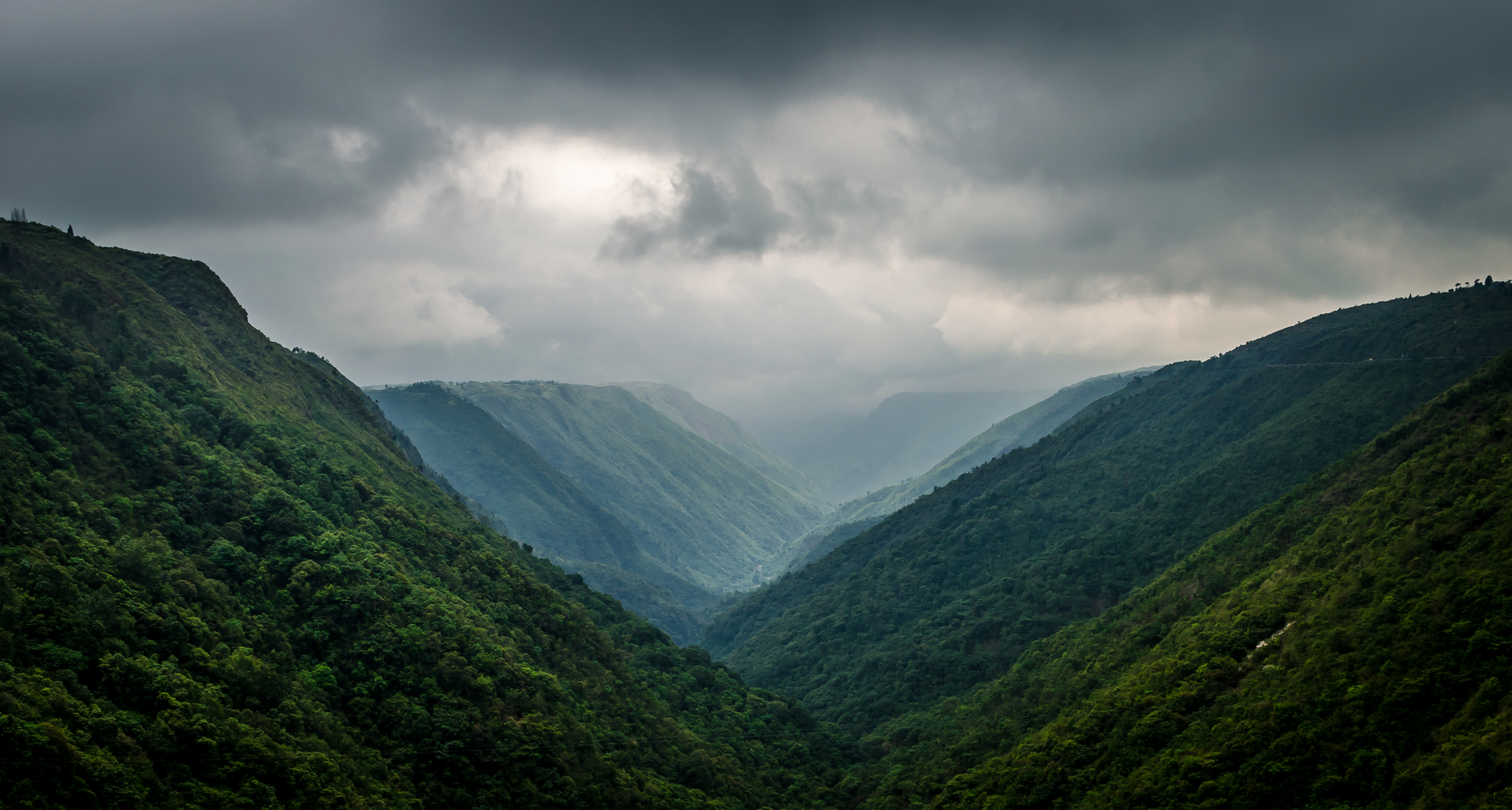
Shillong is often called the “Scotland of the East,” and the view from the peak explains why. Layers of green hills stretch endlessly into the horizon, clouds drift lazily across valleys, and cool mountain air creates a peaceful atmosphere that feels far removed from busy city life. During the monsoon season, the landscape becomes especially magical as mist wraps around the hills and pine forests glisten after rainfall.
The peak is not only famous for its natural beauty but also for its cultural importance. The local Khasi community considers Shillong Peak a sacred place. According to traditional beliefs, a protective deity resides here and watches over the people of Shillong. Even today, local rituals and ceremonies are occasionally performed in the area, preserving a spiritual connection between nature and the indigenous Khasi culture.
Scenic Beauty and Attractions
Shillong Peak is a paradise for nature lovers, photographers, and travelers seeking peaceful surroundings. The viewpoint offers breathtaking aerial views of Shillong city, with its colorful rooftops, winding roads, churches, and pine-covered slopes. Early mornings are particularly beautiful when the hills are covered in soft mist and sunlight slowly breaks through the clouds.
A telescope viewing facility is available for visitors who want a closer look at the surrounding landscape. From here, you can spot nearby valleys, forest patches, waterfalls, and distant mountain ridges. Sunset is another special time to visit because the sky often turns shades of orange and pink while the city below slowly lights up.
At night, Shillong transforms into a sparkling blanket of lights. Watching the illuminated city from the peak creates a calm and memorable experience, especially during winter when the skies are clearer.
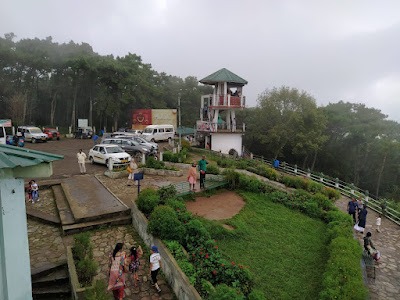
The area around the peak is lined with pine trees and narrow hill roads, making the journey itself scenic and enjoyable. Small tea stalls and local vendors near the viewpoint often sell snacks, tea, and traditional Khasi food items to visitors.
Trekking and Outdoor Experience
Shillong Peak is also popular among trekking enthusiasts and adventure seekers. While most tourists prefer driving to the top, several walking trails around the area allow travelers to experience Meghalaya’s natural beauty more closely. The short trek through pine forests, fresh mountain air, and occasional village paths makes for a refreshing outdoor activity.
Birdwatchers may also enjoy the region, as the forests around Shillong are home to various Himalayan and northeastern bird species. During the rainy season, the surrounding vegetation becomes lush and vibrant, adding to the beauty of the trek.
Cultural Importance of Shillong Peak
For the Khasi people, Shillong Peak holds deep spiritual significance. Local folklore says that “Lei Shyllong,” the guardian deity of the region, resides here. Many Khasi traditions and stories are connected to the hill, and elders often speak of the peak as a symbol of protection and identity for the community.
This cultural connection gives Shillong Peak a unique atmosphere that blends spirituality with nature. Unlike many commercial tourist spots, the peak still retains a sense of calm and sacredness that visitors can feel while exploring the area.
Best Time to Visit
Shillong Peak can be visited throughout the year, but the ideal time is between October and April when the weather is pleasant and the skies are usually clear. Winter mornings offer stunning visibility, while summer provides cool temperatures compared to the plains.
The monsoon season from June to September turns the hills incredibly green, though heavy rain and fog may sometimes reduce visibility. Travelers visiting during this season should carry rain gear and warm clothing.
Local Tips for Travelers
- Carry a light jacket because temperatures at the peak are usually cooler than Shillong city.
- Early morning and evening visits offer the best views and photography opportunities.
- Since the peak falls within an Indian Air Force area, visitors may need to show valid ID at security checkpoints.
- Try local Khasi snacks and tea sold by roadside vendors near the viewpoint.
- Combine your visit with nearby attractions like Elephant Falls, Ward’s Lake, and Shillong Golf Course for a full-day sightseeing trip.
How to Reach Shillong Peak
Shillong Peak is located around 10 kilometers from the main city center of Shillong and is easily accessible by road.
By Road
Taxis and shared cabs are widely available from different parts of Shillong. The drive to the peak takes around 30 to 40 minutes depending on traffic and weather conditions. The route passes through scenic hill roads and pine forests, making the journey enjoyable.
By Trekking
Adventure lovers can choose to trek to Shillong Peak through forested trails and village routes. The trek is relatively short and suitable for beginners who enjoy nature walks and mountain scenery.
Nearest Airport
The nearest airport is Shillong Airport at Umroi, located about 35 kilometers away. However, most travelers prefer flying to Lokpriya Gopinath Bordoloi Airport in Guwahati, around 125 kilometers from Shillong, because it has better connectivity with major Indian cities.
Nearest Railway Station
The nearest major railway station is Guwahati Railway Station, approximately 105 kilometers away. From Guwahati, travelers can hire taxis or take shared cabs and buses to Shillong.
Google Maps
FAQs
1. Why is Shillong Peak famous?
Shillong Peak is famous for offering panoramic views of Shillong city, the Khasi Hills, and distant Bangladesh plains. It is also known for its spiritual importance in Khasi culture.
2. Is there an entry fee for Shillong Peak?
Yes, a small entry fee is usually charged for visitors. Charges may vary for cameras and parking facilities.
3. Can tourists visit Shillong Peak at night?
Yes, tourists can visit during evening hours, and the night view of Shillong city lights is particularly beautiful. However, visiting hours may be regulated due to security restrictions.
4. Is Shillong Peak suitable for trekking?
Yes, the area around Shillong Peak offers short and scenic trekking routes through pine forests and hilly terrain, making it ideal for beginner trekkers.
5. What are the nearby attractions around Shillong Peak?
Popular nearby attractions include Elephant Falls, Ward’s Lake, Don Bosco Museum, Shillong Golf Course, and Police Bazaar.