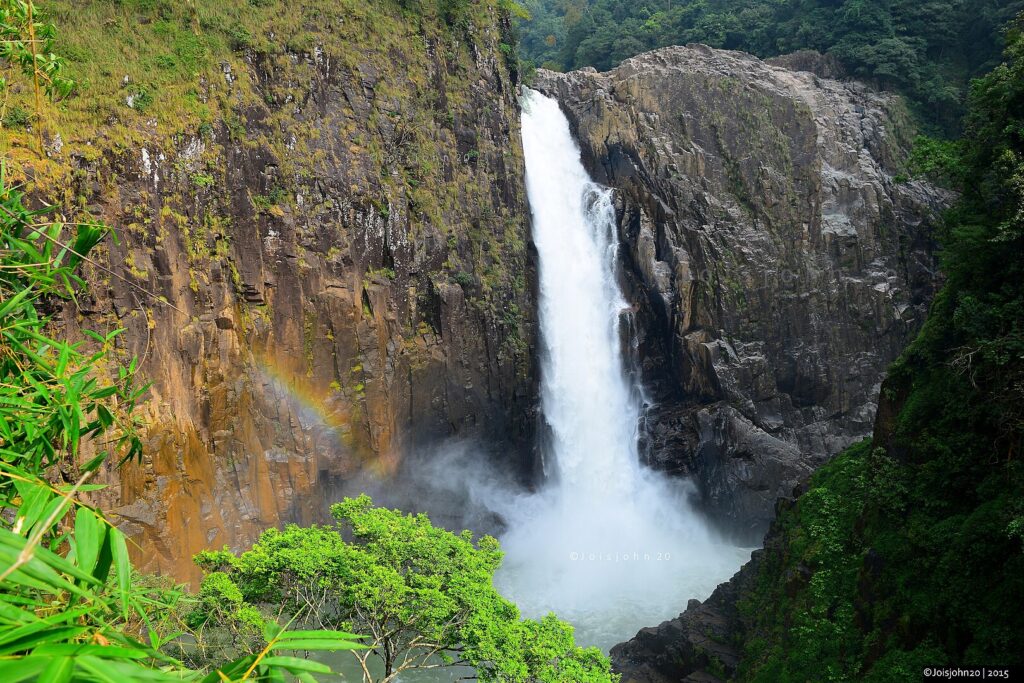
Image Source: Joist John L Nonglait
About Langshiang
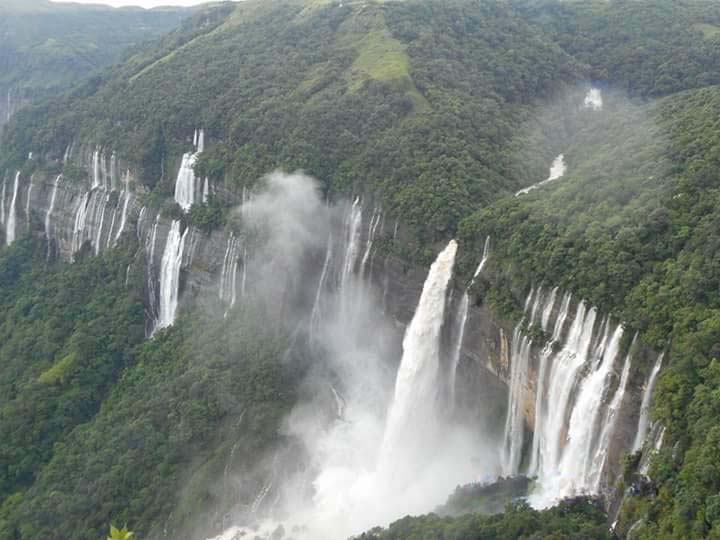
Langshiang Viewpoint, located in the West Khasi Hills of Meghalaya, offers one of the most breathtaking panoramic views of the region. From this vantage point, visitors can admire the vast valleys, rolling hills, and the stunning Langshiang Falls—often referred to as one of the tallest waterfalls in India.
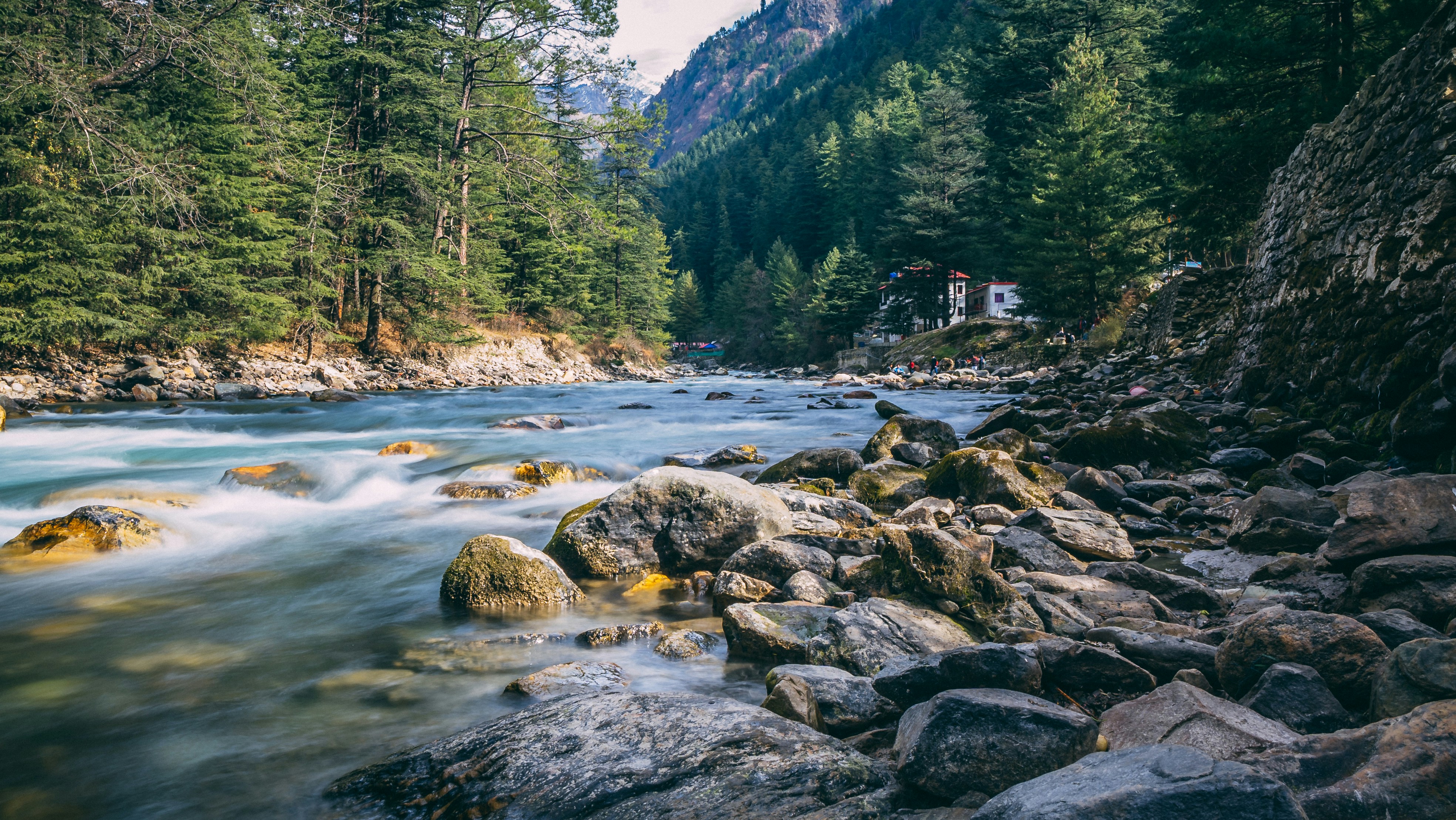
The viewpoint also provides glimpses of the confluence of the Kynshi River, which meanders through the landscape before plunging down into the gorge to form the mighty falls. It is a destination where nature’s raw grandeur meets absolute serenity, making it a hidden jewel for explorers.
Experience
Standing at Langshiang Viewpoint, travelers are greeted with sweeping vistas of emerald-green forests, river bends, and distant mist-covered mountains. The sight of the Kynshi River carving its path through deep gorges is mesmerizing, especially during the monsoon season when the water flows in full force.
The experience is both refreshing and humbling, offering a deep sense of connection with nature. It is an ideal spot for landscape photography, quiet reflection, and enjoying the cool mountain breeze. On clear days, the horizon reveals the layered beauty of Meghalaya’s hill ranges, making it one of the most rewarding stops for travelers in the region.
Best Time to Visit
The best time to visit Langshiang Viewpoint is between October and April, when the skies are clear, and the surrounding landscape appears vibrant under the sun.
For those who wish to see Langshiang Falls in its roaring glory, the monsoon months (June to September) are ideal, though the trails may be slippery.
How to Reach
Langshiang Viewpoint is located near Nongkhnum Island, about 105 km from Shillong and 24 km from Nongstoin, the district headquarters of West Khasi Hills. Travelers can hire a cab or drive via the Shillong–Nongstoin road to reach Nongkhnum, from where the viewpoint is easily accessible.
A short walk from the road leads to the scenic spot, making it a convenient yet rewarding stop for those exploring Meghalaya’s lesser-known landscapes.
Nearby Attractions to Langshiang Falls
- Kynshi River – A beautiful river known for its crystal-clear waters, boating opportunities, and scenic surroundings.
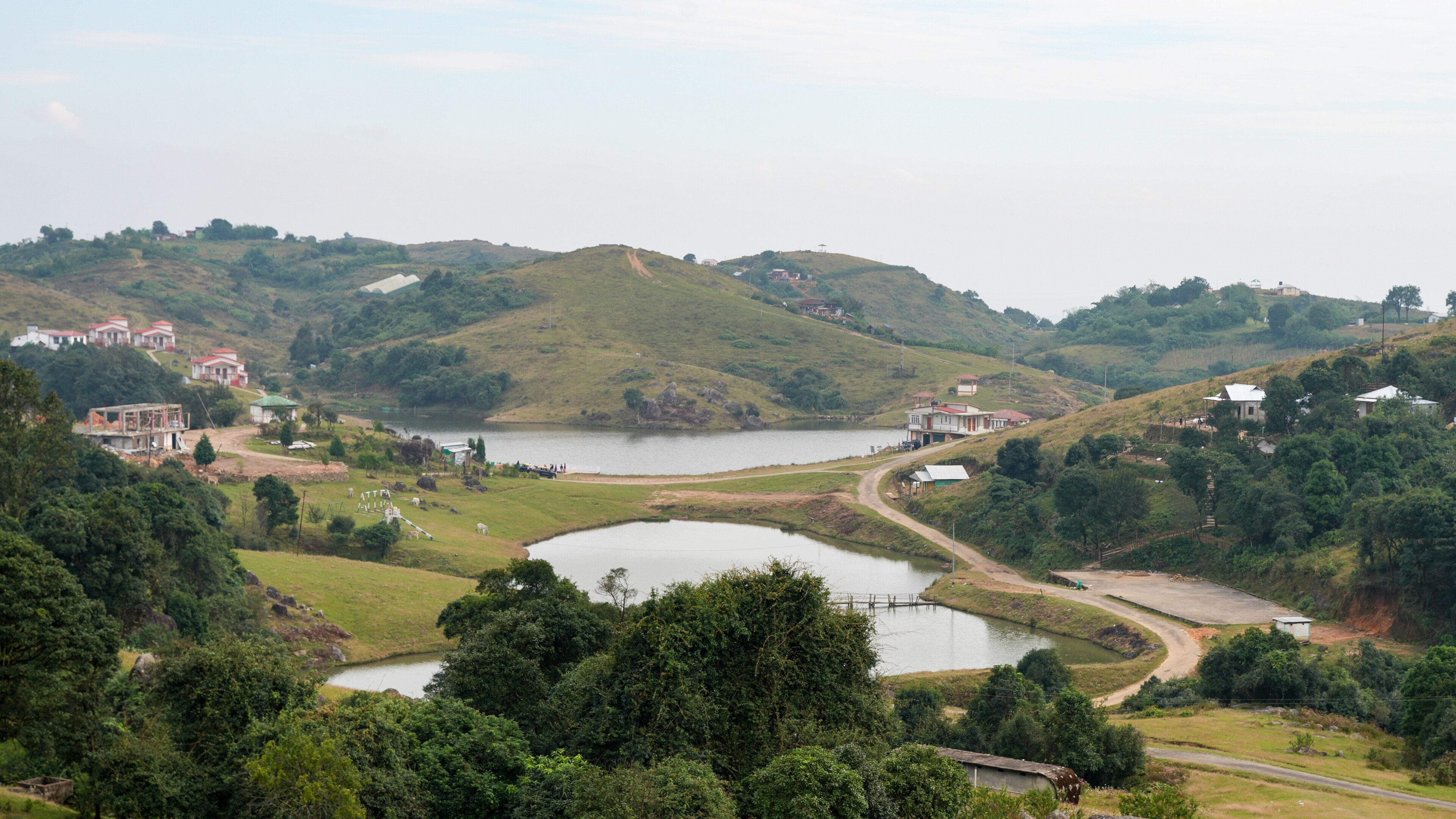
- Mawphanlur Village – A charming hill village famous for its picturesque lakes, green meadows, and peaceful atmosphere.
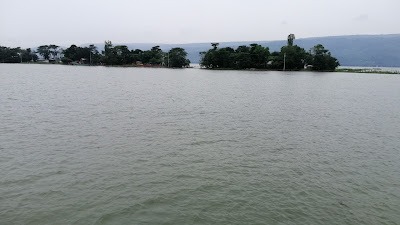
- Nongkhnum Island – One of the largest river islands in Meghalaya, offering sandy riverbanks, waterfalls, and stunning natural scenery.
- Mawthadraishan Peak – A popular viewpoint that provides panoramic views of the Khasi Hills and surrounding valleys.
- Weiloi Waterfalls – A serene waterfall nestled amid lush forests, ideal for nature lovers and photographers.
- Shadthum Falls – A lesser-known waterfall surrounded by greenery, perfect for a quiet getaway.
- Mawlynnong Village – Renowned for its cleanliness, beautiful gardens, and traditional Khasi culture.
- Living Root Bridges – Unique natural bridges created from the roots of rubber trees, showcasing the ingenuity of the Khasi people.
- Nohsngithiang Falls (Seven Sisters Falls) – One of Meghalaya’s most spectacular waterfalls, especially during the monsoon season.
- Mawsmai Cave – A fascinating limestone cave featuring impressive rock formations and easy accessibility for visitors.
Google Maps
FAQs
1. Where is Langshiang Falls located?
Langshiang Falls is located near Sangriang village in the West Khasi Hills district of Meghalaya.
2. Why is Langshiang Falls famous?
It is known for being one of the tallest waterfalls in Meghalaya and for its breathtaking views of the surrounding valleys and forests.
3. What is the best time to visit Langshiang Falls?
The best time to visit is from October to April when the weather is pleasant and the views are clear. The monsoon season offers a more powerful waterfall.
4. Is there an entry fee for Langshiang Falls?
Generally, there is no major entry fee, though local charges may vary over time.
5. How can I reach Langshiang Falls?
Visitors can travel by road from Shillong to the West Khasi Hills region and then continue to the viewpoint near Sangriang village.
6. Is trekking required to visit the falls?
A short walk is usually required from the parking area to the viewpoint, but no difficult trekking is needed.
7. Can visitors swim at Langshiang Falls?
Swimming is not recommended due to the height of the falls and strong water currents.
8. Is Langshiang Falls suitable for families?
Yes, the viewpoint is suitable for families, nature lovers, and photographers.
9. Are food and accommodation available nearby?
Basic food stalls may be available in nearby villages, while accommodation options can be found in Nongstoin and surrounding areas.
10. What should visitors carry?
Carry drinking water, comfortable walking shoes, a camera, weather-appropriate clothing, and any essential personal items.