Image Source: Dr. sushma chauhan
About Akbar’s Palace and Museum
Located in the heart of Ajmer, Akbar’s Palace and Museum is one of the city’s most fascinating historical landmarks. Built in 1570 AD by the Mughal Emperor Akbar, this magnificent structure offers visitors a glimpse into Rajasthan’s rich past and the grandeur of the Mughal era. The palace is conveniently situated close to the city’s major attractions, lying just a short distance from Ajmer Junction Railway Station and about 1.5 kilometers from the famous Ajmer Sharif Dargah.
Today, the palace serves as a museum and attracts history enthusiasts, architecture lovers, and travelers eager to explore Ajmer’s cultural heritage.
Architectural Grandeur
Akbar’s Palace was originally constructed as a royal residence where Emperor Akbar would stay during his visits to Ajmer, particularly while undertaking pilgrimages to the revered Ajmer Sharif Dargah. The fort-like structure was designed with security in mind and is surrounded by massive stone walls that once made it virtually impregnable.
The palace features sturdy double-storeyed bastions, elegant corridors, and rows of stone columns that reflect the architectural style of the Mughal period. At its center stands a prominent turret connected to several chambers and halls that once accommodated members of the royal court. Even today, visitors can admire the palace’s robust design and historical ambiance.
The site also holds immense historical significance. It was here that Emperor Jahangir famously met Sir Thomas Roe, the ambassador of the British East India Company, an event that played an important role in shaping future relations between the Mughal Empire and the British.
Museum Collections
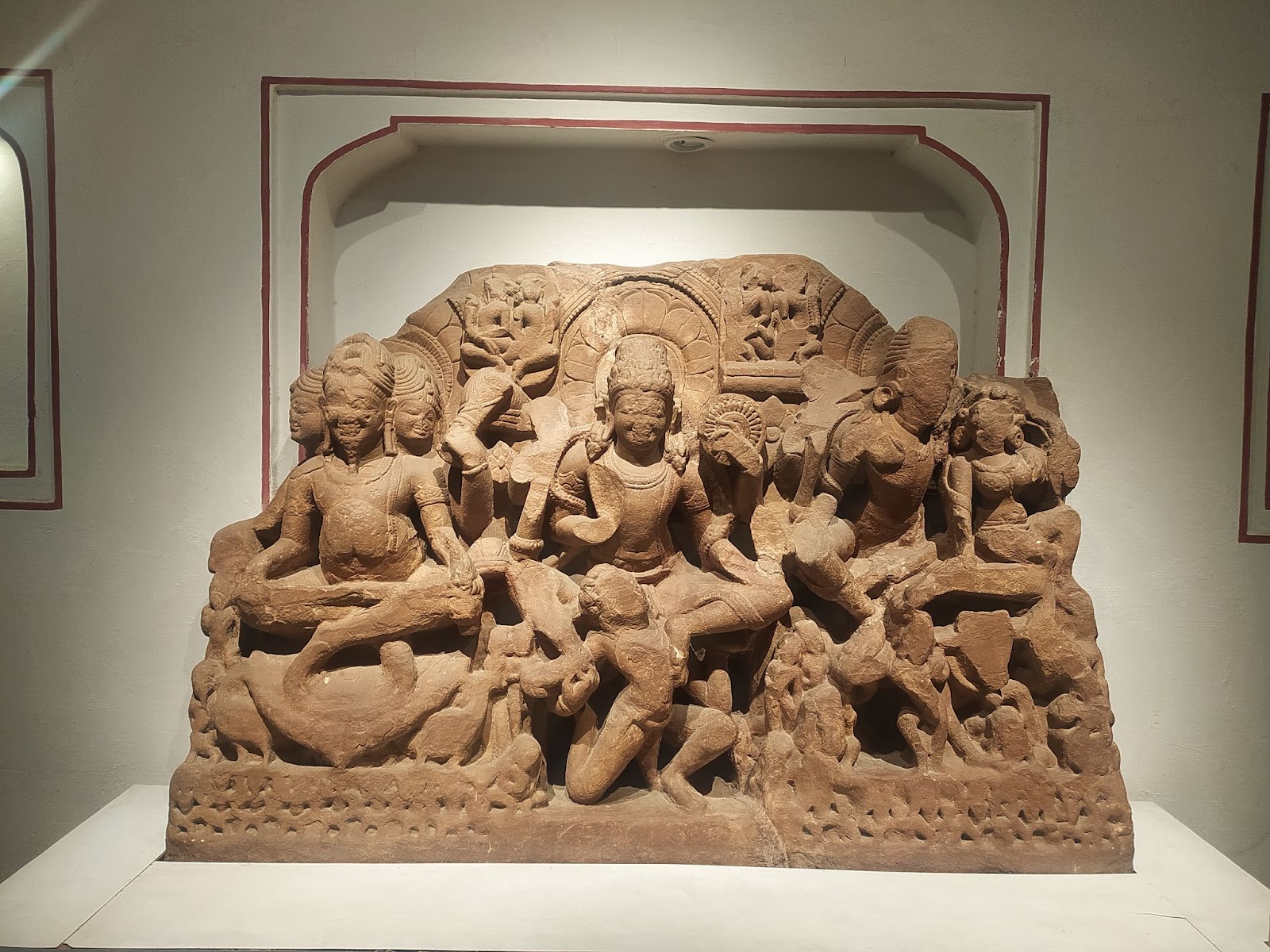
In 1908, the palace was converted into a museum that now houses an impressive collection of artifacts from different periods of Rajasthan’s history. The museum displays ancient weapons, military armor, stone sculptures, inscriptions, miniature paintings, and archaeological treasures discovered across the region.
Among its most valuable exhibits are black marble idols of Goddess Kali dating back to the 6th and 7th centuries. Visitors can also view beautifully carved sculptures, coins, manuscripts, and relics from the Rajput and Mughal eras. The museum’s library contains valuable historical records and reference materials that provide deeper insights into the history of Ajmer and the Mughal Empire.
Historical Importance
Akbar’s Palace is more than just an architectural monument; it is a witness to several important chapters of Indian history. During the Mughal period, Ajmer served as a strategic administrative center and a gateway to Rajasthan. The palace played a crucial role in royal governance and diplomatic affairs.
Its association with Akbar, Jahangir, and Sir Thomas Roe makes it an important historical landmark for understanding the political and cultural developments of medieval India.
Visiting Information
Visitors can explore the museum and palace complex throughout the week except Fridays.
Timings: 10:00 AM to 5:00 PM (Closed on Fridays)
Light and Sound Show:
The palace hosts an engaging Light and Sound Show that narrates the history of Ajmer and the Mughal era.
- English Show: 7:30 PM to 8:15 PM
- Hindi Show: 8:30 PM to 9:15 PM
Entry Fee:
- Indian Visitors: ₹10
- Foreign Visitors: ₹50
- Light & Sound Show: ₹50 per person
Visitors are advised to confirm the latest ticket prices and timings before planning their visit, as they may change periodically.
Best Time to Visit
The ideal time to visit Akbar’s Palace and Museum is between October and March when Ajmer experiences pleasant weather. Summers in Rajasthan can be extremely hot, making sightseeing during the day less comfortable. Early mornings and late afternoons are generally the best times to explore the palace and nearby attractions.
How to Reach Akbar’s Palace and Museum
By Air
The nearest airport is Kishangarh Airport, located about 30 kilometers from Ajmer. Regular taxi services are available from the airport to the palace. Jaipur International Airport, around 135 kilometers away, offers better connectivity to major Indian cities.
By Train
Ajmer Junction Railway Station is one of Rajasthan’s major railway hubs and is located approximately 2 kilometers from the palace. Auto-rickshaws, taxis, and local transport are easily available from the station.
By Road
Ajmer is well connected by national highways to Jaipur, Udaipur, Jodhpur, Delhi, and other major cities. Local taxis, auto-rickshaws, and app-based cab services can take visitors directly to the museum.
Nearby Attractions
Ajmer Sharif Dargah
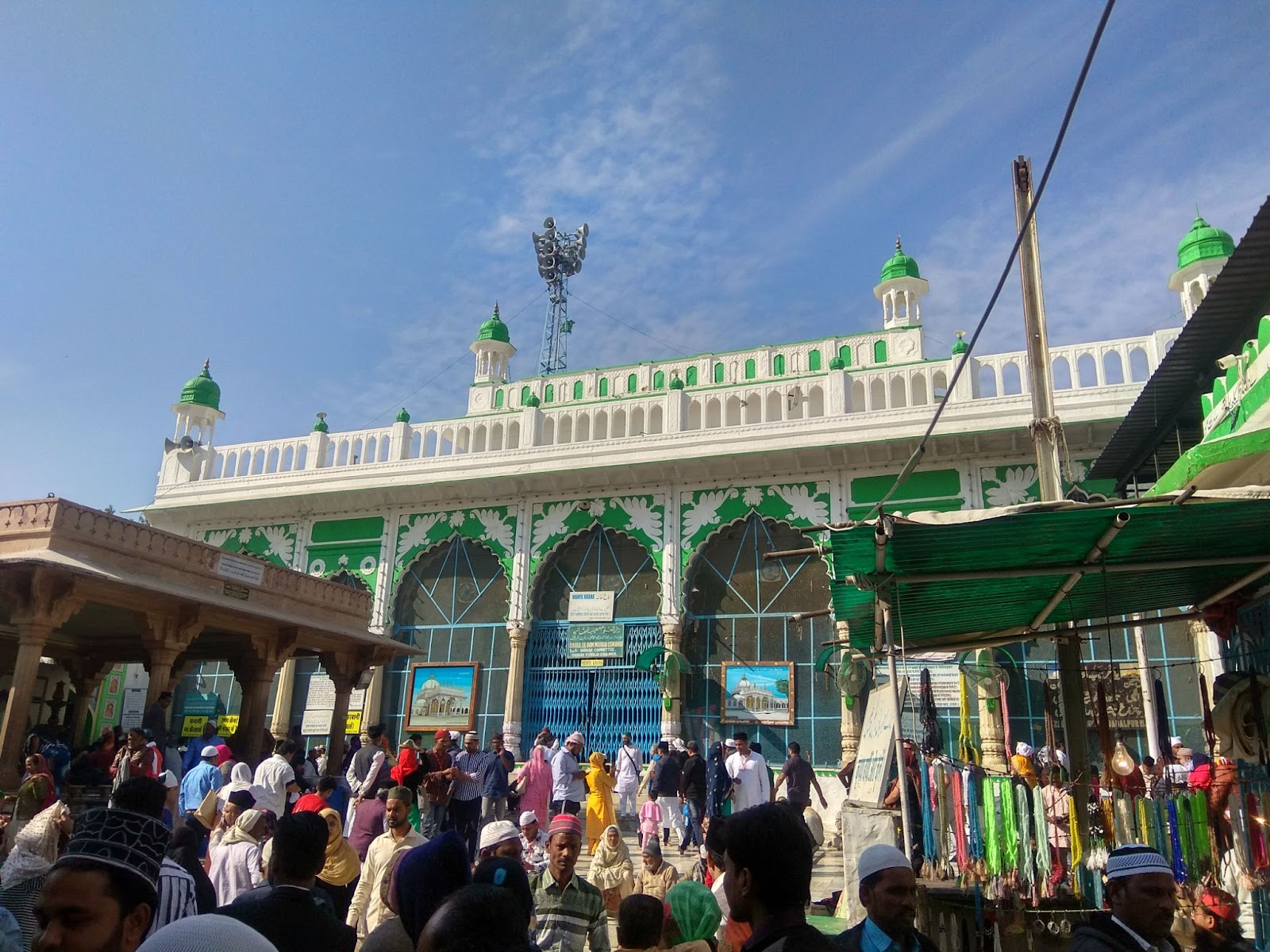
One of India’s most revered Sufi shrines, the dargah of Khwaja Moinuddin Chishti attracts millions of devotees from across the world. It is located just a short distance from Akbar’s Palace.
Ana Sagar Lake
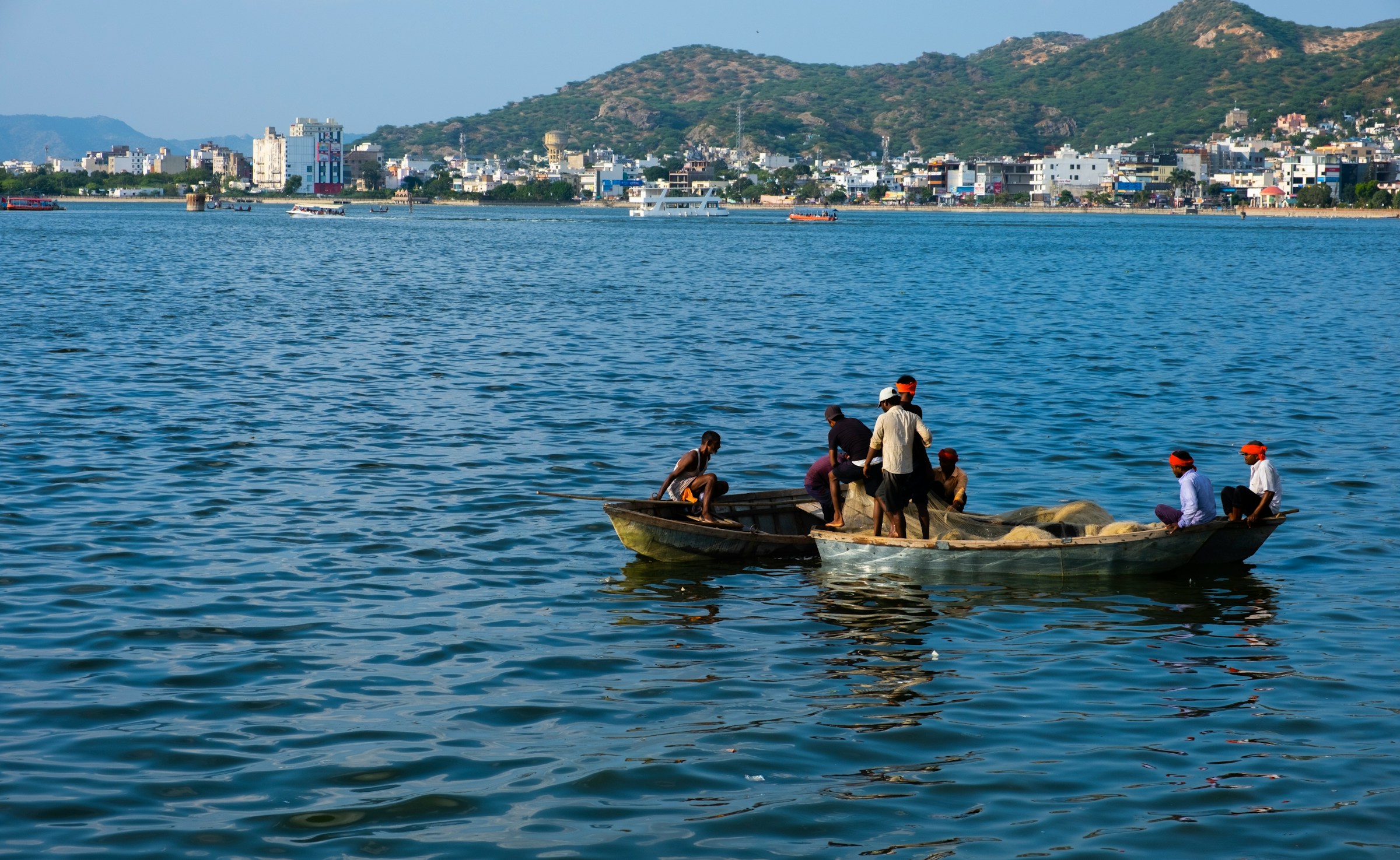
Built in the 12th century, this picturesque lake is a popular spot for boating, evening walks, and enjoying scenic views of Ajmer.
Adhai Din Ka Jhonpra
An extraordinary example of Indo-Islamic architecture, this historic monument is known for its beautifully carved pillars and intricate stonework.
Taragarh Fort
Perched atop a hill overlooking Ajmer, Taragarh Fort offers panoramic views of the city and is considered one of Rajasthan’s oldest hill forts.
Soniji Ki Nasiyan
Also known as the Red Temple, this Jain temple is famous for its stunning gold-plated depiction of Jain cosmology and mythology.
Map
FAQs
Who built Akbar’s Palace and Museum?
The palace was built by Mughal Emperor Akbar in 1570 AD as his royal residence during visits to Ajmer.
Why is Akbar’s Palace historically important?
The palace was an important Mughal administrative center and was the venue for the historic meeting between Emperor Jahangir and Sir Thomas Roe of the British East India Company.
What can visitors see inside the museum?
The museum houses ancient weapons, sculptures, inscriptions, manuscripts, military armor, coins, paintings, and archaeological artifacts from various periods of Rajasthan’s history.
Is photography allowed inside the museum?
Photography rules may vary depending on museum regulations. Visitors should check with the authorities before taking photographs inside the galleries.
How much time is needed to explore the palace?
Most visitors spend around one to two hours exploring the museum exhibits and the palace complex.
Is the Light and Sound Show worth attending?
Yes. The show provides an engaging overview of Ajmer’s history and the significance of Akbar’s Palace, making it a worthwhile experience for history enthusiasts.