Image Source: Dr. PANKAJ AGRAWAL
Overview
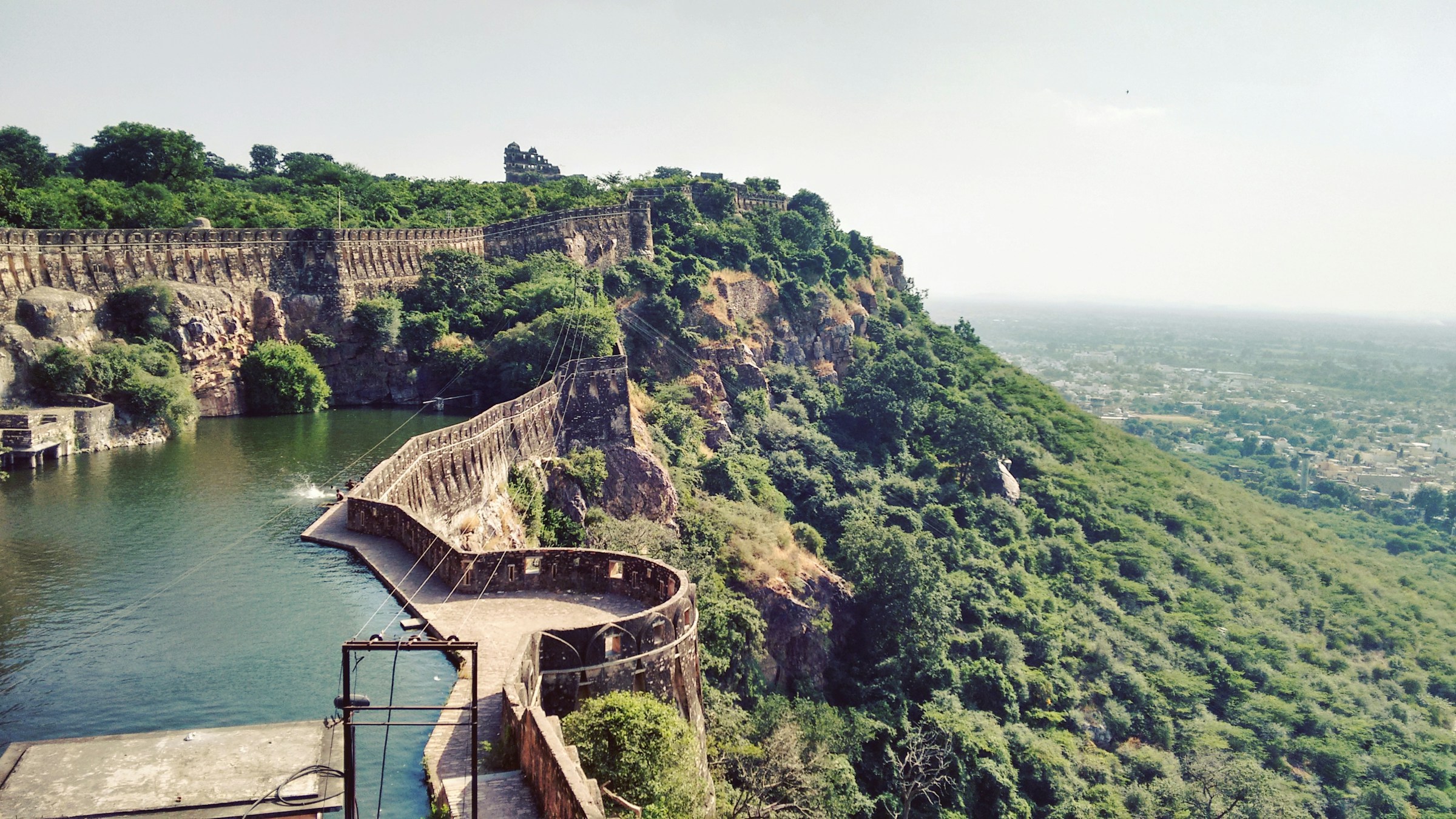
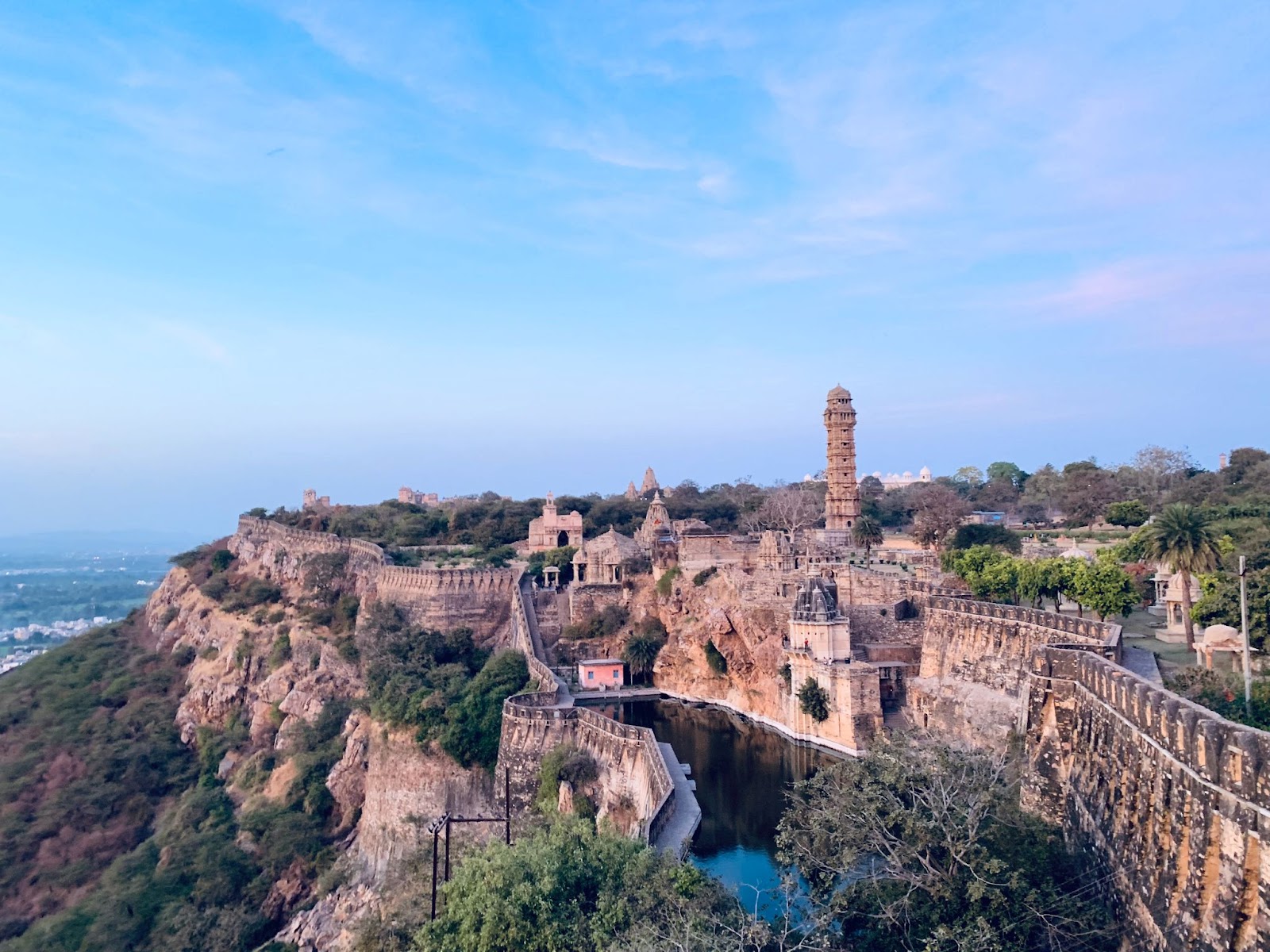
Nestled within the massive hilltop complex of Chittorgarh Fort in Chittorgarh, the historic Padmini Palace is one of the most fascinating landmarks in Rajasthan. Located in the southern section of the fort, the palace is closely associated with the legendary Rajput queen, Rani Padmini, whose beauty, courage, and sacrifice have become part of Indian folklore and Rajput history.
Surrounded by water and set against the backdrop of ancient fort walls, the palace carries an atmosphere of mystery and grandeur. While the structure itself is admired for its elegant Rajput architecture, it is the story connected to Rani Padmini and the siege of Chittorgarh that continues to draw visitors from across the country.
The Legend of Rani Padmini
Rani Padmini, also known as Padmavati, was the wife of Rawal Ratan Singh, the ruler of Chittorgarh. According to popular legends, she was celebrated for her extraordinary beauty, intelligence, and dignity. Her story became widely known through the epic poem Padmavat, written in 1540 CE by the Sufi poet Malik Muhammad Jayasi.
The tale narrates how Alauddin Khilji, the Sultan of Delhi, heard about Padmini’s beauty and became determined to see her. It is believed that he was only allowed to view her reflection in a mirror inside the palace rather than seeing her directly. Captivated by her beauty, Khilji later attacked Chittorgarh Fort, leading to one of the most tragic and heroic chapters in Rajput history.
Though historians debate how much of the story is historical and how much is literary legend, the narrative remains deeply rooted in Rajasthan’s cultural memory. The palace today symbolizes Rajput honor, sacrifice, and resistance against invasion.
Architecture of Padmini Palace
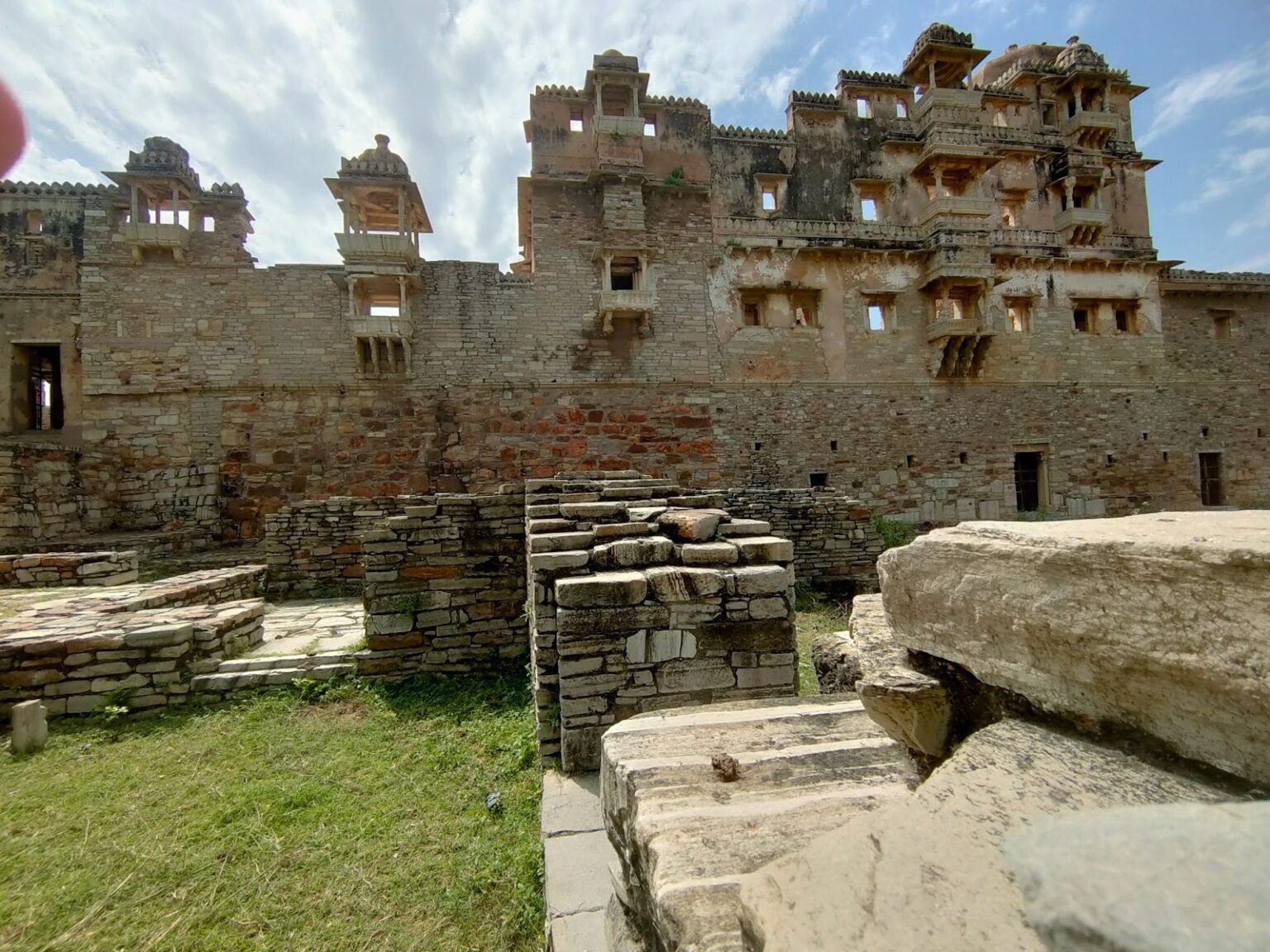
Padmini Palace is a beautiful three-story white structure built in traditional Rajput style. Unlike the grand forts and heavily ornamented palaces of later periods, the palace has a simple yet graceful appearance that blends harmoniously with its surroundings.
One of its most striking features is the lotus pool that surrounds the palace. The reflection of the palace in the calm water creates a scenic and almost dreamlike view. In the center of the pool stands the main pavilion, connected by pathways and surrounded by gardens. The peaceful environment contrasts sharply with the dramatic history associated with the site.
The palace was designed in a way that provided privacy and security while also allowing cool air and natural light to enter the interiors. Its strategic location inside the fort also reflects the defensive planning common in Rajput architecture.
Visitors walking around the palace can admire the symmetry of the structure, the delicate balconies, arched windows, and the tranquil water body that enhances its charm. Even today, the palace remains one of the most photographed attractions inside Chittorgarh Fort.
The Connection with Agra Fort
An interesting historical belief associated with Padmini Palace concerns its bronze gates. According to local stories, the gates were taken away by the Mughal emperor Akbar after his conquest of Chittorgarh and were later transported to Agra Fort.
Although historians continue to debate the accuracy of this claim, the story adds another layer of intrigue to the palace’s history. The connection between Chittorgarh and Agra reflects the long and complex struggle between the Rajput kingdoms and the Mughal Empire.
Importance of Padmini Palace in Rajput History
Padmini Palace is not just an architectural monument; it is a symbol of Rajput valor and sacrifice. The stories associated with the palace are deeply linked with the concept of jauhar, where Rajput women chose self-sacrifice over capture during enemy invasions.
For many visitors, the palace represents courage, dignity, and the fierce spirit of the Rajput community. Over the centuries, poets, writers, filmmakers, and historians have continued to draw inspiration from the legend of Rani Padmini and the heroic tales of Chittorgarh.
The palace also serves as an important reminder of Rajasthan’s rich cultural heritage and medieval history.
Nearby Attractions in Chittorgarh Fort
A visit to Padmini Palace is often combined with exploring other important monuments within the fort complex. Some nearby attractions include:
Kumbha Palace – One of the oldest and largest palaces inside the fort.
Vijay Stambh – The famous Tower of Victory built by Rana Kumbha.
Kirti Stambh – A beautifully carved Jain tower.
Gaumukh Reservoir – A sacred water reservoir within the fort.
Meera Temple – Dedicated to the saint-poet Meera Bai.
Exploring the entire fort can easily take several hours because of its vast size and historical significance.
Best Time to Visit
The best time to visit Padmini Palace is between October and March, when the weather in Rajasthan remains pleasant and suitable for sightseeing. During the monsoon season, the surrounding greenery and water bodies become especially beautiful, adding to the charm of the palace.
Early mornings and evenings are ideal for photography and peaceful exploration.
Visiting Information
Padmini Palace is located within the Chittorgarh Fort complex and is easily accessible from the city.
Timings
Open daily: 9:30 AM to 5:00 PM.
How to Reach Rani Padmini Palace
Rani Padmini Palace is located within the historic Chittorgarh Fort complex in Chittorgarh, Rajasthan. Surrounded by a picturesque lotus pool, the palace is one of the most visited landmarks in the fort and is closely associated with the legendary tale of Rani Padmini.
By Road
Rani Padmini Palace is situated about 4–5 km from the center of Chittorgarh city. The city enjoys good road connectivity with major Rajasthan destinations such as Udaipur, Jaipur, Kota, Ajmer, and Ahmedabad. Visitors can hire taxis, auto-rickshaws, or drive directly to the fort complex, from where the palace is easily accessible.
By Train
The nearest railhead is Chittaurgarh Junction Railway Station, located approximately 6 km from the palace. The station is well connected to major Indian cities, including Delhi, Mumbai, Jaipur, Udaipur, and Kota. Taxis and local transport are readily available outside the station.
By Air
The nearest airport is Maharana Pratap Airport (also known as Dabok Airport), located around 95 km from Chittorgarh. Regular flights connect the airport with Delhi, Mumbai, Bengaluru, Hyderabad, and other major cities. From the airport, visitors can hire a taxi or take a bus to Chittorgarh.
Local Travel Tips
- Plan your visit as part of a tour of Chittorgarh Fort, as several important monuments are located nearby.
- Early morning and late afternoon are the best times for photography and sightseeing.
- Wear comfortable footwear, as exploring the fort complex involves considerable walking.
Map of Padmini Palace
FAQs
Why is Padmini Palace famous?
Padmini Palace is famous for its association with the legendary Rajput queen Rani Padmini and the story of Alauddin Khilji’s siege of Chittorgarh. It is also admired for its beautiful Rajput architecture and scenic lotus pool.
Is the story of Rani Padmini historically accurate?
The story mainly comes from the epic poem Padmavat by Malik Muhammad Jayasi. Historians differ on whether the events are entirely historical or partly legendary, but the tale remains culturally significant in Rajasthan.
Where is Padmini Palace located?
Padmini Palace is located inside Chittorgarh Fort in Rajasthan, India.
What is special about the architecture of Padmini Palace?
The palace is known for its three-story white structure, water-surrounded setting, elegant balconies, and scenic lotus pool that creates a beautiful reflection of the palace.
How much time is needed to explore Padmini Palace?
Most visitors spend around 30 minutes to 1 hour at the palace, though exploring the entire Chittorgarh Fort may require half a day or more.
What are the best nearby attractions?
Some of the best nearby attractions include Vijay Stambh, Kumbha Palace, Kirti Stambh, Gaumukh Reservoir, and Meera Temple.
What is the best season to visit Chittorgarh?
Winter, from October to March, is considered the best season because the weather remains comfortable for sightseeing and fort exploration.