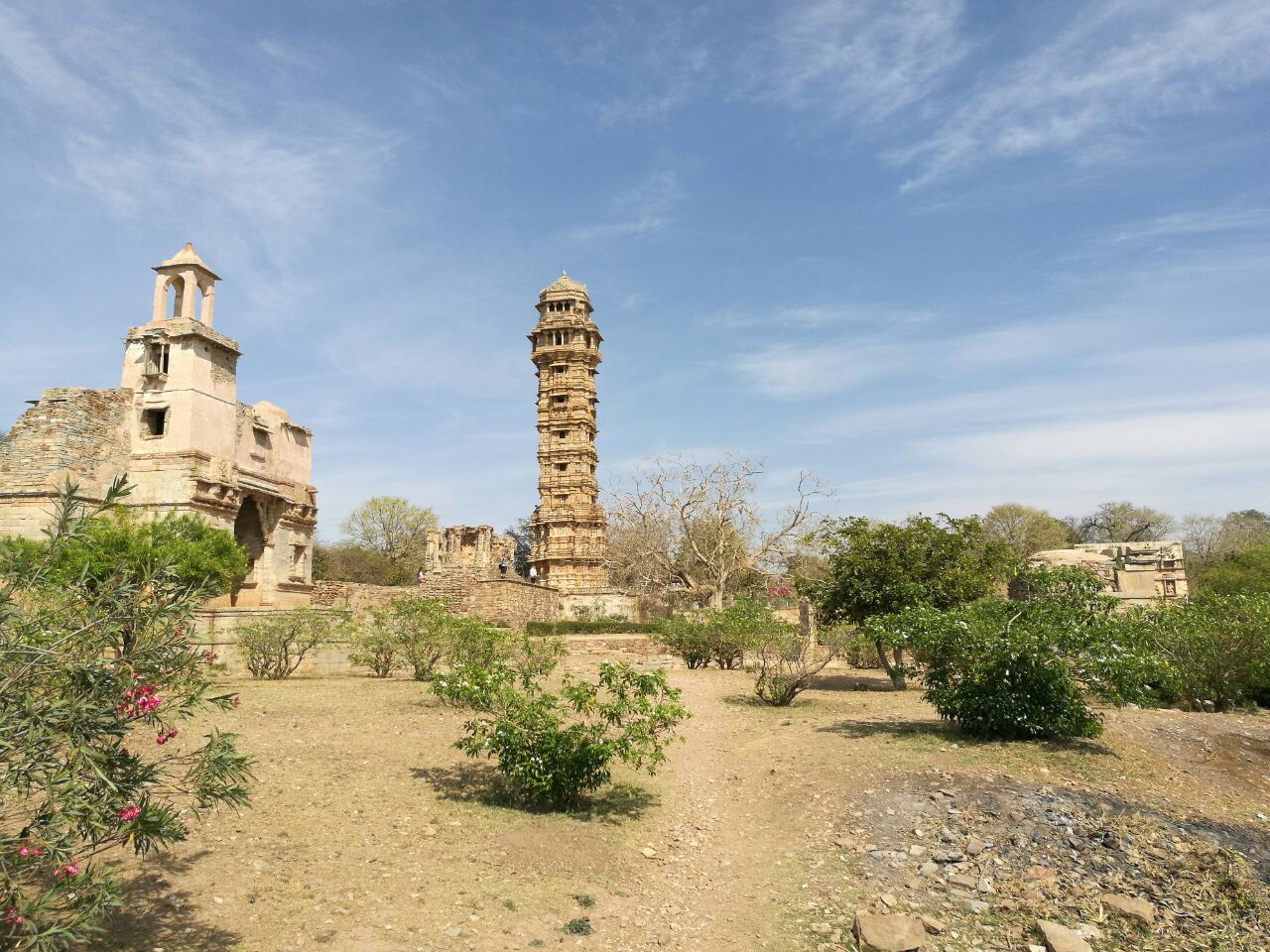
Image Source: MUSTAFA hatim ali
Overview
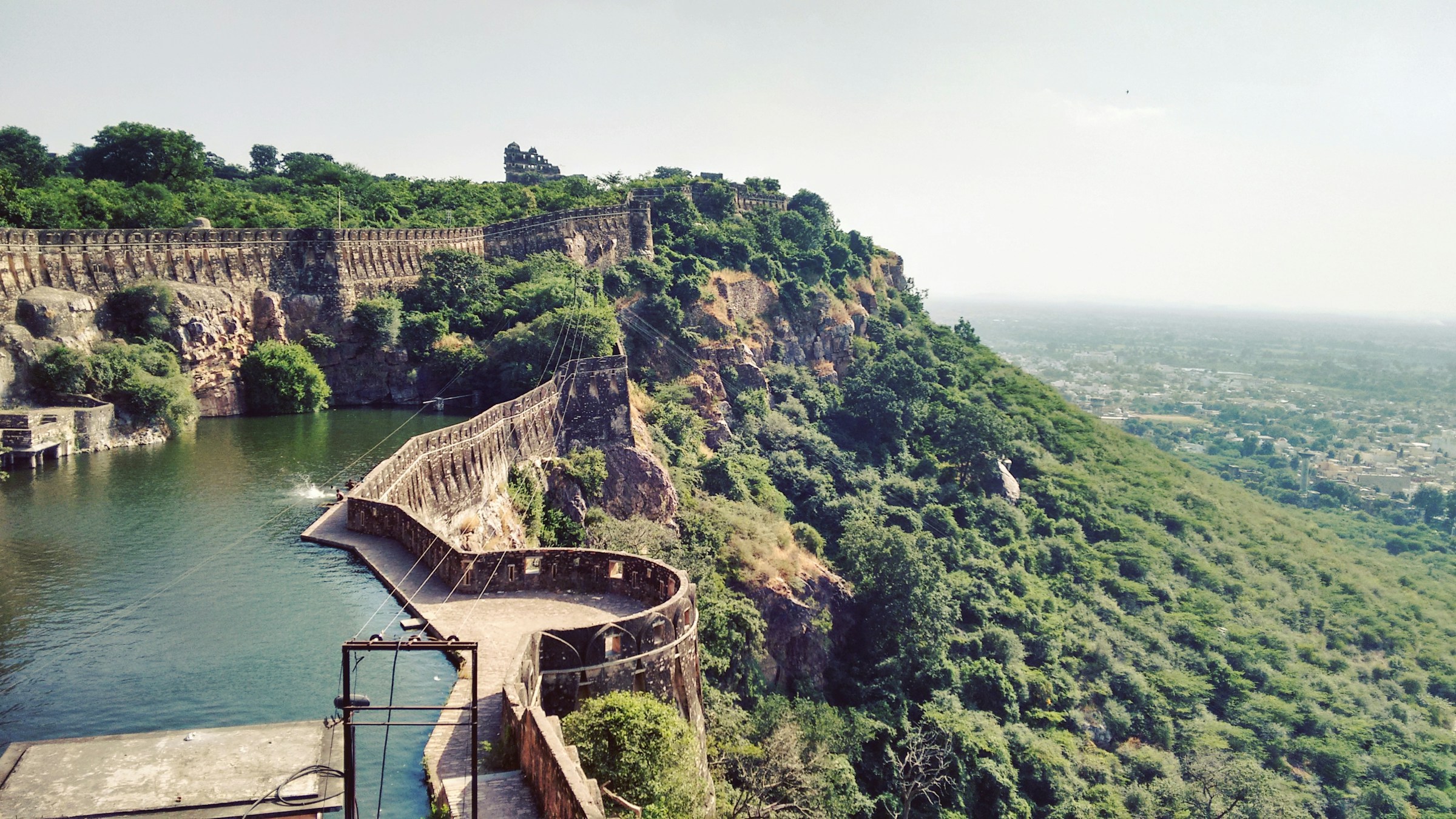
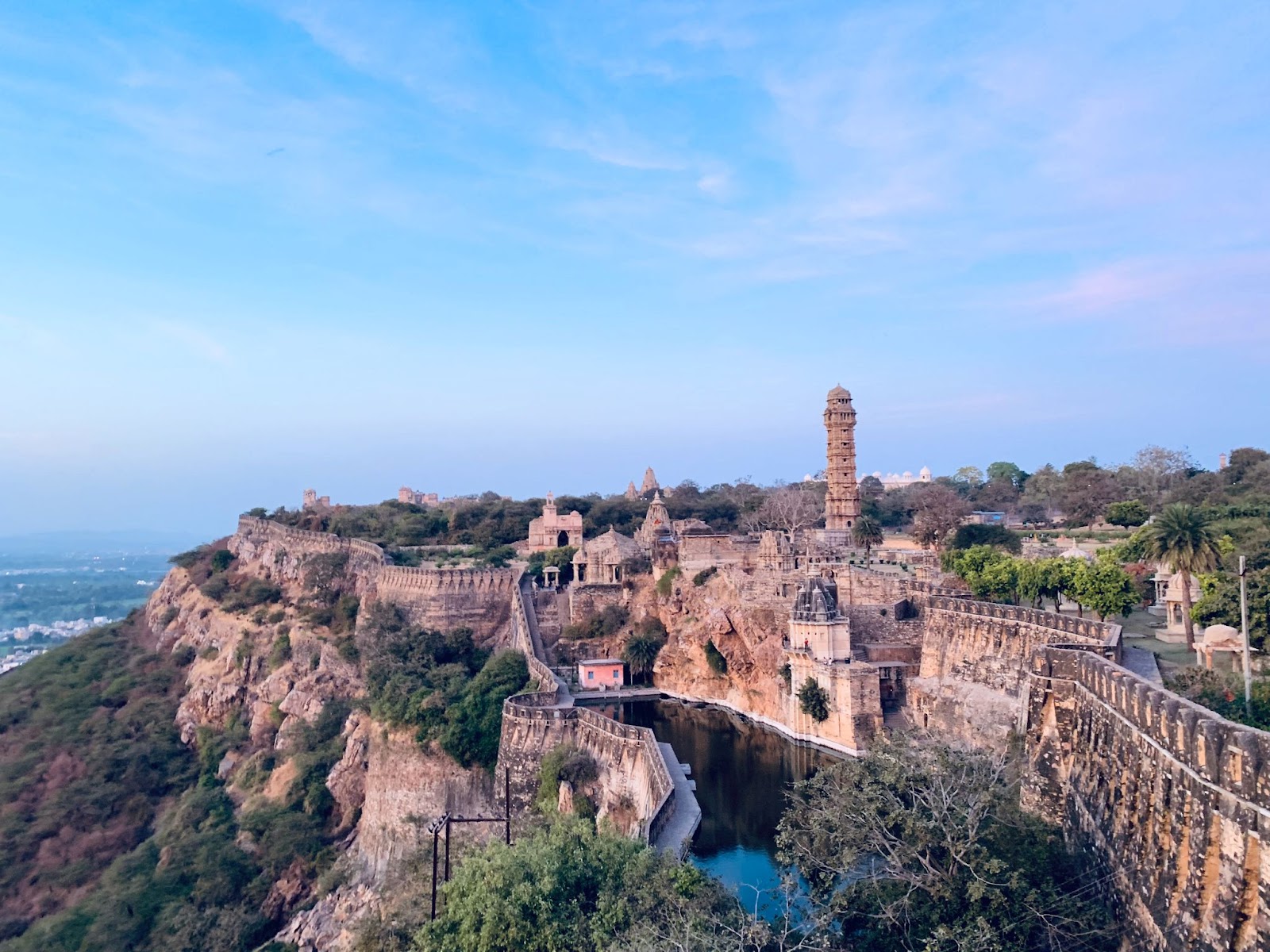
The Vijay Stambh, famously known as the Tower of Victory, stands as one of the grandest symbols of Rajput courage, pride, and architectural brilliance. Located inside the majestic Chittorgarh Fort in Chittorgarh, this towering monument is among the most celebrated landmarks of Rajasthan. The fort itself is recognized as a UNESCO World Heritage Site and reflects centuries of Rajput history, sacrifice, and heroism.
Rising high above the fort complex, Vijay Stambh attracts historians, photographers, architecture enthusiasts, and travellers from across the world. More than just a monument, the tower tells stories of victory, faith, art, and the enduring spirit of the Rajputs.
History of Vijay Stambh
The Vijay Stambh was commissioned by the great Rajput ruler Maharana Kumbha in 1448 CE to commemorate his victory over the combined armies of Malwa and Gujarat. This triumph was considered one of the most significant military achievements of the Kingdom of Mewar, and the tower was built to immortalize that success for future generations.
During Maharana Kumbha’s reign, Mewar emerged as a strong political and cultural power in Rajasthan. Apart from being a skilled warrior, Kumbha was also known for encouraging art, literature, music, and architecture. The construction of Vijay Stambh reflected not only military pride but also the artistic excellence of the Rajput era.
The inscriptions inside the tower record the genealogy, achievements, and contributions of the rulers of Chittor. These records were prepared by the court scholar Atri and later completed by his son Mahesh, making the monument an important historical document as well.
Architecture and Design
Vijay Stambh is regarded as one of the finest examples of Rajput architecture in India. The nine-storey tower rises to a height of around 37 meters (122 feet) and is constructed primarily from red sandstone and white marble. Despite being built in the 15th century, the structure continues to impress visitors with its detailed craftsmanship and structural strength.
The tower is covered with elaborate carvings depicting Hindu deities, celestial beings, warriors, musical instruments, flowers, and scenes from Indian epics such as the Mahabharata and the Ramayana. Every level of the tower showcases intricate sculptural art that reflects the religious and cultural richness of medieval Rajasthan.
A narrow spiral staircase of around 157 steps leads visitors to the top of the tower. Though the climb can be slightly steep, the reward at the summit is unforgettable. From the upper balconies, visitors can enjoy sweeping panoramic views of the massive Chittorgarh Fort, nearby temples, lakes, and the surrounding plains.
Symbol of Religious Harmony
One of the most fascinating aspects of Vijay Stambh is its representation of religious inclusivity. Although primarily a Hindu monument, the tower incorporates elements from different faiths. Sculptures of Jain goddesses can be seen on the upper storeys, while Arabic inscriptions featuring the name of Allah appear on certain levels of the tower.
This blend of artistic and spiritual influences reflects the broad-minded and inclusive outlook of the Rajput rulers of Mewar. The monument therefore stands not only as a symbol of victory but also as a reminder of cultural coexistence and mutual respect.
Experience of Climbing the Tower
Climbing Vijay Stambh is an experience that combines adventure, history, and breathtaking scenery. The staircase inside the tower is narrow and winding, giving visitors a glimpse into medieval architectural planning. As you move upward, small windows and balconies open to spectacular views of the fort complex.
At the top, the landscape unfolds beautifully in every direction. The ancient temples, fort walls, water reservoirs, and distant countryside create a stunning visual panorama. During sunrise and sunset, the monument becomes especially magical as golden light falls upon the sandstone carvings.
For photographers and history lovers, the tower offers countless opportunities to capture the grandeur of Chittorgarh from above.
Timings and Entry Fees
Vijay Stambh remains open to visitors daily from around 9:45 AM to 6:00 PM. Since the monument is located within Chittorgarh Fort, visitors usually purchase a combined entry ticket for the fort complex.
- Indian visitors: Approximately ₹15
- Foreign visitors: Approximately ₹200
Timings and ticket prices may change over time, so checking locally before visiting is recommended.
Best Time to Visit
The ideal time to visit Vijay Stambh is between October and March, when Rajasthan experiences cooler and more pleasant weather. Summers in Chittorgarh can become extremely hot, making it difficult to explore the fort comfortably during daytime hours.
Early mornings and evenings are especially recommended because the weather is pleasant and the lighting is perfect for photography.
Nearby Attractions
Kirti Stambh
Another famous tower within the fort complex, Kirti Stambh is dedicated to Jainism and is older than Vijay Stambh. It is known for its elegant carvings and Jain sculptures.
Rani Padmini’s Palace
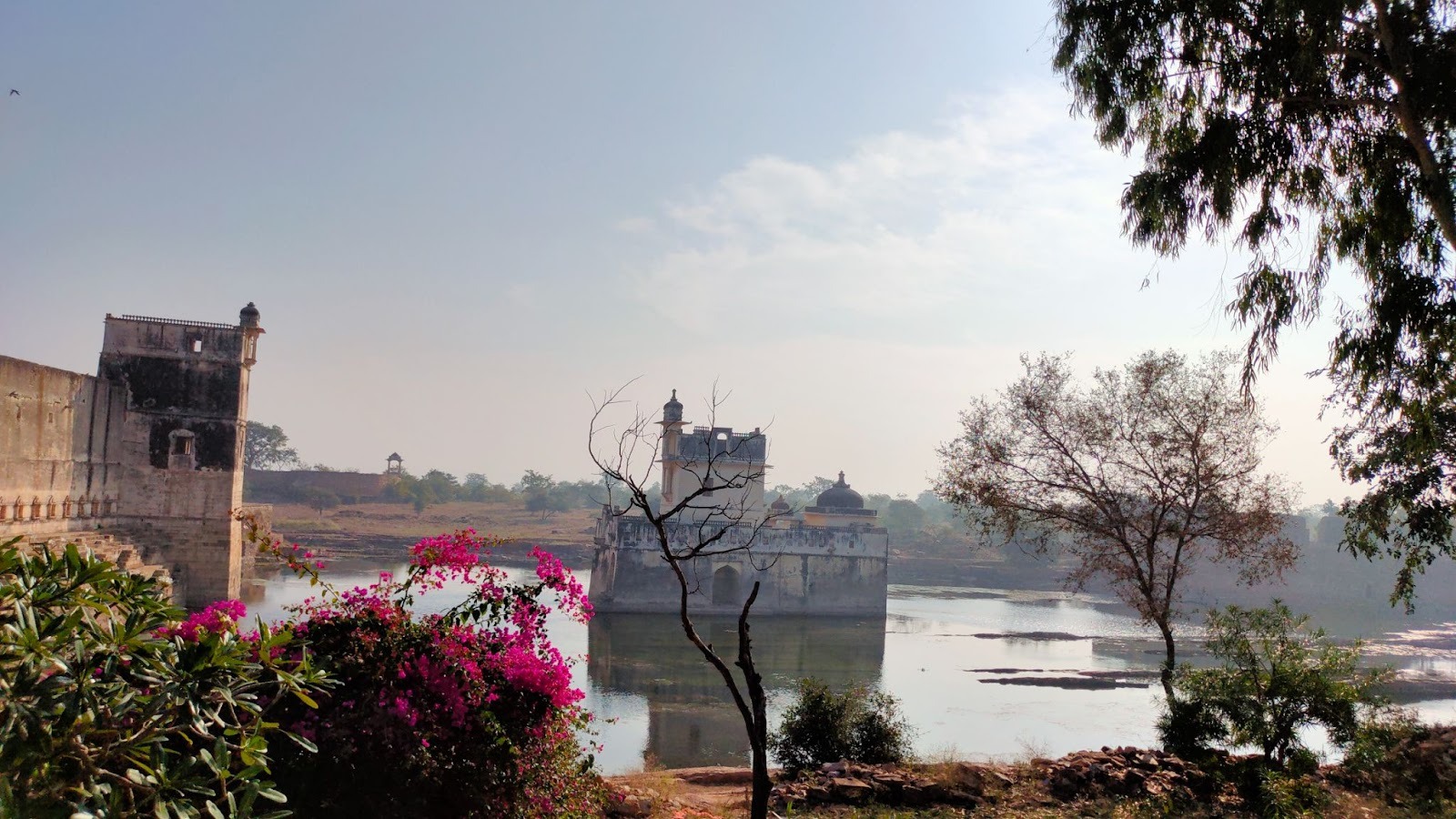
This beautiful palace is associated with the legendary queen Rani Padmini and the historic tales of Chittor’s bravery and sacrifice.
Meera Temple
Dedicated to the saint-poet Meerabai, the temple is an important spiritual and cultural landmark connected with devotion to Lord Krishna.
Chittorgarh Museum
The museum houses ancient artefacts, sculptures, weapons, and historical exhibits that help visitors understand the rich heritage of the region.
How to Reach Vijay Stambh
By Air
The nearest airport is Maharana Pratap Airport, located about 90 km from Chittorgarh. Taxis and buses are available from the airport to the city.
By Rail
Chittorgarh Junction railway station is well connected to major Indian cities such as Delhi, Jaipur, Udaipur, Ahmedabad, and Kota.
By Road
Chittorgarh enjoys excellent road connectivity with major cities in Rajasthan and neighbouring states. Regular buses, taxis, and private vehicles can easily reach the fort.
Map and Location of Vijay Stambh
FAQs
Why was Vijay Stambh built?
Vijay Stambh was built by Maharana Kumbha in 1448 CE to celebrate his victory over the rulers of Malwa and Gujarat.
How tall is Vijay Stambh?
The tower stands approximately 37 meters (122 feet) tall and has nine storeys.
How many steps are there in Vijay Stambh?
Visitors need to climb around 157 narrow spiral steps to reach the top.
Is Vijay Stambh inside Chittorgarh Fort?
Yes, Vijay Stambh is located within the historic Chittorgarh Fort complex in Rajasthan.
What is special about Vijay Stambh?
The monument is famous for its detailed carvings, Rajput architecture, historical significance, and panoramic views from the top.
Can visitors climb to the top of Vijay Stambh?
Yes, visitors are usually allowed to climb the staircase to the top, depending on safety regulations and maintenance work.
What is the best time to visit Vijay Stambh?
The winter season from October to March is considered the best time to visit because of the pleasant weather.
Is photography allowed at Vijay Stambh?
Yes, photography is generally allowed, and the monument is especially popular among architecture and landscape photographers.