Image Source: Chandan Prajapati
Introduction
Rajasthan is known for its grand forts, royal palaces, and timeless monuments that reflect the glory of its princely past. In the heart of Jodhpur, often called the “Blue City,” one such architectural gem quietly captures the attention of visitors — Jaswant Thada. Located close to the mighty Mehrangarh Fort, this elegant white marble memorial stands as a symbol of Rajput pride, artistic brilliance, and royal remembrance.
Surrounded by peaceful gardens and overlooking a small lake, Jaswant Thada offers a calm contrast to the imposing walls of Mehrangarh Fort. Its delicate carvings, glowing marble surfaces, and serene atmosphere make it one of the most beautiful heritage sites in Rajasthan. Often referred to as the “Taj Mahal of Marwar,” the monument continues to attract travelers, photographers, and history lovers from across the world.
History of Jaswant Thada
Jaswant Thada was built in 1899 CE by Maharaja Sardar Singh of Jodhpur in memory of his father, Maharaja Jaswant Singh II, who ruled the Marwar kingdom from 1873 to 1895. Maharaja Jaswant Singh II was admired for his contributions to the development and modernization of Jodhpur. Under his reign, the city witnessed improvements in infrastructure, irrigation systems, and public welfare.
To honor his father’s legacy, Sardar Singh commissioned this magnificent cenotaph near Mehrangarh Fort. Over time, Jaswant Thada became more than just a memorial. It evolved into the cremation ground for the royal family of Marwar, and several cenotaphs dedicated to later rulers were added within the complex.
The monument reflects the Rajput tradition of constructing royal cenotaphs, known as “chhatris,” to commemorate kings and members of the royal family. Even today, the site carries a deep sense of history and royal heritage, offering visitors a glimpse into the lives of the Rathore rulers of Jodhpur.
Architectural Beauty of Jaswant Thada
The architecture of Jaswant Thada is one of its most captivating features. Built entirely from finely carved white marble, the monument appears almost luminous under sunlight. The marble used in the structure is so polished and thin in certain places that it glows softly when sunlight passes through it, creating a magical visual effect.
Designed in the Rajput architectural style, the memorial showcases beautifully carved domes, delicate jali work, ornate pillars, and intricately detailed sculptures. The craftsmanship reflects the exceptional skill of Rajasthani artisans of the 19th century. The main cenotaph resembles a temple-like structure with graceful domes rising above intricately decorated walls.
Inside the memorial, visitors can find portraits and paintings of the rulers of Jodhpur, adding historical depth to the monument. The interior is simple yet elegant, maintaining the peaceful atmosphere of the place.
The finely carved marble lattice screens allow light and air to pass through naturally, enhancing the beauty of the structure while also helping keep the interiors cool. Every corner of the monument reflects symmetry, balance, and artistic precision.
Gardens, Lake, and Surroundings
One of the most charming aspects of Jaswant Thada is its tranquil setting. The monument is surrounded by beautifully maintained multi-tiered gardens filled with trees, flowering plants, and open pathways. These gardens create a peaceful environment where visitors can relax and admire the beauty of the memorial.
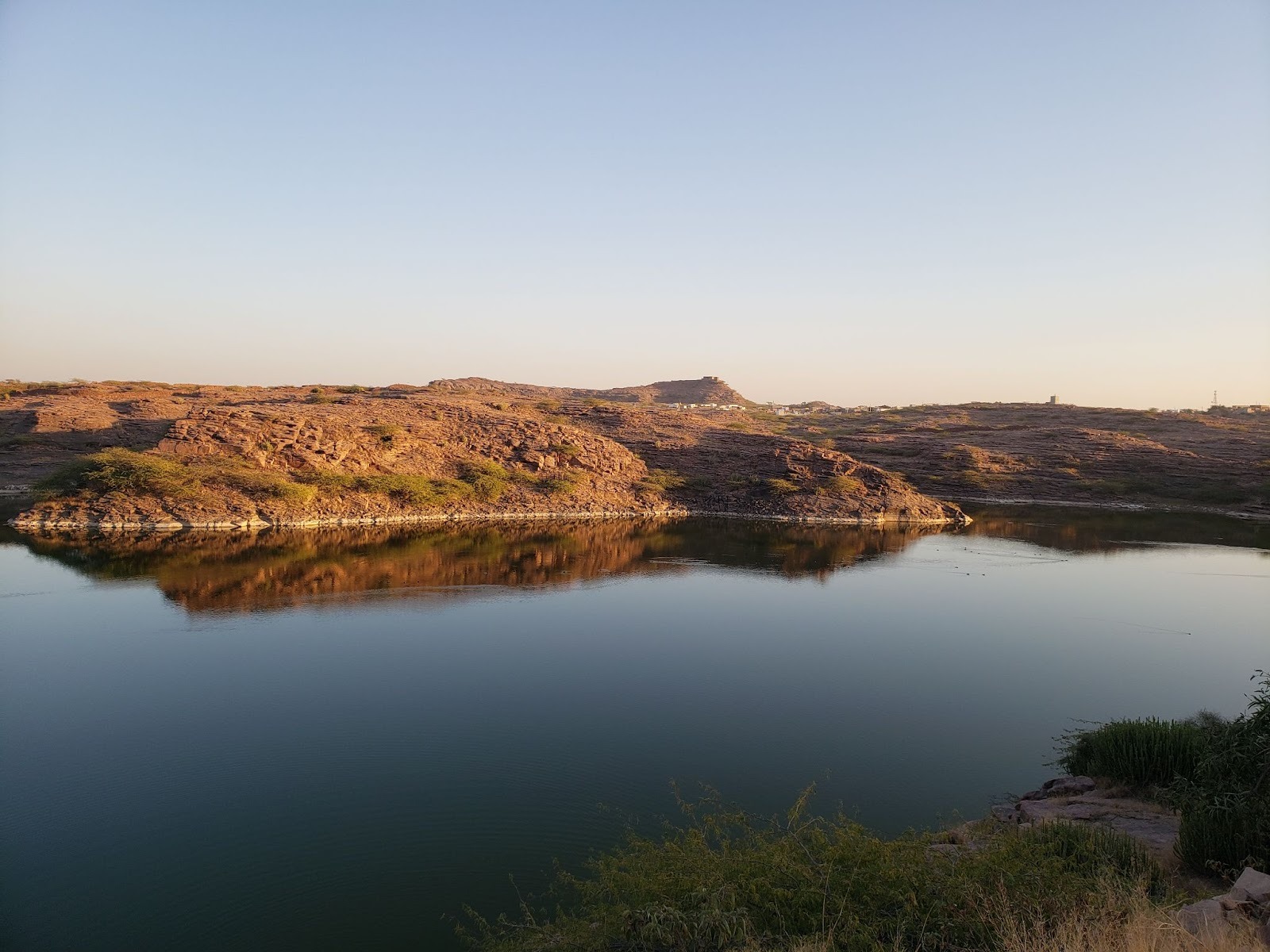
Near the cenotaph lies a small lake that adds to the scenic charm of the complex. The calm water reflects the white marble structure, especially during sunrise and sunset, making it a favorite spot for photography enthusiasts.
The complex also includes additional royal cenotaphs dedicated to other members of the Marwar royal family. A memorial dedicated to a peacock, associated with local legends and royal funeral traditions, further adds a unique cultural touch to the site.
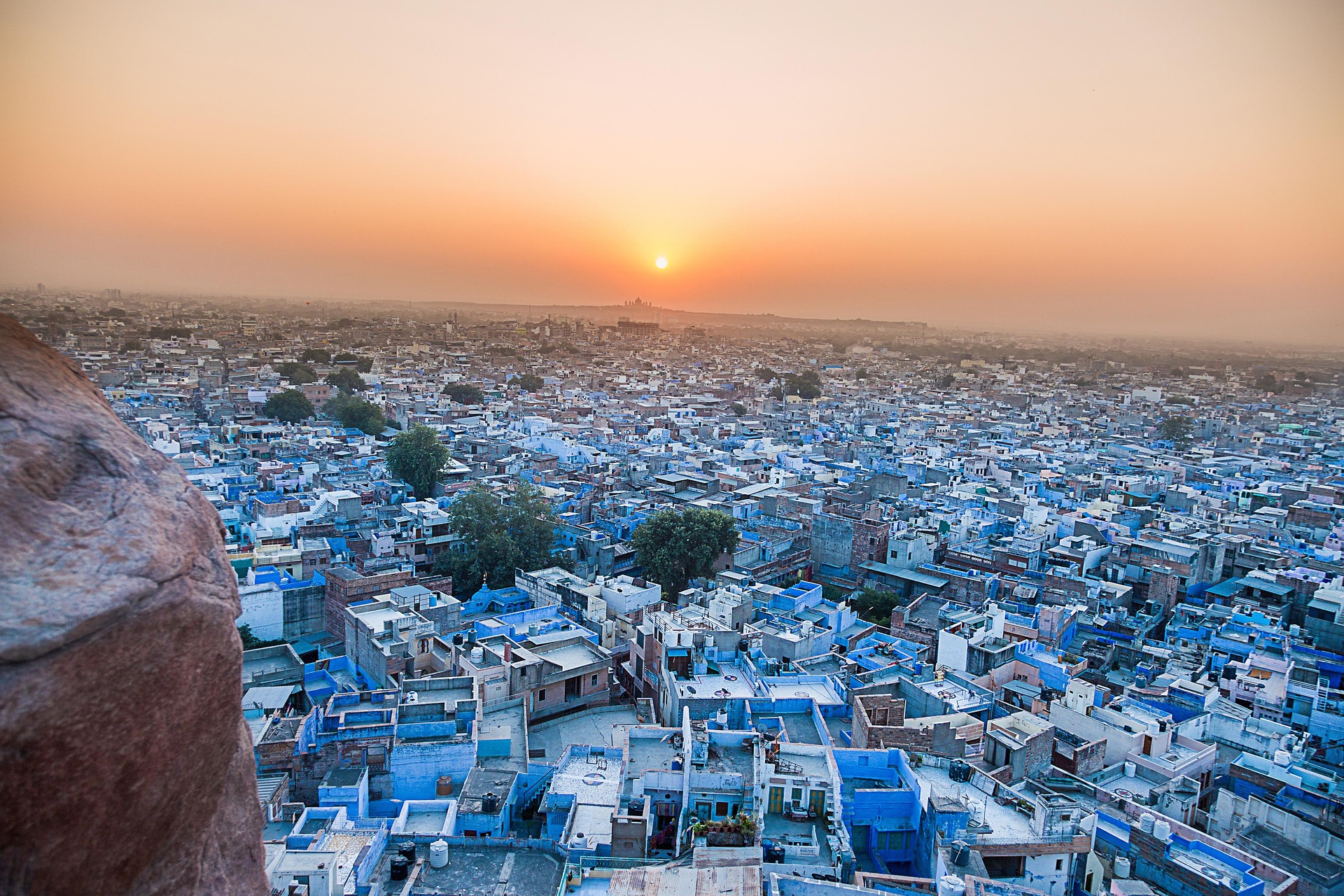
Because of its elevated location near Mehrangarh Fort, Jaswant Thada also offers stunning panoramic views of Jodhpur city and the surrounding landscape.
Why Jaswant Thada is Called the “Taj Mahal of Marwar”
Jaswant Thada is often referred to as the “Taj Mahal of Marwar” because of its dazzling white marble construction and its role as a royal memorial. Much like the Taj Mahal in Agra, this monument was built as a tribute to a beloved ruler and stands as a symbol of remembrance and respect.
Its graceful architecture, peaceful gardens, and glowing marble beauty create an atmosphere of elegance and serenity. Though smaller in scale than the Taj Mahal, Jaswant Thada possesses its own unique charm and architectural identity rooted in Rajput culture and traditions.
Cultural and Tourist Importance
Today, Jaswant Thada is one of the most visited attractions in Jodhpur. Tourists often combine their visit with nearby landmarks such as Mehrangarh Fort and Rao Jodha Desert Rock Park. The peaceful surroundings make it an ideal place for travelers seeking history, photography, or quiet reflection.
The monument also holds cultural importance for the people of Jodhpur, as it preserves the memory of the Marwar royal family and showcases the artistic traditions of Rajasthan. Traditional folk musicians are sometimes seen performing near the entrance, adding a cultural flavor to the visitor experience.
Whether admired for its history, architecture, or serene ambiance, Jaswant Thada remains one of Rajasthan’s most graceful heritage monuments.
Best Time to Visit Jaswant Thada
The best time to visit Jaswant Thada is between October and March, when the weather in Jodhpur remains pleasant and comfortable for sightseeing. Early mornings and evenings are especially beautiful, as the soft sunlight enhances the glow of the marble structure.
Visitors often prefer visiting during sunrise or sunset to enjoy breathtaking views of the fort, lake, and the Blue City of Jodhpur.
How to Reach Jaswant Thada
Jaswant Thada is located on the eastern side of Mehrangarh Fort in Jodhpur, approximately 5 km from the city center. Known for its stunning white marble architecture and tranquil surroundings, it is one of the city’s most visited heritage monuments.
By Air
The nearest airport is Jodhpur Airport, located about 8 km from Jaswant Thada. Taxis and app-based cab services are readily available from the airport, and the journey typically takes around 20–25 minutes.
By Train
The nearest railway station is Jodhpur Junction Railway Station, situated approximately 6 km away. Visitors can hire an auto-rickshaw or taxi from the station to reach the monument comfortably.
By Road
Jaswant Thada is well connected by road and can be reached easily by private vehicle, taxi, or auto-rickshaw from any part of Jodhpur. The monument lies on the route leading to Mehrangarh Fort, making it convenient to visit both attractions together.
Local Transportation
Many tourists combine a visit to Jaswant Thada with nearby landmarks such as Mehrangarh Fort and the old city. Local taxis and auto-rickshaws are the most convenient transportation options.
Nearby Attractions of Jaswant Thada
1. Mehrangarh Fort
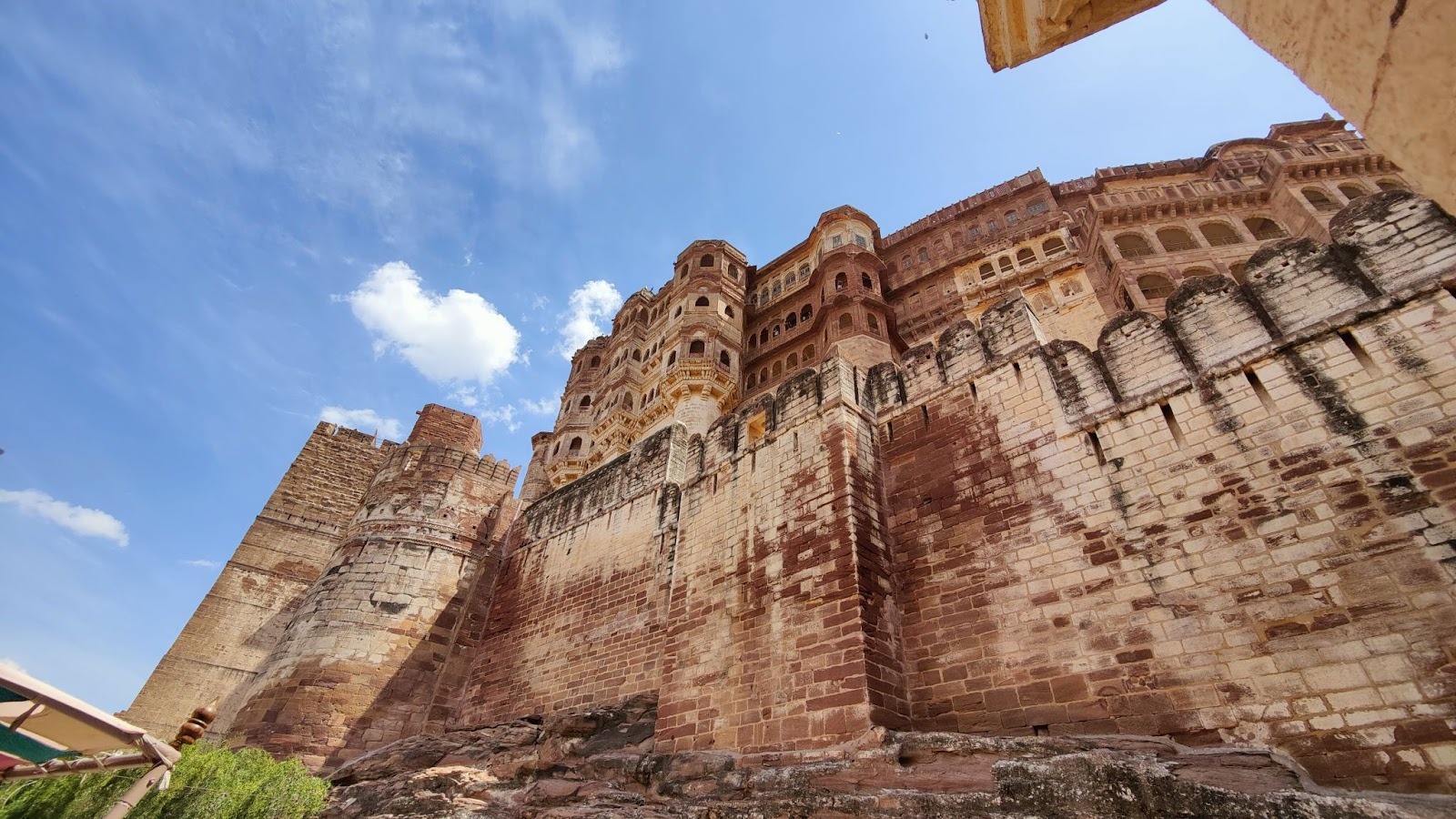
Located less than a kilometer away, Mehrangarh Fort is one of India’s most impressive forts. Its palaces, museums, and panoramic views of the Blue City make it a must-visit attraction.
2. Rao Jodha Desert Rock Park
Situated near Mehrangarh Fort, this ecological park showcases the native flora of the Thar Desert and offers scenic walking trails among restored rocky landscapes.
3. Toorji Ka Jhalra
This beautifully restored 18th-century stepwell is known for its intricate architecture and vibrant surroundings filled with cafés and heritage buildings.
4. Ghanta Ghar
The iconic Clock Tower stands at the center of the bustling Sardar Market, where visitors can shop for handicrafts, spices, textiles, and traditional Rajasthani souvenirs.
5. Umaid Bhawan Palace
One of the world’s largest private residences, this magnificent palace features a museum showcasing royal artifacts, vintage cars, and the history of the Jodhpur royal family.
6. Mandore Gardens
The former capital of the Marwar kingdom, Mandore Gardens is famous for its royal cenotaphs, temples, and beautifully landscaped grounds.
7. Balsamand Lake
A peaceful artificial lake surrounded by gardens and orchards, Balsamand Lake offers a refreshing escape from the city’s bustle.
Suggested Sightseeing Circuit
Jaswant Thada → Mehrangarh Fort → Rao Jodha Desert Rock Park → Toorji Ka Jhalra → Ghanta Ghar & Sardar Market
Map
Timing and Entrance fees of Jaswant thada
Jaswant Thada welcomes visitors between 9 a.m. and 5 p.m. To explore this architectural marvel, an entry fee is required: Rs. 15 for Indians for foreigners. Visitors carrying cameras are charged an additional Rs. 25, while those wishing to capture videos are charged Rs. 50.
FAQs
1. Where is Jaswant Thada located?
Jaswant Thada is located in Jodhpur, Rajasthan, about 1 kilometer from Mehrangarh Fort.
2. Who built Jaswant Thada?
The monument was built by Maharaja Sardar Singh in 1899 in memory of his father, Maharaja Jaswant Singh II.
3. Why is Jaswant Thada famous?
Jaswant Thada is famous for its stunning white marble architecture, intricate carvings, peaceful gardens, and historical significance as a royal cenotaph.
4. Why is Jaswant Thada called the “Taj Mahal of Marwar”?
It is called the “Taj Mahal of Marwar” because of its beautiful white marble construction and its role as a memorial dedicated to a respected ruler.
5. What architectural style is used in Jaswant Thada?
The monument is built in traditional Rajput architectural style, featuring domes, carved marble screens, pillars, and decorative designs.
6. Is photography allowed at Jaswant Thada?
Yes, photography is allowed, and the monument is considered one of the best photography spots in Jodhpur.
7. What is the best time to visit Jaswant Thada?
The best time to visit is during the winter season, from October to March, when the weather is pleasant.
8. Can Jaswant Thada be visited along with Mehrangarh Fort?
Yes, many visitors explore Jaswant Thada and Mehrangarh Fort together because they are located very close to each other.