Image Source: Sumer Saini
About Chauth Mata Temple
Nestled amid the rugged hills of Rajasthan, the Chauth Mata Temple is a beautiful blend of faith, history, architecture, and natural beauty. Revered by devotees across the region, the temple is not only a sacred pilgrimage site but also an important cultural landmark that reflects the spiritual heritage of Rajasthan. Located around 25 km from Sawai Madhopur Railway Station and about 33 km from Ranthambore National Park, the temple attracts pilgrims, history lovers, photographers, and travelers seeking peace away from busy city life.
Perched on top of a hill, the temple offers a spiritual atmosphere combined with sweeping panoramic views of the surrounding countryside. Whether one visits for devotion, architecture, or the cultural vibrancy of local festivals, Chauth Mata Temple leaves a lasting impression on every visitor.
History of Chauth Mata Temple
The history of Chauth Mata Temple is deeply connected with the royal heritage of Rajasthan. The temple is believed to have been constructed in 1942 CE by Maharaja Bhim Singh, an influential ruler of the region who was known for his devotion and patronage of religious sites. According to local legends, the idol of Chauth Mata was brought from Pachala village, located near Bharwara, and was ceremoniously installed on the hilltop where the temple now stands.
Following the establishment of the shrine, the surrounding area gradually came to be known as Chauth Ka Barwara, a name that remains popular even today. Over the years, the temple evolved into an important center of faith for local communities, especially among devotees who worship Chauth Mata as a protector and divine guardian.
The temple continues to preserve centuries-old traditions and rituals, making it an enduring symbol of Rajasthan’s spiritual identity.
Architecture and Temple Design
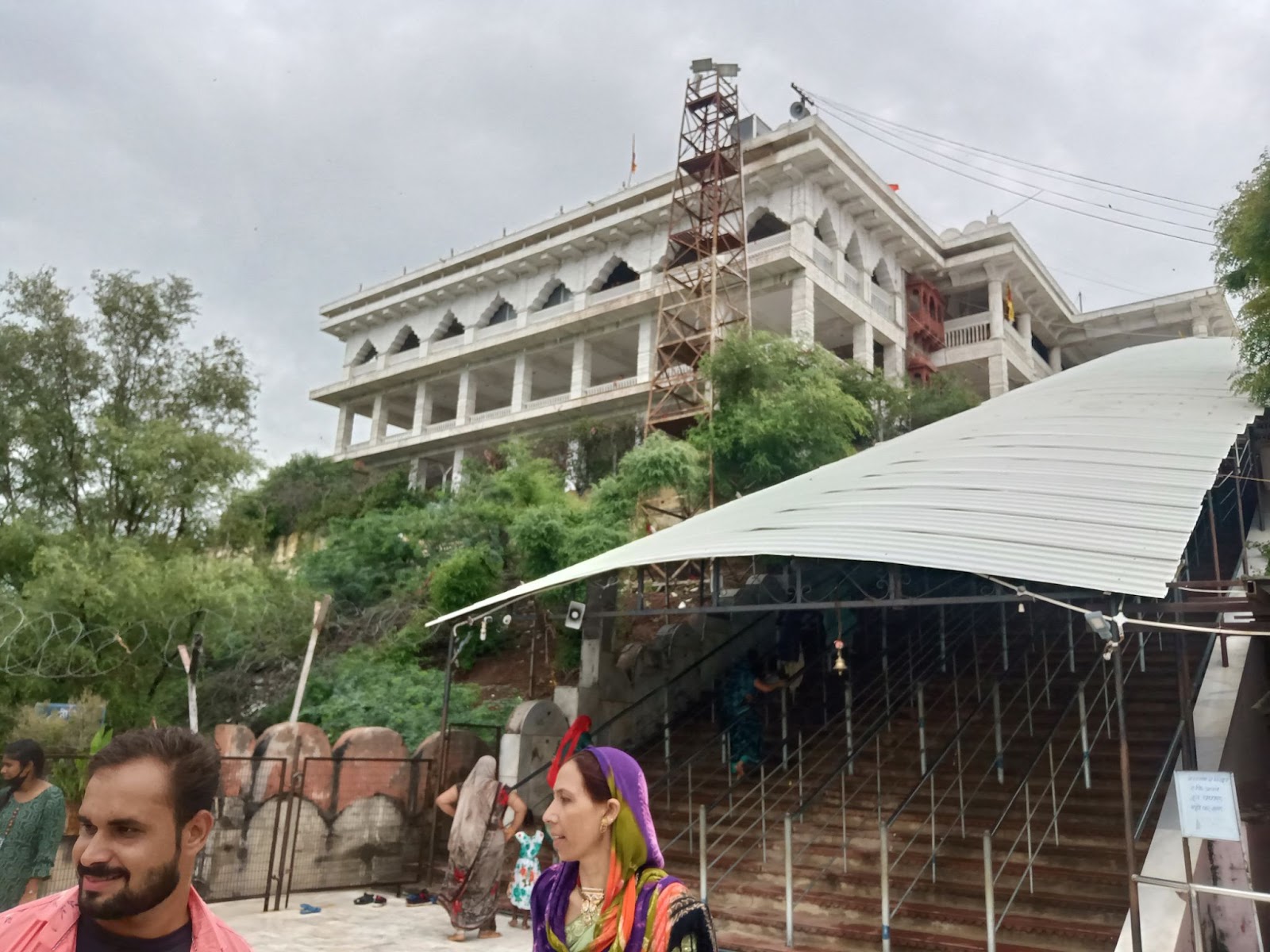
One of the most striking features of Chauth Mata Temple is its traditional Rajput-style architecture. As visitors approach the temple complex, they are welcomed by a grand Toran Dwar, an ornate gateway that instantly creates a sense of reverence and grandeur.
The temple is built atop a hill, and reaching the shrine requires climbing nearly 700 stone steps. Though the ascent can be tiring, the journey itself becomes a spiritual experience for many devotees. Along the route, visitors often stop to admire the scenic surroundings and peaceful atmosphere.
The temple structure features elegant marble work, decorative pillars, intricate carvings, and beautifully designed tiles adorned with religious motifs. The double-story construction reflects the craftsmanship commonly associated with Rajput architecture, where artistic beauty and devotion are blended seamlessly.
Inside the sanctum, the idol of Chauth Mata is worshipped with immense faith and devotion. The calm environment, fragrance of incense, and continuous chanting of prayers create a deeply spiritual ambiance.
Scenic Views from the Hilltop
The climb to Chauth Mata Temple rewards visitors with breathtaking views of Rajasthan’s natural landscape. From the hilltop, one can witness expansive meadows, scattered villages, rocky terrain, and stretches of greenery that appear especially beautiful during the monsoon season.
The elevated location of the temple makes it an excellent viewpoint for photography and sightseeing. During sunrise and sunset, the surrounding hills glow in warm golden hues, creating an unforgettable visual experience. Many travelers spend time at the top simply soaking in the peaceful atmosphere and cool breeze.
The combination of spirituality and scenic beauty is one of the reasons why the temple appeals not only to pilgrims but also to tourists and nature enthusiasts.
Festivals and Religious Importance
Chauth Mata Temple remains lively throughout the year, with devotees regularly visiting to seek blessings and offer prayers. However, the temple becomes especially vibrant during religious festivals and fairs.
One of the most significant celebrations associated with the temple is the Chauth Mata Mela, a grand 15-day fair held on the fourth day of the Hindu month of Magha, usually falling in January or February. During this period, thousands of devotees from different parts of Rajasthan and neighboring states gather at the temple.
The fair transforms the area into a colorful cultural hub filled with devotional music, folk dances, traditional performances, food stalls, and local handicrafts. Pilgrims often walk long distances to participate in the celebrations and seek blessings from the goddess.
Festivals such as Ganesh Chaturthi also witness heavy footfall, with the temple beautifully decorated and rituals performed with great enthusiasm.
Rajasthan’s Cultural Essence at Chauth Mata
A visit to Chauth Mata Temple offers much more than a religious experience. It provides a glimpse into Rajasthan’s rich traditions and vibrant rural culture. During festivals and fairs, visitors can witness locals dressed in colorful traditional attire, women adorned with silver jewelry, and folk artists performing age-old cultural dances and songs.
Local markets around the temple often showcase handmade crafts, traditional textiles, and regional delicacies that reflect the artistic heritage of Rajasthan. The atmosphere during the Mela captures the authentic spirit of rural Rajasthan, where spirituality, celebration, and community life come together beautifully.
For travelers exploring the region around Ranthambore and Sawai Madhopur, Chauth Mata Temple serves as a meaningful cultural stop that combines devotion, history, and local traditions.
Best Time to Visit
The ideal time to visit Chauth Mata Temple is between October and March, when the weather remains pleasant and suitable for climbing the hill steps. Winters are particularly comfortable for sightseeing and attending festivals.
Visitors planning to experience the Chauth Mata Mela should visit during January or February. Early morning and evening hours are also preferred for those who wish to enjoy cooler temperatures and scenic views from the hilltop.
How to Reach Chauth Mata Temple
The temple is well connected by road and can be reached easily from Sawai Madhopur and nearby towns.
- Nearest Railway Station: Sawai Madhopur Railway Station
- Nearest Major Attraction: Ranthambore National Park
- By Road: Local taxis, buses, and private vehicles are available from nearby towns and cities.
- By Air: The nearest airport is Jaipur, which is well connected to major Indian cities.
Map and Location
FAQs
1. Where is Chauth Mata Temple located?
Chauth Mata Temple is located in Chauth Ka Barwara near Sawai Madhopur in Rajasthan, India.
2. How many steps are there to reach the temple?
Visitors need to climb approximately 700 steps to reach the temple situated atop the hill.
3. What is the Chauth Mata Mela?
The Chauth Mata Mela is a famous 15-day religious fair held during the Hindu month of Magha, attracting thousands of devotees and tourists.
4. What is the best time to visit the temple?
The best time to visit is between October and March when the weather is pleasant. January and February are ideal for experiencing the annual fair.
5. Is the temple suitable for tourists as well as pilgrims?
Yes, apart from its religious importance, the temple is popular among tourists for its scenic views, Rajput architecture, and cultural atmosphere.
6. How far is Chauth Mata Temple from Ranthambore National Park?
The temple is located around 33 km from Ranthambore National Park.
7. Why is Chauth Mata Temple famous?
The temple is famous for its spiritual significance, hilltop location, annual fair, historical background, and panoramic views of the surrounding landscapes.