Image Source: Bimal Patel
About the Rajiv Gandhi Regional Museum of Natural History
The Rajiv Gandhi Regional Museum of Natural History is one of Rajasthan’s most fascinating educational attractions for nature lovers, wildlife enthusiasts, and students. Located in Ramsinghpura village near Sawai Madhopur, the museum was inaugurated in 2014 with the aim of promoting awareness about India’s rich natural heritage, biodiversity, geology, and wildlife. It serves as an important center for environmental education and conservation, especially focusing on the western region of India and its unique dry ecosystems.
Established under the Ministry of Environment, Forest and Climate Change, Government of India, the museum was envisioned as a place where visitors could learn about the delicate relationship between humans, animals, and nature. Over the years, it has become a valuable destination for tourists visiting Ranthambore as well as for researchers, school groups, and wildlife enthusiasts interested in understanding Rajasthan’s ecological diversity.
Architecture and Campus
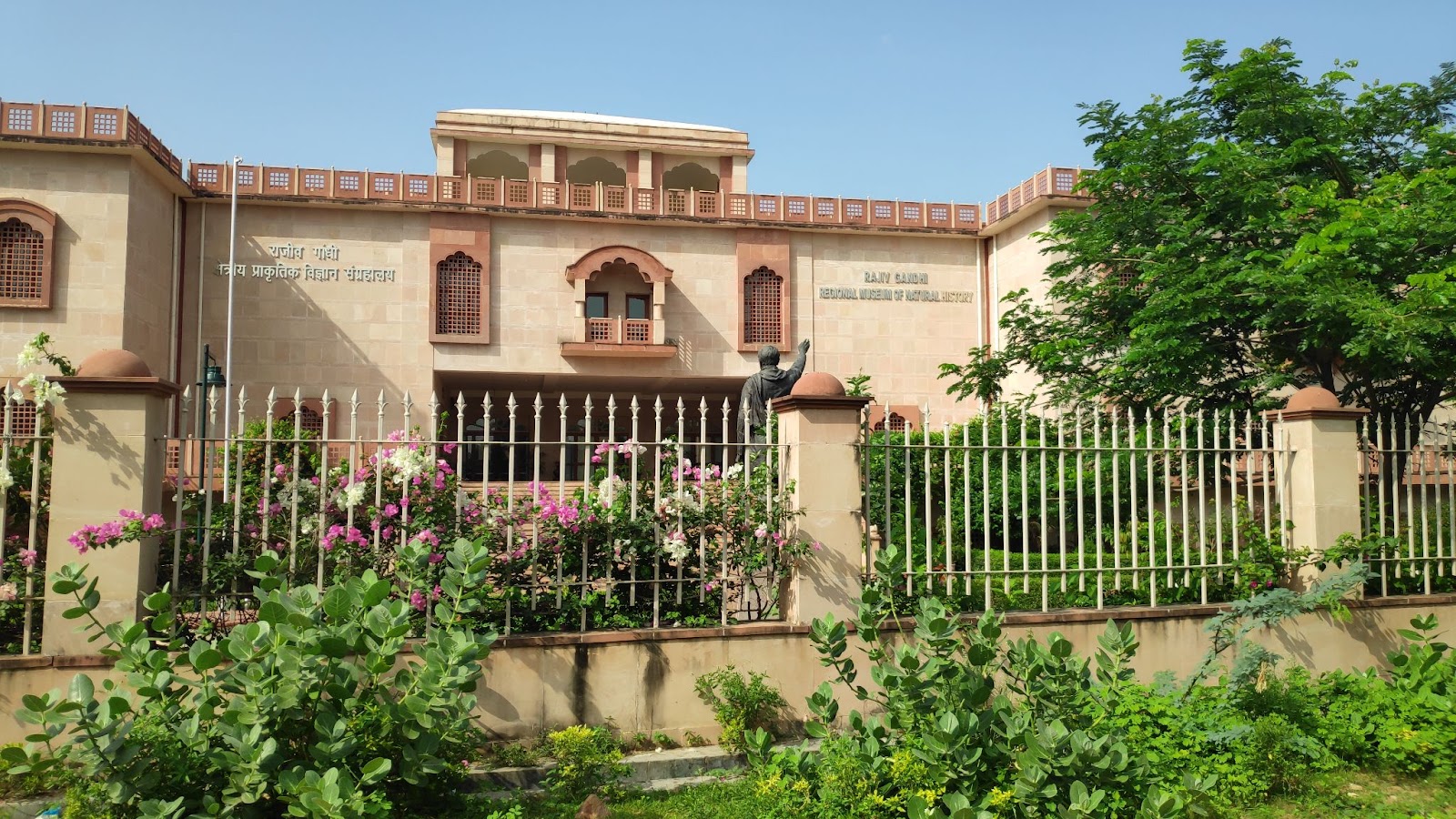
Spread across nearly 7.2 acres of land, the museum complex is thoughtfully designed with spacious galleries, educational exhibits, and interactive learning spaces. The three-storey building showcases different aspects of natural history, including flora, fauna, minerals, geology, livestock, and desert ecosystems found in western India.
The museum environment itself feels calm and educational, making it suitable for families and children. Informative displays, models, charts, and realistic wildlife exhibits help visitors understand the region’s biodiversity in an engaging way.
Wildlife Exhibits and Natural Heritage
One of the museum’s biggest highlights is its impressive wildlife section, which focuses heavily on the nearby Ranthambore National Park and the historic Ranthambore Fort. The exhibits beautifully present the wildlife that inhabits Rajasthan’s forests and grasslands.
Visitors can see detailed displays and models of animals such as the tiger, leopard, lion, and chinkara. These exhibits provide insight into the lives, habitats, and conservation challenges of these species. The museum also explains the importance of preserving endangered wildlife and maintaining ecological balance.
Another interesting section highlights the desert ecosystem and showcases how plants and animals adapt to the harsh climatic conditions of western India. Educational panels explain biodiversity, food chains, and the role each species plays in nature.
Showcasing Rajasthan’s Rural Culture
Apart from wildlife, the museum also explores the traditional lifestyle and culture of Rajasthan. A dedicated section portrays the lives of the Bishnoi Community, a community widely respected for its commitment to protecting trees and wildlife.
The exhibits demonstrate how the Bishnoi people have lived in harmony with nature for centuries. Through life-size models, rural settings, and cultural displays, visitors get a glimpse of Rajasthan’s village life and its deep connection with the environment.
Art Gallery and Pottery Section
The museum is not limited to science and wildlife alone. It also includes a beautiful pottery section and art gallery that add a creative touch to the visitor experience. The pottery displays showcase the craftsmanship of local artisans who create stunning clay artworks using traditional techniques.
The art gallery features paintings and visual representations inspired by Rajasthan’s landscapes, forests, wildlife, and rural life. These artistic exhibits provide visitors with a cultural and aesthetic understanding of the region.
Library and Educational Resources
One of the museum’s most valuable features is its well-maintained library, which contains a large collection of books and reference materials related to wildlife, biodiversity, ecology, geology, and environmental conservation. Students, researchers, and curious visitors can explore detailed information about western India’s ecosystems and wildlife heritage.
The museum also organizes educational activities, awareness programs, workshops, and interactive sessions that help visitors better understand environmental conservation and sustainable living.
Interactive Learning Experience
The museum has been designed to make learning engaging and enjoyable. Through interactive exhibits, models, audio-visual presentations, and educational displays, visitors can learn about the interconnected relationship between plants, animals, and humans.
To further enrich the experience, the museum has appointed trained naturalists who assist visitors by answering questions and sharing detailed information about the exhibits and regional wildlife. Their guidance helps visitors gain a deeper appreciation for nature and conservation efforts.
Auditorium and Public Programs
The museum also houses a spacious auditorium with a seating capacity of around 300 people. This venue is regularly used for seminars, educational discussions, wildlife documentary screenings, and environmental awareness programs.
Many schools and educational institutions visit the museum to participate in these programs, making it an important center for nature education in Rajasthan.
Timings and Entry Information
The Rajiv Gandhi Regional Museum of Natural History is open to visitors from 10:00 AM to 5:00 PM on all days except Mondays and national holidays.
The museum is easily accessible from Sawai Madhopur city and is often included in itineraries alongside Ranthambore National Park. Visitors are advised to spend at least 2–3 hours exploring the galleries and exhibits comfortably.
Best Time to Visit
The ideal time to visit the museum is between October and March when the weather in Rajasthan remains pleasant. Many tourists combine their museum visit with a safari trip to Ranthambore National Park, making it a complete wildlife and educational experience.
Why You Should Visit
The Rajiv Gandhi Regional Museum of Natural History is more than just a museum — it is a place that encourages awareness, curiosity, and respect for nature. Whether you are a wildlife enthusiast, student, photographer, researcher, or tourist, the museum offers a meaningful experience that combines education, culture, art, and conservation under one roof.
Map and Location
FAQs
Where is the Rajiv Gandhi Regional Museum of Natural History located?
The museum is located in Ramsinghpura village near Sawai Madhopur in Rajasthan, India.
What is the museum famous for?
The museum is known for its exhibits on wildlife, biodiversity, geology, desert ecosystems, and Rajasthan’s natural heritage, especially the wildlife of Ranthambore.
Which animals can be seen in the exhibits?
Visitors can explore displays featuring tigers, leopards, lions, chinkaras, and many other species found in western India.
Is the museum suitable for children and students?
Yes, the museum is highly educational and ideal for children, students, and nature enthusiasts due to its interactive exhibits and learning programs.
What are the museum timings?
The museum remains open from 10:00 AM to 5:00 PM and stays closed on Mondays and national holidays.
Is photography allowed inside the museum?
Photography policies may vary in different sections of the museum. Visitors should check with museum authorities before taking photographs.
How much time is needed to explore the museum?
A visit usually takes around 2 to 3 hours, depending on your interest in the exhibits and educational sections.
Can the museum be visited along with Ranthambore National Park?
Yes, many tourists combine their museum visit with a safari at Ranthambore National Park since both attractions are located close to each other.