Image Source:Hiralal Joshi
About Ghushmeshwar Temple
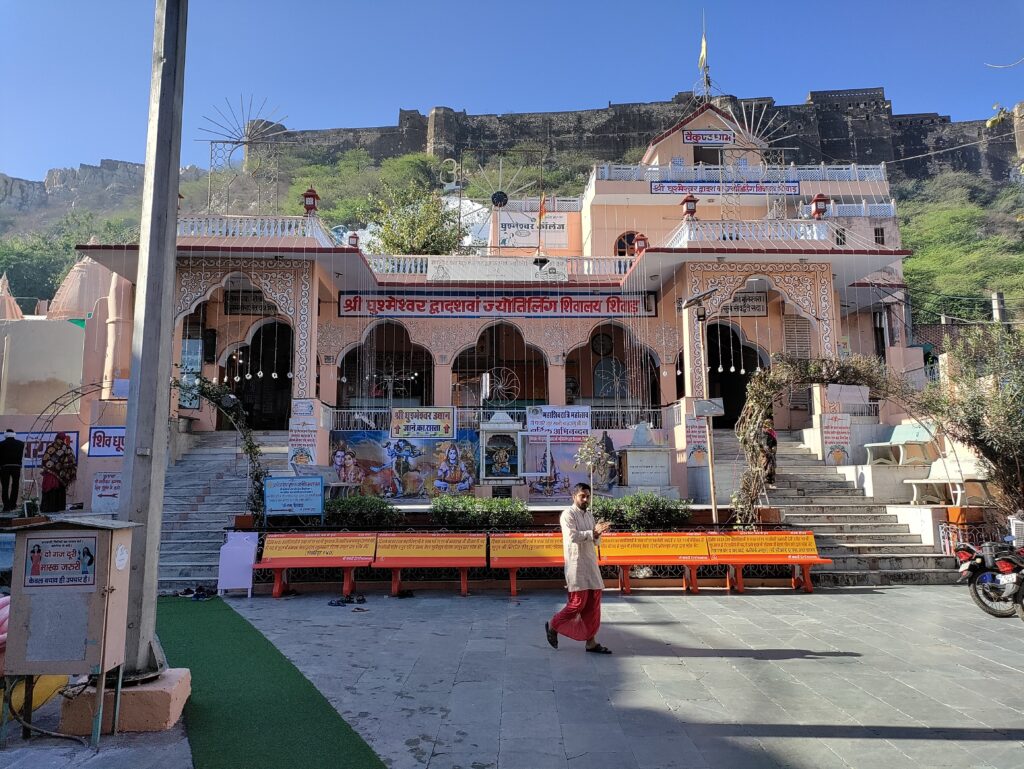
Nestled amid the peaceful Devgiri Hills, Ghushmeshwar Temple is one of the most revered Shiva shrines in India. Located around 55 kilometers from Ranthambore National Park and nearly 48 kilometers from Sawai Madhopur, this sacred temple attracts devotees, pilgrims, and spiritual seekers throughout the year. Dedicated to Lord Ghushmeshwar—an incarnation of Lord Shiva—the temple is deeply rooted in Hindu mythology and carries immense religious importance.
Surrounded by natural beauty and a calm spiritual atmosphere, the temple offers visitors not just a place of worship but also a sense of peace and devotion. The sound of temple bells, the fragrance of incense, and the chants of Shiva mantras create a divine environment that leaves a lasting impression on every devotee.
The Sacred 12th Jyotirlinga of Lord Shiva
Ghushmeshwar Temple is believed to be associated with the 12th Jyotirlinga of Lord Shiva, making it one of the holiest Shiva shrines mentioned in Hindu scriptures. According to the Shiva Purana, especially the Kotirudra Samhita, the temple holds a special place among devotees of Lord Shiva. Jyotirlingas are considered the most sacred manifestations of Shiva, where the deity is worshipped in the form of a radiant cosmic light.
For devotees, visiting a Jyotirlinga is not merely a religious journey but a deeply spiritual experience. Many pilgrims believe that offering prayers at Ghushmeshwar Temple helps cleanse the soul, remove negativity, and bring peace and prosperity into life.
The Mythological Legend of Lord Ghushmeshwar
The temple is closely connected with the legendary story of a devoted woman named Ghusma. According to mythology, Ghusma was an ardent devotee of Lord Shiva who worshipped him with complete faith and dedication every day. Pleased with her devotion, Lord Shiva blessed her abundantly.
However, tragedy struck when her son was killed due to jealousy and hatred from others. Despite the immense sorrow, Ghusma continued her worship without losing faith in Lord Shiva. Moved by her unwavering devotion, Lord Shiva appeared before her, restored her son to life, and granted her a divine boon.
It is believed that Lord Shiva then manifested himself here as Lord Ghushmeshwar and chose to reside in the Devgiri Hills forever. The temple derives its name from Ghusma, whose devotion became an eternal symbol of faith and surrender to the divine.
Architecture and Spiritual Atmosphere
The temple reflects traditional Hindu temple architecture with beautifully carved structures and a serene ambiance. Though not overly grand in size, the spiritual energy of the shrine makes it incredibly powerful and sacred for devotees.
The surrounding hills and peaceful environment further enhance the temple’s divine charm. Early mornings at the temple are especially mesmerizing, as devotees gather for prayers while the cool breeze and temple chants create a deeply spiritual experience.
Festivals and Celebrations
The temple becomes especially vibrant during Maha Shivratri, one of the most important festivals dedicated to Lord Shiva. Thousands of devotees from different parts of the country visit the shrine during this time to seek blessings and participate in special rituals and celebrations.
The holy month of Shravan also holds great significance here. Throughout this month, devotees perform jalabhishek, offer milk and sacred water to the Shiva Lingam, and chant prayers continuously. The entire temple complex comes alive with devotion, music, and spiritual enthusiasm.
Temple Timings
Ghushmeshwar Temple remains open for devotees during the following hours:
- Morning: 4:00 AM to 12:00 PM.
- Evening: 4:00 PM to 10:00 PM.
Early morning and evening hours are considered the best times to experience the temple’s peaceful and devotional atmosphere.
How to Reach Ghushmeshwar Temple
The temple is well connected by road and can be easily reached from Sawai Madhopur and nearby regions of Rajasthan. Visitors traveling to Ranthambore often include this temple in their itinerary because of its religious importance and scenic location.
The nearest railway station is Sawai Madhopur Railway Station, which is connected to major cities like Delhi, Jaipur, and Kota. From there, taxis and local transport are available to reach the temple comfortably.
Best Time to Visit
The ideal time to visit Ghushmeshwar Temple is between October and March, when the weather remains pleasant and suitable for sightseeing and pilgrimage. Festivals like Maha Shivratri and the Shravan month are also excellent times for those who wish to witness the temple’s spiritual vibrancy and rituals.
Maps and Location
FAQs
Why is Ghushmeshwar Temple famous?
Ghushmeshwar Temple is famous for its association with Lord Shiva and its belief as one of the sacred Jyotirlinga shrines mentioned in Hindu mythology. It is also known for the legendary story of the devotee Ghusma.
Where is Ghushmeshwar Temple located?
The temple is located in the Devgiri Hills region near Sawai Madhopur in Rajasthan, close to Ranthambore National Park.
Which deity is worshipped in Ghushmeshwar Temple?
The temple is dedicated to Lord Shiva, worshipped here as Lord Ghushmeshwar.
What are the temple timings?
The temple is open from 4:00 AM to 12:00 PM and again from 4:00 PM to 10:00 PM.
What is the best time to visit the temple?
The winter months from October to March are considered the best time to visit. Maha Shivratri and Shravan month are especially important for devotees.
Is photography allowed inside the temple?
Photography rules may vary depending on temple regulations and festival crowds. Visitors are generally advised to respect temple customs and seek permission before taking photographs.
Can tourists visiting Ranthambore also visit this temple?
Yes, many tourists visiting Ranthambore National Park include Ghushmeshwar Temple in their travel plans because of its proximity and spiritual importance.