Image Source: BiswajitBholaTripura
About Tripura Sundari Temple
Nestled in the historic town of Udaipur in the Indian state of Tripura, the Tripura Sundari Temple, popularly known as Matabari, is one of the most sacred pilgrimage destinations in North East India. Dedicated to Goddess Tripura Sundari, a powerful form of Shakti and an incarnation of Maa Kali, the temple holds immense religious and cultural significance for devotees from across the country.
Built in 1501 AD by Maharaja Dhanya Manikya of the Manikya dynasty, the temple is revered as one of the 51 Shakti Peethas mentioned in Hindu mythology. According to legend, the right foot of Goddess Sati fell at this site, making it an important center of Shakti worship. Over the centuries, the temple has evolved into not just a spiritual landmark but also a symbol of Tripura’s royal heritage, traditional architecture, and enduring faith.
Historical and Mythological Importance
The origins of the temple are deeply connected to Hindu mythology and the story of Goddess Sati. According to ancient beliefs, after Sati immolated herself in grief, Lord Shiva carried her body across the universe in sorrow. To restore cosmic balance, Lord Vishnu used his Sudarshan Chakra to divide her body into several parts, which fell at different locations across the Indian subcontinent. These sacred places later became known as the Shakti Peethas, and Tripura Sundari Temple is believed to be the spot where Sati’s right foot fell.
The temple’s spiritual importance increased further during the reign of Maharaja Dhanya Manikya. It is said that the king received a divine vision instructing him to establish the shrine. Since then, the temple has remained closely associated with the royal Manikya dynasty and continues to attract devotees seeking blessings, peace, and spiritual strength.
The presiding deity is worshipped in the form of a black stone idol representing Goddess Kali. The image depicts the Goddess standing upon the chest of Lord Shiva, symbolizing the eternal balance between destruction and creation. Devotees believe that prayers offered here bring protection, prosperity, and fulfillment of wishes.
Architecture and Temple Design
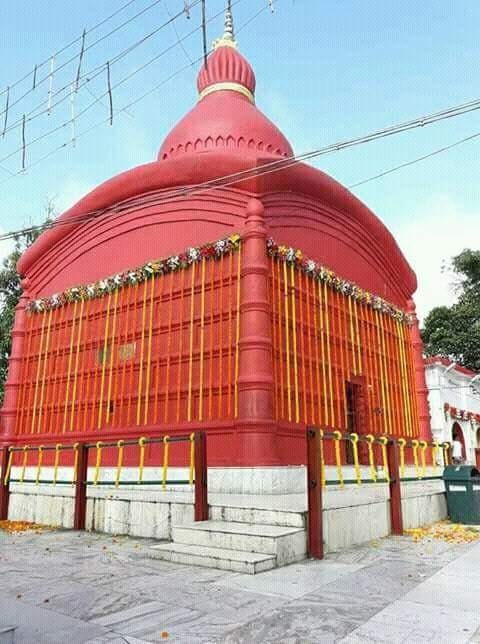
One of the most fascinating aspects of Tripura Sundari Temple is its distinctive architectural style. Unlike the towering North Indian temple structures, Matabari follows the traditional Bengali hut-style design known as the “chala” style. The temple has a curved roof and a square sanctum, giving it a unique and elegant appearance.
The shrine houses two important idols of the Goddess. The larger idol is called “Boro Maa,” while the smaller yet highly revered idol is known as “Chhoto Maa” or Tripura Sundari. The smaller idol is considered the main deity and holds special significance during religious rituals and festivals.
The temple’s red-colored walls and traditional terracotta-inspired features reflect a blend of Bengali and indigenous Tripuri artistic influences. Though simple in comparison to some grand Indian temples, the spiritual atmosphere of the shrine leaves a lasting impression on visitors.
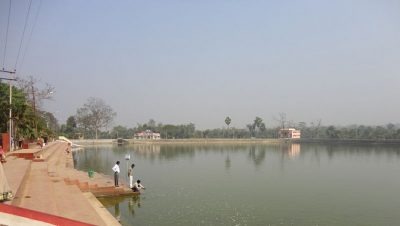
Adjacent to the temple lies the serene Kalyan Sagar Lake, an integral part of the temple complex. The lake is home to sacred tortoises and fishes, which devotees feed as part of their religious offerings. The calm surroundings of the lake add to the peaceful and meditative ambiance of the temple.
Festivals and Religious Celebrations
Tripura Sundari Temple becomes especially vibrant during major Hindu festivals, drawing thousands of pilgrims and tourists every year. The grandest celebration here is the Diwali Mela, also known as the Kali Puja Mela. During this festival, the entire temple complex is illuminated with countless oil lamps, creating a mesmerizing spiritual atmosphere.
Devotees from Assam, West Bengal, and neighboring Bangladesh travel to Matabari to participate in night-long prayers and rituals. The festival grounds come alive with devotional music, traditional performances, food stalls, and local markets.
Apart from Diwali and Kali Puja, festivals such as Durga Puja, Navratri, and Basanti Puja are also celebrated with great devotion. The temple rituals are strongly influenced by Tantric traditions, which makes the shrine particularly important for spiritual seekers and practitioners of Shakti worship.
Daily rituals include morning and evening aartis, offerings of flowers and sweets, and special ceremonies conducted by temple priests. The spiritual energy of the temple attracts not only pilgrims but also travelers interested in India’s rich religious heritage.
Scenic Surroundings and Cultural Atmosphere
The surroundings of Tripura Sundari Temple beautifully reflect the cultural essence of Tripura. Small markets near the temple sell traditional handicrafts, clay lamps, flowers, incense sticks, and local sweets offered as prasad. Among the most popular offerings are peda and khichuri prasad, which are loved by devotees and visitors alike.
The nearby Kalyan Sagar Lake enhances the charm of the temple area. Many visitors spend quiet moments near the lake, enjoying the peaceful environment and observing the sacred tortoises that have become symbolic of the temple complex.
The town of Udaipur itself is rich in history and is often referred to as the “City of Lakes” of Tripura. Apart from Matabari, the town is dotted with ancient temples, royal ruins, and scenic water bodies, making it an attractive destination for both pilgrims and cultural travelers.
Best Time to Visit
The ideal time to visit Tripura Sundari Temple is between October and March, when the weather remains pleasant and suitable for sightseeing. Visiting during Diwali offers a chance to witness the temple at its most vibrant and spiritually uplifting phase.
Monsoon months bring lush greenery to the region, but heavy rainfall can occasionally affect travel plans. Winters, on the other hand, provide comfortable temperatures and a peaceful atmosphere for exploring the temple and nearby attractions.
How to Reach
By Air
The nearest airport is Maharaja Bir Bikram Airport, located around 55 kilometers from the temple. The airport has regular flights connecting major cities such as Kolkata and Guwahati.
By Rail
The nearest railway station is Udaipur Railway Station, situated about 3 kilometers from the temple. The station is connected to Agartala and other parts of North East India.
By Road
Udaipur enjoys good road connectivity with Agartala and neighboring towns through NH-8. Regular buses, taxis, and shared jeeps are available for travelers. The scenic drive through Tripura’s green landscapes adds to the overall travel experience.
Nearby Attractions
Visitors exploring Tripura Sundari Temple can also discover several nearby attractions in and around Udaipur:
- Neermahal – A stunning water palace built in the middle of Rudrasagar Lake.
- Bhubaneswari Temple – An ancient temple associated with Rabindranath Tagore’s literary works.
- Gunabati Group of Temples – Historic temples known for their architectural beauty.
- Jagannath Temple – A beautiful temple showcasing traditional Hindu temple architecture.
Google Maps
FAQs
Why is Tripura Sundari Temple famous?
Tripura Sundari Temple is famous for being one of the 51 sacred Shakti Peethas in Hindu mythology. It is also known for its spiritual importance, ancient history, and unique Bengali-style architecture.
Who built the Tripura Sundari Temple?
The temple was built in 1501 AD by Maharaja Dhanya Manikya, the ruler of the Manikya dynasty of Tripura.
Which Goddess is worshipped at Matabari?
The temple is dedicated to Goddess Tripura Sundari, considered an incarnation of Maa Kali and a powerful form of Divine Shakti.
What is the significance of Kalyan Sagar Lake?
Kalyan Sagar Lake beside the temple is considered sacred. Devotees feed fishes and tortoises in the lake as part of religious offerings and spiritual practices.
When is the best time to visit the temple?
The best time to visit is from October to March. Visiting during Diwali and Kali Puja offers a chance to experience the temple’s grand celebrations.
Is Tripura Sundari Temple suitable for tourists as well as pilgrims?
Yes, the temple attracts both pilgrims and tourists. Apart from its religious importance, visitors come to admire its peaceful surroundings, architecture, and cultural atmosphere.
How far is Tripura Sundari Temple from Agartala?
The temple is approximately 55 kilometers from Agartala and can be reached easily by road in around 1.5 to 2 hours.