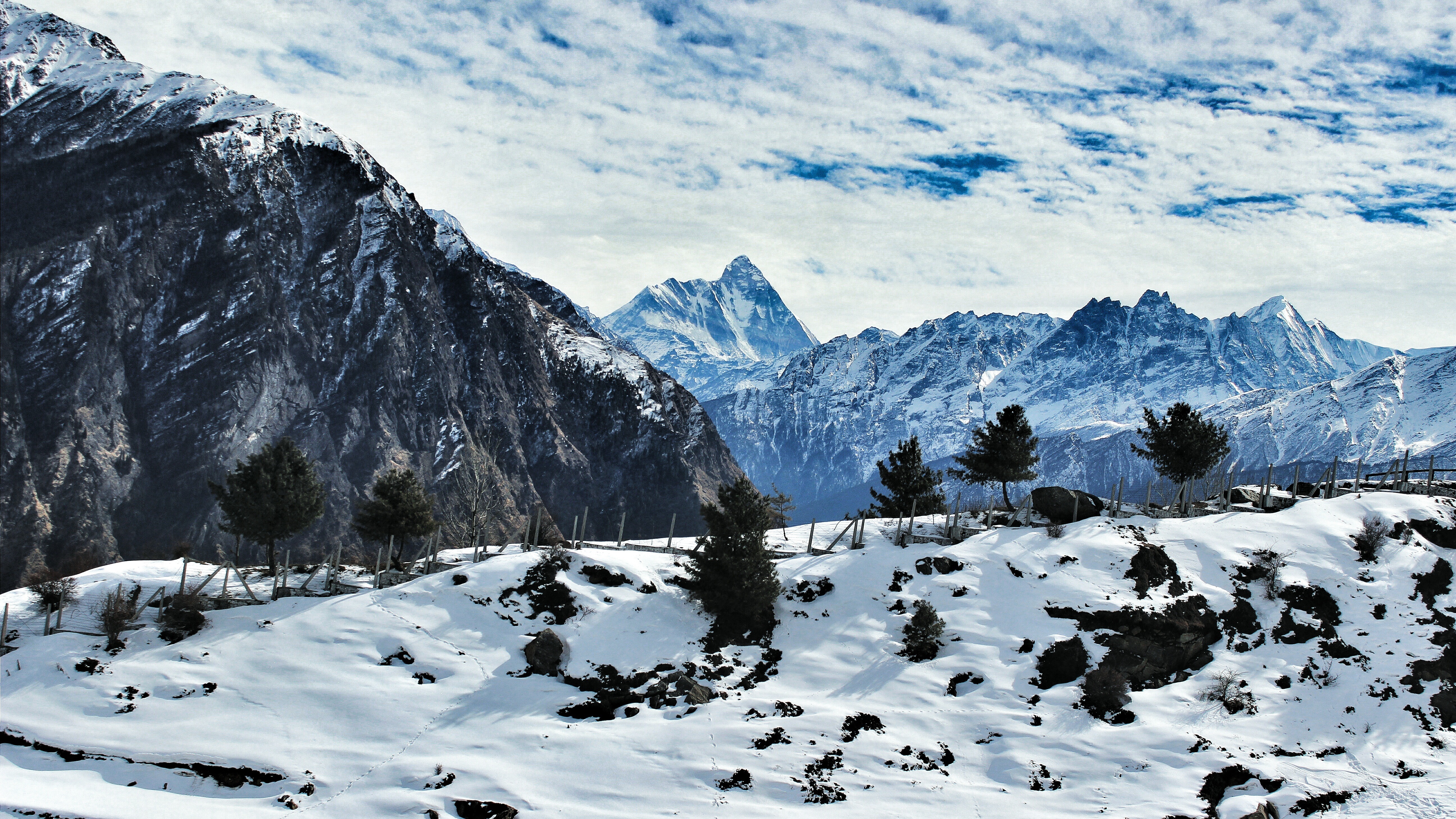
Image Source: Jagveer kajal Rana
About Saptarishi kund
Hidden deep within the rugged Bandarpunch mountain range of Uttarakhand, Saptarishi Kund is one of the most sacred and least-explored high-altitude glacial lakes in the Garhwal Himalayas. Perched at an elevation of approximately 4,421 meters (14,505 feet) above sea level, the lake is traditionally regarded as the original source of the Yamuna River, one of India’s holiest rivers.
Located around 10 km beyond the Yamunotri Temple, Saptarishi Kund is accessible only through a demanding mountain trek that generally takes three to four days, depending on weather conditions, acclimatization, and the trekking route chosen. Unlike the well-traveled pilgrimage to Yamunotri, the trail to Saptarishi Kund is remote, wild, and suitable mainly for experienced trekkers seeking solitude and adventure.
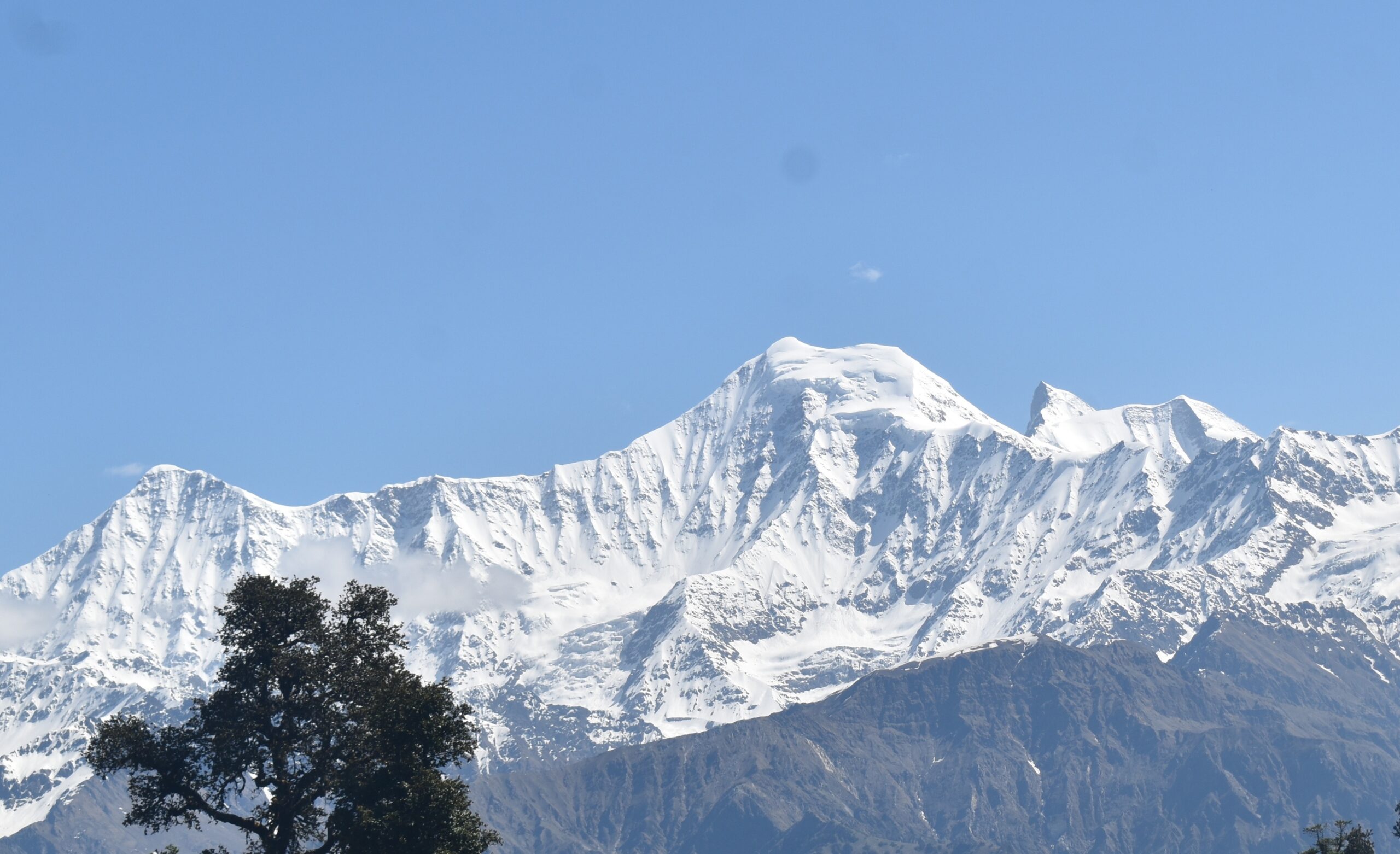
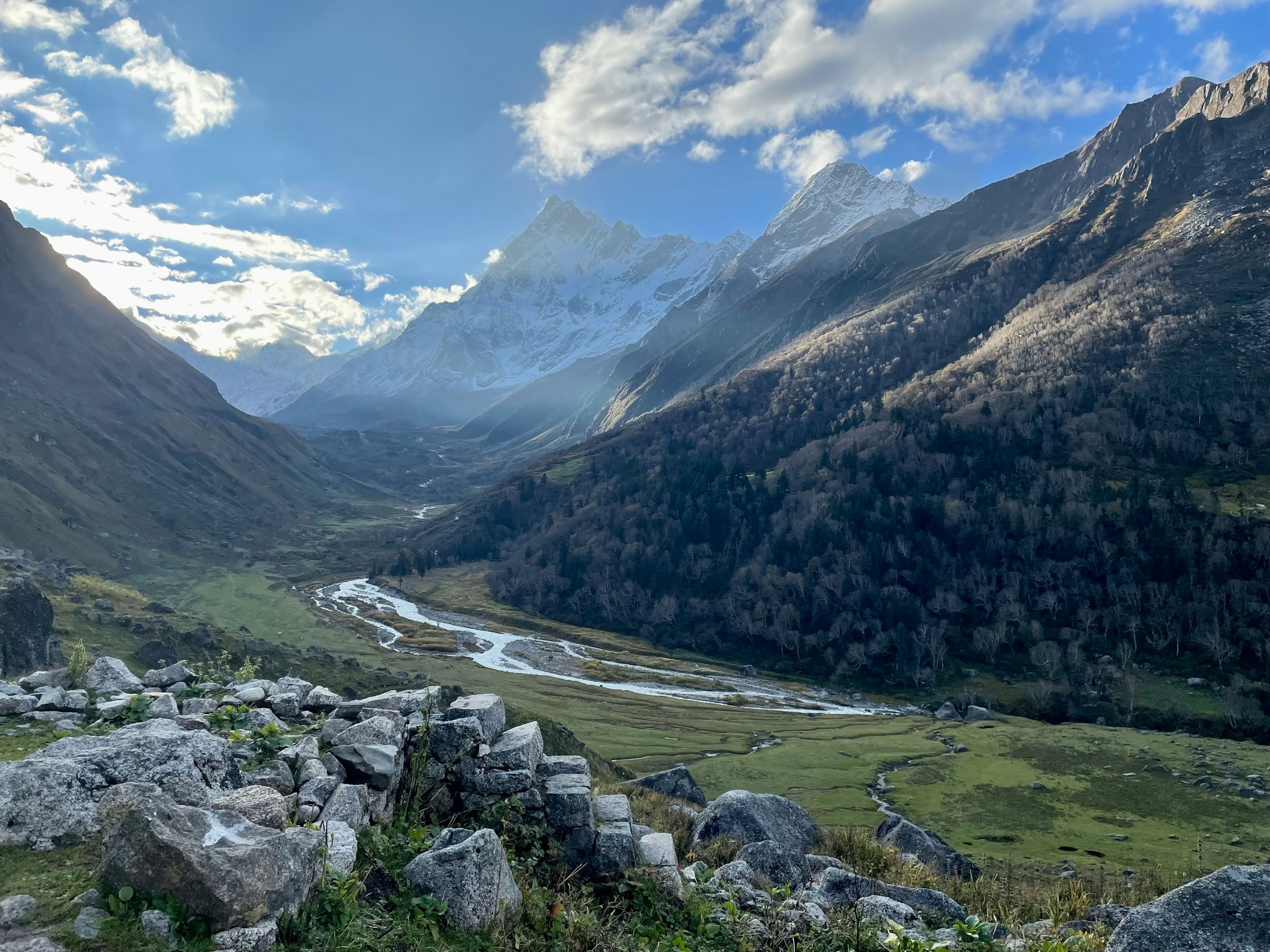
The reward for completing this challenging journey is breathtaking. The crystal-clear turquoise waters of the lake reflect the towering snow-covered peaks of the Bandarpunch massif, creating a spectacular Himalayan panorama. Stretching nearly half a kilometer in diameter, the lake is fed by meltwater cascading from nearby glaciers. Its shoreline is covered with natural slate rocks, while the surrounding alpine meadows bloom with the rare and revered Brahma Kamal, Uttarakhand’s state flower, during the short summer season. The untouched landscape, crisp mountain air, and spiritual atmosphere make Saptarishi Kund a destination unlike any other in the region.
Mythological Significance of Saptarishi Kund
Saptarishi Kund derives its name from the Sapta Rishis, the seven great sages of Hindu tradition—Kashyapa, Atri, Bharadwaja, Vishwamitra, Gautama, Jamadagni, and Vashistha. According to ancient beliefs, these revered sages performed intense meditation and penance on the shores of this sacred lake. Their spiritual practices are said to have sanctified the entire region, making it one of the holiest places in the upper Yamuna valley.
Many devotees believe that the pure waters emerging from Saptarishi Kund eventually become the sacred Yamuna River, which is worshipped across northern India. Although most pilgrims visit the Yamunotri Temple, only a small number continue onward to Saptarishi Kund because of its difficult terrain. Those who undertake the journey often describe it as both a physical challenge and a deeply spiritual experience.
Trek to Saptarishi Kund
The trek to Saptarishi Kund is among the more demanding high-altitude hikes in Uttarakhand and is recommended only for experienced trekkers with good physical fitness. The route begins from Yamunotri, passing through dense forests of pine, birch, and rhododendron before steadily climbing toward the alpine zone.
During the first few kilometers, the trail ascends gradually through rocky forest paths. As the elevation increases, the vegetation begins to thin out, giving way to vast meadows, glacial moraines, and barren mountain slopes. The final section of the trek is considerably steeper and involves navigating loose rocks, boulders, and snow patches, especially during the early trekking season. Strong glacial winds are common near the lake, making weather conditions unpredictable even during summer.
Since there are no established campsites along much of the route, trekkers need to carefully choose safe locations for overnight camping. Camping directly beside Saptarishi Kund is generally discouraged because of extremely strong winds, freezing night temperatures, and the lack of natural shelter. Hiring an experienced local guide from Janki Chatti or Yamunotri is highly recommended, as the trail is not well-marked and can become confusing in poor weather.
The best time to attempt the trek is between late May and early October, when snow has largely melted and the trail is relatively accessible. Even during this period, trekkers should carry proper trekking equipment, warm clothing, waterproof gear, and sufficient food supplies, as there are no permanent facilities beyond Yamunotri.
How to Reach Saptarishi Kund
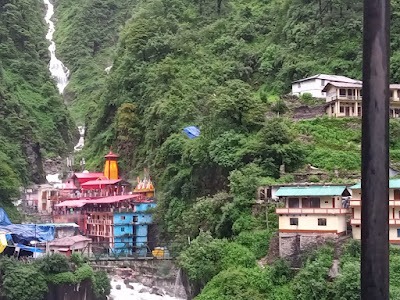
Reaching Saptarishi Kund requires both road travel and trekking. The nearest major town is Barkot, which is well connected by road to Dehradun, Rishikesh, and Haridwar. From Barkot, travelers drive to Janki Chatti, the last motorable point on the Yamunotri route. A 5-kilometer trek from Janki Chatti leads to the Yamunotri Temple, where most pilgrims conclude their journey.
The trek to Saptarishi Kund begins beyond Yamunotri and follows a rugged mountain trail into the upper reaches of the Bandarpunch range. Because the route is remote and lacks clear signboards or permanent infrastructure, hiring a certified local trekking guide is strongly advised. The nearest railway station is Dehradun Railway Station, while the closest airport is Jolly Grant Airport, Dehradun, located around 210–220 km from Janki Chatti.
Nearby Attractions
Yamunotri Temple
One of the four sacred shrines of the Char Dham Yatra, Yamunotri Temple is dedicated to Goddess Yamuna and attracts thousands of pilgrims every year.
Janki Chatti
A picturesque Himalayan village that serves as the base for the Yamunotri trek. It offers guesthouses, hot springs, and beautiful mountain scenery.
Hanuman Chatti
Located at the confluence of the Hanuman Ganga and Yamuna rivers, Hanuman Chatti is known for its peaceful surroundings and as a starting point for several trekking routes.
Bandarpunch Peak
One of the prominent peaks of the Garhwal Himalayas, Bandarpunch dominates the skyline around Saptarishi Kund and is popular among experienced mountaineers.
Barkot
A scenic hill town on the banks of the Yamuna River, Barkot is famous for apple orchards, mountain views, and its role as a gateway to Yamunotri.
Kharsali Village
Known for its ancient Shani Dev Temple and traditional wooden houses, Kharsali offers visitors an authentic glimpse into the culture of the Yamuna Valley.
Maps
FAQs
Is Saptarishi Kund the actual source of the Yamuna River?
According to Hindu tradition, Saptarishi Kund is regarded as the original glacial source of the Yamuna River, although the river is worshipped at Yamunotri, where most pilgrims visit.
How difficult is the Saptarishi Kund trek?
The trek is considered moderate to difficult due to its high altitude, steep rocky terrain, glacier crossings, and unpredictable weather. It is best suited for experienced trekkers.
How many days are required for the trek?
Most trekkers complete the journey in 3 to 4 days, depending on weather conditions, fitness level, and camping plans.
Do I need a guide?
Yes. The trail is remote, poorly marked, and passes through challenging terrain. Hiring an experienced local guide is strongly recommended for both safety and navigation.
What is the best time to visit Saptarishi Kund?
The ideal time is late May to early October, when the snow has receded and trekking conditions are generally favorable.
Can beginners attempt the trek?
Beginners with excellent fitness may attempt it under the supervision of an experienced guide, but prior high-altitude trekking experience is highly recommended.
Are accommodation and food available on the trek?
Accommodation and food are available up to Janki Chatti and Yamunotri, but beyond Yamunotri there are no permanent facilities. Trekkers must carry camping equipment, food, and other essentials.