Image Source: Google User
About Gorakhnath Temple
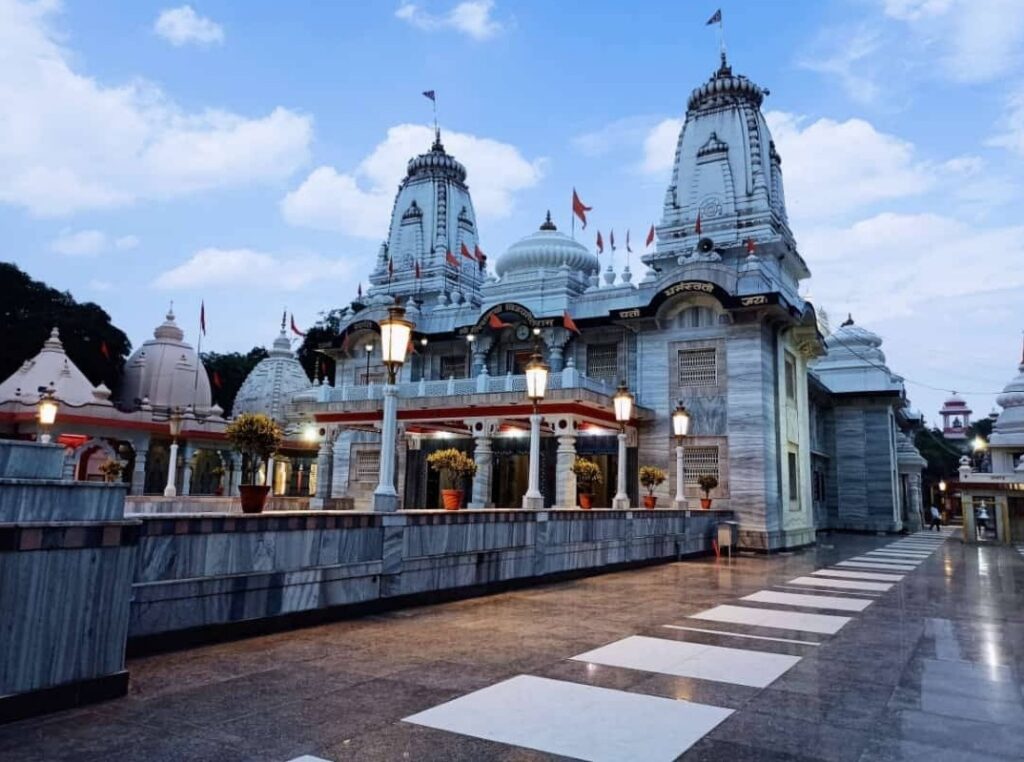
The Gorakhnath Temple in Gorakhpur, Uttar Pradesh, is one of the most significant Hindu pilgrimage centers in North India. Dedicated to Guru Gorakhnath, the founder of the Nath monastic order, the temple is not only a religious site but also a spiritual and cultural hub.
It holds immense importance for followers of the Nath tradition and is a symbol of devotion, discipline, and yogic practices. The temple also serves as a center for community service, education, and cultural preservation, making it a landmark that blends spirituality with social impact.
Historical and Religious Significance
The origins of the Gorakhnath Temple are deeply rooted in the Nath tradition, which emphasizes yoga, meditation, and asceticism. Guru Gorakhnath, who lived around the 11th–12th century, was a revered yogi, philosopher, and saint.
He is considered an incarnation of Lord Shiva and a reformer who spread the teachings of the Nath Panth. The temple was established to honor his memory and teachings and has since become the headquarters of the Nath sect. Over centuries, the temple has been a seat of spiritual learning, attracting yogis, devotees, and scholars from across India and beyond.
Architectural Features
The temple’s architecture reflects a blend of traditional Hindu design and modern construction. The main shrine houses the idol of Guru Gorakhnath in a meditative pose, symbolizing peace and spiritual discipline. The temple complex also includes various smaller shrines, prayer halls, and dharamshalas (resting places for pilgrims). The atmosphere inside the temple is serene, with chants and rituals performed daily, reinforcing its spiritual aura.
Cultural Importance
Beyond being a religious site, the Gorakhnath Temple has played a crucial role in promoting education, health, and cultural activities in the region. The temple trust runs several schools, hospitals, and charitable organizations, making it a beacon of community welfare. The annual Makar Sankranti Mela at the temple attracts thousands of pilgrims and visitors, turning the premises into a lively center of devotion, trade, and festivity.
How to Reach
Gorakhnath Temple is located in the heart of Gorakhpur city and is easily accessible.
By Air: The nearest airport is Mahayogi Gorakhnath Airport (GOP) in Gorakhpur, about 8 km away.
By Rail: Gorakhpur Junction is a major railway hub in North India, well-connected to cities like Delhi, Lucknow, Kolkata, and Mumbai. The temple is just a few kilometers from the station.
By Road: Gorakhpur has good road connectivity through state and national highways. Regular buses and taxis operate from nearby cities like Lucknow, Varanasi, and Patna.
Nearby Attractions
1. Gorakhnath Museum
Located within the Gorakhnath Temple complex, the Gorakhnath Museum showcases the history of the Nath tradition, ancient manuscripts, sculptures, religious artifacts, and cultural exhibits. It offers visitors a deeper understanding of the spiritual legacy associated with Guru Gorakhnath.
2. Bhim Sarovar
Situated inside the temple premises, Bhim Sarovar is a sacred pond associated with legends from the Mahabharata. The peaceful surroundings make it a popular place for meditation and relaxation after visiting the temple.
3. Geeta Vatika
About 4 km from the temple, Geeta Vatika is a serene spiritual center known for continuous chanting of the Hare Rama and Hare Krishna Mahamantra. The beautifully maintained gardens and peaceful atmosphere attract devotees and visitors alike.
4. Railway Museum
The Railway Museum highlights the rich history of Indian Railways, featuring vintage locomotives, railway artifacts, miniature train models, and interactive exhibits. It is an excellent destination for families and railway enthusiasts.
5. Veer Bahadur Singh Planetarium
Located near Ramgarh Tal, the planetarium offers fascinating astronomy shows, educational exhibits, and multimedia presentations, making it an enjoyable attraction for children and science lovers.
6. Ramgarh Tal Lake
One of Gorakhpur’s most popular recreational spots, Ramgarh Tal is a large freshwater lake offering boating, lakeside parks, walking paths, and scenic sunset views. The area has become a favorite destination for evening outings.
7. Kushmi Forest
Located on the outskirts of Gorakhpur, Kushmi Forest is a green escape known for its walking trails, birdlife, and peaceful natural surroundings. It is ideal for nature lovers looking to spend a few hours away from the city.
8. Vinod Van
Situated near Ramgarh Tal, Vinod Van is a recreational park featuring gardens, children’s play areas, picnic spots, and a small zoo. It is a popular destination for families.
9. Imambara
The historic Imambara of Gorakhpur is known for its impressive architecture and cultural significance. It attracts visitors throughout the year, especially during Muharram, when religious processions and ceremonies are held.
10. Arogya Mandir
Arogya Mandir is a well-known naturopathy and wellness center where visitors can learn about natural healing therapies, yoga, and holistic health practices.
Google Maps
FAQs
1. What is Gorakhnath Temple famous for?
Gorakhnath Temple is one of the most important centers of the Nath tradition and is dedicated to Guru Gorakhnath, a revered yogi and saint. The temple is known for its spiritual significance, beautiful architecture, and annual Khichdi Mela.
2. What are the temple timings?
The temple generally remains open from early morning until late evening, allowing devotees to participate in daily prayers and rituals throughout the day.
3. Is there an entry fee to visit Gorakhnath Temple?
No. Entry to the temple complex is free for all visitors.
4. What is the best time to visit Gorakhnath Temple?
The ideal time to visit is between October and March, when the weather is pleasant. Visiting during Makar Sankranti allows visitors to witness the famous Khichdi Mela, one of the region’s largest religious fairs.
5. How much time should I spend at the temple?
Most visitors spend 1 to 2 hours exploring the temple complex, museum, Bhim Sarovar, and surrounding gardens.
6. Are photography and mobile phones allowed?
Photography is generally allowed in the open areas of the temple complex, but visitors should follow the rules regarding photography inside prayer halls and sanctums.
7. Is parking available at the temple?
Yes, parking facilities are available near the temple for both private vehicles and buses.
8. Which is the nearest railway station and airport?
The nearest railway station is Gorakhpur Junction, one of India’s busiest railway stations, located about 4 km from the temple. The nearest airport is Mahayogi Gorakhnath Airport, approximately 8 km away.
9. Can I visit the nearby attractions in one day?
Yes. Most attractions, including Ramgarh Tal, Geeta Vatika, the Railway Museum, Veer Bahadur Singh Planetarium, and the Imambara, are located within Gorakhpur city and can comfortably be explored in a single day.
10. Is Gorakhnath Temple suitable for family visits?
Yes. The temple has a spacious and well-maintained campus with gardens, a museum, a sacred pond, and peaceful surroundings, making it an excellent destination for families, pilgrims, and tourists alike.