Sarnath
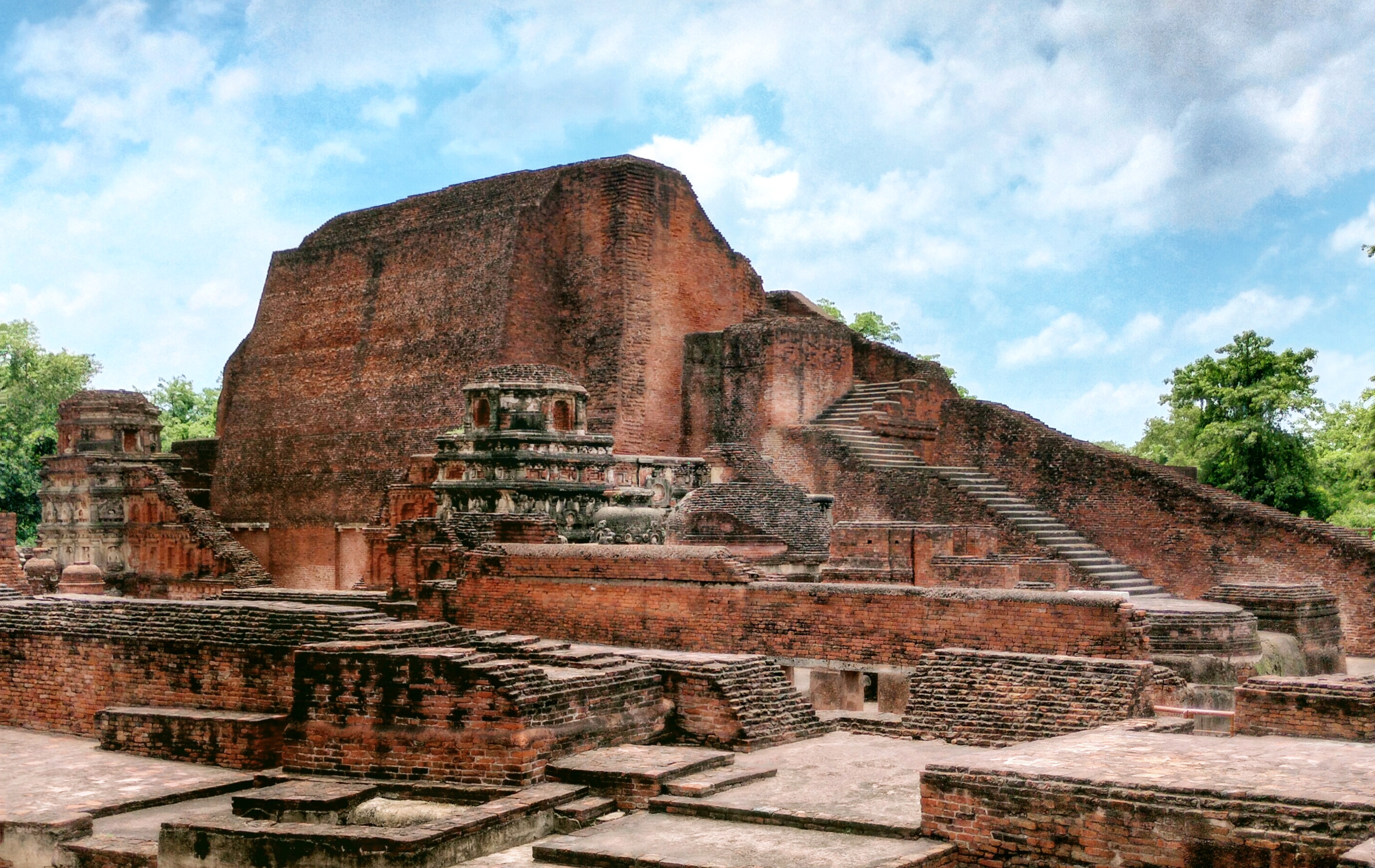
Located just a few kilometres from Varanasi, Sarnath is one of the most revered sites in Buddhist history.It was here that Lord Buddha delivered his first sermon after attaining enlightenment in Bodh Gaya, setting in motion the Dharmachakra Pravartan — the “Turning of the Wheel of Dharma.” Sarnath is a symbol of peace, wisdom, and spiritual awakening that attracts pilgrims, historians, and travellers from all over the world.
Sarnath serene ambience, ancient stupas, monasteries, and museums narrate the story of India’s profound philosophical heritage.
Geography and Overview
Sarnath is located about 10 km northeast of Varanasi, in the Varanasi district of Uttar Pradesh, at the confluence of the Ganga and Varuna rivers. The area has a flat alluvial plain typical of the Gangetic region, with fertile soil and a subtropical climate.
History
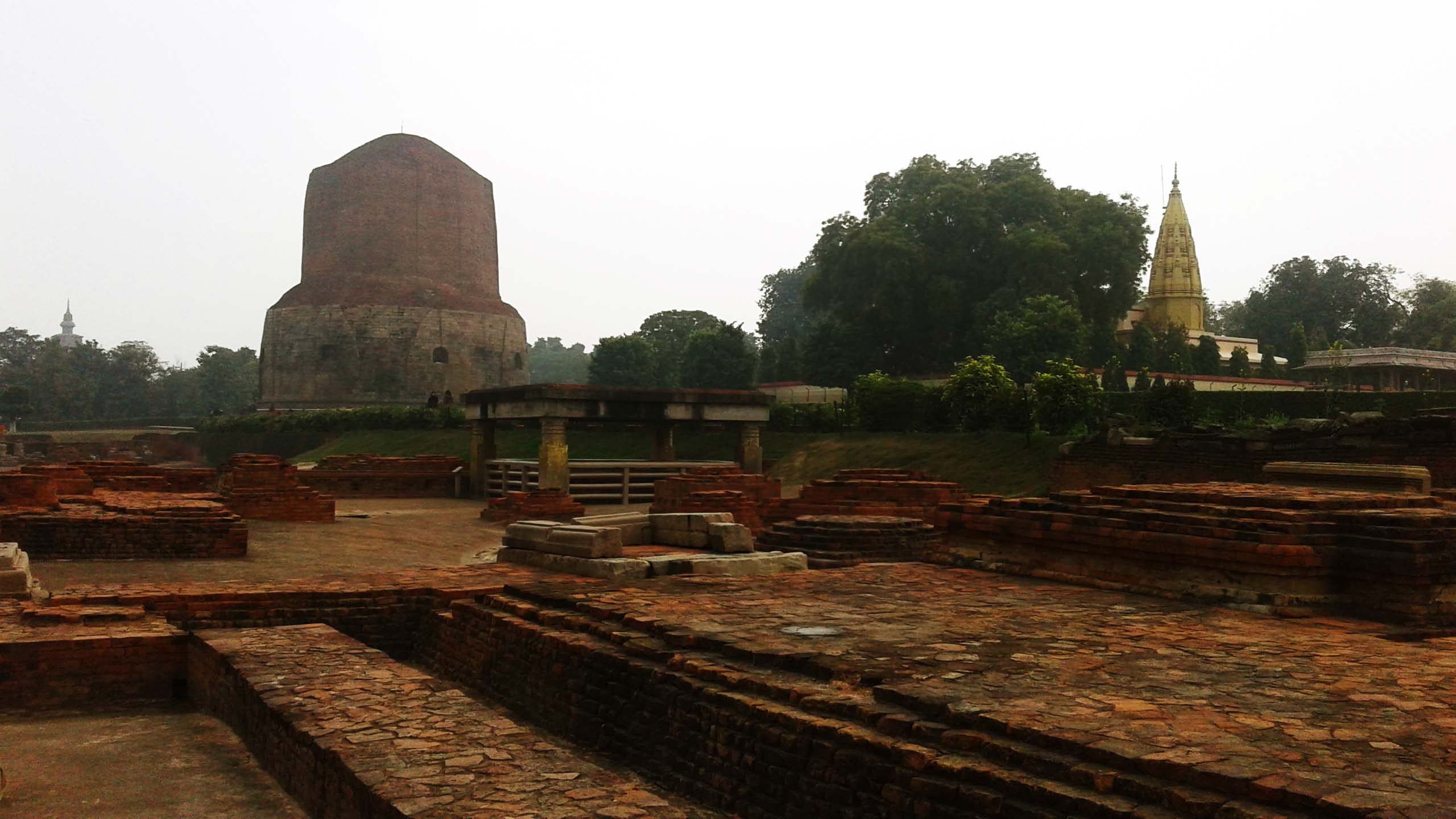
Sarnath’s historical significance dates back to the 6th century BCE, when Gautama Buddha arrived here after enlightenment and gave his first sermon to five disciples, establishing the Sangha (Buddhist community). Over time, Sarnath evolved into a major center for Buddhist learning, supported by rulers like Emperor Ashoka, who built stupas and monasteries here. The famous Ashokan Pillar, now partly preserved, once bore the Lion Capital, which later became India’s National Emblem. During the Gupta period (4th–6th century CE), Sarnath reached its architectural zenith, with exquisite sculptures and temples. However, the city declined after the 12th century due to invasions, until rediscovered by British archaeologists in the 19th century.
Culture and Spiritual Significance
Sarnath embodies the essence of Buddhist philosophy, emphasizing peace, compassion, and enlightenment. The site holds immense spiritual importance for Buddhists, who visit from countries like Thailand, Japan, Sri Lanka, and Myanmar. The influence of Buddhist culture is evident in the monasteries, stupas, and temples built by international Buddhist communities. Sarnath’s calm and meditative environment offers visitors a retreat from the bustle of nearby Varanasi. The area also celebrates Buddha Purnima, marking the birth, enlightenment, and death of Buddha, with grand ceremonies and prayers.
Best time to visit Sarnath
The ideal time to visit Sarnath is from October to March, when the weather is cool and pleasant.
Winter (October–March): Perfect for sightseeing and outdoor exploration.
Summer (April–June): Hot and dry, though mornings and evenings are manageable.
Monsoon (July–September): The landscape turns lush, adding a different charm to the ruins.
Top Attractions in Sarnath
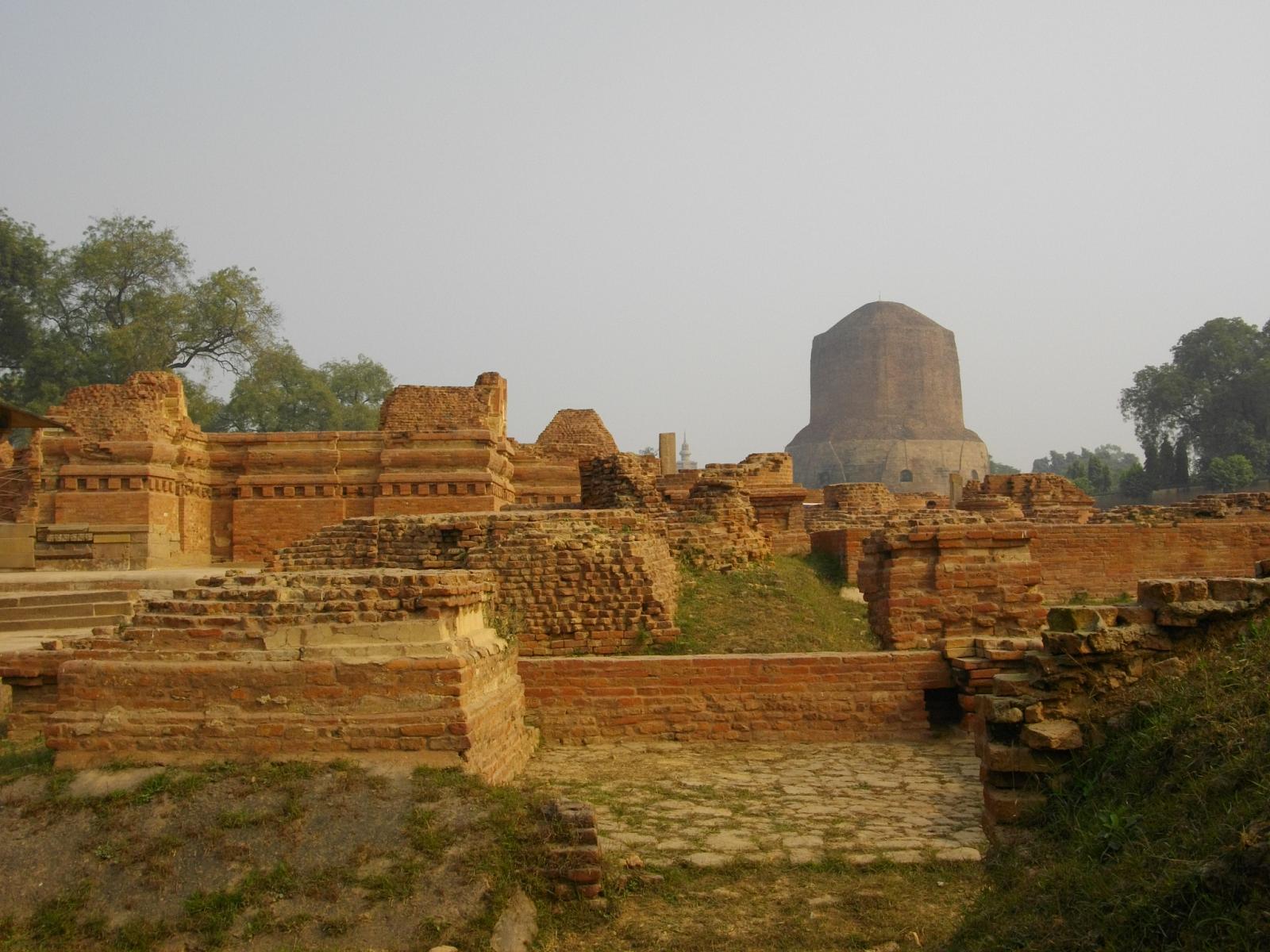
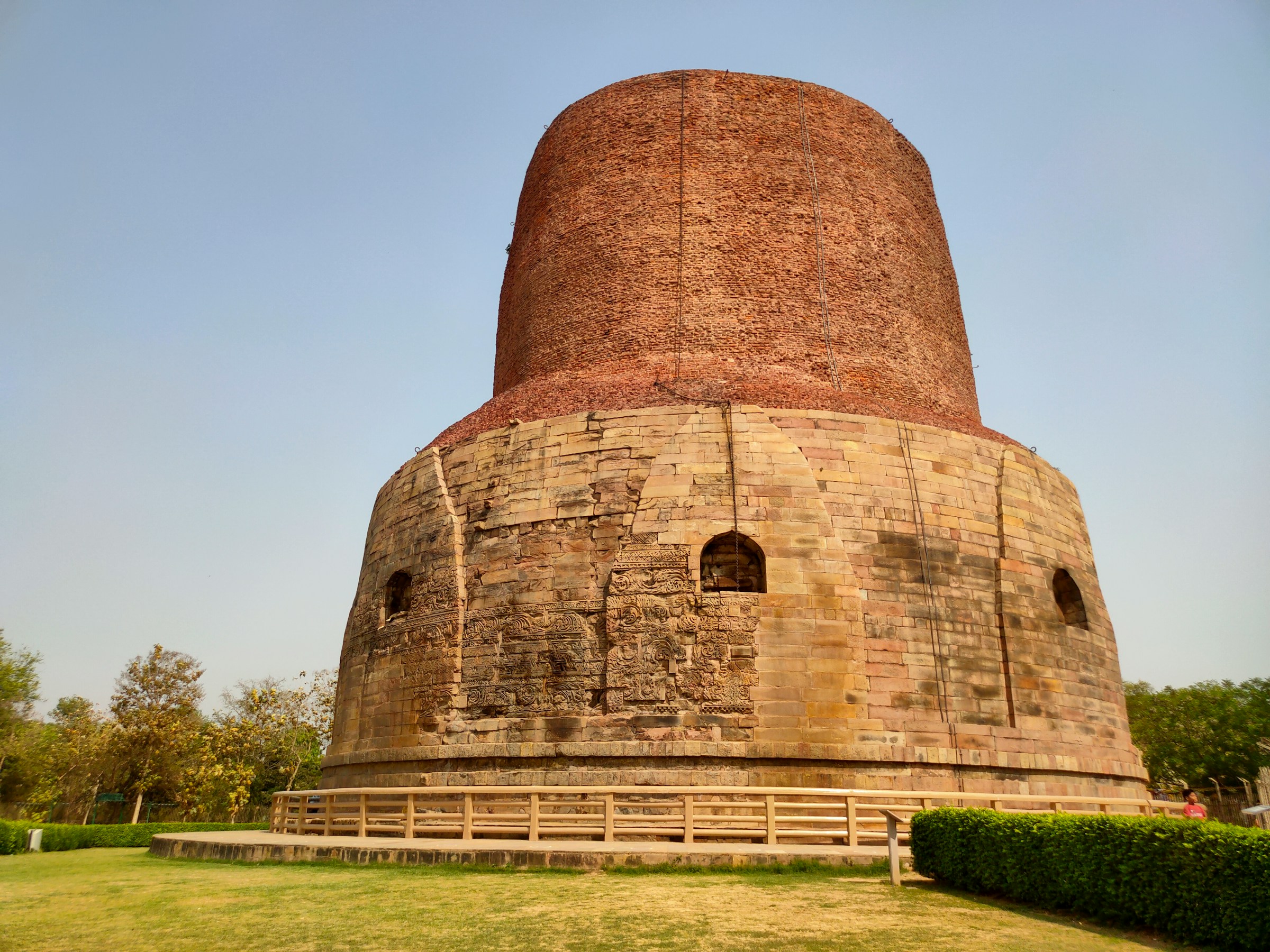
Dhamek Stupa: A massive stone and brick structure marking the exact spot where Buddha delivered his first sermon. Its intricate carvings and imposing size make it the centerpiece of Sarnath.
Chaukhandi Stupa: Believed to mark the place where Buddha first met his five disciples; later crowned with a Mughal-era octagonal tower.
Ashoka Pillar: The remains of Emperor Ashoka’s pillar, with inscriptions of his edicts; its Lion Capital is now India’s national emblem.
Mulagandha Kuti Vihara: A modern temple built by the Mahabodhi Society with beautiful frescoes depicting Buddha’s life and relics preserved inside.
Sarnath Archaeological Museum: Houses some of India’s finest ancient sculptures, including the Lion Capital of Ashoka, Buddhist icons, and artifacts from the Mauryan and Gupta periods.
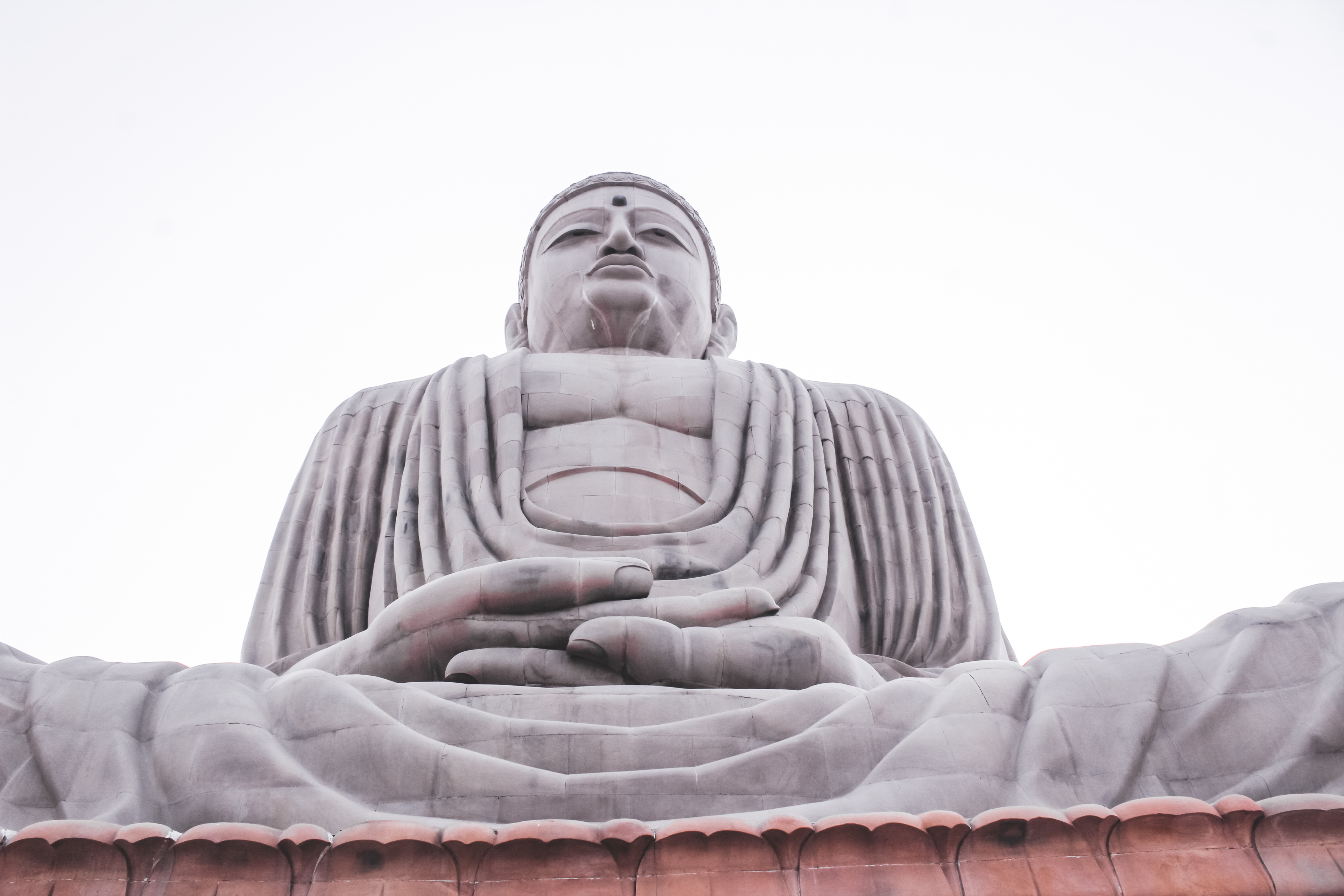
Thai Temple and Monastery: Built by the Thai community, it features a stunning Buddha statue and peaceful gardens.
Tibetan Monastery: A vibrant spiritual center adorned with colorful prayer flags and Thangka paintings.
Things to Do in Sarnath
Meditate near Dhamek Stupa to experience tranquility in the same setting where Buddha taught his first disciples.
Visit the Sarnath Archaeological Museum to see masterpieces of Buddhist art and relics.
Attend Buddha Purnima celebrations, featuring chanting, prayers, and cultural performances.
Explore the international monasteries representing Thailand, Japan, Tibet, and Myanmar for their diverse architecture and rituals.
Take a guided heritage walk through ancient ruins and stupas to learn about Sarnath’s spiritual history.
Buy Buddhist handicrafts, Thangka paintings, and spiritual souvenirs from local artisans.
Capture the sunset view near Dhamek Stupa, reflecting the serenity and sanctity of this sacred land.
How to Reach Sarnath?

BY ROAD
Sarnath is well-connected by road from Varanasi (30 minutes by car).

BY TRAIN
The Varanasi Junction (Cantt Station) is the nearest major railhead (around 10 km away).

BY AIR
The nearest airport is Lal Bahadur Shastri International Airport, Varanasi (approximately 25 km).
Top Tourist Attractions in Sarnath
Sarnath, a sacred town near Varanasi in Uttar Pradesh, is renowned for its Buddhist heritage, ancient stupas, and spiritual significance. Famous for attractions like the Dhamek Stupa, Chaukhandi Stupa, Sarnath Archaeological Museum, and Mulagandha Kuti Vihara, Sarnath attracts spiritual travelers, history enthusiasts, and cultural explorers. The top tourist attractions in Sarnath offer a captivating blend of religious heritage, historic architecture, and serene surroundings.