About Sarnath
Just a short drive from the ancient city of Varanasi, Sarnath is one of the most sacred Buddhist destinations in the world. Located around 10 kilometers from Varanasi, this peaceful town is deeply connected to the life of Gautama Buddha and holds immense religious, historical, and cultural importance. It was here, after attaining enlightenment at Bodh Gaya, that Buddha delivered his first sermon to his five disciples. This moment, known as the “Dhammachakrapravartana” or the “Turning of the Wheel of Dharma,” marked the beginning of Buddhism as a spiritual tradition that would eventually spread across Asia and the world.
Today, Sarnath welcomes pilgrims, monks, scholars, photographers, and travelers from many countries. While Varanasi is known for its vibrant ghats and spiritual intensity, Sarnath offers a calmer and more meditative atmosphere. Walking through its ancient ruins, monasteries, and gardens gives visitors a glimpse into the roots of Buddhist philosophy and India’s rich spiritual heritage.
Historical Importance of Sarnath
Sarnath has a history that stretches back more than two thousand years. After Buddha’s first sermon, the place gradually evolved into an important center for Buddhist learning and monastic life. During the reign of Ashoka in the 3rd century BCE, Sarnath flourished under royal patronage. Emperor Ashoka played a major role in spreading Buddhism and constructed several stupas, monasteries, and pillars at the site to preserve Buddha’s teachings.
One of the most remarkable symbols of Sarnath is the famous Ashoka Pillar. Though the original pillar is damaged today, its Lion Capital remains one of the finest examples of Mauryan art and was later adopted as the national emblem of India. The site continued to prosper for centuries and became a renowned center of Buddhist education during the Gupta period.
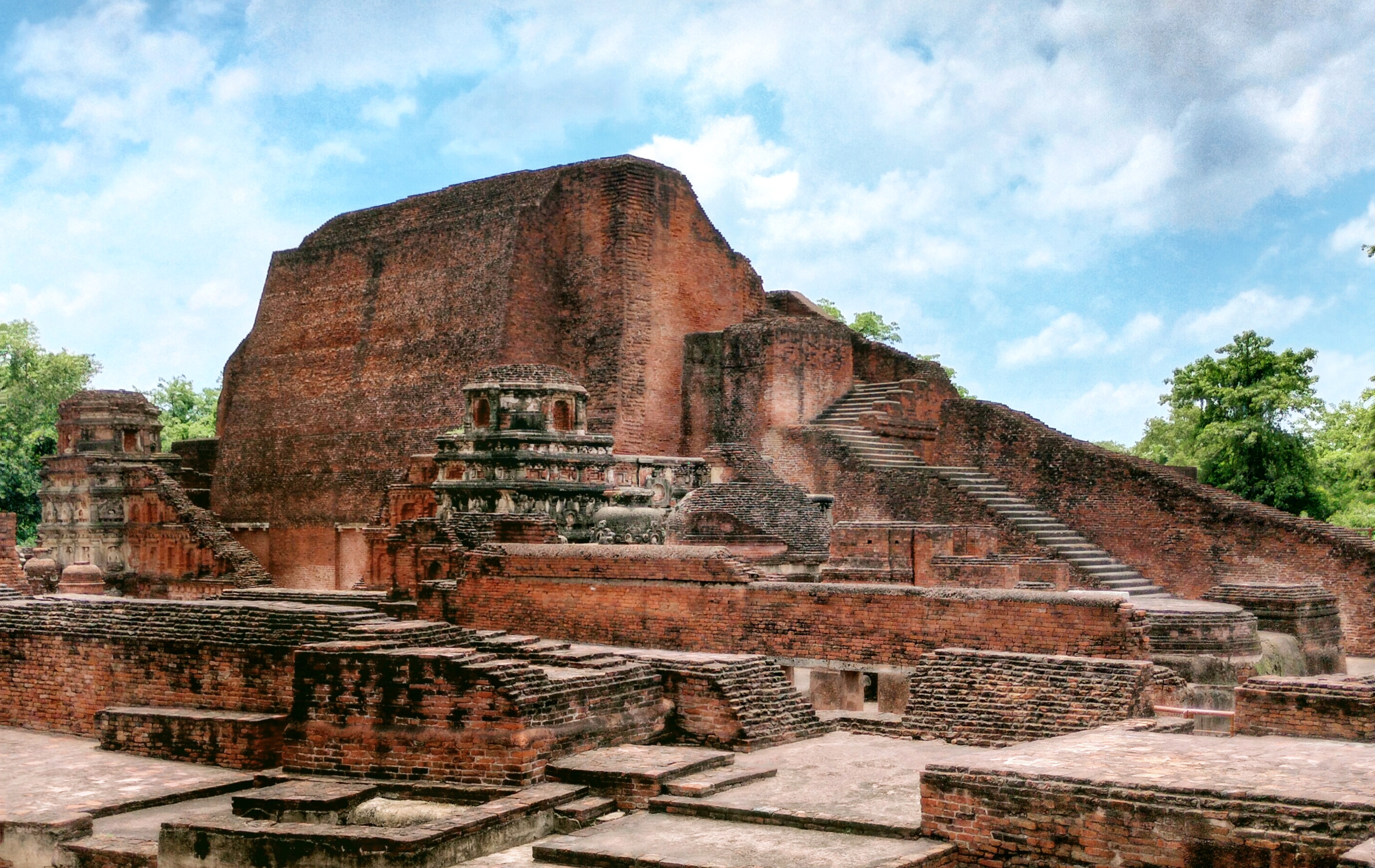
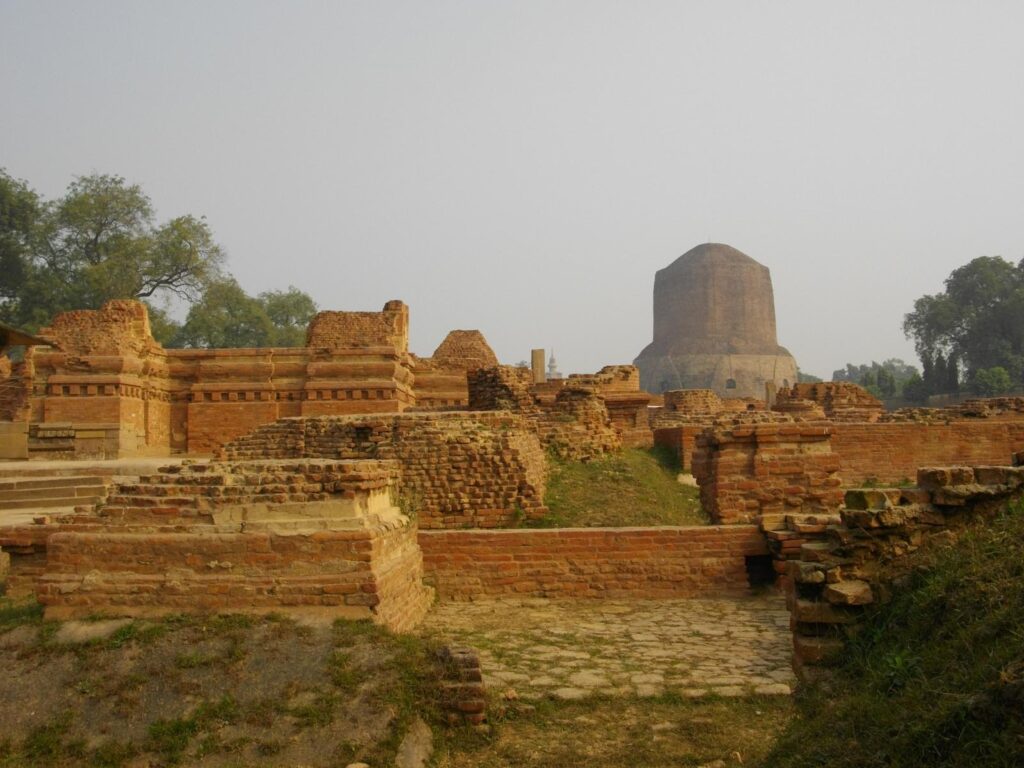
However, like many ancient Indian centers of learning, Sarnath suffered destruction during medieval invasions. Many monasteries and structures were damaged or abandoned over time. Despite this, the surviving ruins still reflect the grandeur of an era when Sarnath stood among the most important Buddhist centers in the world.
Major Attractions in Sarnath
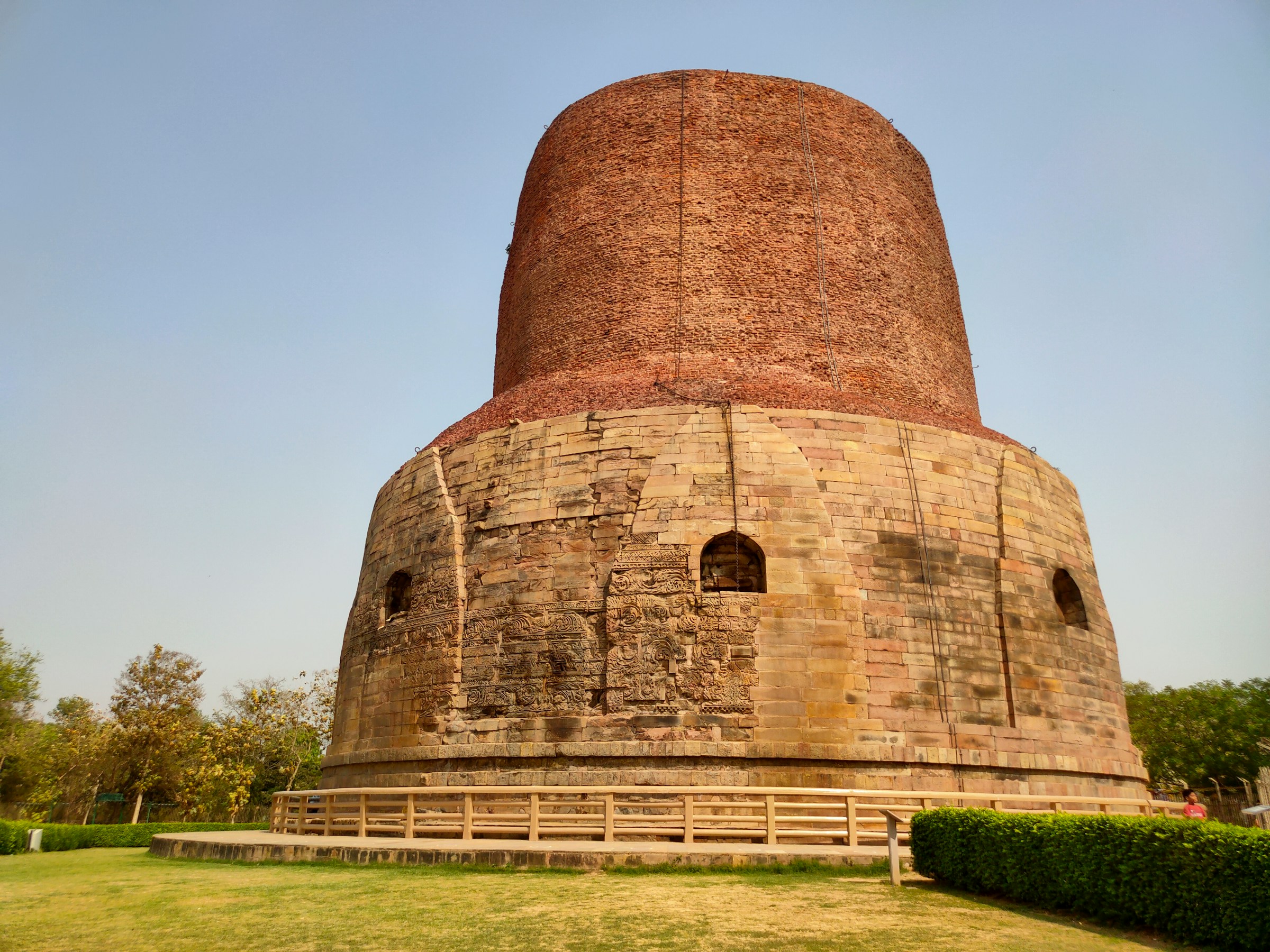
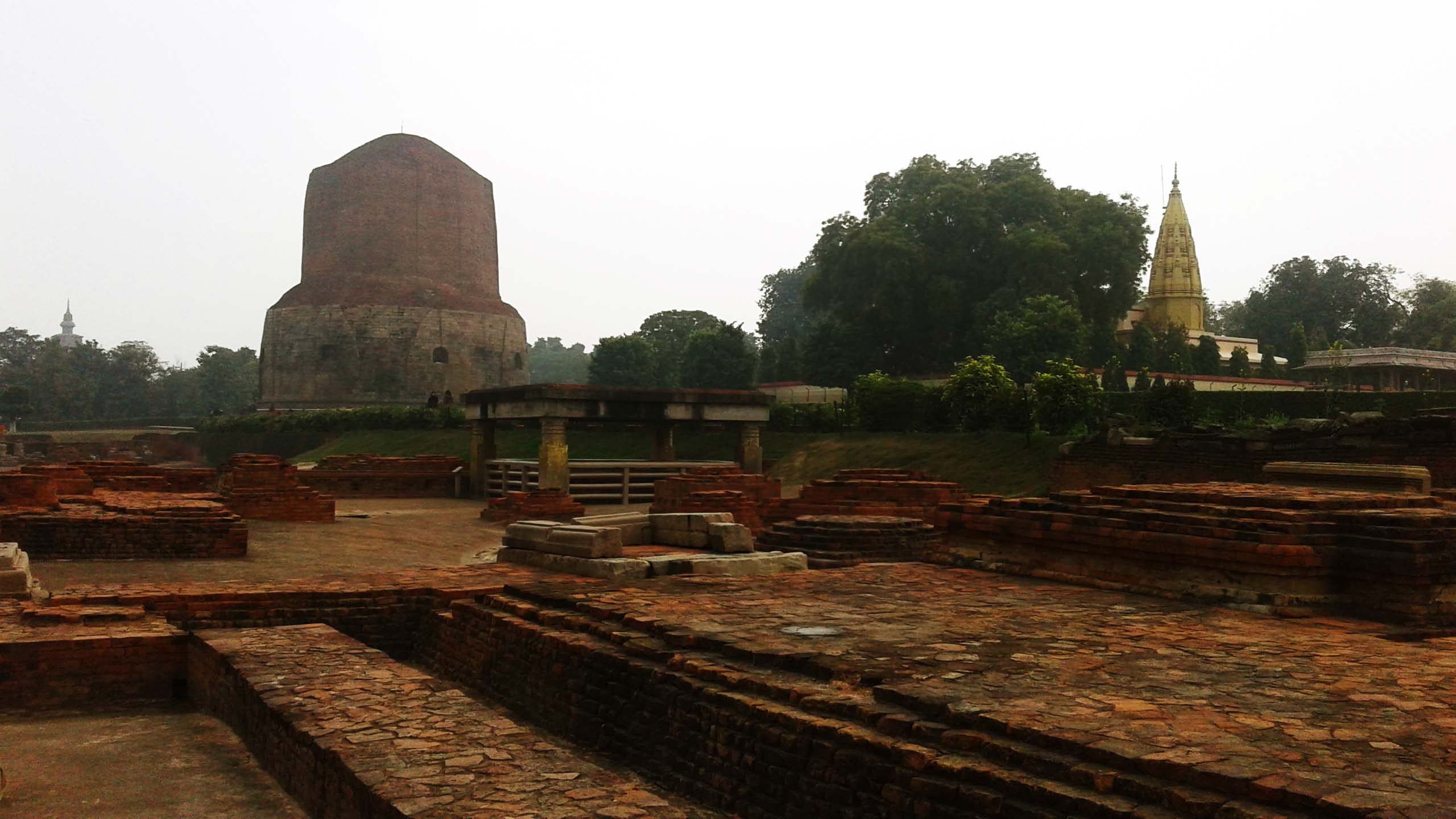
The Dhamek Stupa is the most iconic monument in Sarnath and is believed to mark the exact place where Buddha gave his first sermon. Built with massive stone and brick masonry, the stupa rises impressively above the surrounding ruins. Its beautifully carved floral and geometric patterns showcase remarkable ancient craftsmanship. Pilgrims often walk around the stupa in prayer while monks chant nearby, creating a deeply spiritual atmosphere.
Chaukhandi Stupa
This historic stupa commemorates the place where Buddha is believed to have met his first five disciples before delivering his sermon. The structure combines Buddhist and Mughal architectural influences, making it historically unique. The peaceful surroundings and elevated setting also make it a pleasant place for visitors to explore.
Mulagandha Kuti Vihara
Built by the Mahabodhi Society, this modern Buddhist temple is one of the most serene places in Sarnath. Inside the temple, visitors can admire beautiful frescoes depicting important events from Buddha’s life. The temple complex also contains a sacred Bodhi tree believed to have originated from the lineage of the tree under which Buddha attained enlightenment.
Sarnath Archaeological Museum
The museum is a treasure trove for history lovers and houses some of the finest Buddhist sculptures discovered in the region. The highlight is the original Lion Capital of Ashoka, India’s national emblem. Visitors can also see elegant Gupta-era Buddha statues, inscriptions, and relics that provide insight into ancient Buddhist art and culture.
Spiritual Atmosphere and Cultural Experience
What makes Sarnath truly special is its peaceful spiritual environment. Unlike crowded tourist destinations, Sarnath maintains a sense of calm that encourages reflection and meditation. Monks dressed in maroon, saffron, and grey robes can often be seen chanting prayers or quietly walking through the temple grounds.
Monasteries built by Buddhist communities from countries such as Thailand, Japan, Tibet, Myanmar, and Sri Lanka add an international character to the town. Each monastery reflects the architectural style and traditions of its home country, giving visitors a unique cultural experience within a small area.
One of the best times to witness the spiritual energy of Sarnath is during Buddha Purnima. The festival celebrates the birth, enlightenment, and death of Buddha and attracts thousands of pilgrims from around the world. Prayer ceremonies, meditation sessions, and cultural programs make the town especially vibrant during this period.
Best Time to Visit Sarnath
The ideal time to visit Sarnath is between October and March when the weather remains pleasant and suitable for sightseeing. Winters are comfortable, making it easier to explore the archaeological sites and monasteries during the day. Summers can become quite hot, especially during May and June, while the monsoon season brings occasional heavy rainfall.
Early mornings and evenings are particularly peaceful and offer a more spiritual experience, especially around the stupas and temple gardens.
Local Food and Nearby Experiences
While visiting Sarnath, travelers can also explore the famous culinary culture of Varanasi. Traditional dishes such as kachori-sabzi, tamatar chaat, malaiyyo during winters, and Banarasi lassi are popular among tourists. Many small eateries near Sarnath serve simple vegetarian meals suitable for pilgrims and international visitors.
A trip to Sarnath is often combined with visits to the ghats of Varanasi, including the famous Dashashwamedh Ghat and Kashi Vishwanath Temple. Experiencing both Varanasi and Sarnath together offers a fascinating contrast between the vibrant Hindu spiritual traditions of the ghats and the peaceful Buddhist heritage of Sarnath.
How to Reach Sarnath
Sarnath is easily accessible from Varanasi and can be reached by road in around 30 minutes, depending on traffic. Auto-rickshaws, taxis, and local buses regularly operate between the two destinations.
The nearest railway station is Varanasi Junction Railway Station, located approximately 10 kilometers away. Travelers arriving by air can use Lal Bahadur Shastri International Airport, which is about 25 kilometers from Sarnath. The airport is well connected to major Indian cities such as Delhi, Mumbai, Kolkata, and Bengaluru.
Google Maps
FAQs
Why is Sarnath famous?
Sarnath is famous as the place where Gautama Buddha delivered his first sermon after attaining enlightenment. It is one of the four most important Buddhist pilgrimage sites in the world.
How much time is needed to explore Sarnath?
Most visitors spend half a day to one full day exploring the major attractions, including the Dhamek Stupa, museum, monasteries, and temples.
Is Sarnath suitable for family trips?
Yes, Sarnath is peaceful, educational, and suitable for families, solo travelers, pilgrims, and history enthusiasts.
What is the entry fee for the Sarnath Archaeological Museum?
The museum usually charges a nominal entry fee for Indian and foreign tourists. Charges may vary, so it is advisable to check locally before visiting.
Can Sarnath and Varanasi be covered in one trip?
Yes, many travelers combine both destinations in the same itinerary since they are located very close to each other.
Which is the best season to visit Sarnath?
The winter months from October to March are considered the best time to visit due to pleasant weather and comfortable sightseeing conditions.