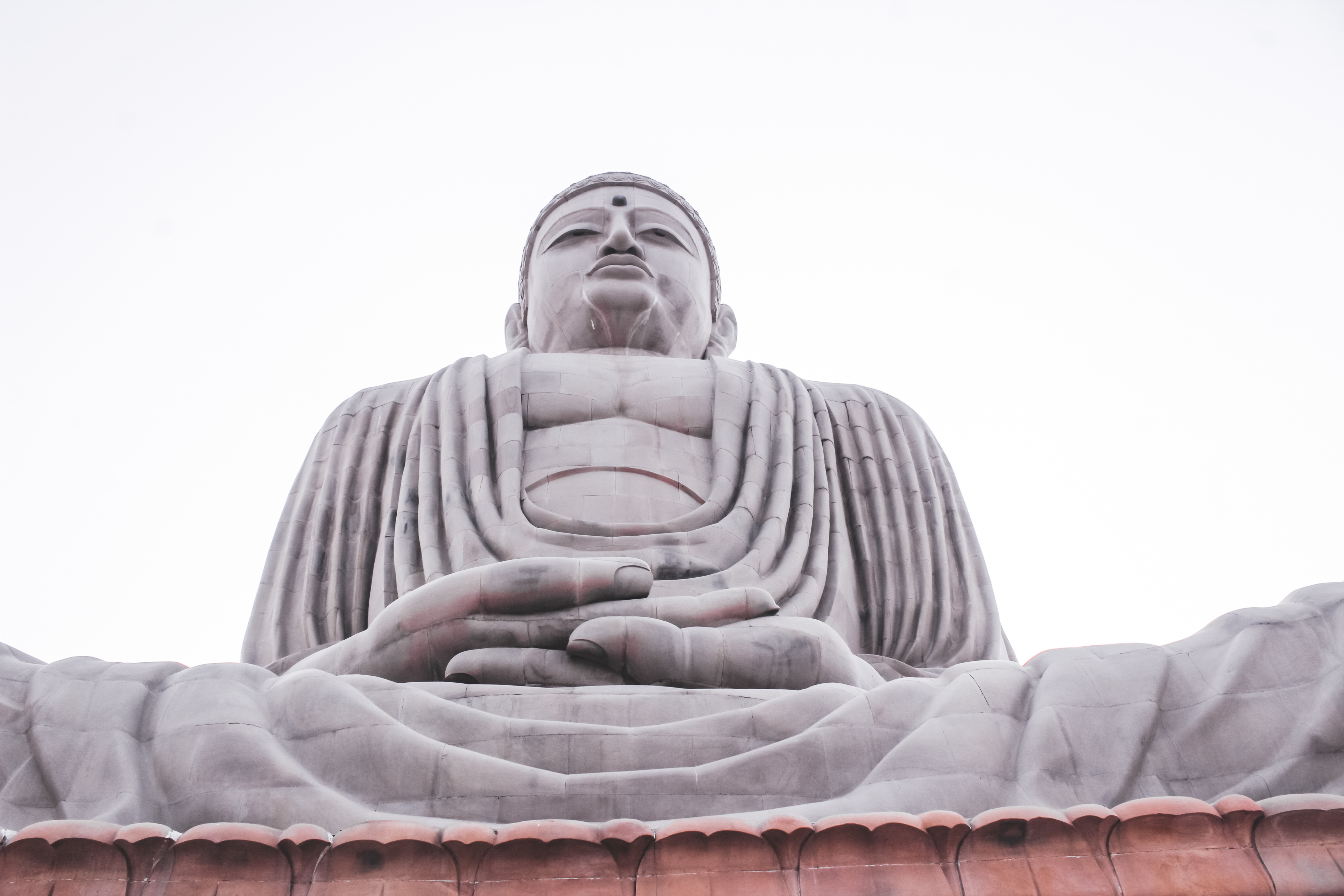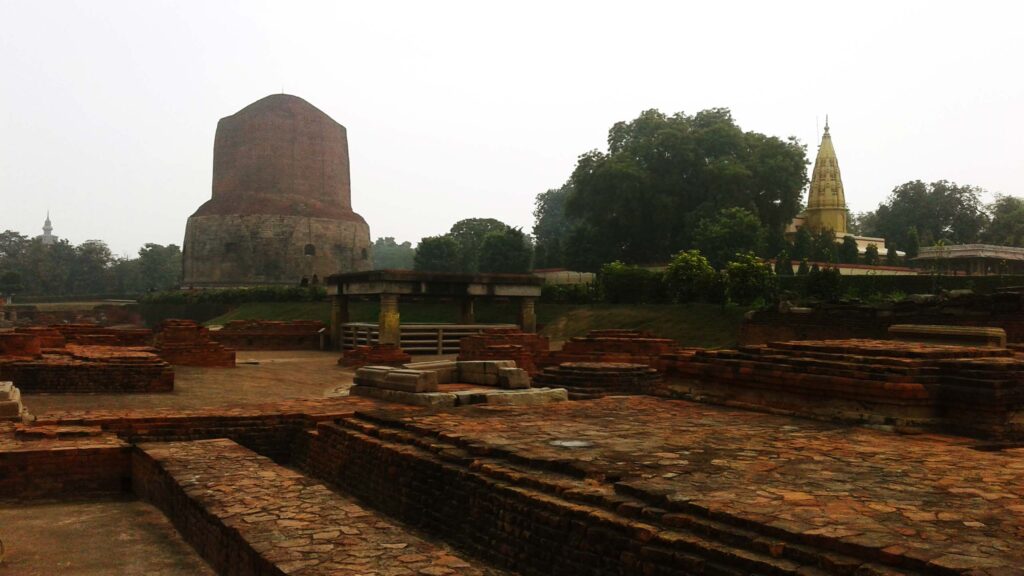
Image Source: Deepak Purti
About Dhamek Stupa
The Dhamek Stupa in Sarnath is one of the most sacred Buddhist monuments in the world. Rising prominently amid the ancient ruins of Sarnath, the stupa marks the place where Lord Buddha delivered his very first sermon after attaining enlightenment at Bodh Gaya. This sermon, known as the Dhammacakkappavattana Sutta or “Turning of the Wheel of Dharma,” laid the foundation of Buddhist teachings and transformed Sarnath into an important spiritual center.
For centuries, pilgrims, monks, historians, and travelers have visited the site to experience its deep spiritual atmosphere and historical significance. Even today, the Dhamek Stupa remains a powerful symbol of peace, wisdom, and the spread of Buddhism across Asia.
Historical Significance of Dhamek Stupa
The history of the Dhamek Stupa dates back to the 3rd century BCE during the reign of Emperor Ashoka, one of the greatest patrons of Buddhism in Indian history. After embracing Buddhism, Ashoka commissioned several stupas and monasteries across the Indian subcontinent to preserve the teachings of Buddha. It is believed that the earliest structure at Dhamek Stupa was built under his patronage.
The present structure, however, largely belongs to the Gupta period around the 5th or 6th century CE, a time often regarded as the golden age of Indian art and architecture. Over the centuries, different dynasties repaired, enlarged, and preserved the monument, leaving behind traces of artistic and cultural influences from various eras.
The stupa stands at the very spot in the ancient Deer Park, also called Migadaya, where Buddha taught the Four Noble Truths and the Eightfold Path to his first five disciples. This event is considered the formal beginning of the Buddhist Sangha, or monastic community.
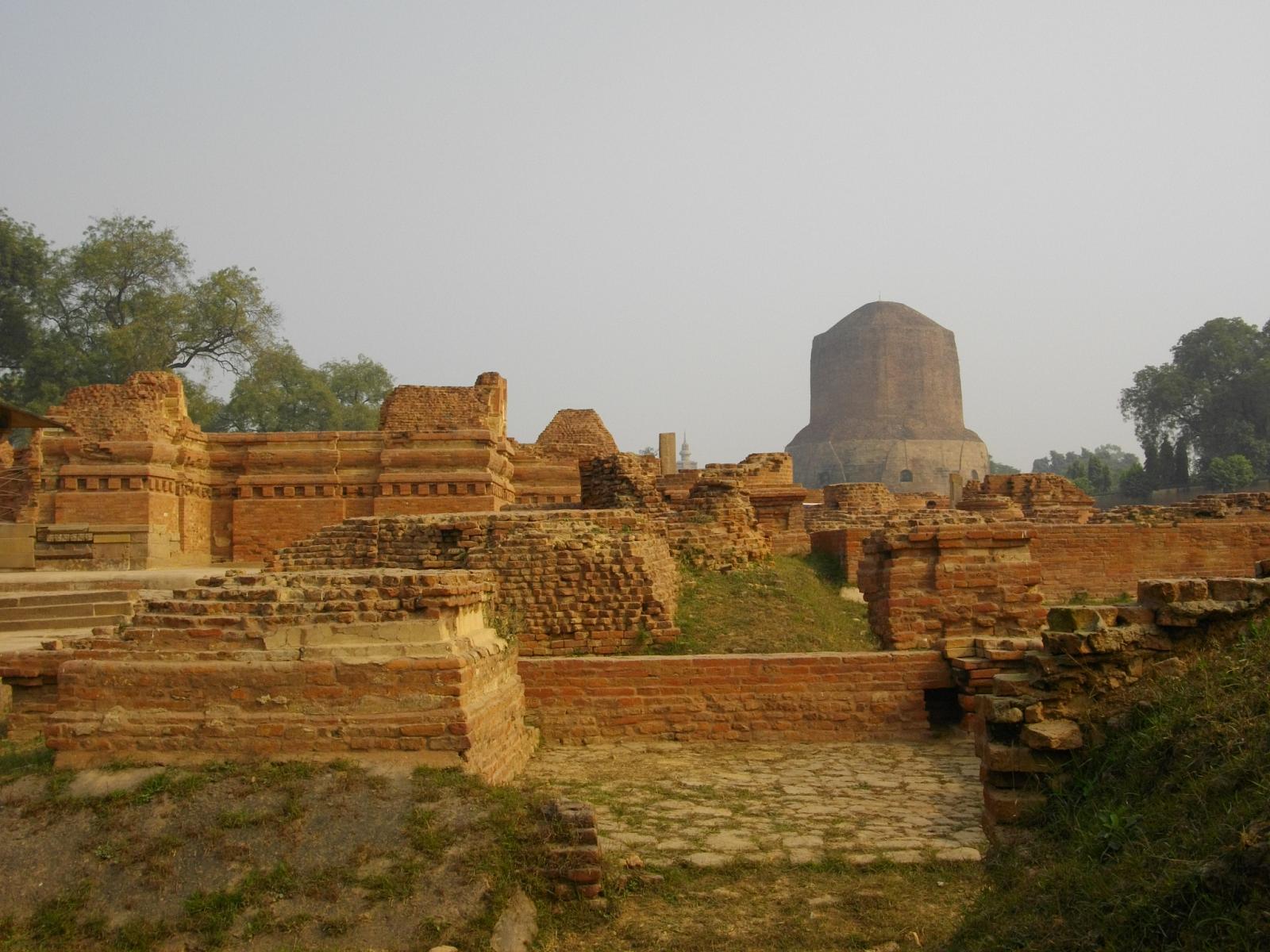
Archaeological discoveries around the site, including inscriptions, sculptures, and monastery ruins, reveal that Sarnath once flourished as a globally renowned center of Buddhist learning that attracted scholars and pilgrims from countries such as China, Sri Lanka, Tibet, Myanmar, and Thailand.
Architectural Beauty and Design
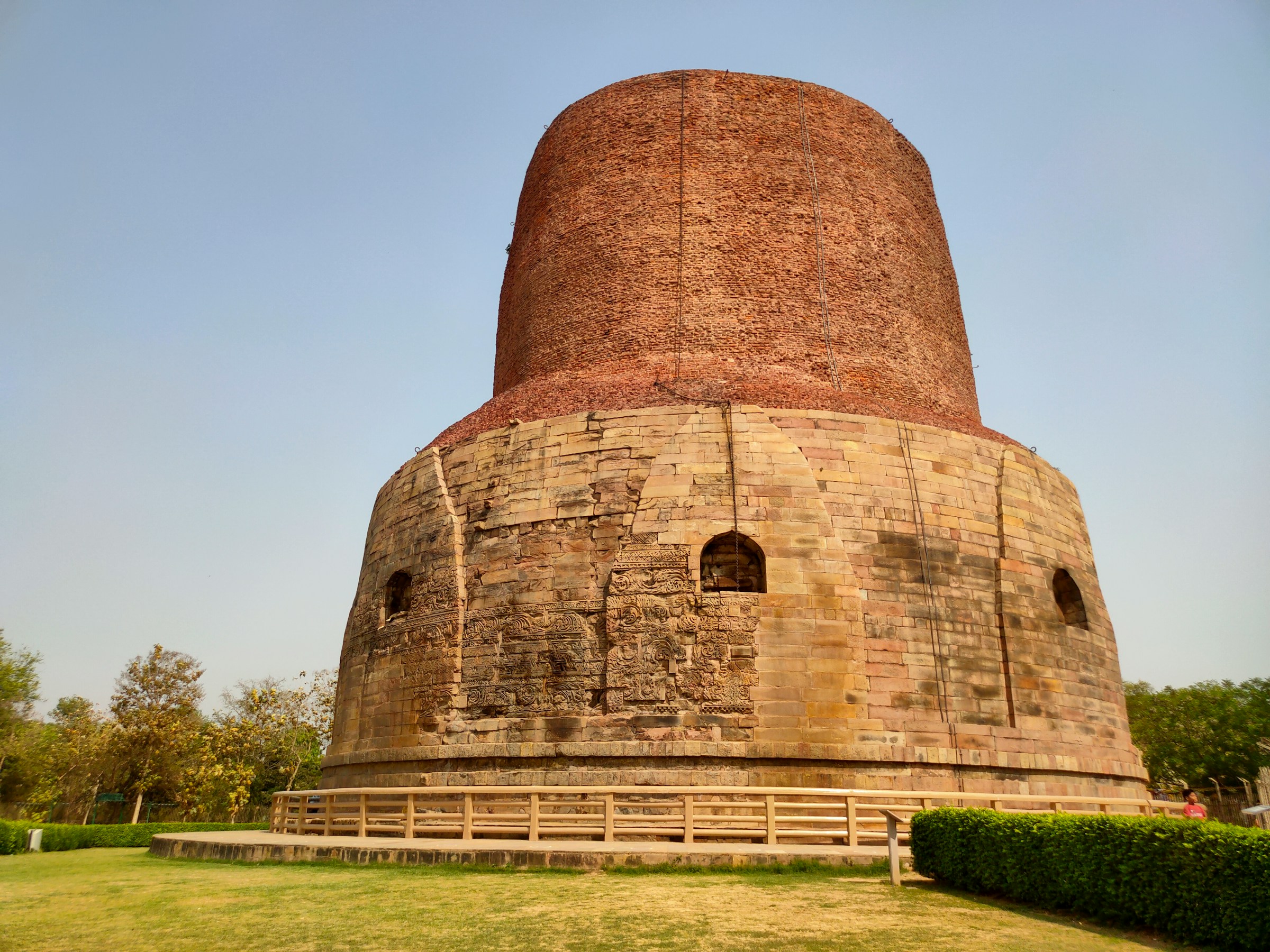
The Dhamek Stupa is an impressive example of early Buddhist architecture. The massive cylindrical structure rises to a height of approximately 43.6 meters and has a diameter of around 28 meters. Built using stone and brick, the monument displays remarkable engineering skills for its time.
One of the most striking features of the stupa is its beautifully carved lower section. The stone surface is decorated with delicate floral motifs, geometric patterns, and symbolic carvings that reflect the artistic excellence of Gupta-era craftsmen. These intricate designs give the monument both spiritual and artistic value.
Unlike temples that contain inner chambers, the Dhamek Stupa is solid from the inside. Buddhist tradition holds that it may contain sacred relics of the Buddha or objects associated with his teachings. Because of this belief, the site has become an important pilgrimage destination for Buddhists from around the world.
The upper section of the structure, made primarily of brickwork, appears simpler compared to the ornate stone base. Yet this contrast adds to the monument’s grandeur and ancient charm. Even after centuries of weathering and invasions, the stupa continues to stand as a magnificent reminder of India’s Buddhist heritage.
Religious and Spiritual Importance
For followers of Buddhism, Dhamek Stupa is among the holiest pilgrimage sites after Bodh Gaya. Devotees from countries like Sri Lanka, Thailand, Japan, and Myanmar regularly visit the site to offer prayers, meditate, and pay homage to the Buddha.
The atmosphere around the stupa is peaceful and deeply spiritual. Monks dressed in saffron robes can often be seen circumambulating the monument while chanting Buddhist scriptures. Prayer flags, meditation sessions, and devotional gatherings add to the serene environment of the site.
For many visitors, Dhamek Stupa is not just a historical monument but a place of inner reflection and mindfulness. The teachings first delivered here — compassion, non-violence, moderation, and wisdom — continue to inspire millions of people across the world.
Dhamek Stupa and the Buddhist Circuit
Dhamek Stupa forms an essential part of India’s famous Buddhist Circuit, which includes key sites associated with the life of Lord Buddha. Along with Bodh Gaya, Kushinagar, and Lumbini, Sarnath attracts international pilgrims seeking to trace the spiritual journey of Buddha.
The area surrounding the stupa contains several important attractions, including the ruins of ancient monasteries, the Ashokan Pillar, the Archaeological Museum, and the Mulagandha Kuti Vihar. Together, these sites offer visitors a deeper understanding of Buddhist philosophy, art, and history.
Best Time to Visit Dhamek Stupa
The ideal time to visit Dhamek Stupa is between October and March when the weather in Sarnath remains pleasant and comfortable for sightseeing. Winter mornings often create a calm and misty atmosphere around the monument, making the experience even more memorable.
Buddha Purnima, which celebrates the birth, enlightenment, and death of Buddha, is one of the most important festivals observed here. During this period, thousands of devotees and monks gather at the stupa for prayers and cultural programs.
Summer months can become quite hot, while the monsoon season brings moderate rainfall that adds greenery to the surrounding archaeological complex.
How to Reach Dhamek Stupa
Dhamek Stupa is located about 10 kilometers northeast of Varanasi in the town of Sarnath. Varanasi is well connected to major Indian cities through air, rail, and road networks.
The nearest airport is Lal Bahadur Shastri International Airport, while the nearest major railway station is Varanasi Junction. From the city, travelers can easily hire taxis, auto-rickshaws, or use local buses to reach Sarnath.
Once inside Sarnath, most attractions are located close to each other, allowing visitors to explore the area comfortably on foot.
Nearby Attractions in Sarnath
Visitors to Dhamek Stupa can also explore several nearby landmarks that enrich the experience of the journey:
- Ashoka Pillar – Famous for its lion capital, now the national emblem of India.
- Sarnath Archaeological Museum – Houses ancient Buddhist sculptures, relics, and artifacts.
- Chaukhandi Stupa – Marks the place where Buddha met his first disciples.
- Mulagandha Kuti Vihar – A modern Buddhist temple known for its murals and peaceful ambiance.
Google Maps
FAQs
Why is Dhamek Stupa famous?
Dhamek Stupa is famous because it marks the place where Lord Buddha delivered his first sermon after attaining enlightenment. It is one of the holiest Buddhist pilgrimage sites in the world.
Who built the Dhamek Stupa?
The original structure was commissioned by Emperor Ashoka in the 3rd century BCE. The current form of the stupa was largely developed during the Gupta period.
What is the height of Dhamek Stupa?
The stupa stands approximately 43.6 meters tall and has a diameter of about 28 meters.
Is Dhamek Stupa a UNESCO World Heritage Site?
While Sarnath is internationally recognized for its historical importance, Dhamek Stupa itself is not currently listed as a UNESCO World Heritage Site.
What is the meaning of “Dhamek”?
The name “Dhamek” is believed to be derived from the Sanskrit word Dharmopadesaka, which relates to the preaching of Dharma or Buddhist teachings.
Can tourists enter inside the stupa?
No, the Dhamek Stupa is a solid structure and visitors cannot enter inside. People can walk around the monument and explore the surrounding archaeological site.
How much time is needed to visit Dhamek Stupa?
Most visitors spend around 1 to 2 hours exploring the stupa and nearby attractions in Sarnath.
What is the best time to visit Sarnath?
The best time to visit is from October to March when the weather is pleasant and suitable for sightseeing.