Image Source: Rohitkiran
About Mulagandha Kuti Vihara
Mulagandha Kuti Vihara in Sarnath is a relatively modern Buddhist temple, yet it holds deep spiritual significance. Built in 1931 by the Mahabodhi Society, this vihar (monastery and temple) is surrounded by lush gardens and serves as a serene space for meditation, prayer, and reflection.
The temple is especially renowned for its stunning murals depicting the life of Buddha, painted by the famous Japanese artist Kosetsu Nosu. Despite its modern origins, Mulagandha Kuti Vihara has become an integral part of the Buddhist pilgrimage circuit in Sarnath.
Historical and Spiritual Significance
The temple was constructed to revive Buddhist practices at Sarnath and provide a place of worship for monks and devotees. It derives its name from the original Mulagandha Kuti, believed to be a meditation site of Lord Buddha within the Deer Park.
The temple is often filled with chants and prayers, making it a living example of how ancient Buddhist traditions are kept alive in the modern age. The Bodhi tree beside the temple, grown from a sapling of the sacred tree in Anuradhapura, Sri Lanka, further enhances its sanctity.
Architectural and Artistic Beauty
Mulagandha Kuti Vihara stands out for its Indo-Buddhist architectural design and the exquisite frescoes on its walls. The paintings, created in the early 20th century, illustrate significant events from the Buddha’s life and teachings.
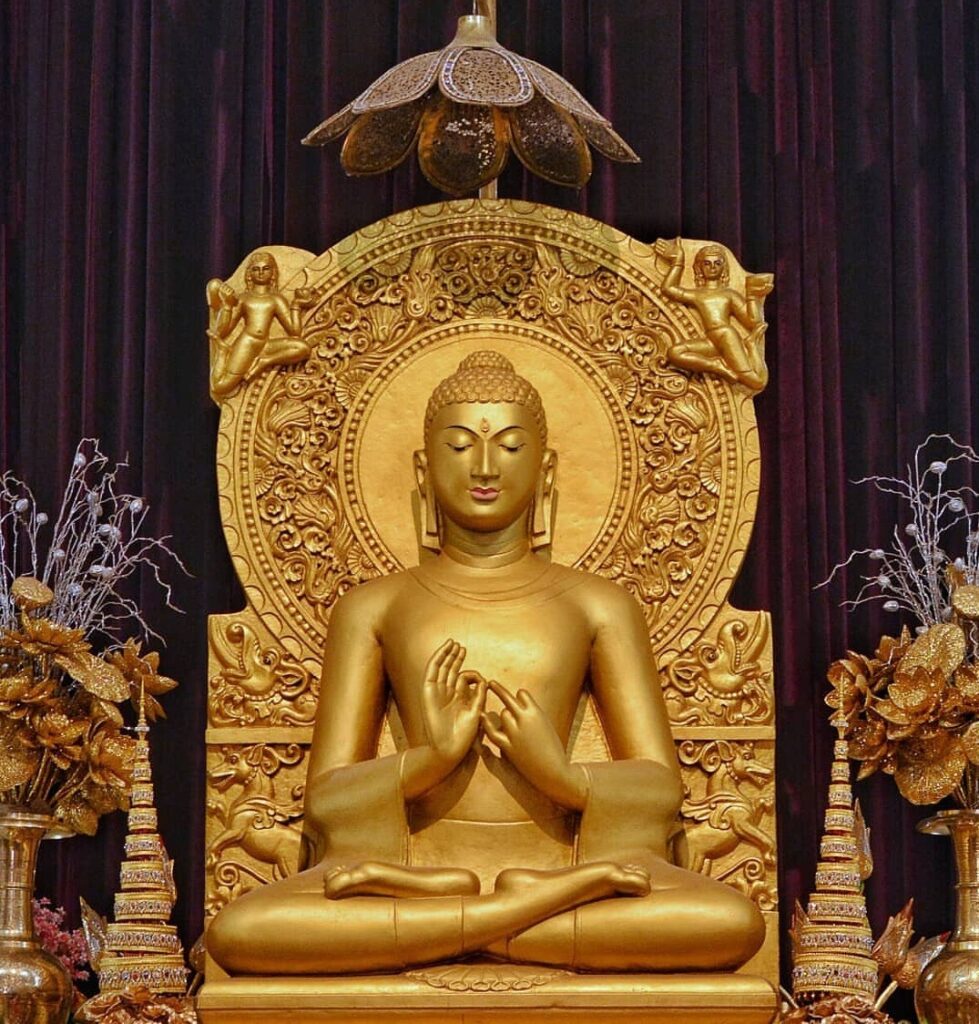
These artworks blend Indian and Japanese styles, offering a unique visual narrative. Inside, the main shrine houses a large golden statue of the Buddha in the “Dharmachakra Pravartan Mudra,” symbolizing his first sermon at Sarnath.
Visitor Experience
Visitors often describe Mulagandha Kuti Vihara as peaceful and spiritually uplifting. The daily prayers and chanting ceremonies create an atmosphere of tranquility, making it an ideal space for meditation.
The nearby garden and Bodhi tree provide shaded spots for contemplation. Pilgrims from across the world gather here, particularly during Buddhist festivals, adding a vibrant cultural dimension to the site.
How to Reach
Mulagandha Kuti Vihara is located in Sarnath, around 10 km from Varanasi city center.
By Air: The nearest airport is Lal Bahadur Shastri International Airport (Varanasi Airport), approximately 25 km away. Taxis and app-based cabs are easily available to Sarnath.
By Train: The closest railway station is Varanasi Junction (Cantt Station), about 10 km away. Local trains also connect to Sarnath Railway Station, which is 1 km from the site.
By Road: Auto-rickshaws, taxis, and local buses regularly ply between Varanasi and Sarnath. The drive takes around 30–40 minutes depending on traffic.
Nearby Attractions
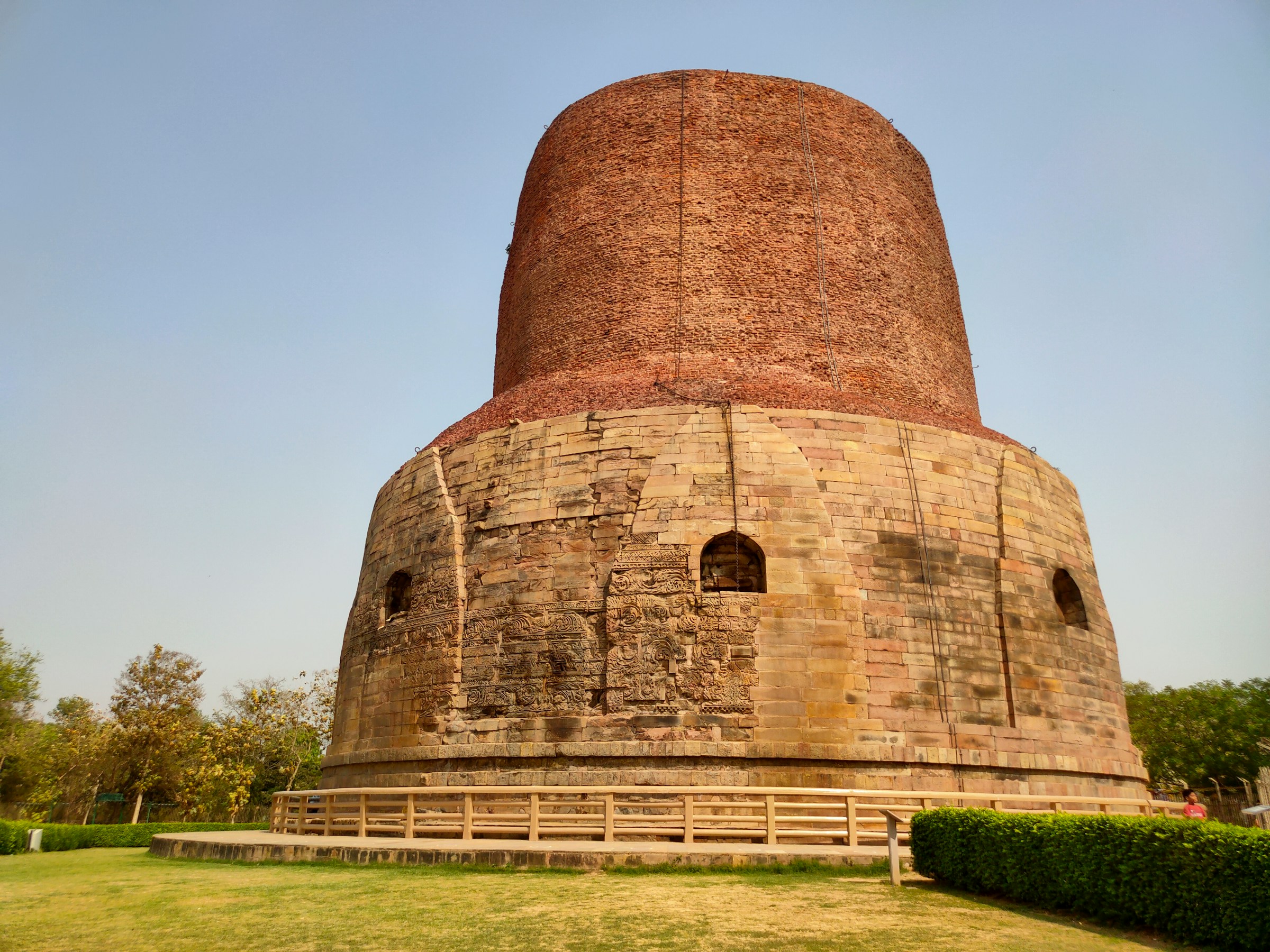
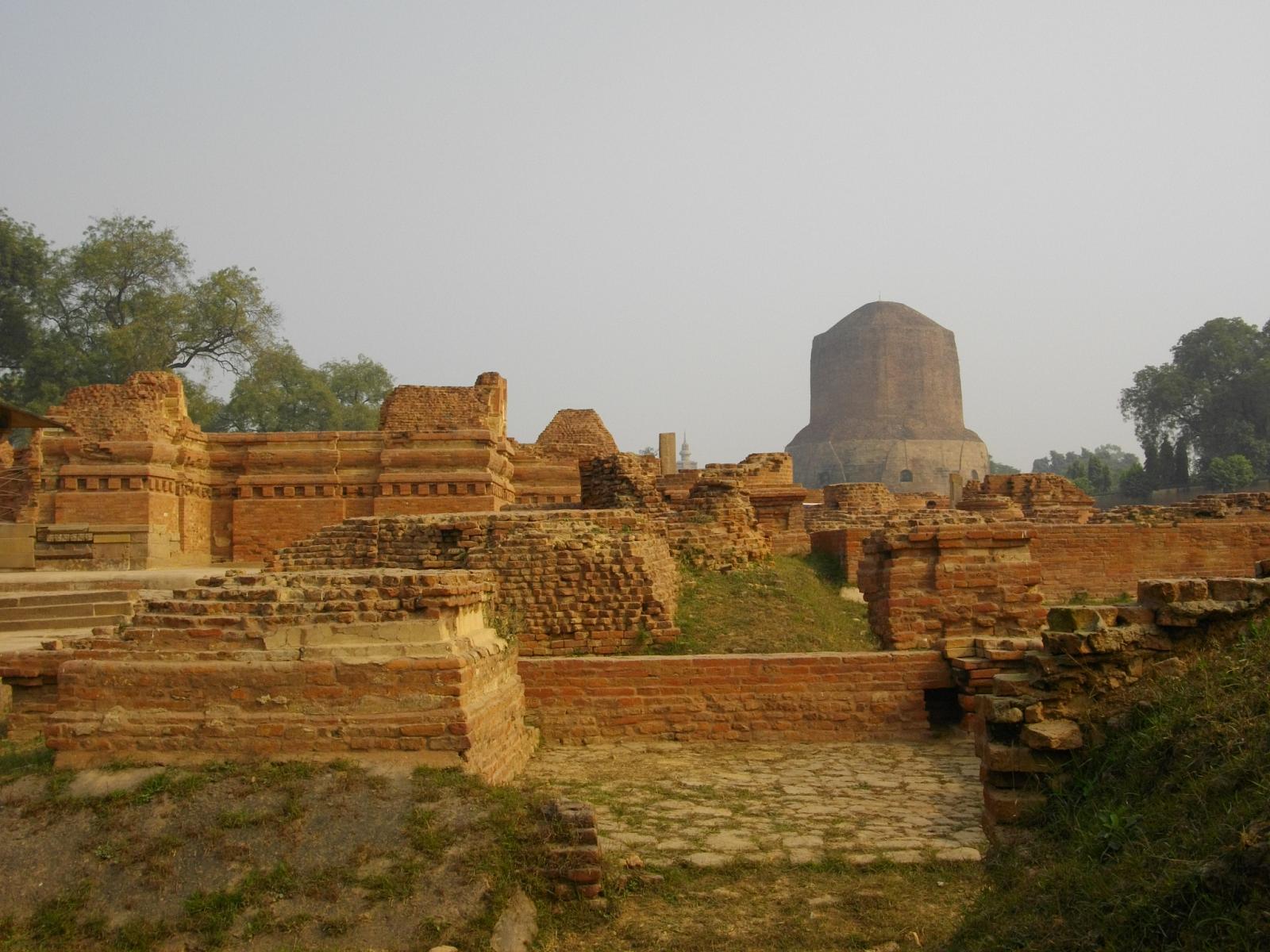
Dhamek Stupa
Located just a short walk from Mulagandha Kuti Vihar, Dhamek Stupa is one of the holiest Buddhist monuments in the world. It marks the place where Lord Buddha delivered his first sermon after attaining enlightenment and is a must-visit for pilgrims and history enthusiasts.
Sarnath Archaeological Museum
This renowned museum houses the original Lion Capital of Ashoka, India’s National Emblem, along with an exceptional collection of Buddhist sculptures, inscriptions, and ancient artifacts from the Mauryan and Gupta periods.
Ashoka Pillar
The remains of Emperor Ashoka’s pillar stand near the Dhamek Stupa. It is an important historical monument associated with the spread of Buddhism and is one of Sarnath’s most significant archaeological landmarks.
Chaukhandi Stupa
Situated a short distance from the main archaeological complex, Chaukhandi Stupa marks the place where Lord Buddha met his first five disciples before delivering his first sermon.
Deer Park (Mrigadava)
Known as the place where Buddhism began as a teaching tradition, Deer Park offers peaceful gardens, walking paths, and a serene atmosphere ideal for meditation and relaxation.
Thai Temple
Built in traditional Thai architectural style, this temple features a beautifully decorated prayer hall and a golden Buddha statue, reflecting Thailand’s strong Buddhist heritage.
Tibetan Temple
Famous for its colorful murals, prayer wheels, and peaceful surroundings, the Tibetan Temple offers visitors an opportunity to experience Tibetan Buddhist culture.
Japanese Temple
This elegant temple showcases Japanese Buddhist architecture and contains beautiful paintings depicting important events from the life of Lord Buddha.
Kashi Vishwanath Temple
Located about 10 km away in Varanasi, this iconic temple dedicated to Lord Shiva is one of India’s most sacred pilgrimage destinations and can easily be combined with a visit to Sarnath.
Google Maps
FAQs
1. Where is Mulagandha Kuti Vihar located?
Mulagandha Kuti Vihar is situated in Sarnath, about 10 km from Varanasi in Uttar Pradesh.
2. Why is Mulagandha Kuti Vihar famous?
It is famous for its beautiful murals depicting the life of Lord Buddha, sacred Buddha relics, and a Bodhi Tree grown from a sapling of the original tree at Bodh Gaya.
3. Is there an entry fee to visit the temple?
No, entry to Mulagandha Kuti Vihar is generally free for all visitors.
4. What are the temple timings?
The temple is usually open daily from 8:00 AM to 11:30 AM and 1:30 PM to 5:30 PM.
5. What is the best time to visit Mulagandha Kuti Vihar?
The best time to visit is between October and March, when the weather is pleasant for sightseeing and exploring Sarnath.