Image Source: Bernard Gagnon
About Ghoom Monastery
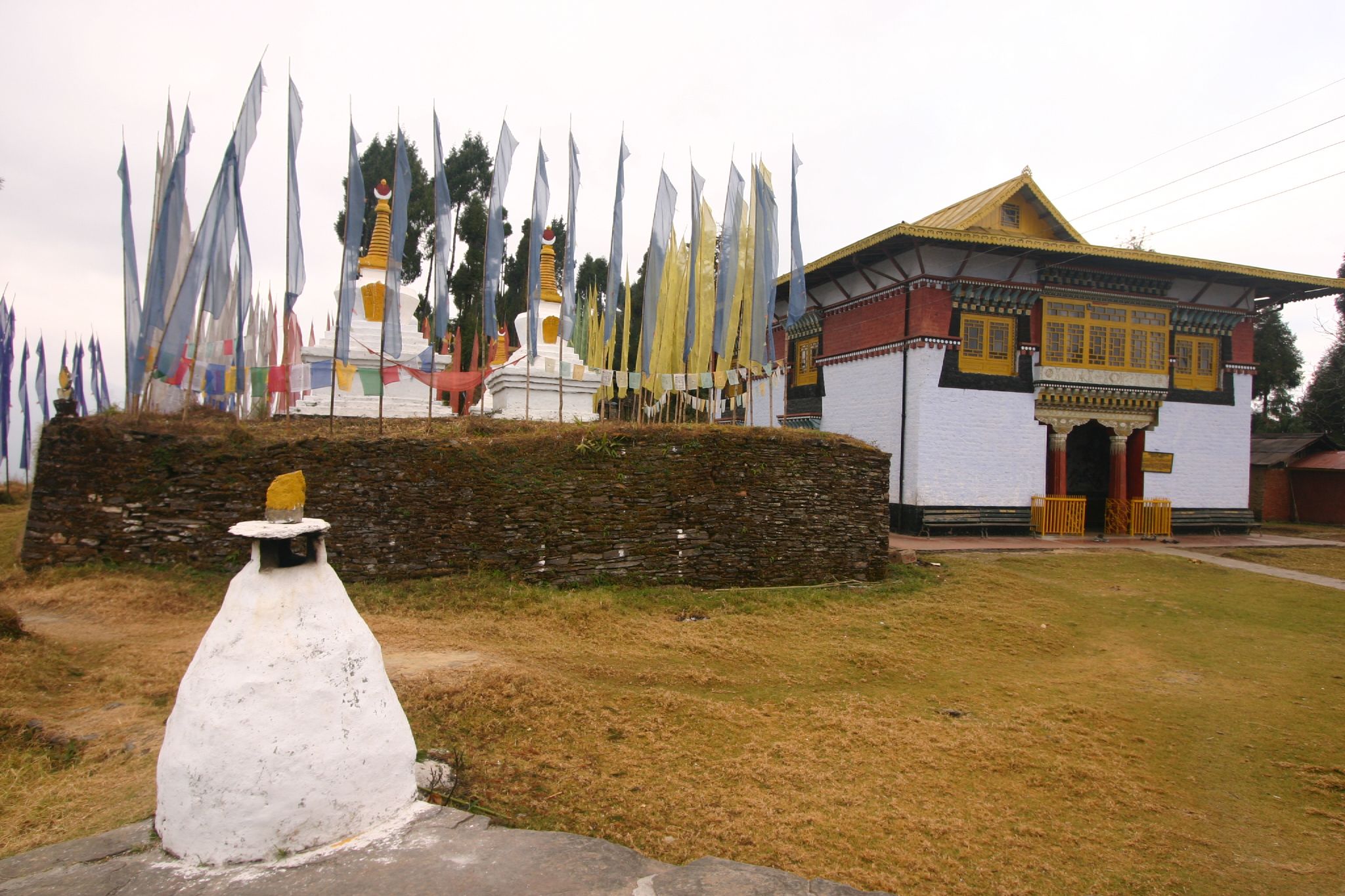
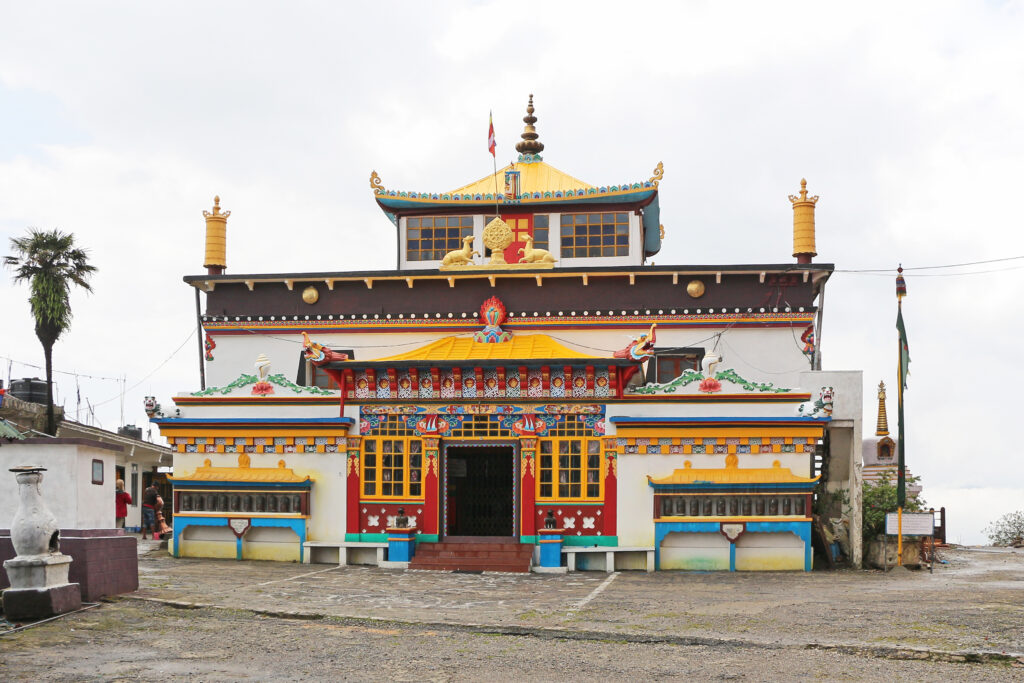
Ghoom Monastery, also known as Yiga Choeling Monastery, is one of the oldest Tibetan Buddhist monasteries in Darjeeling, established in 1850. Perched at an altitude of 7,400 feet, it is located near Ghoom, a scenic town about 7 km from Darjeeling.
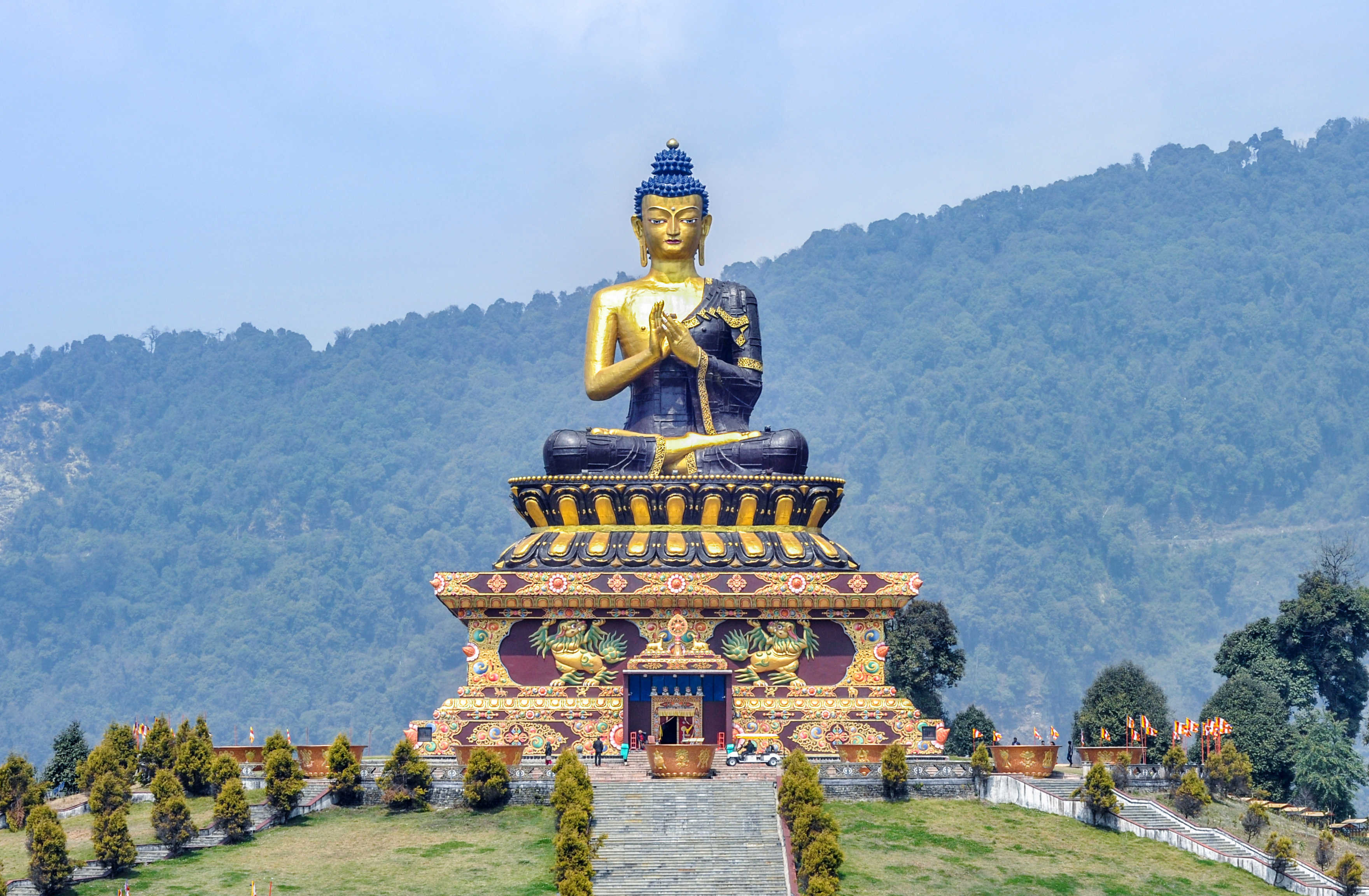
The monastery belongs to the Gelugpa sect of Tibetan Buddhism and is famed for its 15-foot-high statue of Maitreya Buddha (the Future Buddha), which exudes serenity and grace. With ancient manuscripts, rare Buddhist texts, and colorful prayer flags fluttering in the mountain breeze, Ghoom Monastery is not just a religious site but also a cultural and historical treasure.
Spiritual and Cultural Significance
The monastery is a vibrant center of Buddhist learning and spirituality. The statue of Maitreya Buddha is surrounded by thangkas, paintings, and murals depicting important events from Buddhist scriptures. Prayer wheels line the courtyard, inviting visitors to spin them as a gesture of peace and devotion. The chanting of monks and the fragrance of incense create a deeply spiritual atmosphere, making it a serene retreat for those seeking inner calm. The monastery also reflects Tibetan heritage and plays an important role in preserving Buddhist traditions in the Darjeeling hills.
Visitor Experience
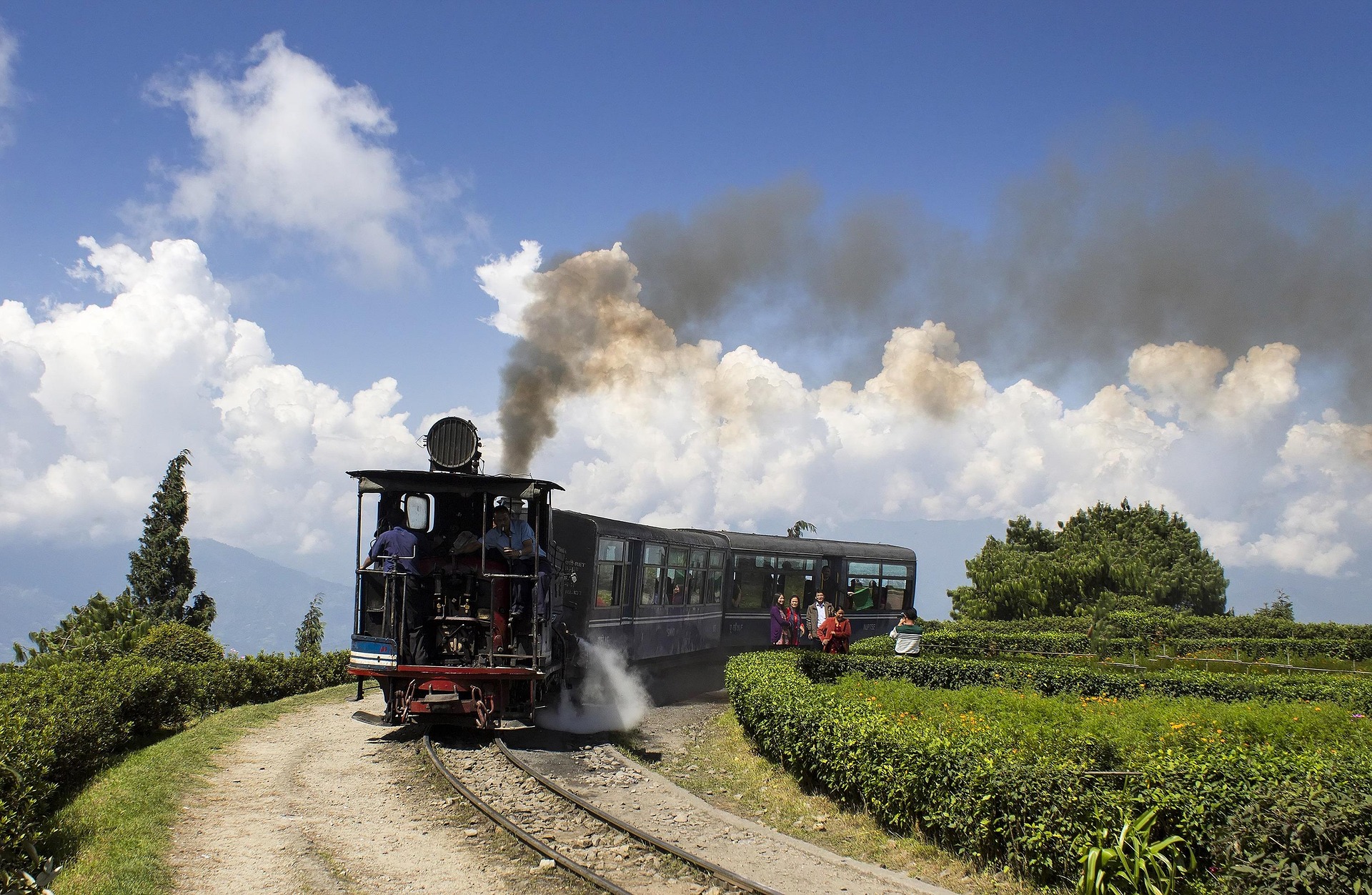
Visitors are welcomed into the monastery to witness its spiritual richness and architectural beauty. The massive Buddha statue, with a backdrop of the Himalayas, is a highlight that leaves a lasting impression. Photography is usually permitted, but visitors are encouraged to respect the sanctity of the site. The surrounding Ghoom area also offers panoramic views of the Darjeeling landscape and the distant snow-clad peaks. Tourists often combine a visit here with a ride on the Darjeeling Himalayan Railway’s toy train, which passes through Ghoom station, the highest railway station in India.
How to Reach
Ghoom Monastery is easily accessible from Darjeeling town (7 km) by taxi, jeep, or shared cab. The road journey offers scenic views of tea estates, rolling hills, and Himalayan vistas. The nearest major railhead is New Jalpaiguri (NJP), while Bagdogra Airport serves as the nearest air link. From either NJP or Bagdogra, one can hire a cab or take shared vehicles to reach Darjeeling and then continue to Ghoom.
Nearby Attractions
- Batasia Loop (Approx. 1 km)
A famous spiral railway loop of the Darjeeling Himalayan Railway, offering spectacular views of the Kanchenjunga range and a war memorial dedicated to Gorkha soldiers. - Ghoom Railway Station (Approx. 500 m)
India’s highest railway station on the Darjeeling Himalayan Railway, known for its heritage charm and the iconic toy train experience. - Yiga Choeling Monastery (Adjacent)
Also known as the Old Ghoom Monastery, it is one of the oldest Tibetan Buddhist monasteries in Darjeeling and houses a magnificent 15-foot statue of Maitreya Buddha. - Darjeeling Himalayan Railway Museum (Approx. 500 m)
Located at Ghoom Railway Station, the museum showcases the history of the UNESCO-listed Darjeeling Himalayan Railway through photographs, models, and artifacts. - Tiger Hill (Approx. 5 km)
One of Darjeeling’s most famous viewpoints, renowned for its breathtaking sunrise views over Mount Kanchenjunga and, on exceptionally clear days, Mount Everest. - Japanese Peace Pagoda (Approx. 6 km)
A serene white Buddhist monument surrounded by pine forests, promoting peace and offering panoramic views of Darjeeling.
Google Maps
FAQs
1. Where is Ghoom Monastery located?
Ghoom Monastery is located in Ghoom, about 8 km from Darjeeling town in West Bengal.
2. Why is Ghoom Monastery famous?
The monastery is famous for its 15-foot-high statue of Maitreya (Future) Buddha, ancient Tibetan Buddhist manuscripts, and peaceful spiritual atmosphere.
3. When was Ghoom Monastery established?
Ghoom Monastery, also known as Yiga Choeling Monastery, was established in 1850 by the Mongolian monk Sokpo Sherab Gyatso.
4. What is the best time to visit Ghoom Monastery?
The best time to visit is from March to May and October to December, when the weather is pleasant and mountain views are clear.
5. Is there an entry fee?
No. Entry to the monastery is generally free, although donations are welcome.
6. How much time is needed to explore the monastery?
Most visitors spend 30 minutes to 1 hour exploring the monastery and its surroundings.
7. Is photography allowed inside the monastery?
Photography is usually allowed in the monastery’s exterior areas, but visitors should seek permission before taking photographs inside the prayer hall.
8. Can visitors attend prayers?
Yes. Visitors may quietly observe the daily prayer sessions while respecting the monastery’s rules and maintaining silence.
9. Is the monastery suitable for families?
Yes. It is a peaceful destination suitable for families, spiritual seekers, photographers, and history enthusiasts.
10. How can I reach Ghoom Monastery?
The monastery is easily accessible by taxi, shared jeep, or the Darjeeling Himalayan Railway (Toy Train) from Darjeeling. The nearest airport is Bagdogra Airport, and the nearest major railway station is New Jalpaiguri (NJP).