Image Source: Biswarup Sen
About Pobitora Wildlife Sanctuary
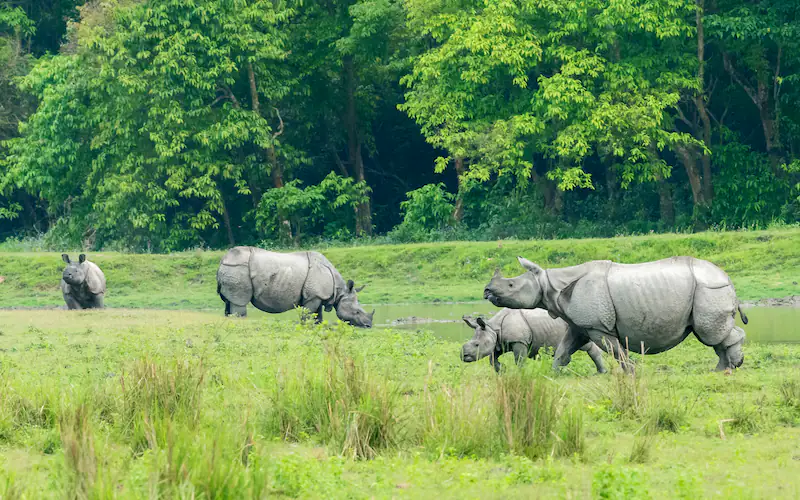
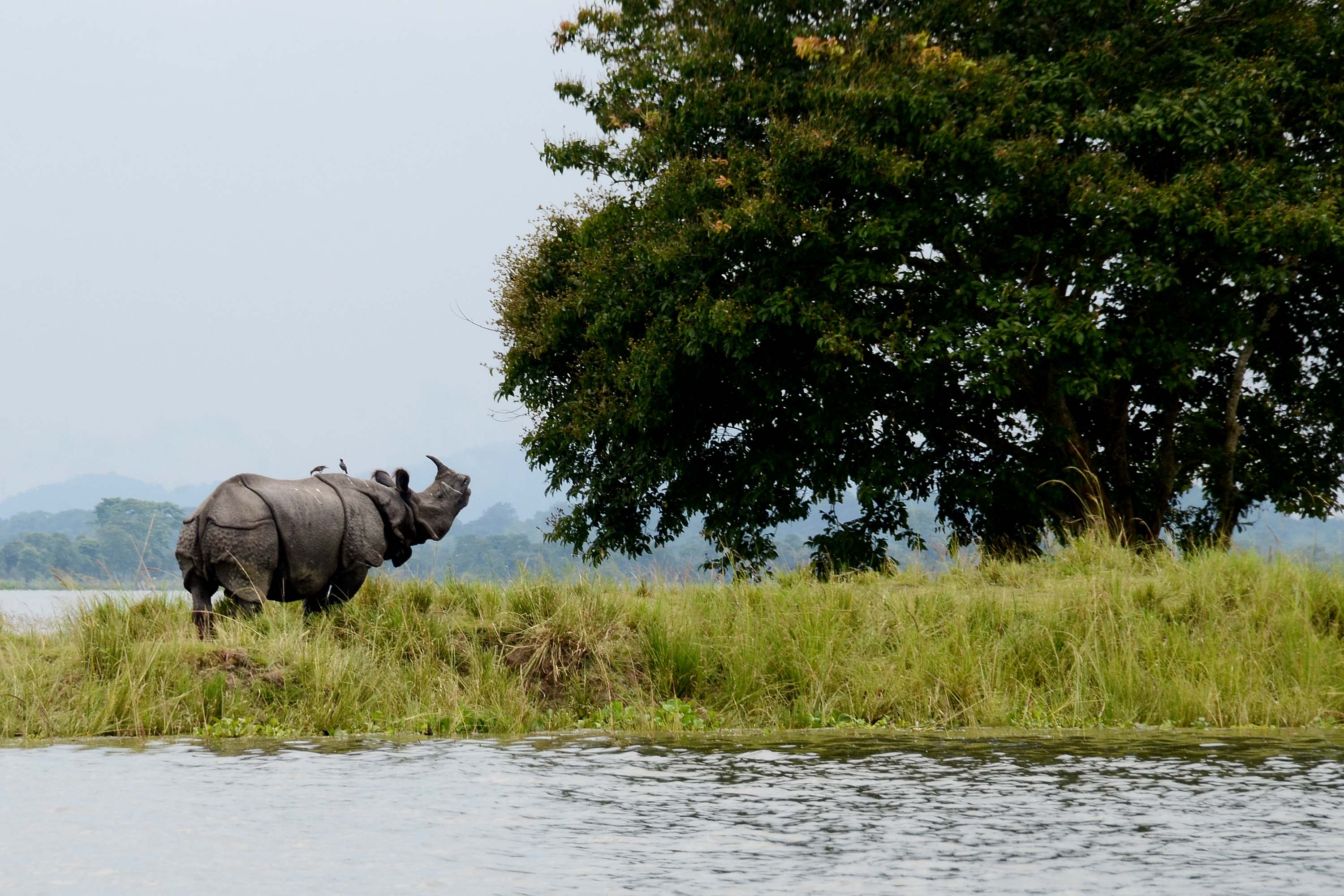
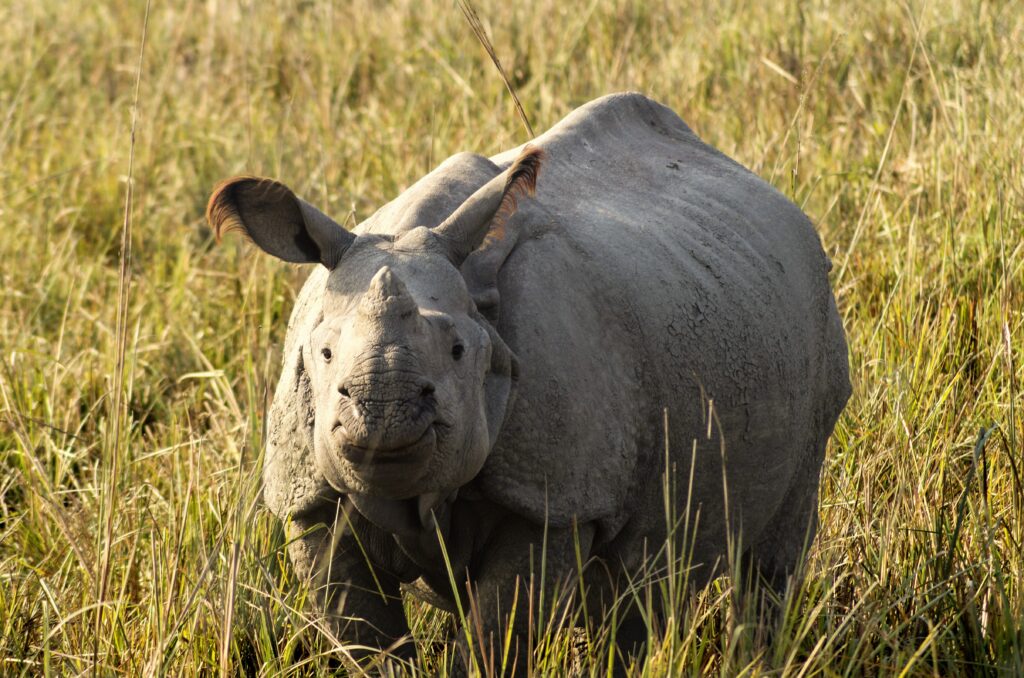
Tucked away on the southern banks of the mighty Brahmaputra River in Assam’s Morigaon district, Pobitora Wildlife Sanctuary is one of Northeast India’s most fascinating wildlife destinations. Often called the “Mini Kaziranga,” the sanctuary is famous for having one of the highest densities of the Indian one-horned rhinoceros in the country. Although it covers a relatively small area of around 38 square kilometers, Pobitora is packed with rich biodiversity, scenic wetlands, lush grasslands, and an incredible variety of birds and animals.
Unlike some of the larger and more crowded national parks in India, Pobitora offers a quieter and more intimate wildlife experience. The sanctuary is ideal for travelers who want to enjoy nature, observe wildlife from close quarters, and experience the rural beauty of Assam without overwhelming tourist crowds. Its peaceful atmosphere, combined with easy accessibility from Guwahati, makes it a favorite weekend escape for nature lovers, photographers, and birdwatchers.
Landscape and Natural Beauty
The beauty of Pobitora lies in its diverse landscape. Vast stretches of tall elephant grass dominate the sanctuary, interspersed with marshlands, ponds, and patches of woodland. During the early morning hours, mist often rises above the wetlands, creating a magical atmosphere that feels untouched and wild. As the sun climbs higher, the grasslands come alive with grazing rhinos, birds circling overhead, and the distant sounds of the forest.
The sanctuary’s wetlands play a major ecological role and attract thousands of migratory birds during winter. The tranquil environment, especially during sunrise and sunset, offers spectacular views of the Brahmaputra valley painted in soft golden light. For photographers and wildlife enthusiasts, every corner of Pobitora presents an opportunity to capture Assam’s natural charm.
Wildlife and Biodiversity
The biggest attraction of Pobitora Wildlife Sanctuary is undoubtedly the great Indian one-horned rhinoceros. Visitors often spot these magnificent creatures grazing peacefully in open grasslands or cooling themselves in muddy wetlands. Because the sanctuary has a high concentration of rhinos in a relatively compact area, sightings are extremely common and often much closer than in many other wildlife reserves.
Apart from rhinos, Pobitora shelters a variety of mammals and reptiles. Wild boars, Asiatic buffaloes, barking deer, jackals, and even leopards inhabit the sanctuary. Feral horses wandering through the grasslands add another interesting element to the landscape. Reptiles such as pythons and monitor lizards can also occasionally be seen near water bodies.
Birdlife in Pobitora is equally impressive. Recognized as an Important Bird Area (IBA), the sanctuary becomes a paradise for birdwatchers during winter. Migratory species arrive in large numbers, transforming the wetlands into vibrant bird habitats. Travelers can spot birds such as the greater adjutant stork, bar-headed geese, kingfishers, pond herons, cormorants, and numerous species of ducks and raptors. The diversity of birdlife makes Pobitora one of Assam’s best birdwatching destinations.
Safari Experiences in Pobitora
One of the most exciting parts of visiting Pobitora is exploring the sanctuary through jeep safaris and elephant safaris. Jeep safaris take visitors deep into the grasslands and wetlands, offering excellent chances to observe rhinos and other wildlife in their natural habitat. These safaris are especially popular among photographers because they allow visitors to cover larger areas of the sanctuary.
Elephant rides provide a completely different experience. Moving slowly and silently through the tall grasses atop an elephant gives travelers a rare opportunity to get remarkably close to rhinos without disturbing them. Early morning elephant safaris are particularly memorable because the forest is calm, cool, and full of wildlife activity.
Nature walks around nearby villages and wetland edges are also enjoyable for travelers who want a slower and more immersive experience. The surrounding Assamese countryside, with its bamboo houses, paddy fields, and traditional lifestyle, adds a cultural dimension to the trip.
Local Culture and Village Life
A visit to Pobitora is not just about wildlife. The nearby Assamese villages allow travelers to experience the region’s local culture and hospitality. Traditional Assamese food, folk music, handwoven textiles, and rural lifestyles provide insight into the rich cultural heritage of Assam.
Many local communities living around the sanctuary have a close relationship with the forest and wetlands. Travelers can interact with villagers, taste authentic Assamese cuisine, and learn about traditional farming and fishing practices. These cultural experiences make the journey more meaningful and memorable.
Best Time to Visit Pobitora Wildlife Sanctuary
The best time to visit Pobitora Wildlife Sanctuary is between November and March. During these months, the weather remains cool and pleasant, making safaris and birdwatching more enjoyable. Winter is also the season when migratory birds arrive in large numbers, adding to the sanctuary’s beauty and biodiversity.
The sanctuary usually remains closed during the monsoon season due to heavy rainfall and flooding caused by the Brahmaputra River. Floods are a natural part of Assam’s ecosystem, helping maintain the fertility of the grasslands, but they make tourism activities difficult during this period.
How to Reach Pobitora Wildlife Sanctuary
By Air
The nearest airport is Lokpriya Gopinath Bordoloi International Airport in Guwahati, located around 50 kilometers from the sanctuary. Taxis and shared cabs are easily available from the airport to Pobitora.
By Rail
The closest major railway station is Guwahati Railway Station, approximately 48 kilometers away. From the station, travelers can hire taxis or use local buses to reach the sanctuary.
By Road
Pobitora is well connected by road with Guwahati, Morigaon, and Jagiroad. The drive from Guwahati usually takes around 1.5 to 2 hours, making it a convenient weekend getaway. Both government buses and private taxis regularly operate on this route.
Nearby Attractions of Pobitora Wildlife Sanctuary
1. Mayong
Located just a few kilometers from Pobitora Wildlife Sanctuary, Mayong is popularly known as the “Land of Black Magic.” The village is famous for its folklore, ancient manuscripts, traditional healing practices, and cultural heritage. Visitors can explore local museums and learn about the region’s fascinating history and legends.
2. Brahmaputra River
The mighty Brahmaputra River flows close to Pobitora and offers beautiful landscapes, birdwatching opportunities, and scenic views. The riverbanks are ideal for photography and experiencing the natural beauty of Assam.
3. Chandubi Lake
Surrounded by forests and hills, Chandubi Lake is a serene destination known for boating, birdwatching, and nature walks. The tranquil environment makes it a perfect getaway for visitors exploring the region around Pobitora.
4. Hajo
Hajo is a renowned pilgrimage center that attracts followers of Hinduism, Buddhism, and Islam. The town is home to several ancient temples, monasteries, and mosques, making it an important cultural and spiritual destination.
5. Sualkuchi
Often called the “Silk Village of Assam,” Sualkuchi is famous for its traditional handwoven silk products. Visitors can watch local artisans at work and purchase authentic Assamese silk garments and handicrafts.
6. Deepor Beel
A Ramsar-designated wetland near Guwahati, Deepor Beel is a paradise for birdwatchers. The lake attracts numerous migratory birds and offers a peaceful natural setting for wildlife enthusiasts.
7. Umananda Temple
Situated on Peacock Island in the Brahmaputra River, Umananda Temple is a revered Hindu shrine dedicated to Lord Shiva. The island provides scenic river views and a unique spiritual experience.
8. Assam State Zoo cum Botanical Garden
Located in Guwahati, this popular attraction houses a variety of animals, birds, and plant species. It is an excellent destination for families and wildlife lovers.
9. Kamakhya Temple
One of India’s most important Shakti Peethas, Kamakhya Temple attracts thousands of pilgrims every year. The temple is known for its spiritual significance, architecture, and panoramic views of Guwahati.
10. Panimur Waterfall
Known for its scenic beauty and powerful cascades, Panimur Waterfall is a popular picnic and sightseeing destination. The surrounding greenery and rocky landscape add to its charm.
Things to Keep in Mind While Visiting
Visitors should maintain silence during safaris to avoid disturbing wildlife. Wearing earthy-colored clothes is recommended, as bright colors can distract animals. Carrying binoculars, cameras, sunscreen, and drinking water can make the experience more comfortable. Since mornings can be chilly during winter, light woolens are useful for early safaris.
It is also important to respect the sanctuary’s ecological balance by avoiding littering and following the instructions of forest guides and safari operators.
Google Maps
FAQs
Why is Pobitora called the “Mini Kaziranga”?
Pobitora is called the “Mini Kaziranga” because of its high population density of Indian one-horned rhinoceroses, similar to Kaziranga National Park. Despite being much smaller in size, it offers excellent rhino sightings.
What is Pobitora Wildlife Sanctuary famous for?
The sanctuary is mainly famous for the Indian one-horned rhinoceros, birdwatching opportunities, wetlands, and scenic jeep and elephant safaris.
Is Pobitora good for birdwatching?
Yes, Pobitora is considered one of the best birdwatching destinations in Assam. During winter, thousands of migratory birds arrive in the sanctuary’s wetlands.
How much time is needed to explore Pobitora?
A one-day trip is usually enough to explore the sanctuary, enjoy a safari, and experience nearby village life. However, wildlife photographers and birdwatchers may prefer staying overnight.
Are elephant safaris available in Pobitora?
Yes, elephant safaris are one of the most popular activities in Pobitora and offer close views of rhinos and other wildlife.
What is the best season for rhino sightings?
The winter season, from November to March, is considered the best time for rhino sightings because the weather is pleasant and wildlife activity is high.
Is Pobitora suitable for family trips?
Yes, Pobitora is suitable for families, nature enthusiasts, photographers, and birdwatchers. Its proximity to Guwahati also makes it an easy and convenient destination for short trips.
Can Pobitora be visited from Guwahati in one day?
Yes, many travelers visit Pobitora as a day trip from Guwahati since the sanctuary is only about 1.5 to 2 hours away by road.