Image Source: JyotiPN
About Haflong
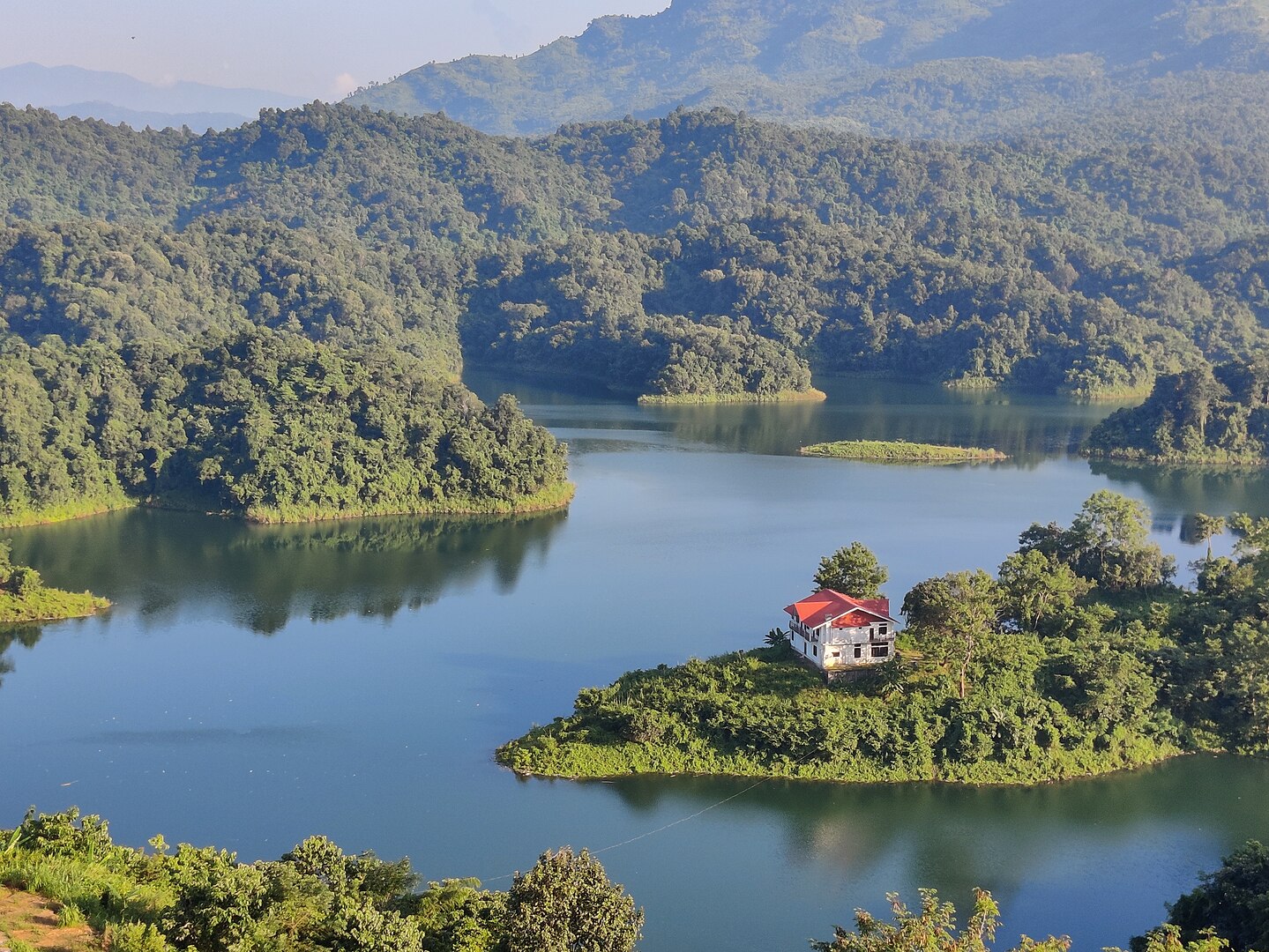
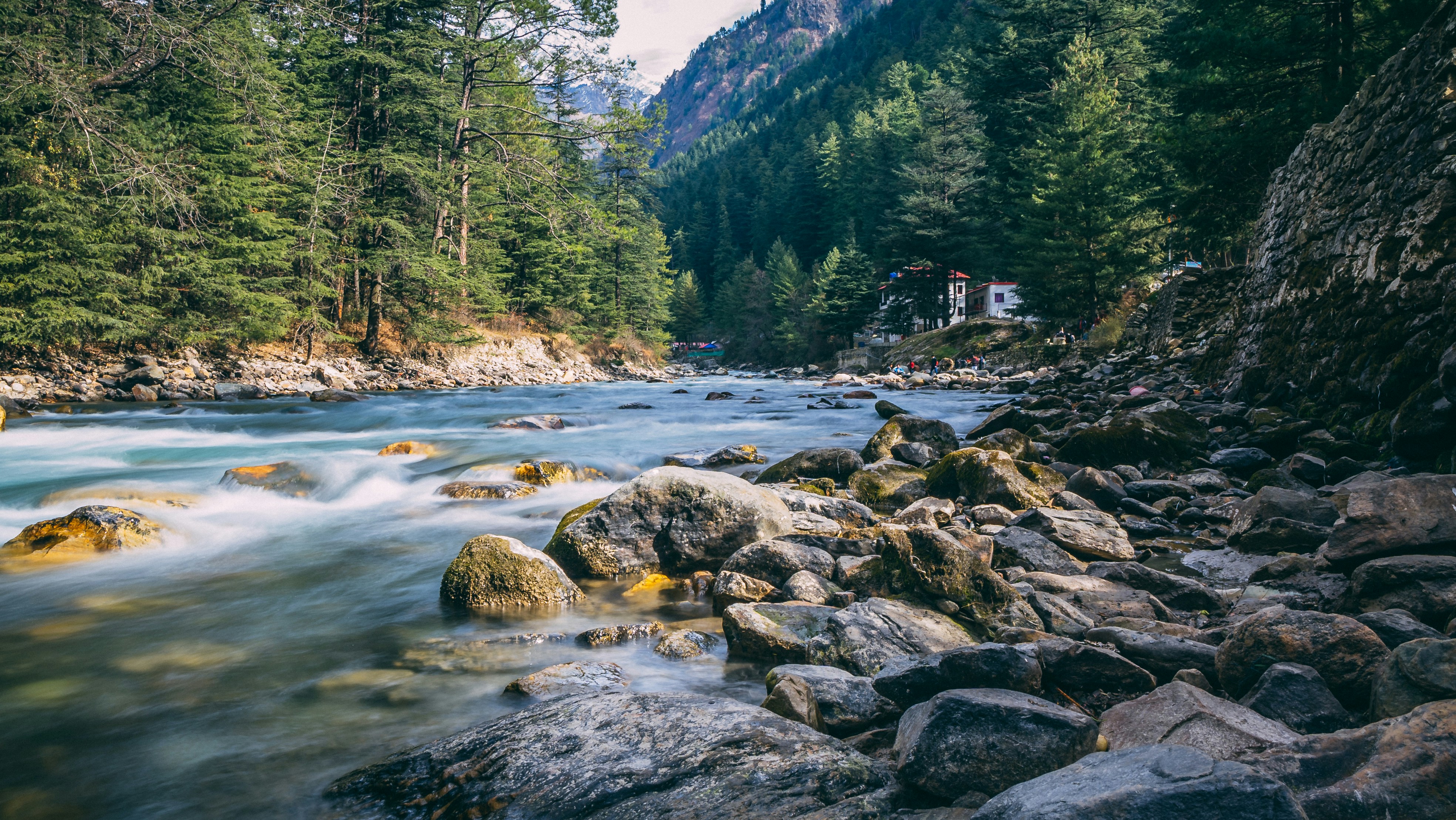
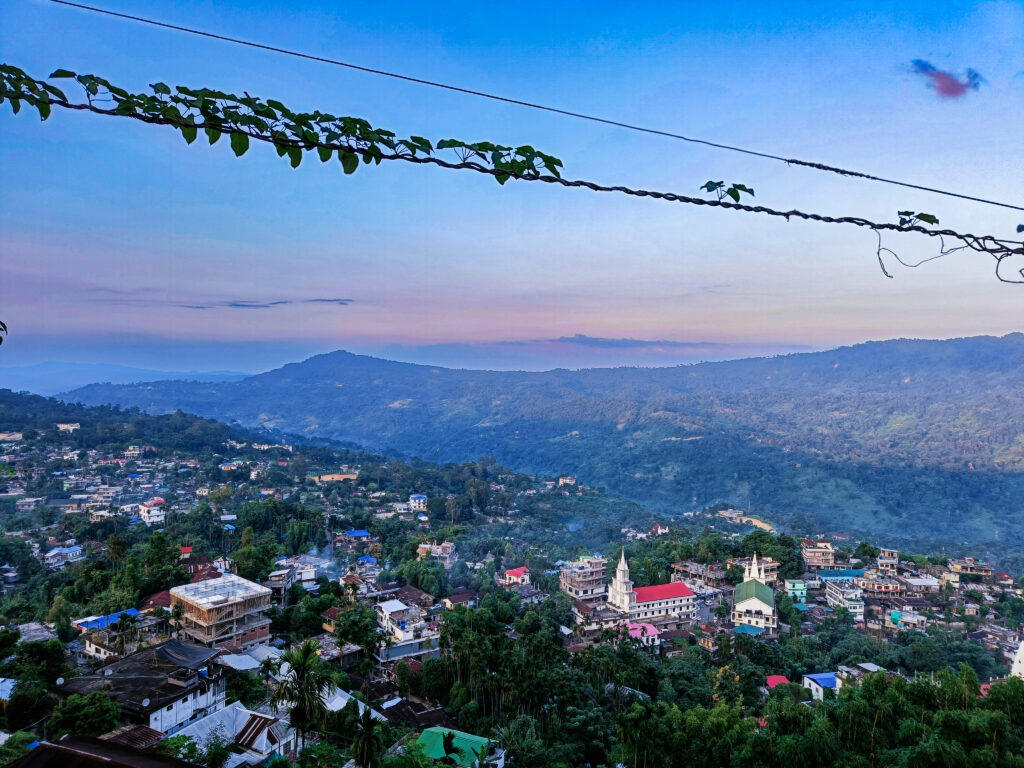
Haflong, often lovingly called the “Switzerland of the East”, is the only official hill station in Assam. Tucked away in the scenic folds of the Dima Hasao district, this charming town is surrounded by mist-covered hills, deep green valleys, and calm blue waters that together create a truly refreshing escape from the plains below. What makes Haflong especially special is its peaceful atmosphere combined with rich biodiversity, vibrant tribal traditions, and untouched natural beauty.
A Peaceful Hill Escape in Assam
Unlike crowded tourist hill stations, Haflong still retains a quiet, slow-paced charm. The landscape here is dominated by rolling hills and forested slopes, with cool breezes and wide-open views of the Eastern hill ranges. It is a destination where travelers come not just to see places, but to slow down and reconnect with nature.
The region is also known for orchids, butterflies, and a wide variety of bird species, making it a hidden gem for nature lovers and photographers.
Top Attractions and Experiences
One of the most iconic spots in Haflong is Haflong Lake. Located right in the heart of the town, this natural lake is perfect for boating, evening walks, and birdwatching. The reflection of surrounding hills on the still water creates a postcard-like view, especially during sunrise and sunset.
For panoramic scenery, travelers often head to Haflong Hilltop, which offers sweeping views of valleys and distant hills. Adventure enthusiasts can explore trekking routes across the nearby Borail Hills, where trails pass through dense forests and occasional tribal settlements.
Birdwatching is another highlight of Haflong, especially during migratory seasons when rare species visit the region, adding color and life to the forests and wetlands.
Culture and Local Life
Haflong is home to several indigenous communities, including the Dimasa, Zeme Naga, and Kuki tribes. Each community contributes to the cultural richness of the region through its traditions, music, dance, and handicrafts.
The Dimasa tribe, in particular, plays an important role in preserving the identity of the area. Festivals like Bushu Dima are celebrated with great enthusiasm, featuring traditional dances, community feasts, and rituals that reflect their agricultural roots and close connection to nature.
Local markets in Haflong also offer handmade bamboo products, handwoven fabrics, and organic hill produce, giving visitors a glimpse into everyday life in the hills.
Nearby Attractions Around Haflong
One of the biggest advantages of visiting Haflong is its proximity to several lesser-known but beautiful destinations.
Jatinga Village
Famous for the mysterious seasonal bird phenomenon, Jatinga is located a short drive from Haflong. It is also known for its tea gardens and stunning sunset views over the valley.
Maibang
The historic town of Maibang was once the ancient capital of the Dimasa kingdom. Today, it is known for archaeological ruins, stone carvings, and riverside scenery.
Panimur Waterfall
The scenic Panimur Waterfall is a powerful cascade on the Kopili River, especially stunning during the monsoon season when water flow increases dramatically.
Umrangso
A peaceful industrial town turned scenic stop, Umrangso is known for its hot springs and nearby hydropower reservoir surrounded by hills.
These nearby destinations make Haflong a great base for exploring the wider Dima Hasao region.
Best Time to Visit Haflong
The ideal time to visit Haflong is between October and March. During these months, the weather remains cool, dry, and extremely pleasant. Winter mornings often bring light mist over the hills, while clear skies during the day make sightseeing and photography especially rewarding.
Monsoon season, although lush and green, can make travel slightly difficult due to heavy rainfall and slippery roads.
How to Reach Haflong
By Road
Haflong is well connected to cities like Guwahati, Silchar, and Nagaon through national highways. Regular buses and shared taxis operate on these routes, making road travel a common option for visitors.
By Rail
The nearest major railhead is New Haflong Railway Station, located on the scenic Lumding–Silchar railway route. This journey is famous for its tunnels, bridges, and breathtaking hill views along the way.
By Air
The closest airport is Silchar Airport, located about 100 km away. From the airport, taxis and buses are easily available for onward travel to Haflong.
Google Maps
FAQs
1. Where is Haflong located?
Haflong is located in the Dima Hasao district of Assam and is the only hill station in the state.
2. Why is Haflong famous?
Haflong is famous for its scenic hills, beautiful lakes, lush green valleys, pleasant climate, and rich tribal culture. It is often referred to as the “Switzerland of Assam.”
3. What is the best time to visit Haflong?
The best time to visit Haflong is from October to April when the weather is cool and ideal for sightseeing, trekking, and outdoor activities.
4. How can I reach Haflong?
Haflong can be reached by road and rail. Haflong Railway Station connects the town with major cities in Assam and Northeast India.
5. What are the major tourist attractions in Haflong?
Popular attractions include Haflong Lake, Jatinga, Maibang, Diyung River, and the surrounding hill ranges.
6. Is Haflong suitable for trekking and adventure activities?
Yes, Haflong offers several trekking routes, nature trails, birdwatching opportunities, and outdoor adventures amidst its scenic landscapes.
7. What makes Haflong Lake special?
Haflong Lake is one of the most picturesque attractions in the town. Surrounded by hills and greenery, it is ideal for boating, photography, and leisurely walks.
8. Is Haflong good for birdwatching?
Yes, the forests and hills around Haflong support a variety of bird species, making it a rewarding destination for birdwatchers and nature enthusiasts.
9. Which communities live in Haflong?
Haflong is home to several indigenous communities, including the Dimasa, Zeme Naga, Hmar, Kuki, and Karbi tribes, each contributing to the region’s diverse cultural heritage.
10. How many days are enough to explore Haflong?
A stay of 2–3 days is generally sufficient to explore Haflong’s major attractions, enjoy its natural beauty, and experience the local culture and cuisine.