Image Source: James Gabil Momin
About Siju Cave
Hidden deep within the lush forests of the South Garo Hills in Meghalaya, Siju Cave is one of the most fascinating natural attractions in Northeast India. Situated close to the beautiful Simsang River, this ancient limestone cave is often called the “Bat Cave of Meghalaya” because of the large number of bats that inhabit its dark chambers. For adventure lovers, nature enthusiasts, and explorers, Siju Cave offers an unforgettable underground experience unlike anywhere else in the region.
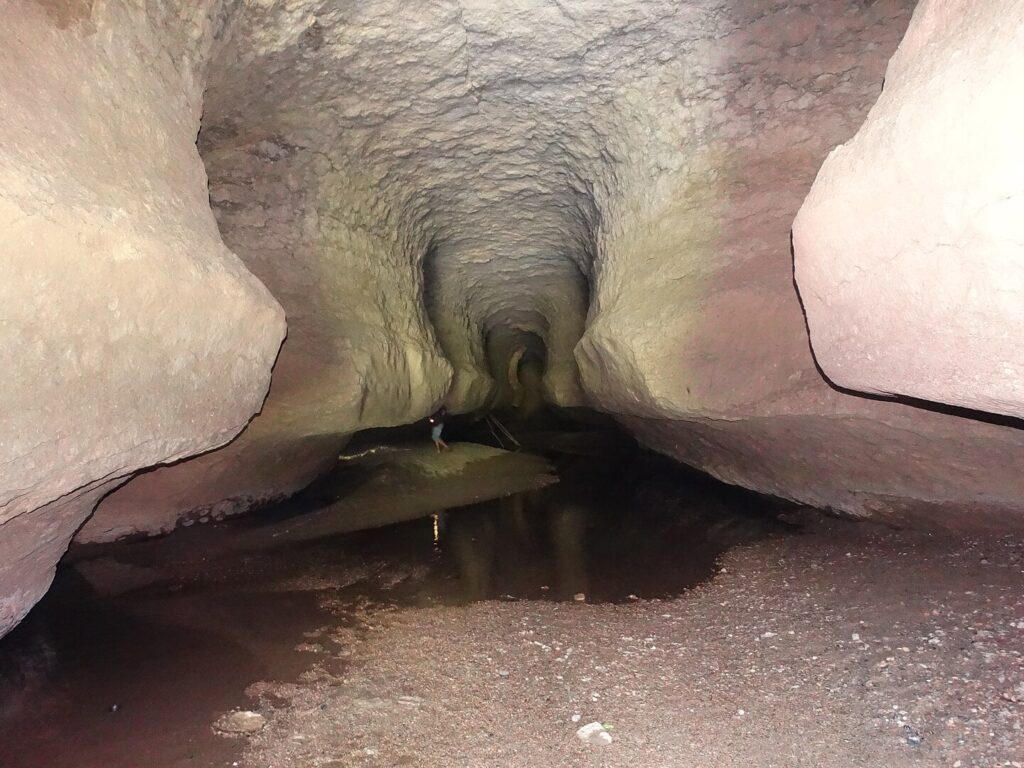
The cave system stretches for several kilometers, although only a limited section is open to visitors. As you enter the cave, the atmosphere changes instantly. The cool air, dim natural light, dripping water, and echoing sounds create a mysterious setting that feels almost otherworldly. Inside, visitors can witness stunning limestone formations shaped naturally over thousands of years. Massive stalactites hanging from the ceiling and stalagmites rising from the ground resemble sculptures carved by nature itself.
Natural Beauty and Cave Experience
One of the biggest attractions of Siju Cave is its intricate network of chambers and narrow passages. Some sections are wide and open, while others feel hidden and untouched. Small streams flowing through parts of the cave add to its charm and make the surroundings even more dramatic. During exploration, visitors often hear the fluttering of bats overhead, which gives the cave its famous identity.
The cave is especially popular among spelunkers and adventure travelers because of its raw and untouched beauty. Unlike commercialized tourist caves, Siju Cave still retains a wild and natural feel. The dim interiors, slippery rocks, and unusual rock formations make every step exciting. It is advisable to carry a flashlight and wear sturdy footwear while exploring the cave.
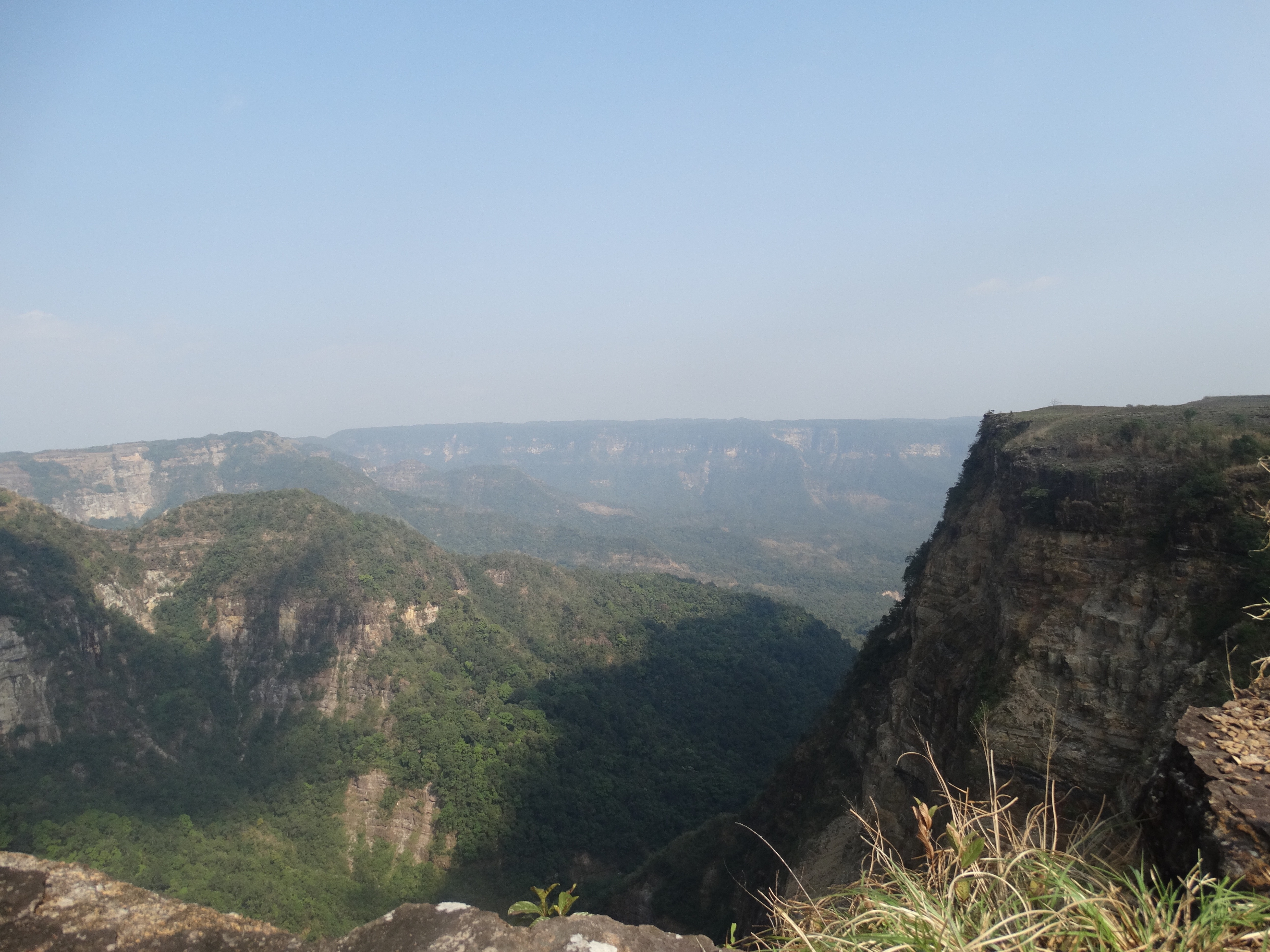
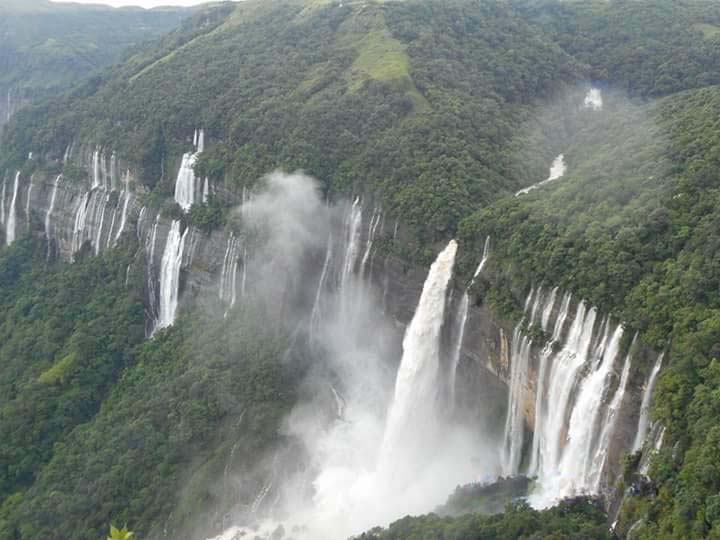
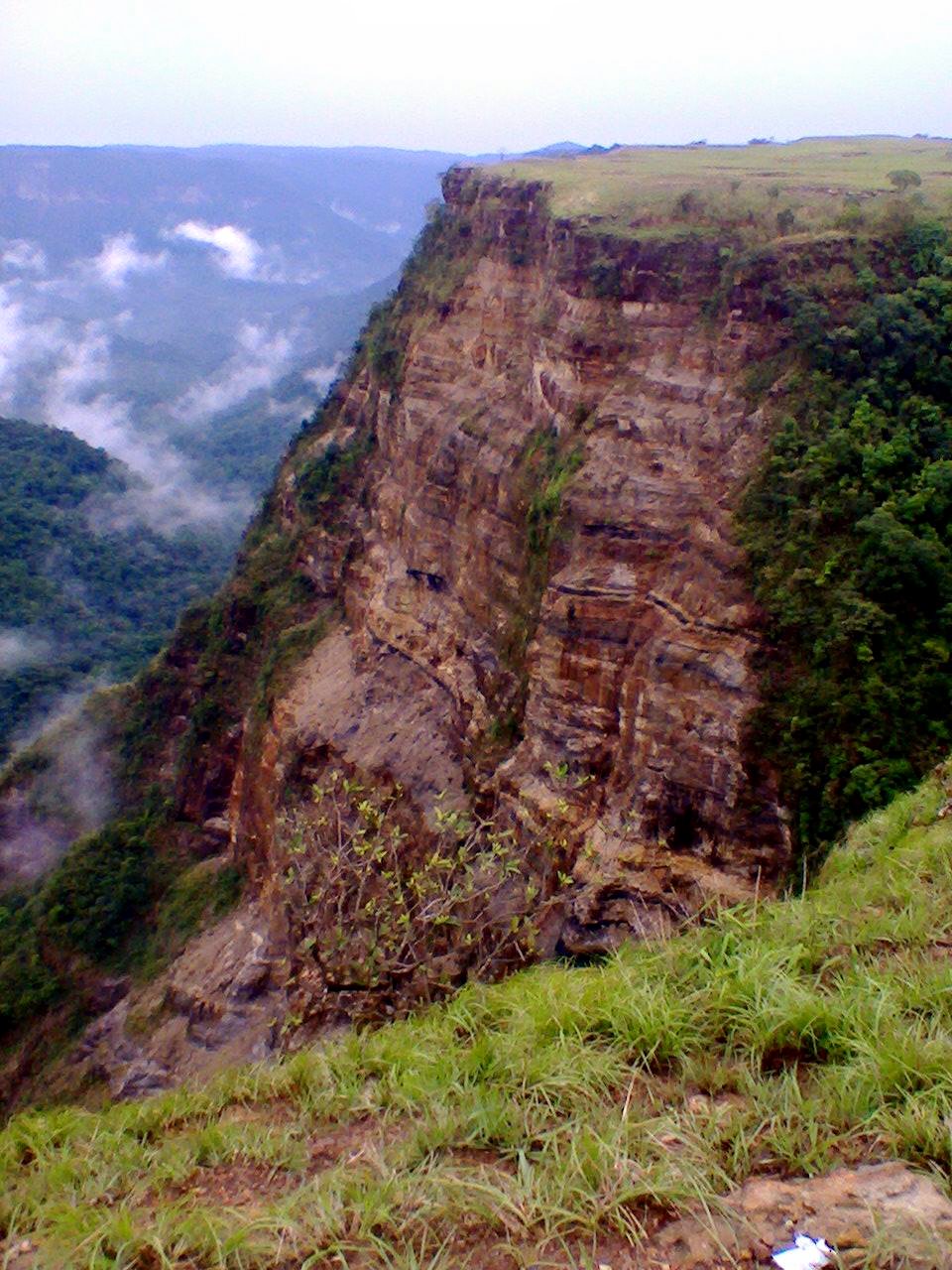
Outside the cave, the scenery is equally captivating. The nearby Simsang River flows peacefully through the hills and forests, creating picturesque landscapes. During the monsoon and post-monsoon months, the greenery around the cave becomes incredibly vibrant. Visitors often combine their trip with nearby attractions such as the Siju Bird Sanctuary, where several rare and migratory bird species can be spotted.
Cultural and Local Significance
Siju Cave is not only a geological wonder but also an important part of the local culture of the Garo community. In many tribal traditions of Meghalaya, caves are associated with folklore, spiritual beliefs, and stories passed down through generations. Locals regard these natural formations with respect and consider them an important part of their heritage.
The cave also plays a significant role in attracting tourism to the South Garo Hills, a region known for its untouched natural beauty. Researchers, geologists, photographers, and wildlife enthusiasts frequently visit the area to study its unique ecosystem and limestone structures. Over the years, Siju Cave has become one of Meghalaya’s most celebrated natural heritage sites.
Best Time to Visit
The ideal time to visit Siju Cave is between October and April, when the weather remains pleasant and road conditions are better. During the monsoon season, heavy rainfall in Meghalaya can make travel difficult, and certain parts of the cave may become slippery or inaccessible.
Early mornings and daytime visits are usually recommended for a safer and more enjoyable experience. Since the interiors are naturally dark, carrying a torch or headlamp is highly useful.
Nearby Attractions
Simsang River
Flowing close to the cave, the Simsang River adds scenic beauty to the region. The riverbanks are peaceful and perfect for relaxing after cave exploration.
Siju Bird Sanctuary
Located near the cave, this sanctuary is home to many local and migratory bird species. Birdwatchers can spot rare birds amidst dense forest surroundings.
Balpakram National Park
Often referred to as the “Land of Spirits” by locals, Balpakram National Park is another major attraction in South Garo Hills. Known for its dramatic cliffs, wildlife, and legends, it is a paradise for nature lovers.
Tura
Tura, the cultural and commercial hub of the Garo Hills, is often used as a base for travelers visiting Siju Cave and nearby destinations. The town offers local markets, viewpoints, and cultural experiences.
How to Reach Siju Cave
By Air
The nearest airport is Shillong Airport at Umroi, located around 250 km away. However, most travelers prefer flying to Lokpriya Gopinath Bordoloi International Airport in Guwahati, which offers better flight connectivity with major Indian cities.
By Rail
The nearest major railway station is Guwahati Railway Station. From Guwahati, visitors can hire taxis, rent vehicles, or take buses toward the South Garo Hills region.
By Road
Siju Cave is well connected by road to Tura, which is about 130 km away. Shillong is approximately 250 km from the cave. Shared taxis, private cabs, and local buses are available from nearby towns. The road journey through the hills and forests of Meghalaya is scenic and enjoyable, especially during winter and post-monsoon months.
Travel Tips for Visitors
- Carry a flashlight or headlamp while entering the cave.
- Wear comfortable shoes with good grip because cave surfaces can be slippery.
- Avoid touching delicate limestone formations, as they take thousands of years to form.
- Travel with a local guide if possible, especially during the rainy season.
- Keep the cave clean and avoid littering to help preserve its natural ecosystem.
Google Maps
FAQs
1. Why is Siju Cave called the Bat Cave of Meghalaya?
Siju Cave is known as the “Bat Cave of Meghalaya” because thousands of bats inhabit its chambers, creating a unique and thrilling environment inside the cave.
2. Is Siju Cave safe for tourists?
Yes, the accessible portions of the cave are generally safe for visitors. However, carrying a flashlight and wearing proper footwear is highly recommended because the cave floor can be uneven and slippery.
3. What is the best time to visit Siju Cave?
The best time to visit is from October to April when the weather is pleasant and road conditions are suitable for travel.
4. Are guides available at Siju Cave?
Local guides are sometimes available nearby and can help visitors explore the cave safely while explaining its history and geological importance.
5. Which are the nearby attractions around Siju Cave?
Popular nearby attractions include the Simsang River, Siju Bird Sanctuary, Balpakram National Park, and the town of Tura.
6. How far is Siju Cave from Tura?
Siju Cave is located approximately 130 kilometers from Tura and can be reached by road in several hours depending on weather and road conditions.
7. Can photography be done inside the cave?
Yes, photography is allowed, but visitors should use caution because the cave interiors are dark and humid. Flash photography should be minimized near wildlife like bats.
8. Is Siju Cave suitable for children?
Children can visit the cave with adult supervision, but certain sections may be challenging because of uneven terrain and darkness.