Image Source: Nomratasaha
About Mawsmai Cave
Nestled in the scenic hills near Cherrapunji, locally known as Sohra, Mawsmai Cave is one of Meghalaya’s most visited and fascinating natural attractions. Located in the East Khasi Hills district, this limestone cave offers travelers a chance to step into a mysterious underground world shaped by nature over thousands of years.
What makes Mawsmai Cave especially appealing is its accessibility. While Meghalaya is famous for its vast and complex cave systems—many stretching for several kilometers and requiring expert guidance—Mawsmai Cave is comparatively short, easy to navigate, and suitable for visitors of all ages. This makes it a perfect introduction to cave exploration, particularly for first-time adventurers and families traveling with children.
Geological Wonders and Natural Beauty
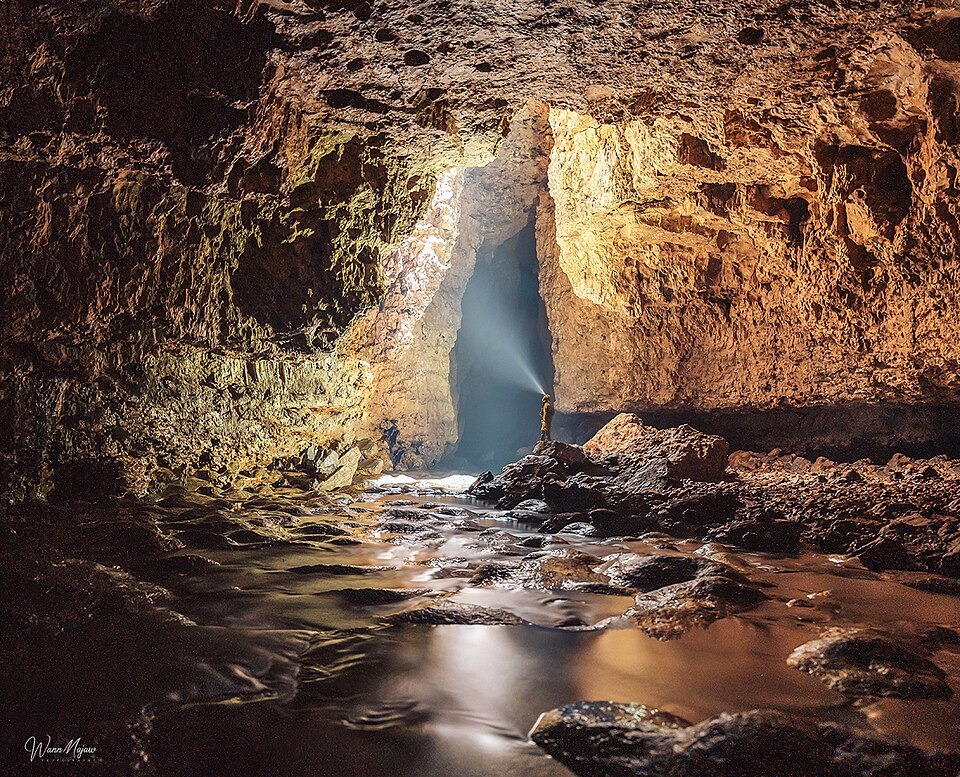
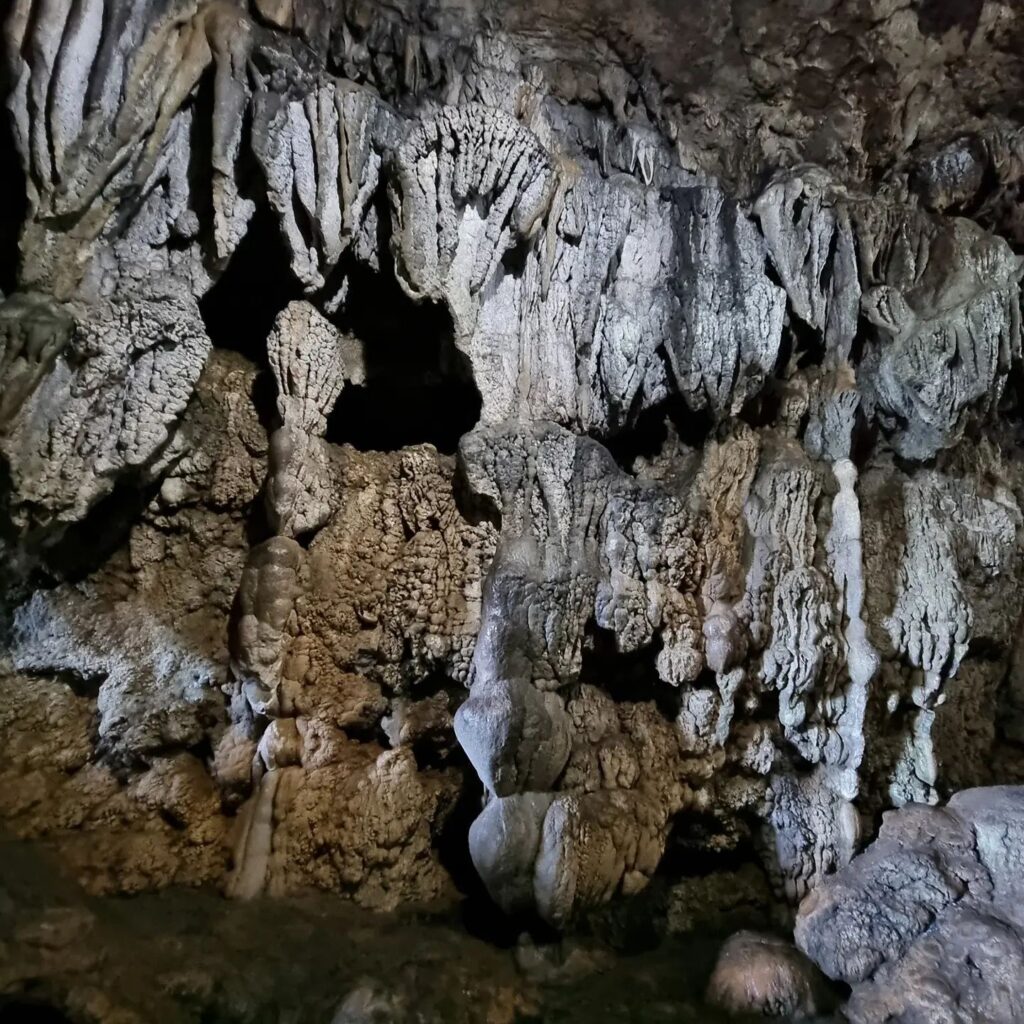
Mawsmai Cave is a stunning example of limestone cave formation. Over centuries, water slowly dissolved layers of limestone, carving out narrow pathways, chambers, and intricate rock formations. Inside the cave, visitors can witness impressive stalactites hanging from the ceiling and stalagmites rising from the floor—natural structures created through the gradual deposition of minerals.
The cave’s interior is beautifully illuminated, allowing visitors to admire its textures and formations without the need for flashlights or specialized equipment. As you move through the winding passages, the play of light and shadow highlights unusual rock shapes and naturally sculpted walls, creating an atmosphere that feels both mysterious and magical.
Some sections of the cave are narrow and require visitors to carefully maneuver through rocky openings, adding a sense of adventure while remaining manageable for most travelers. The cool, damp air inside offers a refreshing contrast to the weather outside and provides a genuine glimpse into Meghalaya’s hidden underground landscape.
Biodiversity Inside the Cave
Beyond its geological appeal, Mawsmai Cave also supports a unique ecosystem. The dark and moist environment serves as a habitat for small bat colonies and cave-dwelling insects specially adapted to low-light conditions. These creatures play an important role in maintaining the cave’s ecological balance.
Although wildlife sightings may vary, the cave offers an interesting perspective on how life adapts to underground environments. Visitors are encouraged to respect this delicate ecosystem by avoiding loud noises, touching rock formations, or disturbing the cave’s natural inhabitants.
Cultural and Tourism Significance
Mawsmai Cave holds considerable importance in Meghalaya’s tourism landscape and is often included in sightseeing itineraries around Cherrapunji. For many travelers, it serves as a gateway to understanding the state’s remarkable geological heritage.
Meghalaya is widely recognized as one of India’s leading cave exploration destinations, with some of the country’s longest and deepest cave systems found within its hills. Mawsmai Cave provides a safe and approachable introduction to this lesser-known world of speleology, or cave study.
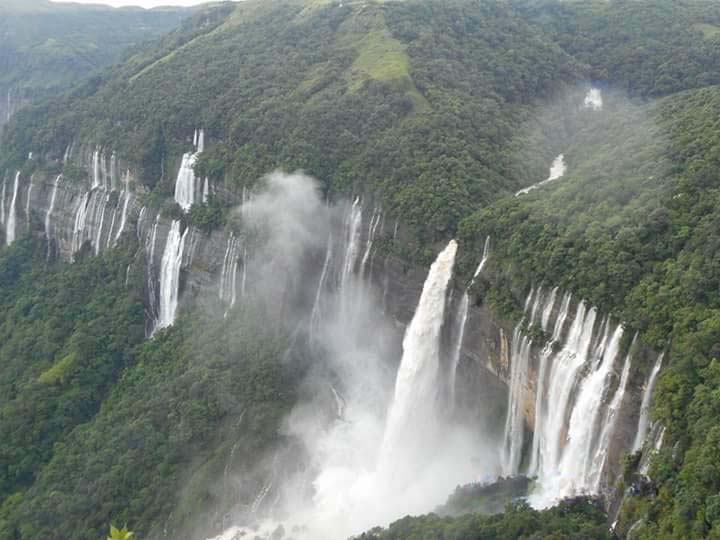
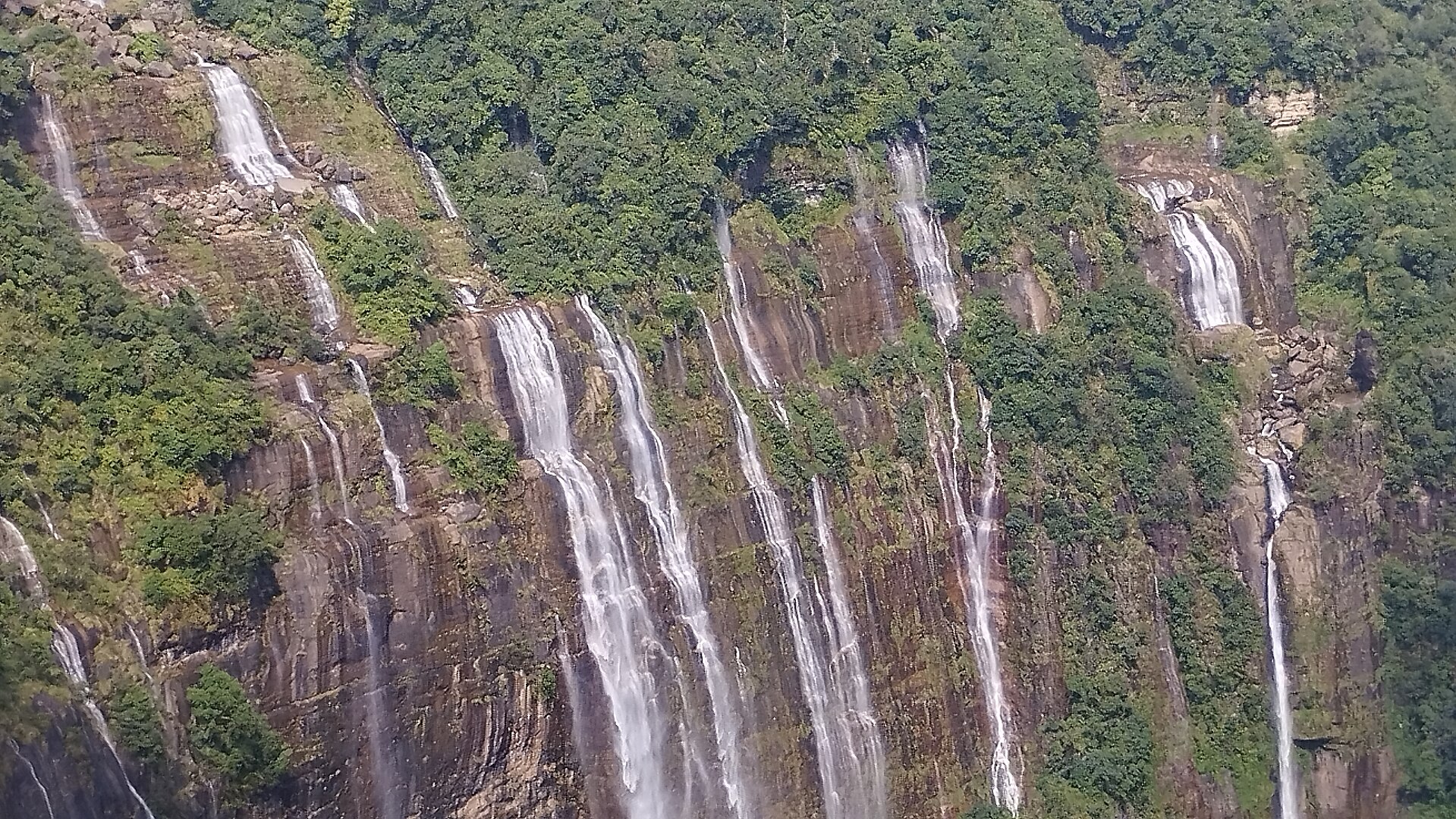
The cave’s location also makes it an ideal stop during a broader exploration of Sohra’s natural attractions. Many tourists pair their visit with nearby landmarks such as the breathtaking Seven Sisters Falls, also known as Nohsngithiang Falls, and Eco Park, both of which offer spectacular views of Meghalaya’s dramatic landscape.
How to Reach Mawsmai Cave
Reaching Mawsmai Cave is relatively convenient due to its proximity to Cherrapunji town.
By Road:
Mawsmai Cave is located approximately 6 km from Cherrapunji town. Local taxis and shared vehicles are readily available for the short journey. From Shillong, the cave is about 58 km away and can be reached in roughly two hours by road via NH206, offering travelers scenic views of rolling hills, valleys, and waterfalls along the route.
By Air:
The nearest airport is Shillong Airport (Umroi), situated around 80 km away. However, most travelers prefer arriving through Guwahati Airport, approximately 150 km from Cherrapunji, due to its better flight connectivity with major Indian cities.
By Rail:
The nearest major railway station is Guwahati Railway Station, about 150 km away. From there, taxis and buses are available to reach Shillong and onward to Cherrapunji.
Best Time to Visit
The ideal time to visit Mawsmai Cave is between October and April. During these months, the weather remains pleasant, skies are generally clearer, and the cave is easier to explore as monsoon flooding is minimal.
Although Meghalaya is famous for its dramatic monsoon season, heavy rainfall from June to September can make travel more challenging and certain cave sections wetter or slippery. Visitors who prefer lush green landscapes and powerful waterfalls may still enjoy the rainy season, but extra caution is advised.
Visitor Tips
Before exploring Mawsmai Cave, keeping a few practical tips in mind can make the experience more comfortable and enjoyable:
- Wear comfortable shoes with good grip, as cave surfaces may be damp and uneven.
- Carry light outerwear if visiting during cooler months, as the cave interior remains naturally cool.
- Avoid touching stalactites and stalagmites, as these delicate formations take centuries to develop.
- Visit early in the day or during weekdays to avoid heavy tourist crowds.
- Keep photography equipment protected from moisture inside the cave.
Google Maps
FAQs
1. Is Mawsmai Cave suitable for children and elderly visitors?
Yes. Mawsmai Cave is considered one of Meghalaya’s easiest caves to explore. While some passages are narrow, most visitors, including families and elderly travelers with moderate mobility, can enjoy the experience.
2. Do visitors need a guide to enter the cave?
A guide is generally not required because the cave is illuminated and has a designated visitor path. However, local guides may enhance the experience by explaining geological and cultural details.
3. How long does it take to explore Mawsmai Cave?
Most visitors spend around 20 to 40 minutes exploring the cave, depending on crowd levels and time spent taking photographs.
4. Is photography allowed inside the cave?
Yes, photography is usually permitted. The lighting inside the cave makes it possible to capture the fascinating rock formations, though low-light settings may help produce better images.
5. Can Mawsmai Cave be visited during the monsoon season?
Yes, but caution is necessary. Heavy rains may make pathways slippery and travel conditions less predictable.
6. Are there facilities near the cave?
Yes. Basic tourist facilities, parking areas, food stalls, and local transport options are generally available near the cave entrance, especially during peak tourist seasons.