Image Source: Palash Dutta
About Walong Valley
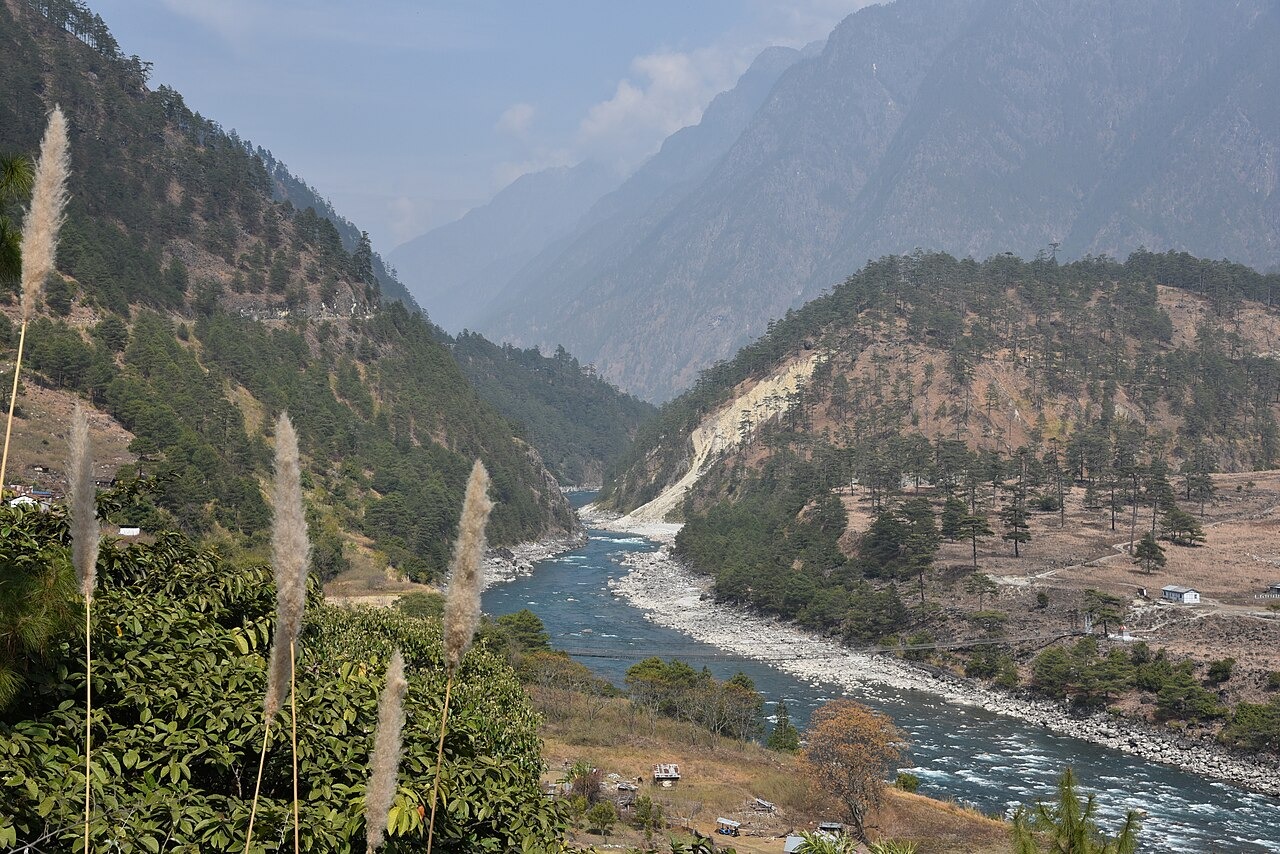
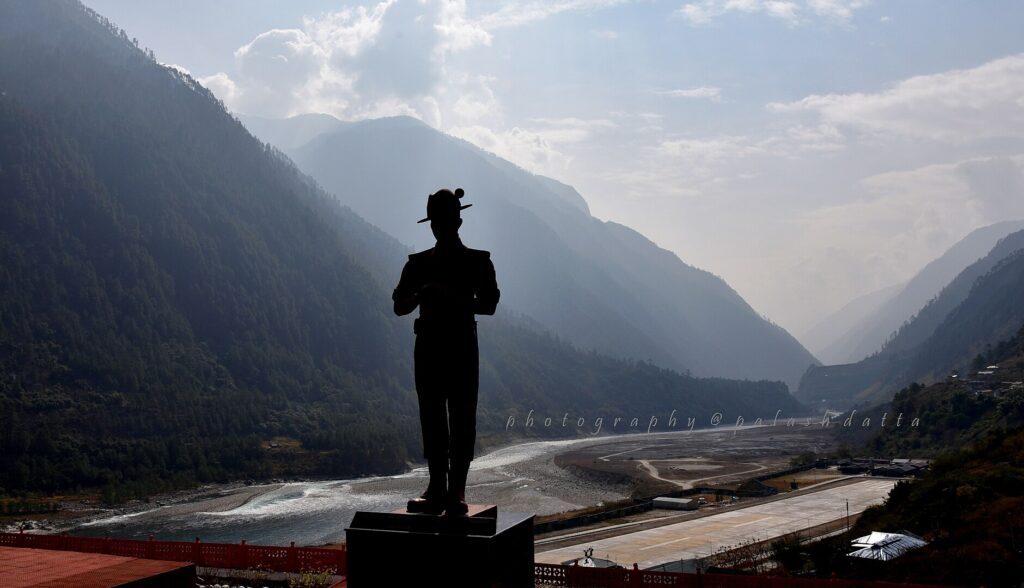
Nestled in the pristine landscape of Anjaw district, Walong Valley holds the distinction of being the easternmost permanently inhabited place in India. Surrounded by the soaring peaks of the Eastern Himalayas and cradled by the Lohit River, Walong offers travellers a rare glimpse into untouched nature and the vibrant culture of the Mishmi tribe.
This valley is not only a natural wonder but also a region steeped in historical significance, having witnessed crucial moments during the 1962 Sino-Indian War. With its verdant forests, cascading waterfalls, and serene riverbanks, Walong Valley is a hidden paradise for adventure seekers and cultural explorers alike.
Unique Experiences & Activities
Trekking & Nature Walks – Trails meander through dense bamboo groves, rhododendron forests, and alpine meadows, revealing panoramic views of the Lohit River gorge.
Historical Exploration – Visit remnants of war bunkers, military cemeteries, and the Walong War Memorial, commemorating the sacrifices of Indian soldiers.
River Activities – The Lohit River here is ideal for peaceful fishing and riverside camping.
Birdwatching & Wildlife Spotting – Spot rare birds such as the Himalayan monal, kalij pheasant, and various hornbill species amidst the valley’s rich biodiversity.
Cultural Interactions – Engage with the Mishmi community, experiencing their traditional crafts, dances, and festivals.
Cultural & Historical Significance
Walong Valley is home to the Mishmi tribe, one of Arunachal Pradesh’s most ancient and culturally rich indigenous groups. Their customs, folklore, and spiritual practices are deeply intertwined with the natural landscape. The valley’s strategic location made it a battleground during the 1962 Indo-China war, and visitors can explore several war memorials and historical sites that narrate the bravery and resilience of the Indian Army. The fusion of natural beauty and poignant history gives Walong a unique character.
How to Reach
Nearest Airport: Dibrugarh Airport (Assam), followed by a road journey through Tezu and Hayuliang.
By Road: Dibrugarh → Tinsukia → Tezu → Hayuliang → Walong. The route offers spectacular views of mountain rivers, hanging bridges, and dense forests.
Helicopter: Pawan Hans operates helicopter services to Walong during suitable weather conditions.
Nearby Attractions of Walong Valley
Walong Valley is one of the most picturesque and historically significant destinations in Arunachal Pradesh. Located in the Anjaw district along the banks of the Lohit River, the valley is surrounded by majestic mountains, dense forests, crystal-clear streams, and traditional tribal settlements. Apart from its natural beauty, Walong is renowned for being the site of one of the fiercest battles fought during the 1962 India-China War. Today, it attracts nature lovers, history enthusiasts, trekkers, and adventure seekers looking to explore one of the most remote corners of India.
1. Kibithu
Located about 35 kilometers from Walong, Kibithu is among India’s easternmost inhabited settlements. The journey to Kibithu offers spectacular views of the Lohit River, rugged mountains, and dense forests. Its strategic location near the India-China border makes it a popular attraction.
2. Kaho Village
Kaho Village is one of the easternmost villages in India and is inhabited by the Meyor tribe. The village is known for its serene atmosphere, traditional Buddhist culture, and stunning Himalayan surroundings.
3. Dong Village
Dong Village is famous for being one of the first places in India to witness the sunrise. Visitors often trek to the Dong Sunrise Viewpoint early in the morning to enjoy breathtaking views as the first rays of sunlight illuminate the mountains.
4. Walong War Memorial
This memorial commemorates the bravery and sacrifice of Indian soldiers who fought during the Battle of Walong in 1962. It is one of the most important historical landmarks in the region and attracts visitors interested in military history.
5. Namti Plains
Namti Plains played a crucial role during the 1962 war and was the site of intense fighting between Indian and Chinese forces. The area offers a combination of historical significance and beautiful valley scenery.
6. Lohit River
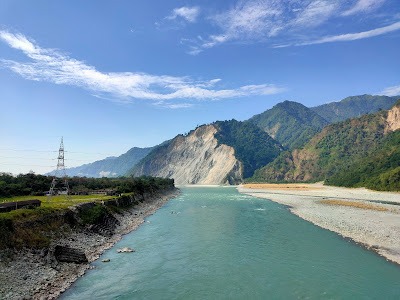
The Lohit River flows through Walong Valley, creating spectacular landscapes of riverbanks, valleys, and mountain backdrops. Visitors can enjoy photography, riverside walks, and peaceful moments amidst nature.
7. Tilam Village
Tilam is a charming village near Walong known for its traditional houses, scenic beauty, suspension bridges, and natural hot springs. It offers a glimpse into the local lifestyle and culture of the region.
8. Dong Valley Trek Route
Adventure enthusiasts can explore trekking routes connecting Walong and Dong Valley. The trails pass through forests, mountain slopes, and river valleys while offering panoramic views of the Eastern Himalayas.
9. Hot Springs of Walong Region
Several natural hot springs are located in and around Walong. These geothermal springs are believed by locals to possess therapeutic properties and provide a relaxing experience amid beautiful surroundings.
10. Hawai
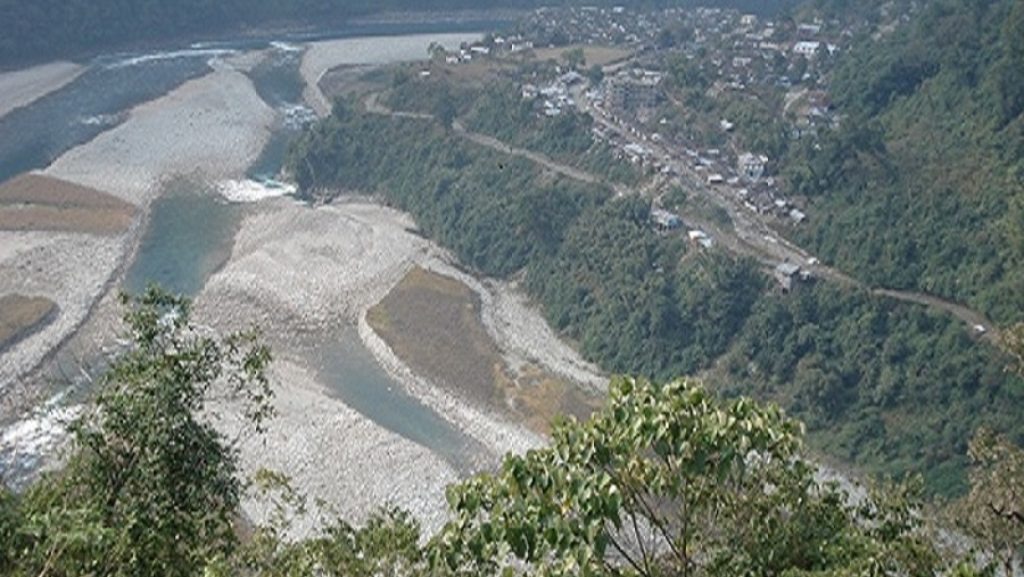
Hawai, the headquarters of Anjaw district, is located on the route to Walong. Surrounded by mountains and rivers, it serves as a convenient stopover and offers excellent viewpoints of the region’s natural beauty.
Best Time to Visit
October to April – Crisp, clear weather ideal for trekking, sightseeing, and cultural immersion.
May to September – Monsoon season brings lush greenery but can cause travel disruptions due to landslides.
Google Maps
FAQs
1. Where is Walong Valley located?
Walong Valley is located in the Anjaw district of Arunachal Pradesh, near the India-China border in the easternmost part of India.
2. Why is Walong Valley famous?
Walong Valley is famous for its stunning Himalayan landscapes, the Lohit River, historical significance during the 1962 India-China War, and its proximity to Dong, Kibithu, and Kaho.
3. What is the best time to visit Walong Valley?
The best time to visit is from October to April when the weather is pleasant, roads are generally accessible, and the mountain views are clear.
4. How can I reach Walong Valley?
Travelers usually reach Walong by road from Tezu via Hayuliang and Hawai. The nearest airport is Tezu Airport, while the nearest major railway station is New Tinsukia in Assam.
5. Is an Inner Line Permit (ILP) required to visit Walong?
Yes. Indian citizens need an Inner Line Permit (ILP) to visit Walong and other parts of Arunachal Pradesh. Foreign nationals require the relevant permits issued by the authorities.
6. How far is Walong from Dong Village?
Dong Village is approximately 7–8 kilometers from Walong and can be reached by road followed by a short trek to the sunrise viewpoint.
7. What is the significance of the Walong War Memorial?
The memorial honors Indian soldiers who displayed exceptional courage during the Battle of Walong in the 1962 India-China War and serves as a tribute to their sacrifice.
8. Are accommodation facilities available in Walong?
Yes. Walong offers basic hotels, tourist lodges, government guesthouses, and homestays. However, visitors are advised to book accommodations in advance due to limited availability.
9. What activities can visitors enjoy in Walong Valley?
Visitors can enjoy trekking, photography, birdwatching, nature walks, river exploration, historical sightseeing, cultural interactions, and sunrise excursions to nearby Dong Village.
10. What makes Walong Valley unique?
Walong Valley stands out for its combination of pristine Himalayan landscapes, rich tribal culture, military history, remote location, and access to some of India’s easternmost settlements, making it one of the most fascinating destinations in Arunachal Pradesh.