Image Source: palash dutta
About Kibithu
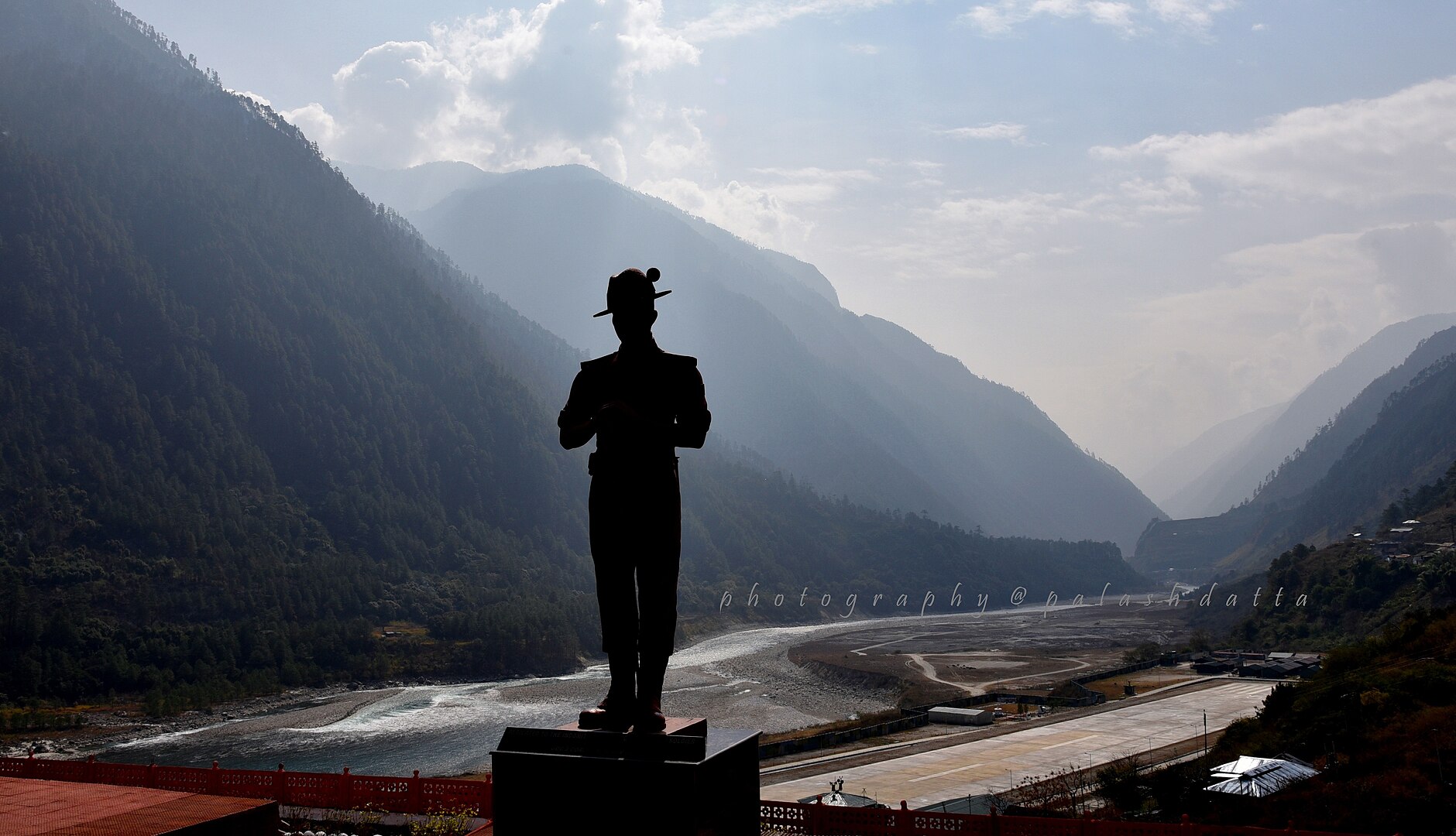
Located at the very edge of India’s border with China, Kibithu is the easternmost inhabited village of the country, situated in the Anjaw district of Arunachal Pradesh. Perched near the confluence of the Kibithu River and the mighty Lohit River, this remote Himalayan settlement offers visitors a unique blend of stark natural beauty, strategic military significance, and vibrant tribal culture.
Kibithu is a place where the soaring peaks meet the sky and where the spirit of the indigenous Mishmi tribe thrives in one of the world’s most secluded frontiers.
Unique Experiences & Activities
Border Trekking & Exploration – Experience the thrill of visiting India’s easternmost inhabited spot, with stunning views of the towering Himalayas and glimpses of the Indo-China border region.
Cultural Immersion – Meet the local Mishmi people, renowned for their rich oral traditions, intricate bamboo crafts, and age-old festivals that celebrate nature and community.
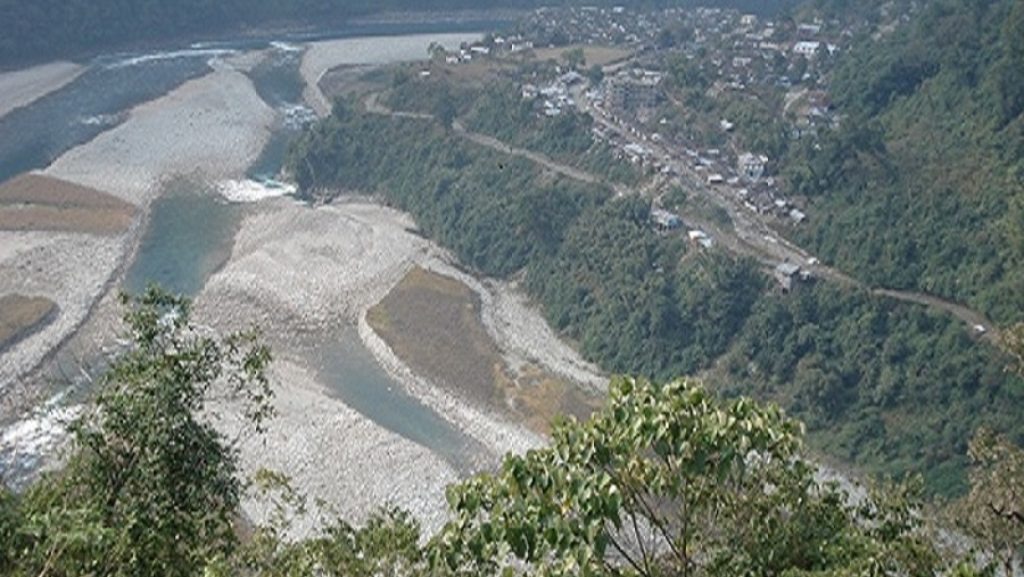
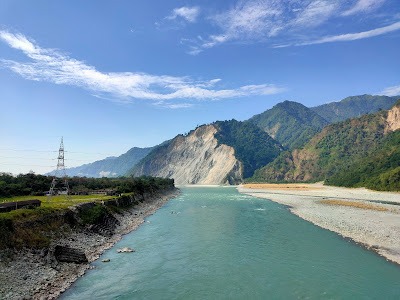
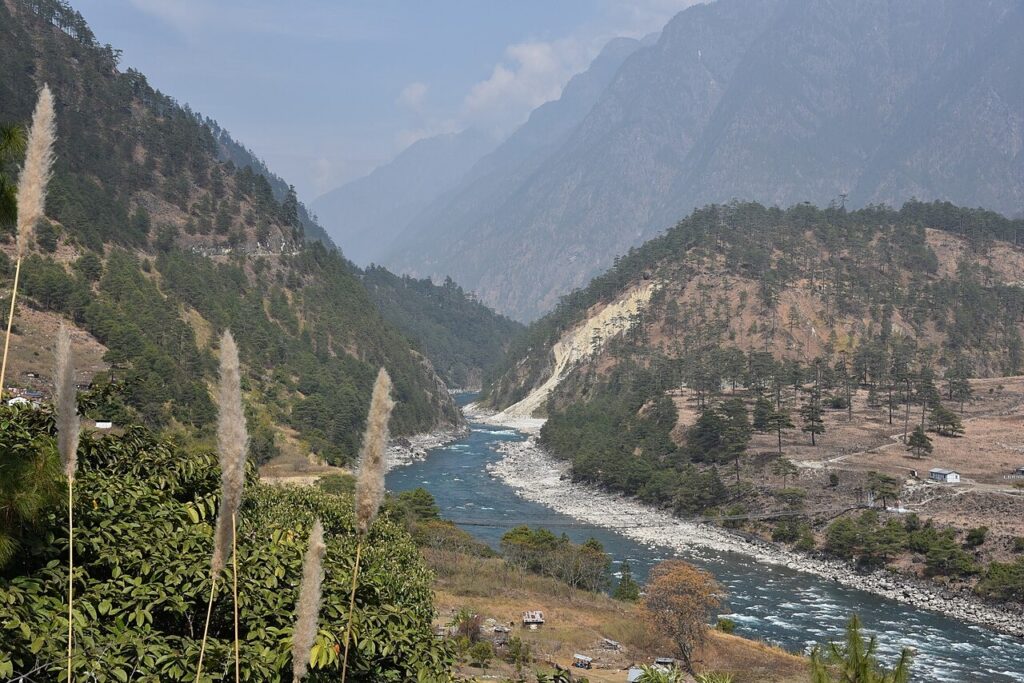
River Scenery – The confluence of the Kibithu and Lohit Rivers creates a breathtaking landscape, ideal for photography and quiet reflection.
Birdwatching – The area is home to diverse Himalayan bird species, including Himalayan monal and various pheasants.
War Memorial Visits – Explore sites related to the 1962 Sino-Indian War, where history is etched into the rugged mountains.
Cultural & Historical Significance
Kibithu is steeped in the traditions of the Mishmi tribe, whose lives revolve around the rhythms of the mountains and rivers. The village is also of strategic military importance, having been a frontline during the 1962 Indo-China conflict. Visitors can witness remnants of war bunkers and memorials that pay homage to the courage of Indian soldiers. Despite its remote location, Kibithu retains a vibrant culture where tribal music, dance, and festivals continue to flourish amidst the Himalayan backdrop.
How to Reach
Nearest Airport: Dibrugarh Airport in Assam is the main gateway, followed by an arduous road journey through Tezu, Hayuliang, and Walong.
By Road: The route from Dibrugarh passes through Tinsukia, Tezu, Hayuliang, and Walong before reaching Kibithu. The last stretch is rugged and requires a sturdy vehicle.
Helicopter: Pawan Hans occasionally operates helicopter services to Walong and nearby areas, subject to weather and permissions.
Nearby Attractions of Kibithu
Kibithu is a remote and breathtakingly beautiful village in the Anjaw district of Arunachal Pradesh, situated near the India-China border along the banks of the Lohit River. Often regarded as one of India’s easternmost inhabited settlements, Kibithu is known for its dramatic mountain scenery, rich tribal culture, historical significance, and unparalleled sunrise views. Surrounded by dense forests, deep valleys, and snow-clad peaks, it offers a truly offbeat Himalayan experience.
1. Kaho Village
Located just a short distance from Kibithu, Kaho is one of the easternmost villages of India. Home to the Meyor tribe, the village is known for its traditional lifestyle, Buddhist culture, and stunning views of the surrounding mountains and river valleys.
2. Walong
Walong is one of the most popular destinations near Kibithu. Nestled in a picturesque valley along the Lohit River, it is famous for its role in the 1962 India-China War. The town offers beautiful landscapes, war memorials, and opportunities to experience local tribal culture.
3. Dong Village
Dong Village attracts visitors from across the country as one of the first places in India to witness sunrise. A pre-dawn trek to the viewpoint rewards travelers with spectacular views of the sun rising over the Eastern Himalayas.
4. Lohit River
The mighty Lohit River flows through the region, creating dramatic gorges, rocky riverbanks, and scenic viewpoints. Visitors can enjoy photography, riverside walks, and breathtaking views of the surrounding valleys.
5. Namti Plains
Located near Walong, Namti Plains is a historically important site where fierce battles were fought during the 1962 India-China War. The area offers both historical significance and scenic beauty.
6. Walong War Memorial
This memorial honors the Indian soldiers who fought bravely during the Battle of Walong. It is an important landmark for history enthusiasts and patriotic travelers.
7. Kaho Gompa
Situated near Kaho Village, this Buddhist monastery reflects the spiritual traditions of the Meyor community. The peaceful atmosphere and beautiful surroundings make it a worthwhile stop.
8. Tilam Village
Tilam is a charming village known for its traditional wooden houses, hanging bridges, hot springs, and scenic river views. It offers visitors an authentic glimpse into life in eastern Arunachal Pradesh.
9. Border Viewpoints
Several locations around Kibithu provide panoramic views of the surrounding Himalayan ranges and the international border region. These viewpoints are particularly popular among photographers and nature enthusiasts.
10. Hawai
The district headquarters of Anjaw, Hawai serves as a gateway to many attractions in the region. Surrounded by mountains and rivers, it offers beautiful scenery and basic tourist facilities.
Best Time to Visit
October to April – Clear skies, cool weather, and safer roads make this the ideal time for visiting Kibithu.
May to September – Monsoon rains can cause landslides and roadblocks; travel is more challenging.
Google Maps
FAQs
1. Where is Kibithu located?
Kibithu is located in the Anjaw district of Arunachal Pradesh, near the India-China border in the easternmost part of India.
2. Why is Kibithu famous?
Kibithu is famous for its stunning Himalayan landscapes, strategic border location, historical importance during the 1962 India-China War, and its proximity to India’s easternmost villages.
3. What is the best time to visit Kibithu?
The best time to visit Kibithu is from October to April when the weather is pleasant, skies are clear, and mountain views are at their best.
4. How can I reach Kibithu?
Travelers usually reach Kibithu via Tezu, Hayuliang, and Walong. The nearest airport is Tezu Airport, while the nearest major railway station is New Tinsukia in Assam.
5. Is an Inner Line Permit (ILP) required to visit Kibithu?
Yes. Indian citizens must obtain an Inner Line Permit (ILP) before visiting Kibithu. Foreign nationals require the appropriate permits as prescribed by the authorities.
6. How far is Kibithu from Walong?
Kibithu is approximately 35–40 kilometers from Walong and is connected by a scenic mountain road.
7. What tribes live in and around Kibithu?
The region is primarily inhabited by the Meyor and Mishmi communities, who have preserved their unique traditions, customs, and cultural heritage.
8. Are accommodation facilities available in Kibithu?
Basic guesthouses, homestays, and government tourist accommodations are available in Kibithu and nearby Walong. Advance planning is recommended due to limited facilities.
9. What activities can visitors enjoy in Kibithu?
Visitors can enjoy trekking, sightseeing, photography, birdwatching, cultural experiences, nature walks, and exploring historical sites related to the 1962 war.
10. What makes Kibithu unique?
Kibithu’s combination of untouched natural beauty, remote Himalayan setting, border significance, rich tribal culture, and proximity to some of India’s easternmost settlements makes it one of the most unique destinations in Arunachal Pradesh.