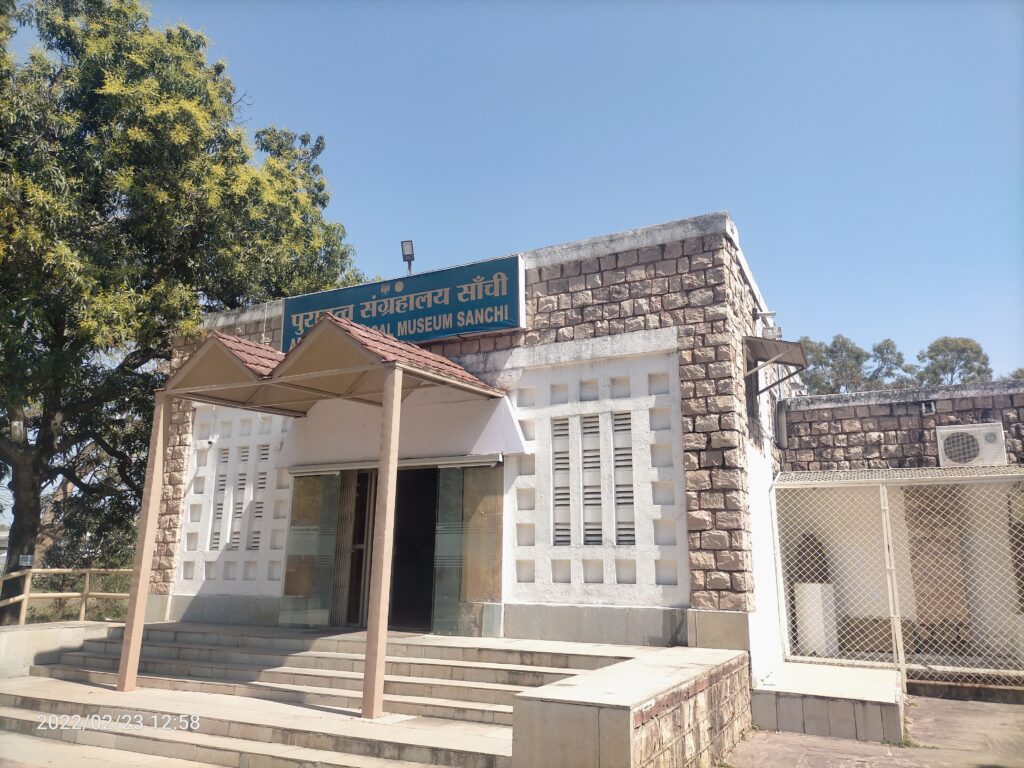
Image Source: KAJAL
About the Sanchi Archaeological Museum
The Archaeological Museum of Sanchi, commonly known as the Sanchi Museum, is one of the most important cultural attractions in Madhya Pradesh. Established in 1919 by the renowned British archaeologist Sir John Marshall, the museum preserves and showcases the rich artistic and spiritual heritage associated with the ancient Buddhist site of Sanchi. Located near the famous Sanchi Stupa, the museum is considered an essential stop for travelers, historians, and art lovers who wish to understand the deeper history behind the monuments scattered across the hill.
The museum beautifully complements a visit to the stupa complex by displaying sculptures, inscriptions, pillars, and relics that were discovered during archaeological excavations in and around Sanchi. Walking through its galleries feels like stepping back into India’s ancient past, where every artifact tells a story of faith, craftsmanship, and evolving artistic traditions.
History and Origins of the Museum
The origins of the Sanchi Museum are closely connected to the archaeological excavations carried out in nearby regions such as Gyaraspur, Gulgaon, Vidisha, and Murelkhurd. During these excavations, archaeologists uncovered numerous sculptures, architectural fragments, and historical remains dating back nearly 2,000 years. These discoveries highlighted the immense historical significance of the region and created the need for a dedicated museum to preserve them.
Initially, the museum was built on top of the Sanchi hill in 1919. However, as the collection expanded and visitor numbers increased, the museum was shifted in 1966 to a larger building located at the foothills of the Sanchi Stupa complex, where it still stands today. The present structure was designed to provide visitors with a more organized and comfortable viewing experience while ensuring the protection of delicate archaeological treasures.
Today, the museum is maintained by the Archaeological Survey of India and remains an important center for the preservation of Buddhist art and history in India.
Architecture and Layout of the Museum
The museum building itself is simple yet elegant in design. It consists of a single-storey structure with a spacious main hall, four galleries, a verandah, and an open courtyard. The layout allows visitors to move comfortably through different sections that represent various historical and cultural periods.
The exhibits in the museum span several major dynasties and artistic traditions, including the Maurya, Shunga, Satavahana, Kushana, and Gupta periods, covering a timeline from around 300 BCE to 700 CE. Each gallery reflects the evolution of Buddhist art, sculpture, and symbolism over centuries.
One of the most remarkable highlights of the museum is the famous Ashokan pillar capital. This beautifully carved structure features a bell-shaped base topped with an inverted lotus supporting four seated lions. The craftsmanship of the pillar reflects the extraordinary artistic excellence of the Mauryan period and the influence of Emperor Ashoka in spreading Buddhism across the Indian subcontinent.
Gallery 1 – Gupta and Medieval Buddhist Art
The first gallery introduces visitors to some of the finest examples of Gupta and late medieval Buddhist sculptures. This section is especially admired for its calm and spiritually expressive stone carvings created from sandstone.
Among the most striking sculptures is the meditating Buddha figure adorned with auspicious symbols carved on the palms and toes. Another important sculpture depicts the Buddha standing gracefully in the Varada Mudra, a symbolic hand gesture associated with compassion and blessing. The detailing in these sculptures demonstrates the refinement and elegance of Gupta-era artistry, often regarded as the golden age of Indian sculpture.
The gallery also contains two magnificent images of Nagaraja, the serpent king associated with Buddhist and Hindu traditions. These sculptures stand out for their intricate carving and symbolic significance, representing protection, spirituality, and divine power.
Gallery 2 – Miniature Sculptures and Ancient Objects
Gallery 2 is divided into two separate sections, each offering a different glimpse into ancient Indian life and art.
The right side of the gallery displays iron objects and tools from the medieval period, giving visitors insight into the technological and practical aspects of historical societies. These artifacts reveal how iron was used in everyday life, warfare, and craftsmanship.
The left section contains an impressive collection of miniature sculptures dating from the 3rd century BCE to the 12th century CE. Despite their small size, these sculptures display remarkable artistic precision and detail. Some of the most admired pieces include a sculpture of Buddha meditating beneath the sacred Pipal tree, a beautiful Yakshi figure symbolizing fertility and nature, and a red sandstone Buddha image from Mathura dating back to the 4th century CE.
These exhibits help visitors understand how Buddhist art evolved across regions and dynasties while maintaining its spiritual essence.
Cultural and Historical Importance
The Sanchi Archaeological Museum plays a vital role in preserving India’s Buddhist heritage. While the Sanchi Stupa itself represents the architectural grandeur of ancient Buddhism, the museum provides the historical context behind the monuments. The sculptures and relics help historians trace the development of Buddhist iconography, artistic styles, and religious practices over centuries.
For students, researchers, and travelers, the museum serves as a valuable educational destination. It not only preserves ancient objects but also tells the story of how Buddhism flourished in central India under royal patronage and cultural exchange.
The museum also highlights the incredible skill of ancient Indian artisans who transformed stone into expressive works of spiritual art that continue to inspire visitors even today.
Visitor Information
The Sanchi Archaeological Museum is open daily from 9:00 AM to 5:00 PM, except on Fridays when it remains closed. Visitors are advised to allocate at least one to two hours to properly explore the galleries and understand the exhibits.
The entry fee is generally affordable, with separate charges for Indian and foreign tourists. Since ticket prices may occasionally change, visitors should verify the latest information before planning their trip.
The best time to visit Sanchi is during the cooler months from October to March, when the weather is pleasant for sightseeing. Combining a visit to the museum with the Sanchi Stupa complex offers a complete and enriching historical experience.
Why You Should Visit the Sanchi Museum
A visit to the Sanchi Archaeological Museum is much more than a simple sightseeing experience. It is a journey into the artistic, spiritual, and cultural history of ancient India. The museum allows visitors to closely observe rare sculptures and artifacts that once formed part of thriving Buddhist centers and monasteries.
Whether you are interested in archaeology, religion, history, architecture, or art, the museum offers something meaningful for every visitor. Its peaceful atmosphere and priceless collection make it one of the most fascinating heritage museums in India.
How to Reach
The Sanchi Archaeological Museum is located near the famous Buddhist monuments of Sanchi in the Raisen district of Madhya Pradesh. Managed by the Archaeological Survey of India (ASI), the museum houses an impressive collection of sculptures, inscriptions, relics, and architectural fragments excavated from the Sanchi complex and surrounding areas.
By Air
The nearest airport is Raja Bhoj Airport, Bhopal, situated approximately 55 km from Sanchi. Visitors can hire taxis or use local transport services to reach the museum from the airport.
By Train
Sanchi Railway Station is the closest railway station, located about 2 km from the museum. Auto-rickshaws and taxis are readily available from the station. Vidisha Railway Station, around 10 km away, offers better rail connectivity to major Indian cities.
By Road
Sanchi is well connected by road to Bhopal, Vidisha, Indore, and other cities in Madhya Pradesh. Regular buses and private taxis operate to Sanchi. The museum is located close to the main Sanchi monument complex and can be easily reached by local transport or on foot from nearby attractions.
Local Transport
Auto-rickshaws, taxis, and private vehicles are the most convenient ways to travel around Sanchi. Many visitors combine a museum visit with a tour of the nearby Buddhist monuments.
Nearby Attractions
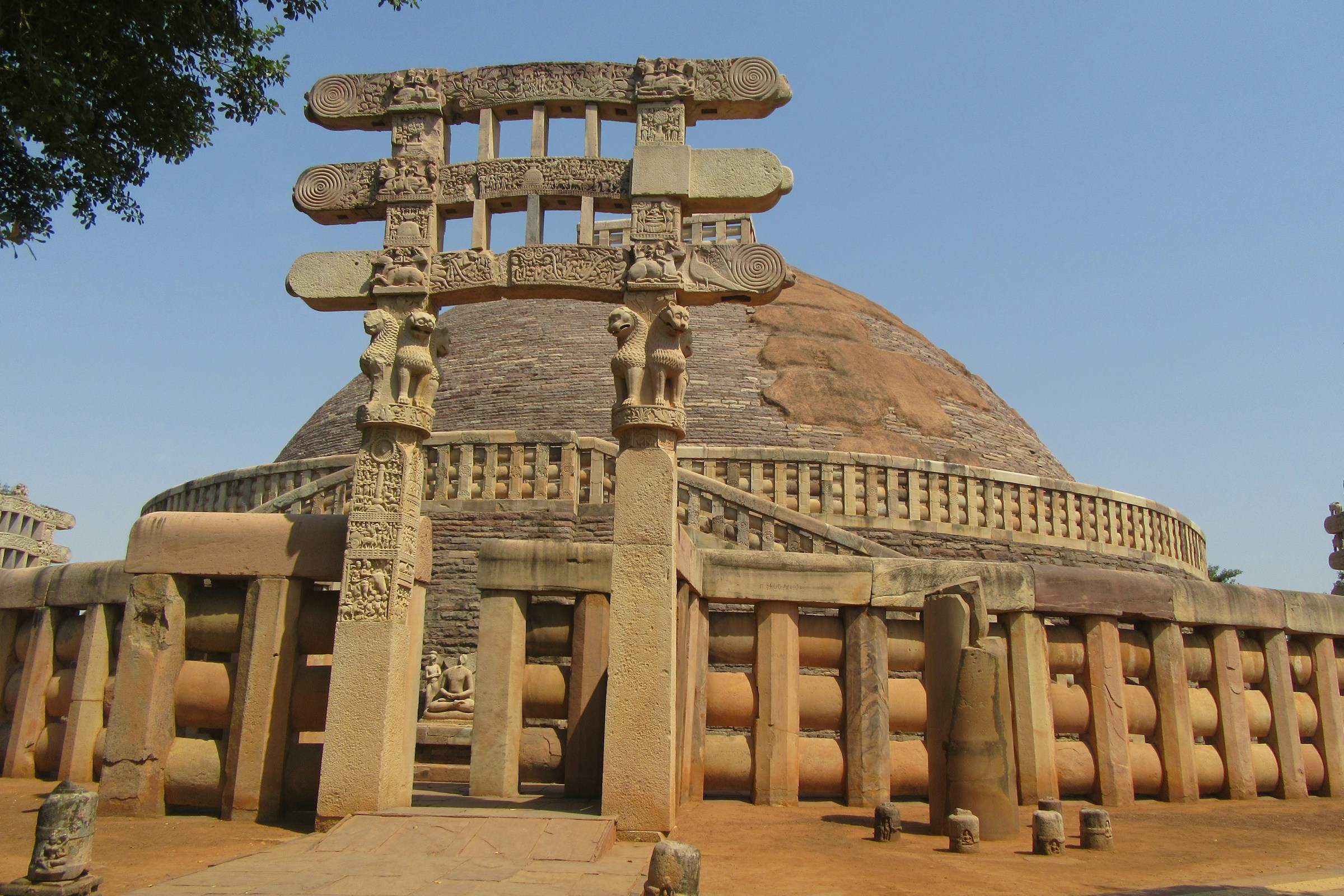
1. Great Stupa of Sanchi
The most famous monument in Sanchi and a UNESCO World Heritage Site, known for its magnificent gateways, stone railings, and Buddhist heritage.
2. Ashoka Pillar
An important Mauryan-era monument erected by Emperor Ashoka, showcasing the architectural excellence of ancient India.
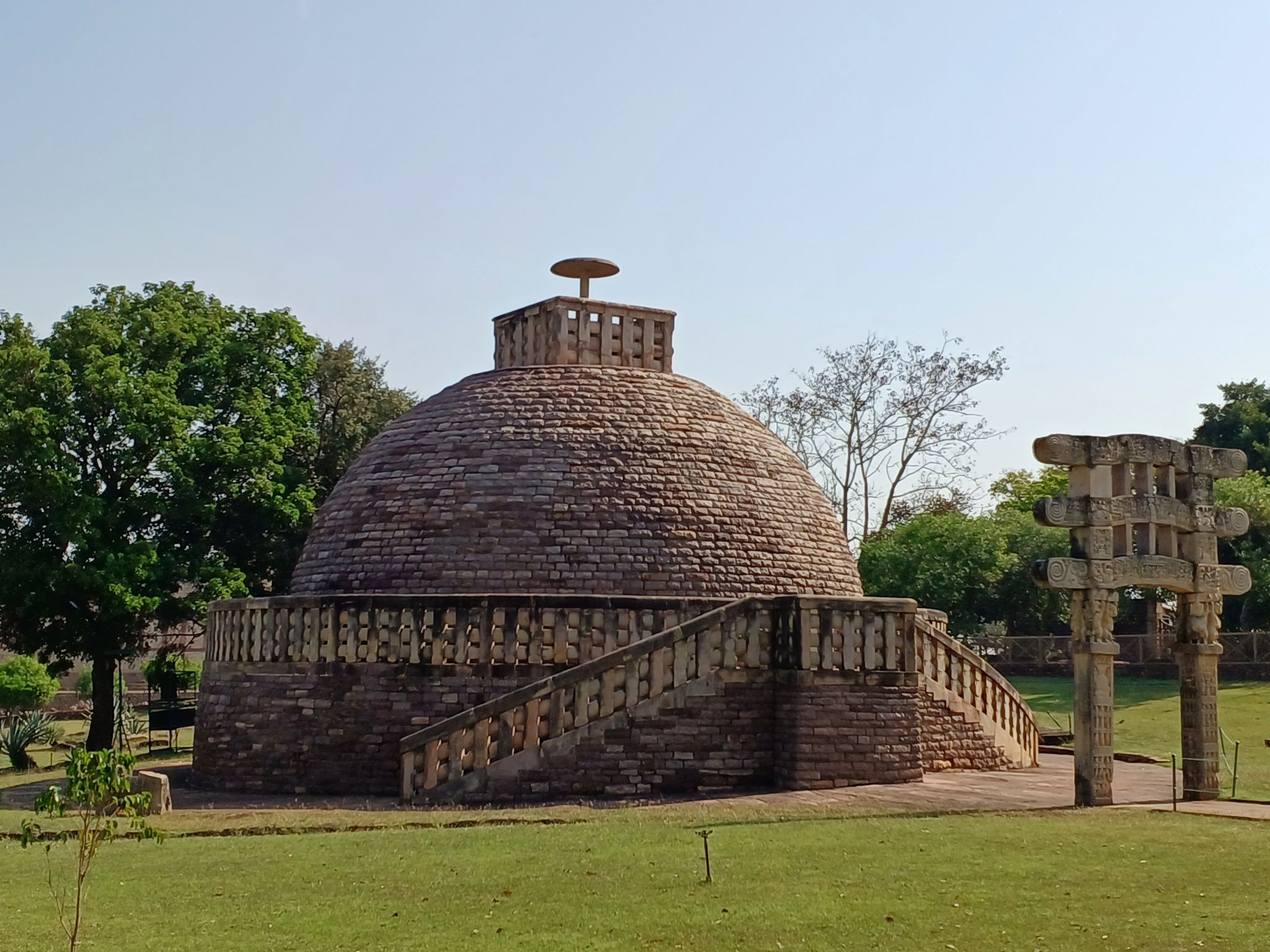
3. Stupa 2
Known for its beautifully carved medallions and early Buddhist decorative art.
4. Stupa 3
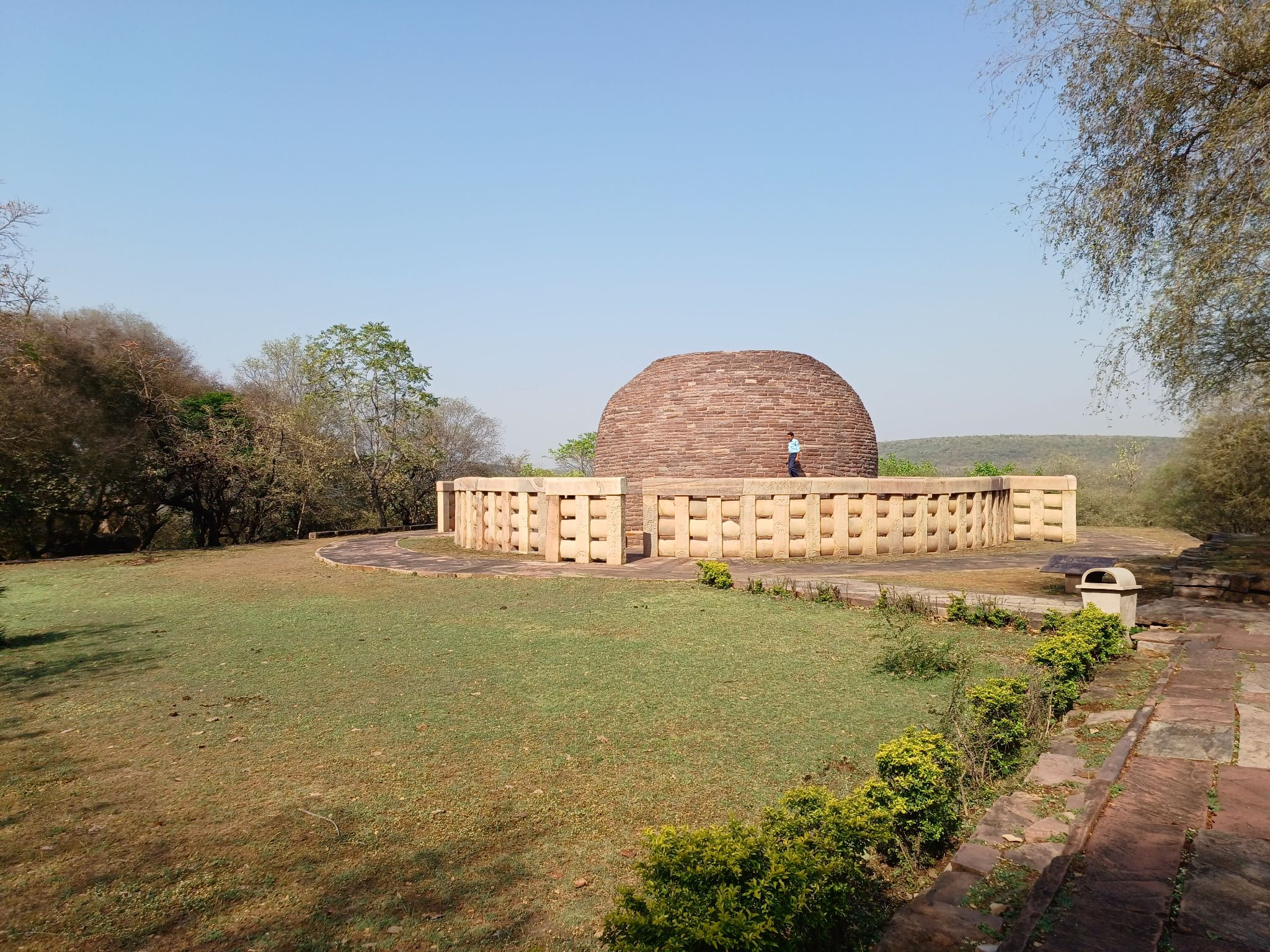
A significant Buddhist monument believed to have housed relics of prominent Buddhist disciples.
5. Chetiyagiri Vihara
A revered Buddhist monastery that preserves sacred relics of Sariputta and Moggallana and attracts pilgrims from around the world.
6. Great Bowl of Sanchi
A massive stone bowl believed to have been used by monks for distributing food within the monastic community.
7. Udayagiri Caves
Ancient rock-cut caves famous for their Gupta-period sculptures and inscriptions, located about 13 km from Sanchi.
8. Heliodorus Pillar
A historic pillar erected by the Greek ambassador Heliodorus, representing one of the earliest known records of Vaishnavism.
9. Vidisha
An ancient city rich in archaeological and historical attractions, located a short drive from Sanchi.
Location
FAQs
Where is the Sanchi Archaeological Museum located?
The museum is located near the famous Sanchi Stupa in the Raisen district of Madhya Pradesh, India.
Who established the Sanchi Museum?
The museum was established in 1919 by Sir John Marshall.
What can visitors see inside the museum?
Visitors can explore ancient Buddhist sculptures, Ashokan pillars, inscriptions, miniature statues, iron objects, and artifacts from several historical dynasties including the Maurya, Gupta, Kushana, and Satavahana periods.
What is the most famous artifact in the museum?
One of the museum’s most celebrated exhibits is the Ashokan lion capital, featuring four seated lions supported by a beautifully carved lotus-shaped base.
How much time is needed to explore the museum?
Most visitors spend around one to two hours exploring the museum comfortably.
Is photography allowed inside the museum?
Photography rules may vary depending on museum regulations. Visitors should check with the museum authorities before taking photographs.
What is the best time to visit Sanchi?
The ideal time to visit is between October and March, when the weather is cooler and more suitable for sightseeing.
Why is the Sanchi Museum important?
The museum preserves invaluable archaeological treasures connected to ancient Buddhism and helps visitors understand the cultural and artistic history of the Sanchi region.