Image Source: Deepa Sharma
About Ajaygarh Fort
Hidden amidst the rugged landscapes of Madhya Pradesh, Ajaygarh Fort is one of those historic places that quietly carries centuries of stories within its stone walls. Located near the small town of Ajaigarh in the Panna district, this magnificent hill fort sits high on a flat-topped hill in the Vindhyan ranges at an elevation of nearly 688 meters. Its strategic location once made it a powerful defensive fortress, while today it rewards visitors with breathtaking panoramic views of forests, rocky terrain, and rivers stretching across central India.
Although much of the fort now lies in ruins, its silence, ancient temples, and massive walls still reflect the grandeur of a bygone era. For history lovers, trekkers, photographers, and offbeat travelers, Ajaygarh Fort offers an experience that feels raw, authentic, and untouched by commercialization.
History
The history of Ajaygarh Fort is deeply connected with the legendary Chandela dynasty, the same rulers who built the world-famous Khajuraho Temples. Known for their exceptional architectural vision and cultural achievements, the Chandelas developed Ajaygarh as an important military stronghold and regional center of power.
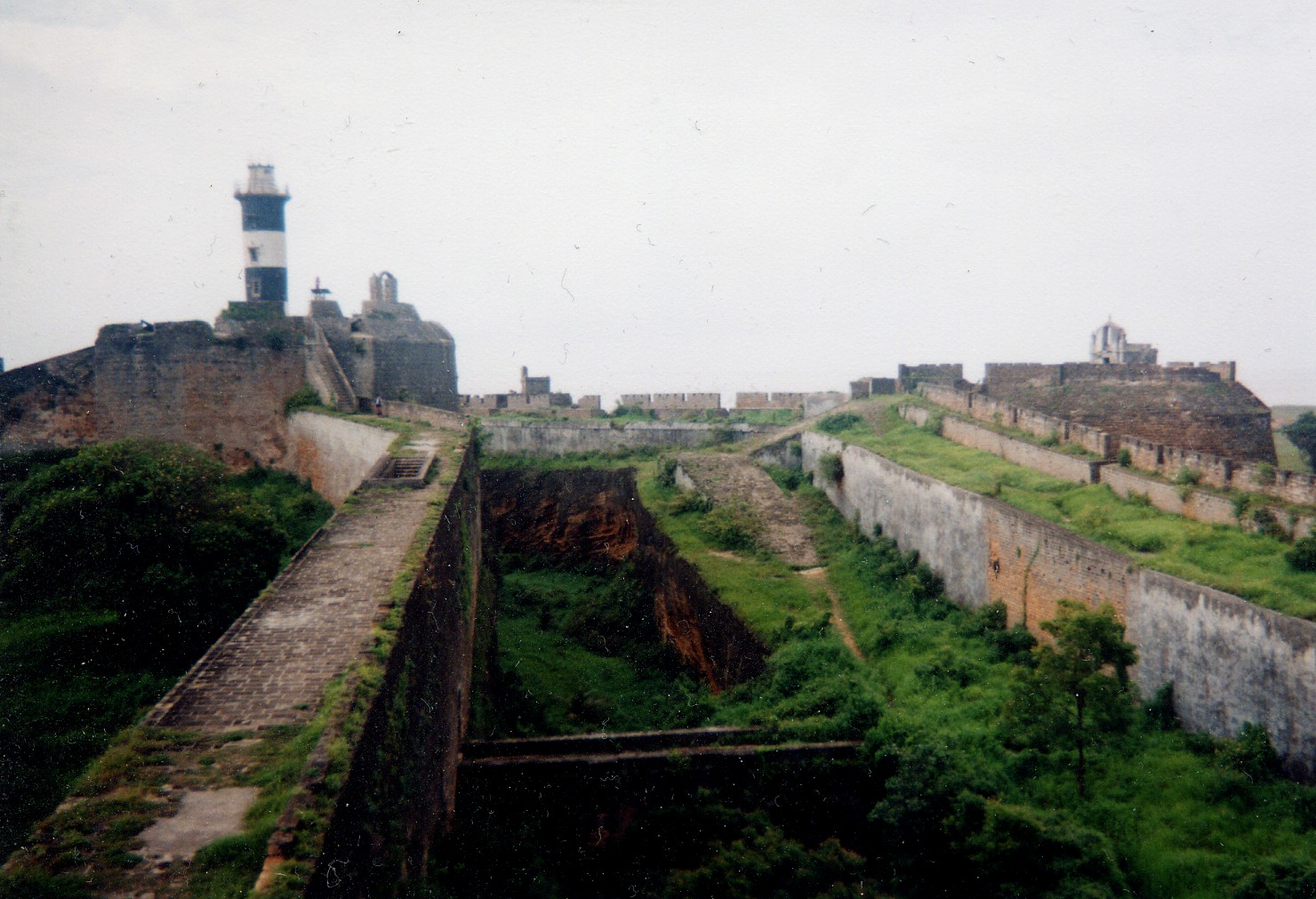
Over time, the fort became a strategic capital due to its naturally protected hilltop location. Its elevated position allowed rulers to monitor surrounding regions and defend against enemy invasions effectively. Even today, the fort’s massive stone walls and defensive planning reveal how advanced medieval Indian military architecture was.
Inside the fort complex, visitors can still see traces of its glorious past. Two ancient rock-cut water reservoirs, locally known as Ganga and Yamuna, showcase the engineering intelligence of the Chandela rulers. These tanks were carefully designed to store water throughout the year, ensuring survival during long sieges and dry seasons.
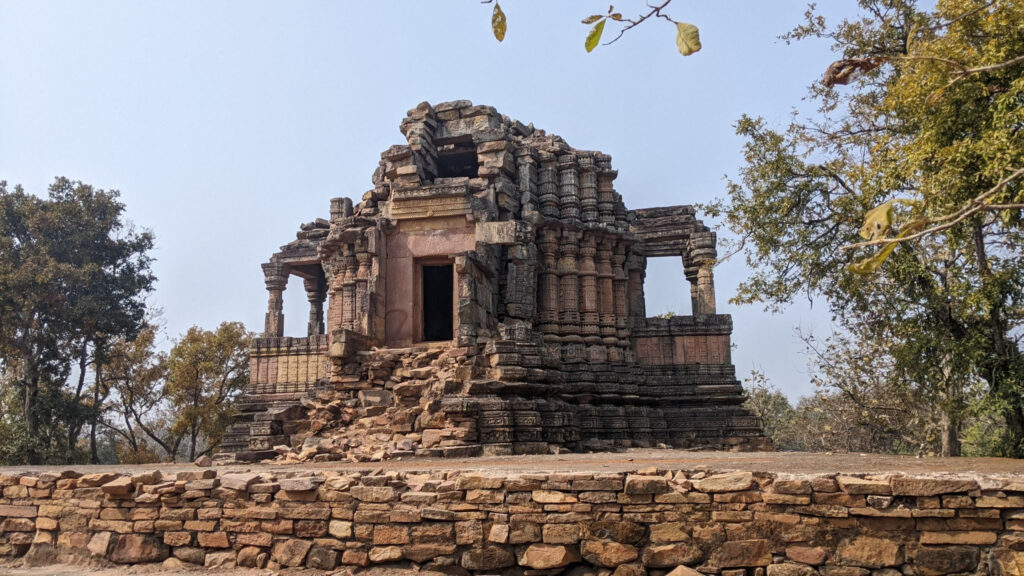
Another important structure within the fort is the shrine dedicated to Raja Parmardi Deva, one of the later Chandela rulers. The temple’s carvings and surviving stonework reflect the artistic brilliance for which the dynasty became famous. Several partially ruined temples built in the distinctive Khajuraho style also stand within the complex, displaying intricate carvings, decorative motifs, and remarkable craftsmanship.
Even though centuries of weather and neglect have damaged many parts of the fort, the remaining structures continue to tell stories of power, resilience, and artistic excellence.
Architecture and Design
The architecture of Ajaygarh Fort perfectly blends functionality with beauty. Built using locally available stone, the structure merges naturally with the rocky hill terrain, making it difficult for enemies to attack while also enhancing its dramatic appearance.
The fortifications are massive and strategically designed, with thick defensive walls protecting the inner complex. Within the fort, there were once residential spaces, temples, open courtyards, and water storage systems that supported a thriving settlement.
One of the most fascinating aspects of the fort is its temple architecture. The surviving temples resemble the artistic style seen in Khajuraho, featuring elegant carvings, ornamental pillars, and detailed sculptures. Though many structures are now partially ruined, the craftsmanship visible in the remaining stonework still leaves visitors impressed.
The weathered ruins, broken gateways, and scattered remains create an atmosphere that feels mysterious and timeless. Walking through the fort today offers a rare opportunity to witness how medieval hill forts were designed to balance security, spirituality, and daily life.
The Trek and Visiting Experience
Visiting Ajaygarh Fort is not just about sightseeing—it is also about the journey. To reach the top, visitors must climb nearly 500 stone steps carved into the hillside. The climb is moderately challenging, but the experience becomes increasingly rewarding as stunning views unfold with every step upward.
Unlike many heavily commercialized tourist destinations, the fort remains peaceful and relatively untouched. There are very few signboards, shops, or guided facilities around the site, which adds to its raw and authentic charm. The quiet surroundings allow visitors to fully absorb the historical atmosphere of the place.
Once at the summit, travelers are greeted by expansive views of forests, rocky landscapes, and distant villages. During sunrise and sunset, the scenery becomes especially magical as golden light spreads across the ancient ruins and surrounding hills.
Since facilities are limited, visitors are advised to carry drinking water, snacks, sunscreen, and comfortable trekking shoes. Exploring the fort often feels like stepping into a forgotten chapter of Indian history where every stone has a story to tell.
Best Time to Visit
The ideal time to visit Ajaygarh Fort is between October and March, when the weather remains pleasant and suitable for climbing. Summers in Madhya Pradesh can become extremely hot, making the trek tiring during daytime hours.
Early mornings and late afternoons are considered the best times for exploration. Sunset, in particular, offers spectacular views and excellent photography opportunities.
The fort is generally open daily from 6:00 AM to 6:00 PM.
How to Reach Ajaygarh Fort
By Road
Ajaygarh Fort is well connected by road to nearby towns and cities in Madhya Pradesh. Visitors can hire taxis or use local transport from Panna, Khajuraho, and surrounding regions.
By Train
The nearest major railway station is Khajuraho Railway Station. From there, taxis and private vehicles are easily available to reach Ajaigarh town.
By Air
The nearest airport is Khajuraho Airport, which offers connectivity to cities like Delhi and Varanasi.
After reaching Ajaigarh town, travelers need to take a short drive to the base of the hill, followed by the climb to the fort entrance.
Nearby Attractions to Ajaygarh Fort
- Panna National Park – A renowned tiger reserve known for its rich wildlife, safaris, leopards, gharials, and scenic forest landscapes.
- Pandav Falls – A picturesque waterfall surrounded by dense greenery and associated with legends from the Mahabharata.
- Raneh Falls – Famous for its colorful volcanic rock formations and dramatic canyon carved by the Ken River.
- Ken Gharial Sanctuary – A protected sanctuary where visitors can spot gharials, crocodiles, and various bird species along the Ken River.
- Mahamati Prannathji Temple – An important pilgrimage site of the Pranami sect, admired for its spiritual significance and architecture.
- Benisagar Dam – A peaceful reservoir surrounded by natural scenery, ideal for relaxation and photography.
- Khajuraho Group of Monuments – A UNESCO World Heritage Site celebrated for its exquisite Chandela-era temples and intricate stone carvings.
- Jugal Kishore Temple – A historic temple dedicated to Lord Krishna, known for its religious importance and traditional architecture.
Why Ajaygarh Fort Is Worth Visiting
Ajaygarh Fort may not be as famous as some of India’s larger forts, but that is exactly what makes it special. It offers a peaceful and immersive experience away from crowded tourist spots. The combination of history, architecture, adventure, and natural beauty creates a memorable journey for anyone interested in exploring hidden heritage sites.
Whether you are fascinated by the Chandela dynasty, enjoy trekking through historic landscapes, or simply want to discover lesser-known destinations in Madhya Pradesh, Ajaygarh Fort is a place that deserves a spot on your travel list.
Google Maps
FAQs
Where is Ajaygarh Fort located?
Ajaygarh Fort is located near Ajaigarh town in the Panna district of Madhya Pradesh, India.
Who built Ajaygarh Fort?
The fort is associated with the Chandela dynasty, which also built the famous Khajuraho temples.
How difficult is the trek to Ajaygarh Fort?
The trek involves climbing around 500 stone steps. It is moderately challenging but manageable for most visitors with basic fitness.
What are the main attractions inside the fort?
The fort features ancient temples, rock-cut water tanks known as Ganga and Yamuna, ruined gateways, panoramic viewpoints, and remnants of Chandela-era architecture.
What is the best time to visit Ajaygarh Fort?
The best time to visit is from October to March when the weather is cooler and more comfortable for trekking.
Are guides available at the fort?
Guides and tourist facilities are limited, so many visitors explore the fort independently.
Is photography allowed inside the fort?
Yes, photography is generally allowed, and the fort is especially popular among landscape and heritage photographers.
How much time is needed to explore the fort?
Most visitors spend around 2 to 4 hours exploring the fort and enjoying the surrounding views.
Is Ajaygarh Fort suitable for family trips?
Yes, families can visit the fort, but elderly visitors and small children should be prepared for the uphill climb.
Are food and water facilities available nearby?
There are limited facilities near the fort, so carrying water and light snacks is highly recommended.