About Trusarr Lakes
Hidden deep within the folds of the Pir Panjal Range in Jammu and Kashmir, the Trusarr Lakes are a cluster of high-altitude alpine lakes that feel almost untouched by the outside world. Sometimes also called Tarsar or Trusar Lakes, this remote group of water bodies lies far from mainstream tourist routes, making it a dream destination for trekkers and nature lovers.
The name “Trusarr” loosely translates to “Three Lakes” in the local dialect—an apt description, since the area is home to three interconnected glacial lakes that shimmer in different shades of blue and green depending on the light and season.
Geographical Setting
Perched at an altitude of around 12,000 feet (3,650 meters), the Trusarr Lakes sit in a secluded, bowl-shaped valley in the Shopian District. They lie not far from historic landmarks like Mughal Road, Aliabad Sarai, and Pir Ki Gali.
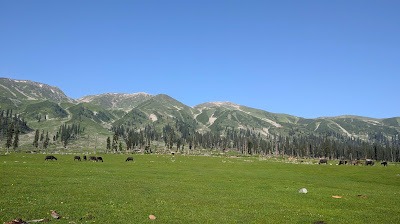
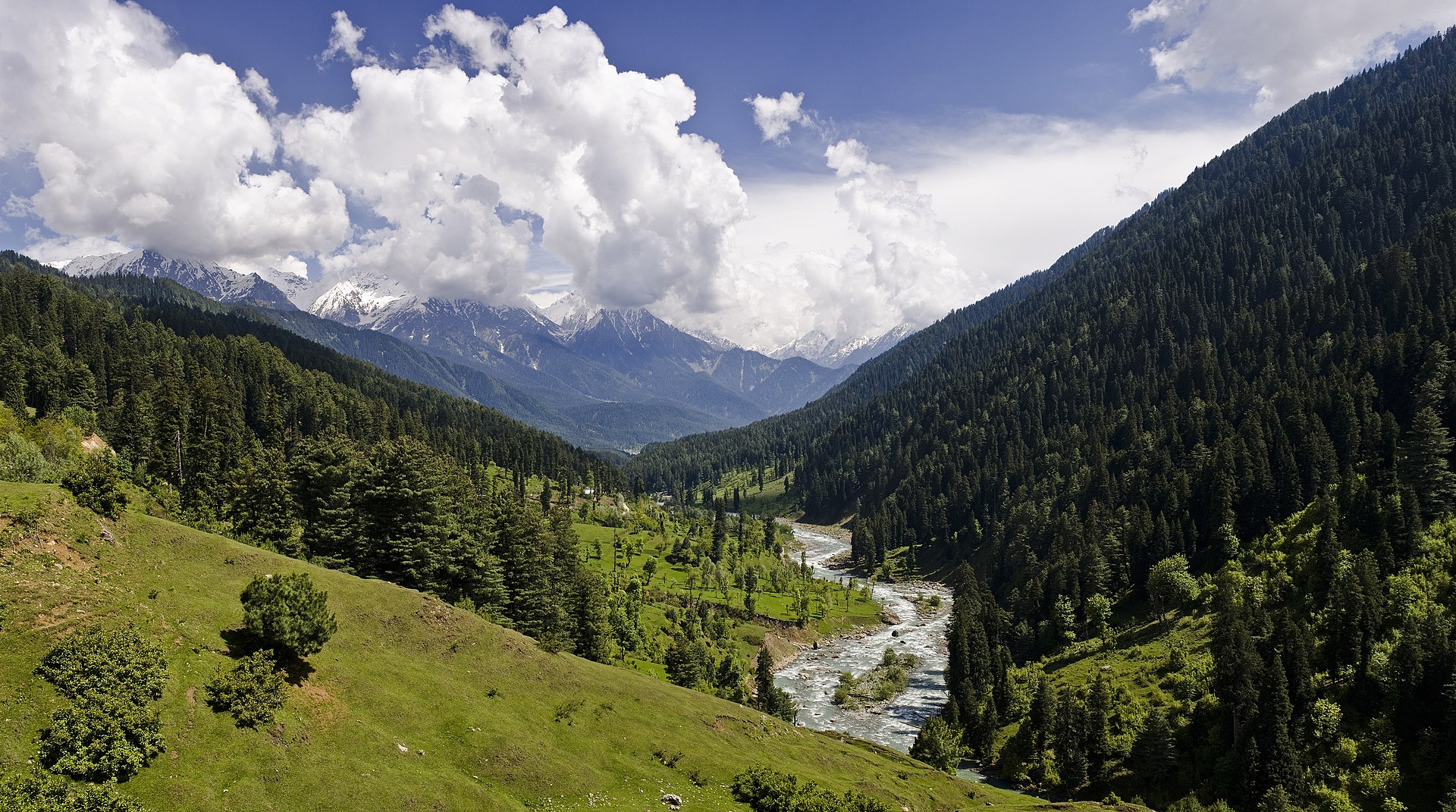
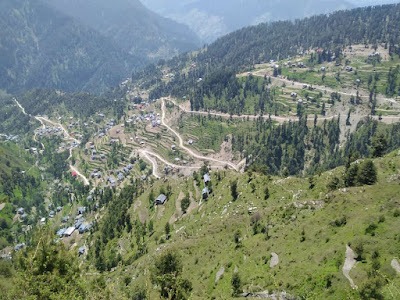
The surrounding terrain is a mix of dense pine forests, rocky trails, and wide alpine meadows. In summer, these meadows come alive with grazing livestock belonging to nomadic communities like the Gujjars and Bakarwals, adding a touch of life to an otherwise quiet landscape.
Trekking to the Lakes
Reaching Trusarr Lakes is an adventure in itself. The trek typically begins near Dubjan Meadows and covers about 10–12 km one way.
- Difficulty: Moderate to challenging
- Terrain: Forest trails, boulder sections, and steep ascents
- Time: Usually a full-day trek or split over two days
While no formal permits are usually required, it’s always wise to check with local authorities or villagers before starting your trek.
This trail is best suited for experienced trekkers or those comfortable with high-altitude hiking. If you’ve already explored popular routes like the Kashmir Great Lakes trek, Trusarr offers a quieter, more offbeat alternative.
Structure and Beauty of the Lakes
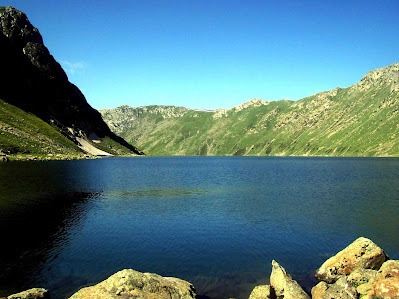
What makes Trusarr truly unique is its “three-tier” lake system. The lakes are arranged almost like steps, each one sitting slightly higher than the last and connected by narrow streams.
1. First Lake
The largest and most accessible of the three, this lake greets you after a steep climb. Surrounded by boulders and summer wildflowers, it’s often where trekkers pause to rest.
2. Second Lake
A short hike above the first, this lake has a deeper blue hue and feels more secluded. It tends to remain partially frozen even in early summer, adding to its charm.
3. Third Lake
The highest and least visited, this lake offers complete solitude. Reaching it requires extra effort, but the reward is unmatched—panoramic views of the surrounding ridgelines and an overwhelming sense of wilderness.
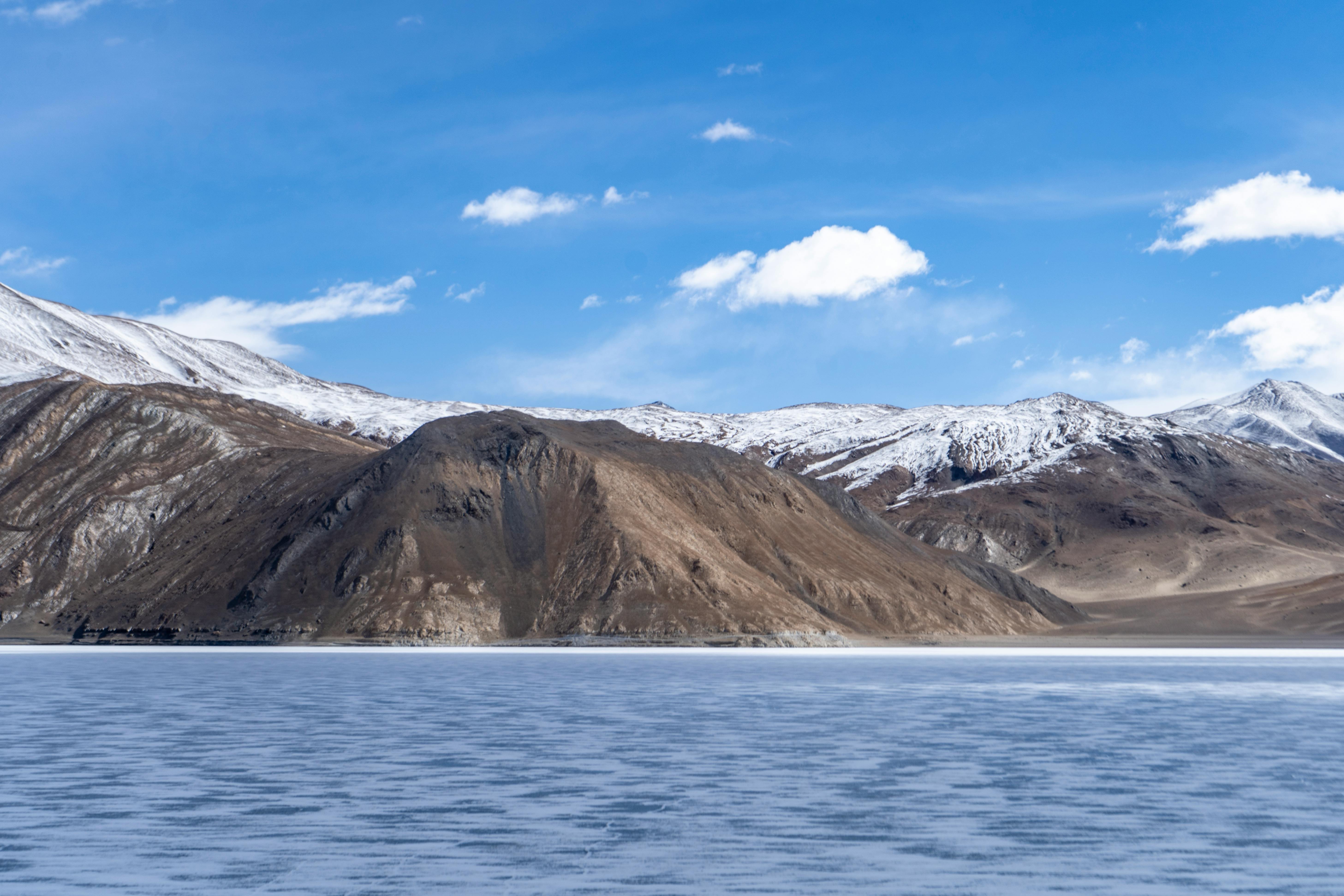
Together, these lakes create a stunning alpine setting, with snow-capped peaks reflected in their crystal-clear waters.
Cultural and Local Significance
Though not widely known as a pilgrimage site, Trusarr Lakes hold quiet spiritual importance for local communities. Shepherds and villagers often regard them as sacred.
Stories passed down through generations speak of unseen forces protecting the lakes, and there’s a strong belief that these waters should never be polluted or disturbed. This sense of reverence has helped preserve the lakes in their pristine condition.
During summer, you may also spot temporary camps of Bakarwal tribes in the lower meadows, as they migrate with their herds between seasonal pastures.
Flora and Fauna
Despite the harsh conditions, the Trusarr region supports a surprising variety of alpine life.
Flora
In summer, the meadows bloom with:
- Blue poppies
- Edelweiss
- Buttercups
- Wild thyme
Fauna
Wildlife sightings are rare but exciting:
- Himalayan marmots and pikas are commonly seen
- Occasional presence of elusive species like snow leopards or Himalayan brown bears in higher reaches
- Birdlife includes the vibrant Himalayan monal, golden eagle, and snow partridge
Best Time to Visit
The ideal time to visit Trusarr Lakes is from late May to September.
- May–June: Snow begins to melt, lakes start revealing their blue waters
- July–August: Meadows are lush and colorful
- September: Clear skies and fewer crowds
During winter, the entire region remains snowbound and inaccessible.
How to Reach Trusar (Tarsar) Lake
By Air
The nearest airport is Sheikh ul-Alam International Airport. From Srinagar, travelers can drive to Pahalgam and then continue to Aru Valley, the most popular base camp for the trek.
By Train
The nearest railway stations are located in the Kashmir Valley, including Awantipora. Travelers arriving at Jammu Tawi can continue by road to Srinagar, Pahalgam, and Aru.
By Road
The usual route is:
Srinagar → Anantnag → Pahalgam → Aru Valley
- Srinagar to Pahalgam: approximately 90 km
- Pahalgam to Aru Valley: approximately 12 km
From Aru Valley, the lake can only be reached on foot through a multi-day trek passing through Lidderwat, Shekwas, and alpine meadows.
Nearby Attractions
Marsar Lake
Located beyond a mountain ridge, Marsar Lake is the twin sister of Tarsar Lake. Often covered in mist and clouds, it is regarded as one of Kashmir’s most mysterious alpine lakes.
Aru Valley
Aru Valley is the primary base camp for the Tarsar-Marsar Trek. The valley is known for its lush meadows, pine forests, and traditional shepherd settlements.
Lidderwat
Lidderwat is a beautiful meadow and camping ground situated along the trekking route. It is surrounded by dense forests and mountain streams and serves as a popular overnight halt for trekkers.
Pahalgam
Pahalgam is one of Kashmir’s most famous hill stations, known for its rivers, pine forests, trekking routes, and spectacular Himalayan scenery.
Lidder River
Lidder River originates from the glaciers and high-altitude regions around this trekking zone and flows through the Pahalgam valley.
Kolahoi Glacier
Kolahoi Glacier is one of the largest glaciers in Kashmir and dominates the skyline east of Tarsar Lake. It is a major trekking and mountaineering destination.
Tulian Lake
Tulian Lake is a stunning high-altitude lake surrounded by rocky peaks and snowfields near Pahalgam.
Betaab Valley
Betaab Valley is famous for its lush green meadows, crystal-clear streams, and snow-covered mountain backdrop.
Chandanwari
Chandanwari is the traditional starting point of the Amarnath Yatra and is known for its glaciers, streams, and scenic landscapes.
Overa-Aru Wildlife Sanctuary
Overa-Aru Wildlife Sanctuary protects a rich variety of Himalayan wildlife, including musk deer, Himalayan black bears, leopards, and numerous bird species.
Dachigam National Park
Dachigam National Park lies near the Marsar Lake side of the trek and is famous for being the last natural habitat of the endangered Hangul (Kashmir stag).
Travel Tips
- Acclimatize properly before attempting the trek.
- Carry sufficient food, water, and camping gear.
- Weather can change quickly—pack layers and rain protection.
- Travel with a guide if unfamiliar with the route.
- Respect local beliefs—avoid littering or disturbing the lakes.
Google Maps
FAQs
1. Where are Trusarr Lakes located?
They are located in the Shopian district of Jammu and Kashmir, near Mughal Road.
2. How many lakes are there in Trusarr?
There are three interconnected alpine lakes.
3. Is the trek suitable for beginners?
It’s better suited for experienced trekkers due to altitude and terrain.
4. Do I need a permit to visit?
Generally, no formal permit is required, but it’s advisable to check locally.
5. What makes Trusarr Lakes special?
Their untouched beauty, unique three-lake structure, and remote location make them stand out.
6. Can I camp near the lakes?
Yes, camping is possible, especially near the lower lake, but you must carry your own gear.