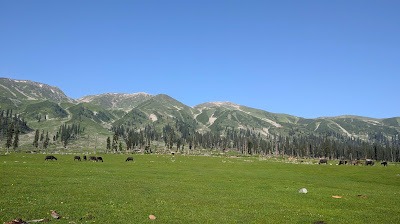
Image Source: Khan Aamir
About Katarkhal Meadow
Hidden deep within the majestic Pir Panjal range of Jammu and Kashmir, Katarkhal Meadow is one of those rare places that still feels untouched by mass tourism. Located along the historic Mughal Road between the regions of Poonch and Shopian, this serene alpine meadow remains largely unexplored, making it a perfect destination for travelers who crave peace, wilderness, and authentic mountain landscapes. Close to Dubjan and the historic Aliabad Sarai, Katarkhal acts as a scenic pause amid the dramatic Himalayan terrain.
Unlike many crowded tourist spots in Kashmir, Katarkhal offers a raw and immersive natural experience. Endless green pastures, cool mountain air, dense forests, and complete silence create an atmosphere that feels almost timeless. Whether you are a trekker, photographer, camper, or simply someone seeking solitude in nature, the meadow leaves a lasting impression with its quiet beauty.
Geography and Natural Landscape
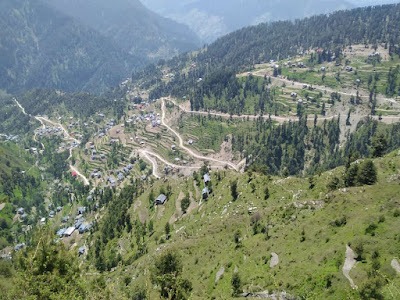
Katarkhal Meadow lies at an elevation of around 8,000 to 9,000 feet above sea level and is surrounded by thick pine, fir, and deodar forests. As travelers move along the Mughal Road from Bufliaz toward Hirpora and Pir Ki Gali, the landscape gradually transforms into rolling alpine grasslands and forested mountain slopes. Katarkhal appears like a green oasis amidst this rugged Himalayan scenery.
During spring and summer, the meadow becomes exceptionally vibrant. Wildflowers bloom across the grasslands, while snowmelt from nearby slopes creates tiny streams and rivulets that flow gently through the area. The fresh water, combined with the cool mountain climate, gives the meadow a refreshing charm that attracts trekkers and nature lovers alike.
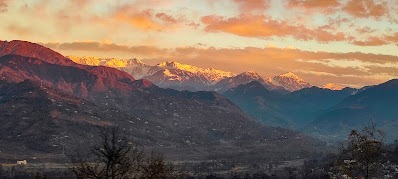
The surrounding ridges provide sweeping panoramic views of the Pir Panjal mountains. Early mornings here are often wrapped in mist, while evenings bring dramatic sunsets over the forested hills. In winter, the region receives heavy snowfall, turning the meadow into a white alpine landscape that remains inaccessible for several months
Historical Importance of the Mughal Route
Katarkhal Meadow is not only known for its natural beauty but also for its connection to the historic Mughal Road. This ancient route once linked the Kashmir Valley with the plains of northern India and was frequently used by Mughal emperors during their journeys to Kashmir.
Historical accounts suggest that emperors such as Akbar and Jahangir traveled through this region with royal caravans, soldiers, and attendants. The lush meadows along the route, including Katarkhal, served as resting points during these long journeys through the mountains.
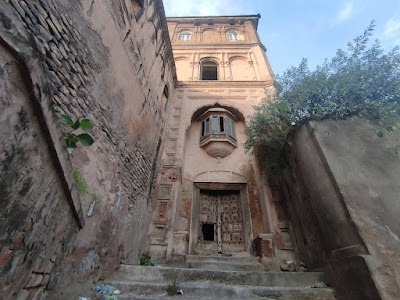
One of the most important nearby historical structures is Aliabad Sarai, a centuries-old stone caravanserai believed to have been constructed during the Mughal period. It provided shelter to travelers, traders, and royal caravans crossing the challenging mountain terrain. Even today, the ruins of the sarai stand as reminders of the region’s rich historical and cultural heritage.
Flora and Fauna Around Katarkhal
Katarkhal Meadow lies close to the famous Hirpora Wildlife Sanctuary, which gives the region remarkable ecological richness. The forests and grasslands around the meadow support a diverse range of wildlife and bird species.
Wild animals found in the area include the Himalayan black bear, musk deer, leopards, and the endangered Markhor goat, which is considered one of the rarest wild goats in the Himalayas. Though sightings are not always guaranteed, the region remains ecologically important because of its relatively undisturbed habitat.
Birdwatchers can also enjoy spotting colorful Himalayan birds such as monals, pheasants, and different species of eagles soaring above the valleys. During warmer months, the meadow becomes carpeted with alpine herbs, medicinal plants, and seasonal wildflowers that add color and fragrance to the landscape.
The region is also culturally connected to the traditional migratory lifestyle of the Gujjar and Bakarwal communities. During summer, these nomadic pastoral groups move through the meadow with their sheep, goats, and horses, adding a traditional Himalayan pastoral charm to the surroundings.
Trekking and Travel Experience
Reaching Katarkhal Meadow is an experience in itself. The Mughal Road is considered one of the most scenic mountain roads in Jammu and Kashmir, passing through forests, valleys, waterfalls, and high mountain passes. Travelers coming from Shopian usually cross Dubjan and Pir Ki Gali before reaching the meadow region.
Katarkhal is popular among trekkers who prefer offbeat routes away from commercial trekking circuits. The meadow often serves as a base or resting point for longer explorations into the remote Pir Panjal interior. Treks toward places such as Noori Chamb, Chitternar, and nearby alpine valleys can be planned from here.
Camping at Katarkhal is particularly rewarding because of the peaceful environment and minimal human disturbance. Nights are incredibly calm, with clear skies offering stunning views of stars above the Himalayan wilderness. The absence of large tourist crowds makes the experience feel personal and deeply connected to nature.
Photography enthusiasts also find the meadow highly rewarding due to its constantly changing mountain weather, shifting mist, colorful meadows, and dramatic forest landscapes.
Best Time to Visit Katarkhal Meadow
The best time to visit Katarkhal Meadow is between May and October. During these months, the Mughal Road remains open, the snow has melted, and the meadow is covered in greenery and blooming flowers.
Summer months from June to August are ideal for trekking, camping, and sightseeing because temperatures remain pleasant and the landscape is at its greenest. September and early October are equally beautiful, offering crisp mountain air and clearer skies.
Winter travel becomes difficult due to heavy snowfall in the Pir Panjal region, and the Mughal Road is often closed during this period.
How to Reach Katarkhal Meadow
Katarkhal Meadow is a beautiful high-altitude grassland nestled amid the forested hills and mountain landscapes of Jammu and Kashmir. Known for its rolling green pastures, seasonal wildflowers, and panoramic views of the surrounding mountains, the meadow remains relatively unexplored compared to many popular tourist destinations. It is an ideal place for nature lovers, trekkers, photographers, and travelers seeking a peaceful retreat away from crowded tourist circuits.
The meadow is generally accessed through nearby villages and forest trails, making the journey itself an important part of the experience. The surrounding region is characterized by dense forests, grazing grounds, and traditional mountain settlements.
By Air
The nearest major airport is Jammu Airport. From Jammu, visitors can hire a taxi or use local transport to reach the nearest roadhead leading toward Katarkhal Meadow.
By Train
The nearest major railway station is Jammu Tawi Railway Station. Regular trains connect Jammu with Delhi, Amritsar, Chandigarh, Mumbai, Kolkata, and other major Indian cities. From the railway station, taxis and buses are available for onward travel.
By Road
Katarkhal Meadow can be reached via the road network connecting the Jammu region with the Pir Panjal foothills. Visitors usually travel to the nearest accessible village or forest road and then continue on foot along meadow trails. The final section may involve a moderate trek through forests and grazing grounds. The surrounding area is known for its scenic forest landscapes and mountain terrain.
Nearby Attractions
Loran Valley
Loran Valley is known for its alpine meadows, dense forests, mountain streams, and trekking routes through the Pir Panjal Range.
Pir Ki Gali
Pir Ki Gali is one of the highest points on the historic Mughal Road and offers breathtaking views of snow-clad peaks and surrounding valleys.
Mughal Road
The historic Mughal Road follows the route once used by Mughal emperors traveling between the plains and Kashmir Valley. The road passes through forests, meadows, and mountain passes.
Poonch Fort
Poonch Fort is an important historical monument reflecting Mughal, Rajput, and Dogra architectural influences.
Noori Chamb Waterfall
Noori Chamb Waterfall is a picturesque waterfall associated with local legends connected to Empress Noor Jahan.
Surankote
Surankote serves as a gateway to several scenic valleys and trekking destinations in the Pir Panjal region.
Bufliaz
Bufliaz is a scenic town situated along the Mughal Road and serves as an important stop for travelers exploring the region.
Seven Lakes Trek
The famous Seven Lakes Trek takes trekkers through alpine lakes, meadows, and high mountain ridges, offering some of the finest trekking experiences in the region.
Girgan Dhok
Girgan Dhok is a beautiful alpine meadow known for its panoramic mountain views and camping opportunities.
Nandan Sar Lake
Nandan Sar Lake is a pristine high-altitude lake surrounded by spectacular Himalayan scenery.
Travel Tips for Visitors
Visitors planning a trip to Katarkhal Meadow should carry warm clothing even during summer, as temperatures can drop sharply in the evenings. Since the area remains relatively undeveloped, it is advisable to carry essential supplies, medicines, and food items while traveling.
Trekkers should preferably travel with local guides, especially if planning longer routes into remote mountain regions. Respecting the natural environment is also important, as the meadow is ecologically sensitive and still largely untouched by commercial tourism.
FAQs
1. Where is Katarkhal Meadow located?
Katarkhal Meadow is located in the scenic Himalayan region of Uttarakhand, India. Surrounded by dense forests, rolling grasslands, and mountain views, it is considered a peaceful offbeat destination for trekkers and nature lovers.
2. What is Katarkhal Meadow famous for?
Katarkhal Meadow is known for its untouched natural beauty, lush green landscapes, panoramic Himalayan views, and tranquil atmosphere. It is especially popular among trekkers, campers, photographers, and travelers seeking a quiet escape away from crowded tourist spots.
3. What is the best time to visit Katarkhal Meadow?
The best time to visit Katarkhal Meadow is from April to June and September to November. During these months, the weather remains pleasant, the skies are clearer, and the meadow appears vibrant and green.
4. Is trekking required to reach Katarkhal Meadow?
Yes, reaching Katarkhal Meadow generally involves a trek through forest trails and hilly terrain. The trek is considered moderately easy and is suitable for beginners as well as experienced trekkers who enjoy nature walks.
5. Can visitors camp at Katarkhal Meadow?
Yes, camping is one of the most enjoyable activities at Katarkhal Meadow. Visitors often camp overnight to experience the peaceful surroundings, star-filled skies, and beautiful sunrise views over the Himalayas.