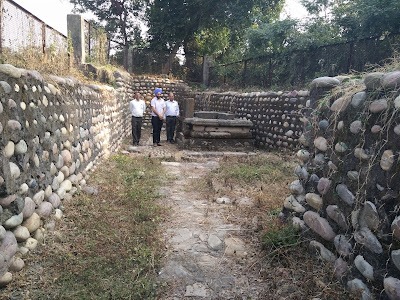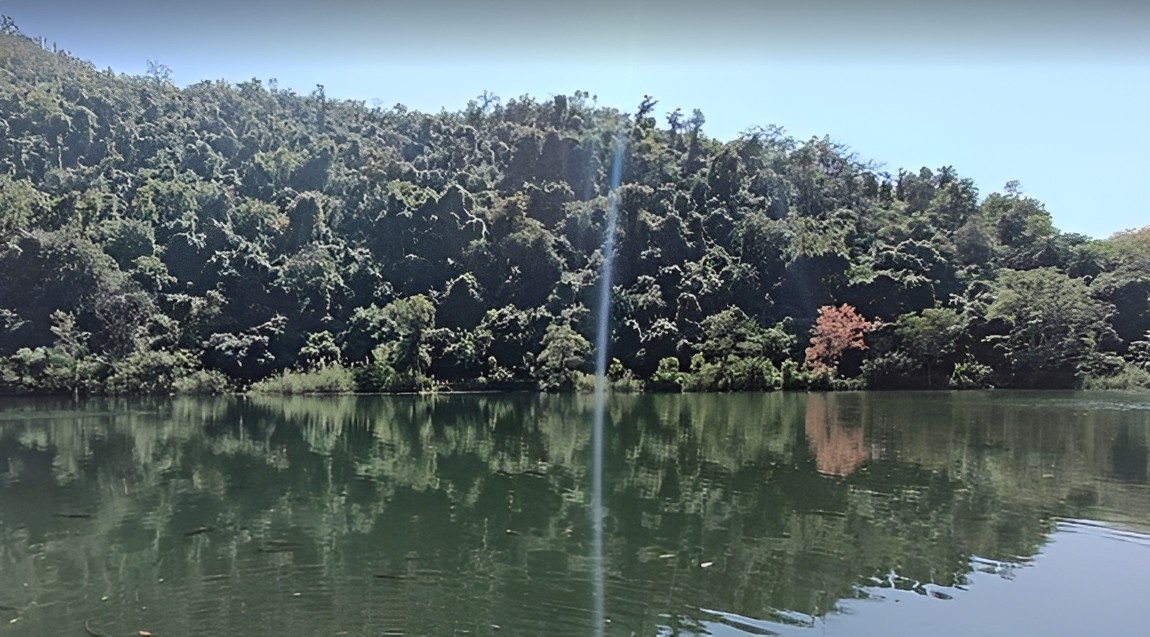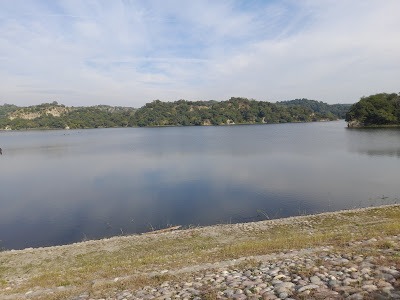
Image Source: dinesh Kataria
About Damsal Dam
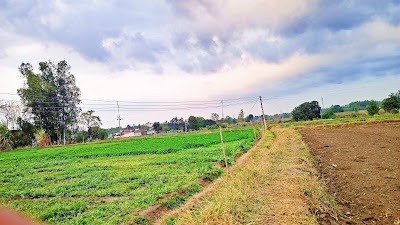
Damsal Dam is an earth-fill embankment that is nestled in the village of Mehingrowal (also spelt Mehngarwal). Situated 20 km from Hoshiarpur, the dam was established in 2000 primarily for the purpose of flood control and irrigation. Benefits of dams extend across the Kandi upland region of Punjab.
Technical Snapshot
* Type: Earth‑fill embankment
* Height: Approx. 26–27 m; Length: \~160 m
* Reservoir Area: \~68 ha; Catchment: 23 km²
* Irrigation: Benefits roughly 1,920 ha , protects 2,400 ha of farmland from seasonal flooding
Well-maintained by the Kandi Area Dam Maintenance Division, it stands as a vital lifeline for local agrarian communities.
Water Quality & Environmental Role
A 2024 study shows the dam’s water quality supports irrigation, with minor post-monsoon turbidity spikes from runoff; overall, it’s well-suited for agriculture .
Situated in a transitional Shivalik–plains zone, the dam aids in groundwater recharge, soil erosion control, and flood mitigation—echoing regional hydrological needs.
Traveler Tips
1. Best Time to Visit: October to March for cool, crisp mornings; monsoon months enhance scenic beauty but may cause accessibility issues.
2. Activities: Early-morning wildlife watching, sunrise photography, light walking along the embankment, and riverside picnics.
3. Amenities: Limited. No official facilities—bring water, snacks, and seating.
4. Access: Reachable by vehicle from Hoshiarpur. GPS coordinates (31°40′ N, 75°57′ E) help, as signage is sparse.
5. Combine Visit: Pair with the nearby Dholbaha archaeological site or Takhni‑Rehmapur sanctuary for a full-day exploration of nature and history.
Why Visit Damsal Dam
This is a perfect stop for those seeking a quiet, low-key nature escape in a lesser-visited part of Punjab. Share a moment with sunrise, listen to birdsong, and enjoy some peaceful time away from crowds.
How to Reach Damsal Dam
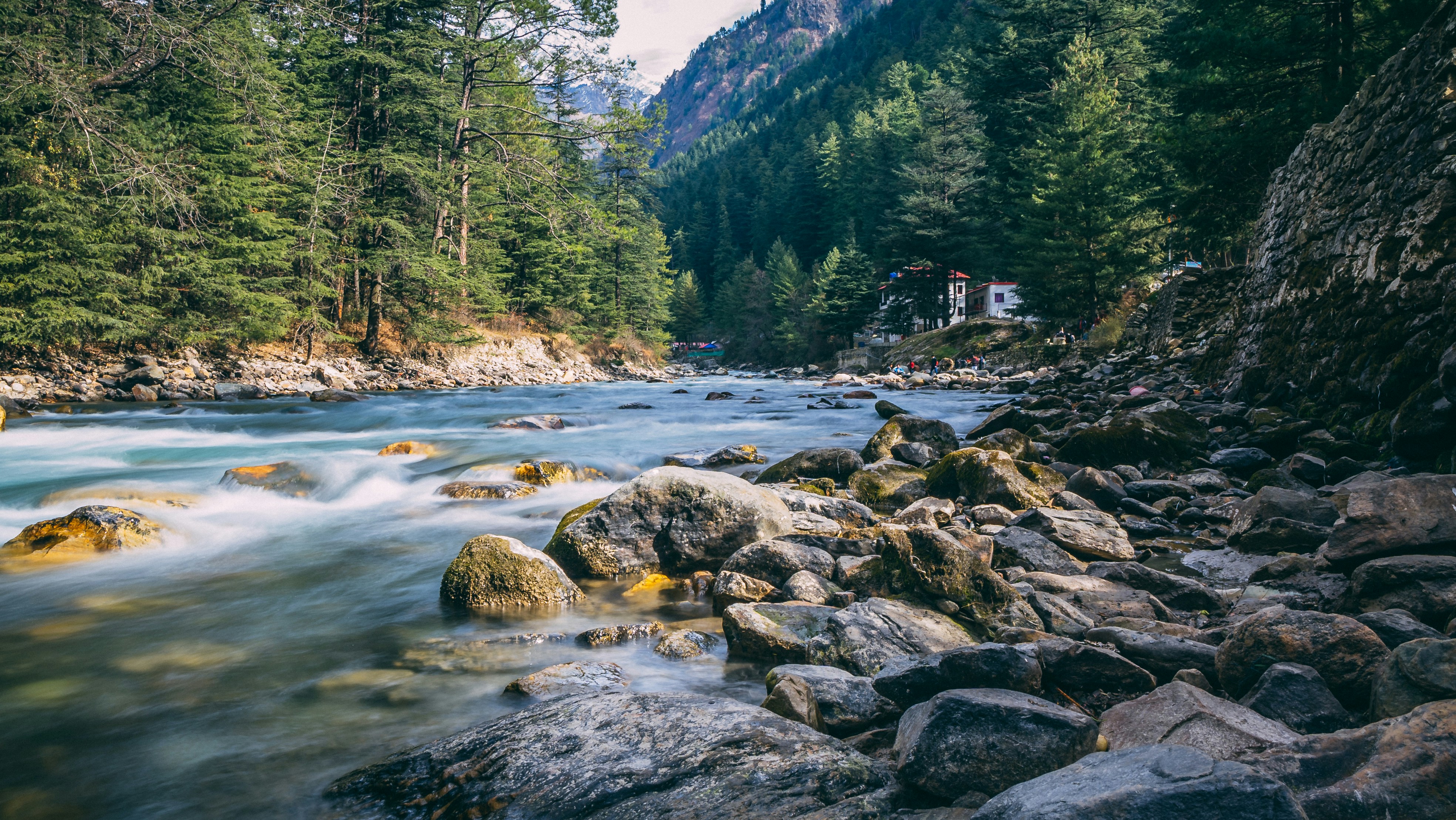
Damsal Dam is located near Mehingrowal village in the Hoshiarpur district of Punjab, approximately 20 km from Hoshiarpur city. Built across the seasonal Damsal River, the earth-fill dam was constructed primarily for irrigation and flood control. Today, it is also a peaceful destination for picnics, birdwatching, and enjoying the scenic Shivalik foothills.
By Air:
The nearest airport is Sri Guru Ram Dass Jee International Airport, Amritsar, about 145 km away. Another convenient option is Chandigarh International Airport, approximately 135 km from the dam. From either airport, taxis are available to reach Damsal Dam.
By Train:
The nearest railway station is Hoshiarpur Railway Station, located around 20 km from the dam. It is connected to major cities in Punjab, and visitors can hire taxis or use local transport to reach the destination.
By Road:
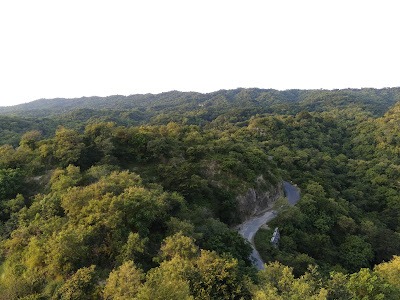
Damsal Dam is well connected by road from Hoshiarpur, Chandigarh, Jalandhar, and Pathankot. Private vehicles and taxis are the most convenient way to reach the dam. The drive through the Shivalik foothills offers scenic views of forests, farmland, and rural Punjab.
Nearby Attractions
- Dholbaha Heritage Site (About 18 km) – An important archaeological site known for ancient rock carvings, temples, and historical remains dating back centuries.
- Takhni-Rehmapur Wildlife Sanctuary (Around 30 km) – Located in the Shivalik foothills, this sanctuary is home to leopards, barking deer, wild boar, and numerous bird species, making it a popular destination for wildlife enthusiasts.
- Gurudwara Garna Sahib (Around 28 km) – A revered Sikh pilgrimage site associated with Guru Har Rai Ji, known for its peaceful surroundings and historical importance.
- Kila Mubarak, Hoshiarpur (Around 22 km) – A historic fort showcasing the architectural and cultural heritage of the region.
- Hoshiarpur City (About 20 km) – Explore vibrant local markets, traditional Punjabi cuisine, and shops famous for handcrafted wooden products and textiles.
- Maharaja Ranjit Singh Park (Around 22 km) – A well-maintained public park ideal for family outings, morning walks, and relaxation.
- Harike Wetland (Around 110 km) – One of northern India’s largest wetlands, attracting thousands of migratory birds during winter and offering excellent birdwatching opportunities.
- Anandpur Sahib (Around 70 km) – One of Sikhism’s holiest cities, famous for Takht Sri Keshgarh Sahib and its rich religious heritage.
- Nangal Dam (Around 75 km) – Built on the Sutlej River, Nangal Dam offers scenic views and serves as a popular stop for travelers exploring Punjab’s engineering landmarks.
- Bhakra Dam (Around 95 km) – One of India’s largest gravity dams, Bhakra Dam is renowned for its engineering significance and spectacular reservoir views.
Google Maps
FAQs
1. Why is Damsal Dam famous?
Damsal Dam is known for its tranquil reservoir, scenic Shivalik surroundings, and its importance in irrigation and flood control in the Hoshiarpur region. It has also become a popular local picnic destination.
2. What is the best time to visit Damsal Dam?
The ideal time is from October to March, when the weather is pleasant and the surrounding hills are lush and green.
3. Is there an entry fee to visit Damsal Dam?
No. Entry to the dam area is generally free for visitors.
4. How far is Damsal Dam from Hoshiarpur?
The dam is located approximately 20 km from Hoshiarpur and can be reached in about 30–40 minutes by road.
5. Is boating available at Damsal Dam?
No regular public boating facility is available. Visitors mainly come to enjoy the peaceful surroundings, photography, and picnics.
6. Is Damsal Dam suitable for family outings?
Yes. Its calm environment and scenic reservoir make it an ideal destination for families, couples, and nature lovers.
7. Are accommodation facilities available nearby?
There are no major hotels near the dam itself, but a wide range of hotels and guesthouses are available in Hoshiarpur, about 20 km away.
8. What should visitors carry while visiting Damsal Dam?
Carry drinking water, snacks, comfortable footwear, sunscreen, binoculars for birdwatching, and a camera to capture the scenic landscape. During summer, visiting in the early morning or late afternoon is recommended.