Image Source: diu.gov.in
About St. Thomas Church (Diu Museum)
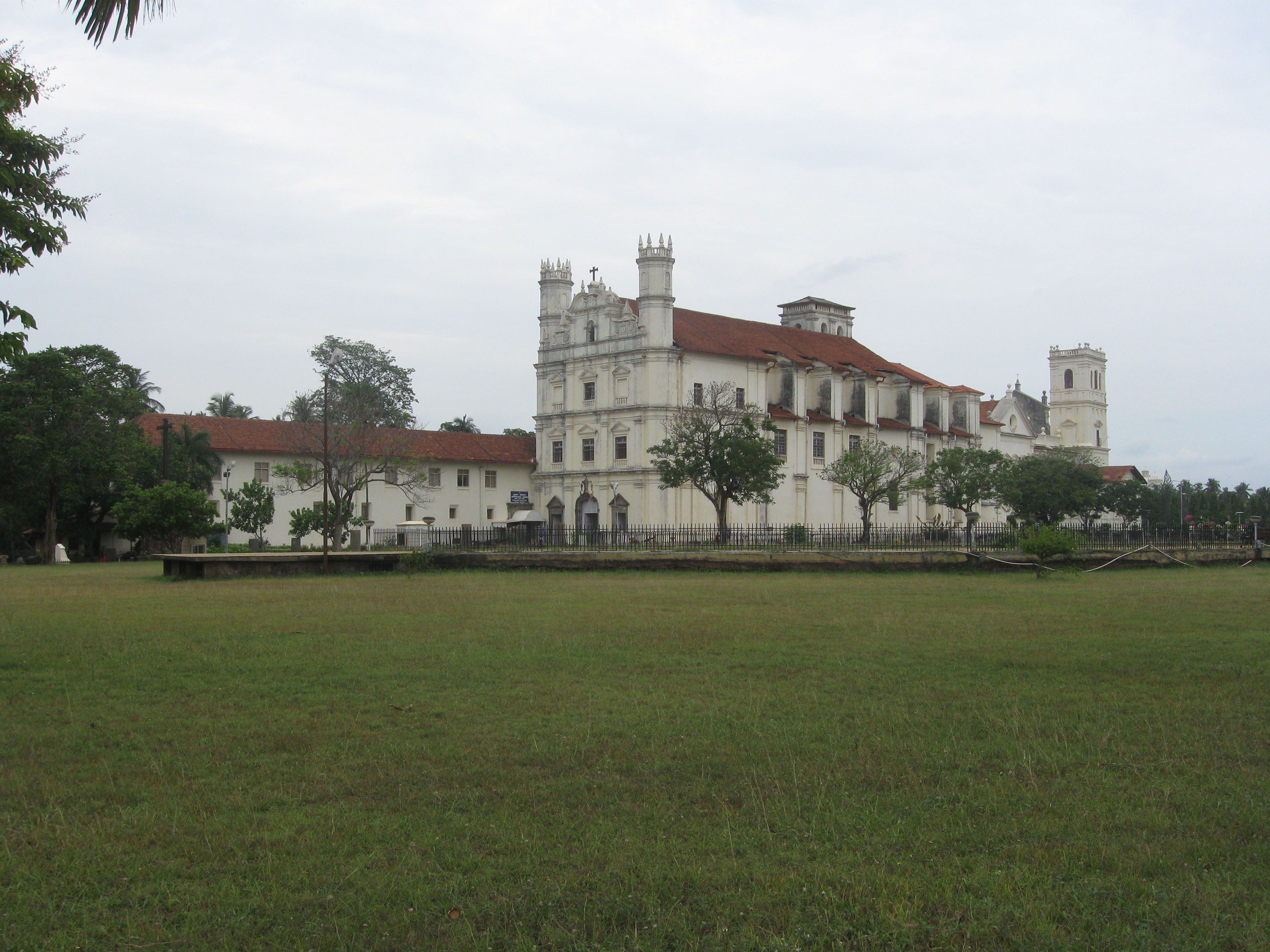
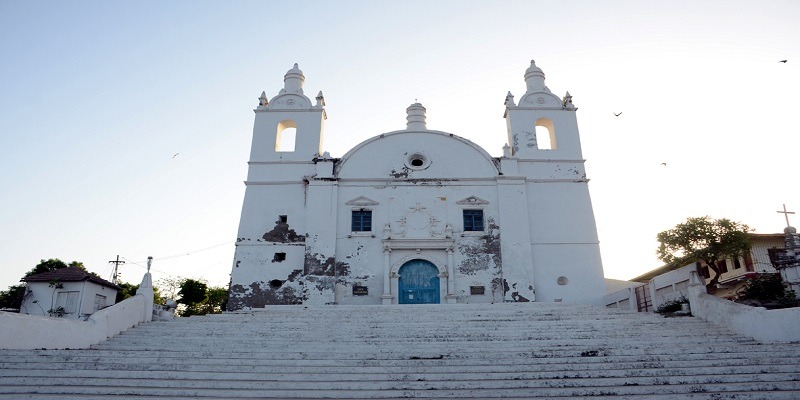
St. Thomas Church, now known as the Diu Museum, is one of the most treasured historical landmarks on Diu Island. Built by the Portuguese in the 17th century, this remarkable structure reflects the island’s colonial heritage and the lasting influence of European architecture and Christianity in the region. Originally established as a place of worship for Portuguese settlers, the church played a significant role in the spiritual and social life of the colonial community. Today, although it no longer functions as a church, the building continues to serve the public as a museum, preserving Diu’s rich history and cultural identity.
The transformation of St. Thomas Church into the Diu Museum represents a thoughtful effort to protect and showcase the island’s heritage. Rather than allowing the historic structure to fade into obscurity, it has been carefully adapted into an educational and cultural space where visitors can explore Diu’s fascinating past. The museum not only preserves the architectural beauty of the church but also provides valuable insight into the island’s evolution through centuries of trade, colonial influence, and cultural exchange.
History
St. Thomas Church was dedicated to St. Thomas, one of the twelve apostles of Jesus Christ, and served as an important religious center during Portuguese rule in Diu. The Portuguese established a strong presence on the island in the 16th century due to its strategic maritime location along important trade routes in the Arabian Sea. Churches such as St. Thomas became central to their efforts to spread Christianity and support the growing colonial population.
Constructed in 1598 and completed in the early 17th century, the church reflected the architectural and religious traditions of the Portuguese Empire. For centuries, it remained an active place of worship and community gathering. However, after the end of Portuguese rule in 1961, when Diu became part of India, the church gradually lost its original religious function.
Recognizing its historical and architectural significance, authorities later converted the church into the Diu Museum. This transformation ensured that the building remained a living part of Diu’s heritage, shifting its role from a religious institution to a center of learning and historical preservation.
Architectural Beauty and Design
One of the most captivating aspects of St. Thomas Church is its architecture. The building reflects the elegance of Portuguese colonial and Baroque design, characterized by simplicity balanced with artistic detail. Its white façade, tall structure, and spacious interiors create an atmosphere of quiet grandeur that continues to impress visitors.
Inside, the church features high vaulted ceilings, decorative arches, and beautifully designed wooden altars that showcase fine craftsmanship. The carefully carved interiors and symmetrical layout demonstrate the architectural style commonly seen in Portuguese ecclesiastical buildings across former colonial territories.
A particularly striking feature of the church is its acoustics and spacious hall, which create a serene and contemplative environment. Even after its conversion into a museum, much of the original architectural character has been preserved, allowing visitors to appreciate the craftsmanship and design principles of the colonial era.
The church’s architecture stands as a reminder of Diu’s multicultural history, where local traditions and Portuguese influences blended to create unique cultural landmarks.
Museum Collections and Exhibits
Today, the Diu Museum housed within St. Thomas Church presents an engaging collection of historical artefacts that help narrate the story of Diu’s past. The exhibits are thoughtfully arranged to guide visitors through different periods of the island’s history.
Among the museum’s notable collections are Portuguese-era religious artefacts, including statues, crosses, altars, and ceremonial objects such as chalices. These items provide insight into the religious traditions and artistic styles introduced during colonial rule.
The museum also contains historical weapons and military memorabilia, reflecting Diu’s strategic significance as a fortified coastal settlement. Cannons, swords, and defensive equipment highlight the island’s role in regional trade and maritime conflicts.
Visitors can further explore collections of old coins, manuscripts, maps, and documents that illustrate Diu’s commercial and maritime connections. These exhibits reveal how the island functioned as an important trading center linking India with Europe and the Middle East.
In addition to colonial objects, the museum showcases cultural artefacts connected to local life, traditional crafts, and social customs. This combination of exhibits allows visitors to understand Diu not merely as a Portuguese settlement but as a place shaped by multiple cultures and historical influences.
Visitor Experience
A visit to St. Thomas Church and the Diu Museum offers more than just a history lesson—it provides an immersive journey into the island’s layered past. The calm interiors, preserved architecture, and carefully displayed exhibits create an atmosphere that encourages exploration and reflection.
History enthusiasts, students, photographers, and cultural travelers often find the museum particularly rewarding. Visitors can move through the historic halls while observing centuries-old artefacts and imagining the building’s former role as a thriving church.
The peaceful surroundings and elegant interiors also make the site appealing for photography. Soft natural light, colonial design details, and historic displays provide numerous opportunities for capturing memorable images.
Because the museum combines architectural beauty with educational value, it appeals to a wide range of travelers seeking a deeper understanding of Diu beyond its beaches and scenic landscapes.
Nearby Attractions and Accessibility
St. Thomas Church enjoys a convenient location within Diu town, making it easy to include in a broader sightseeing itinerary. Several of Diu’s major attractions lie nearby, allowing visitors to explore multiple historic and cultural sites in a single day.
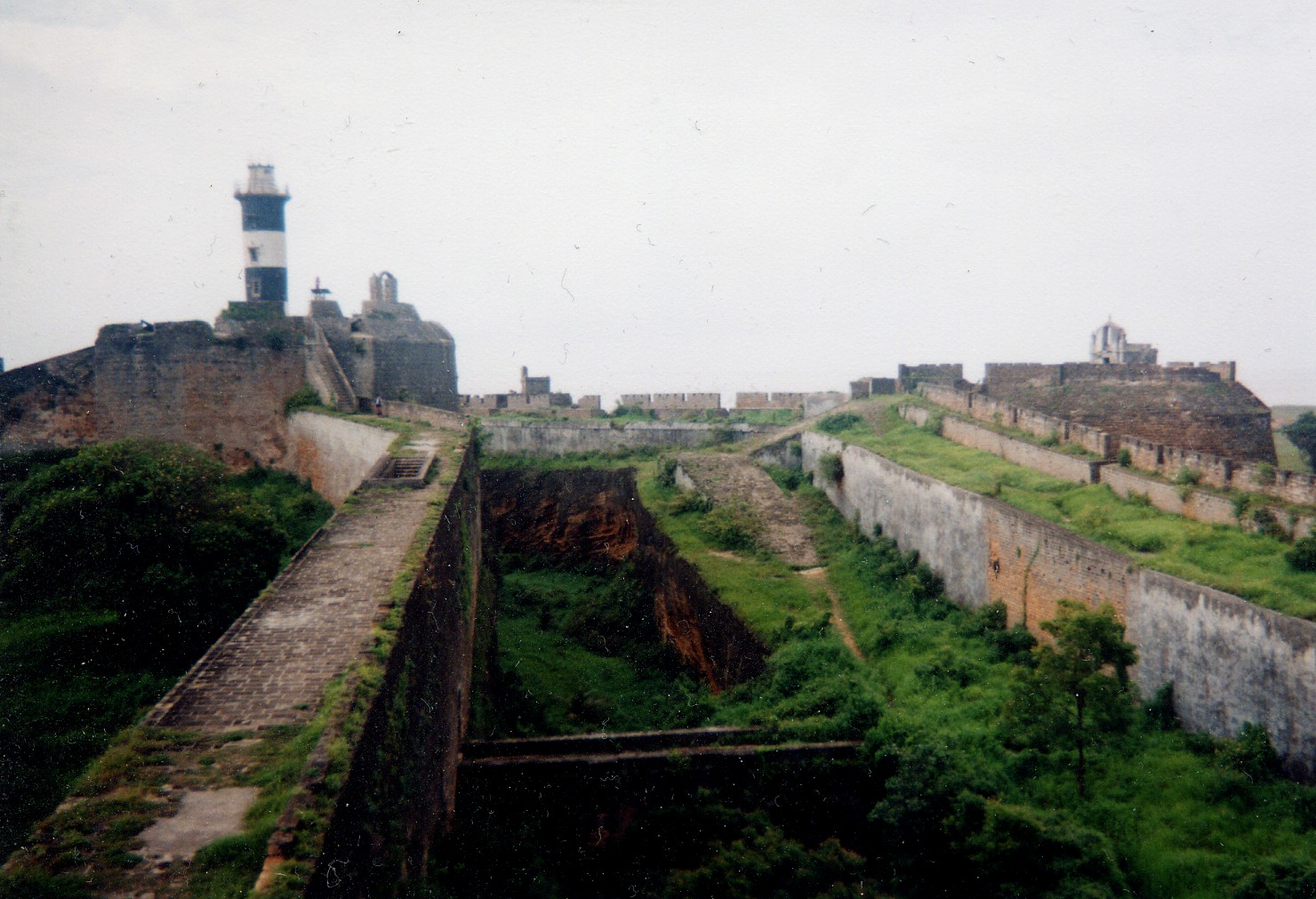
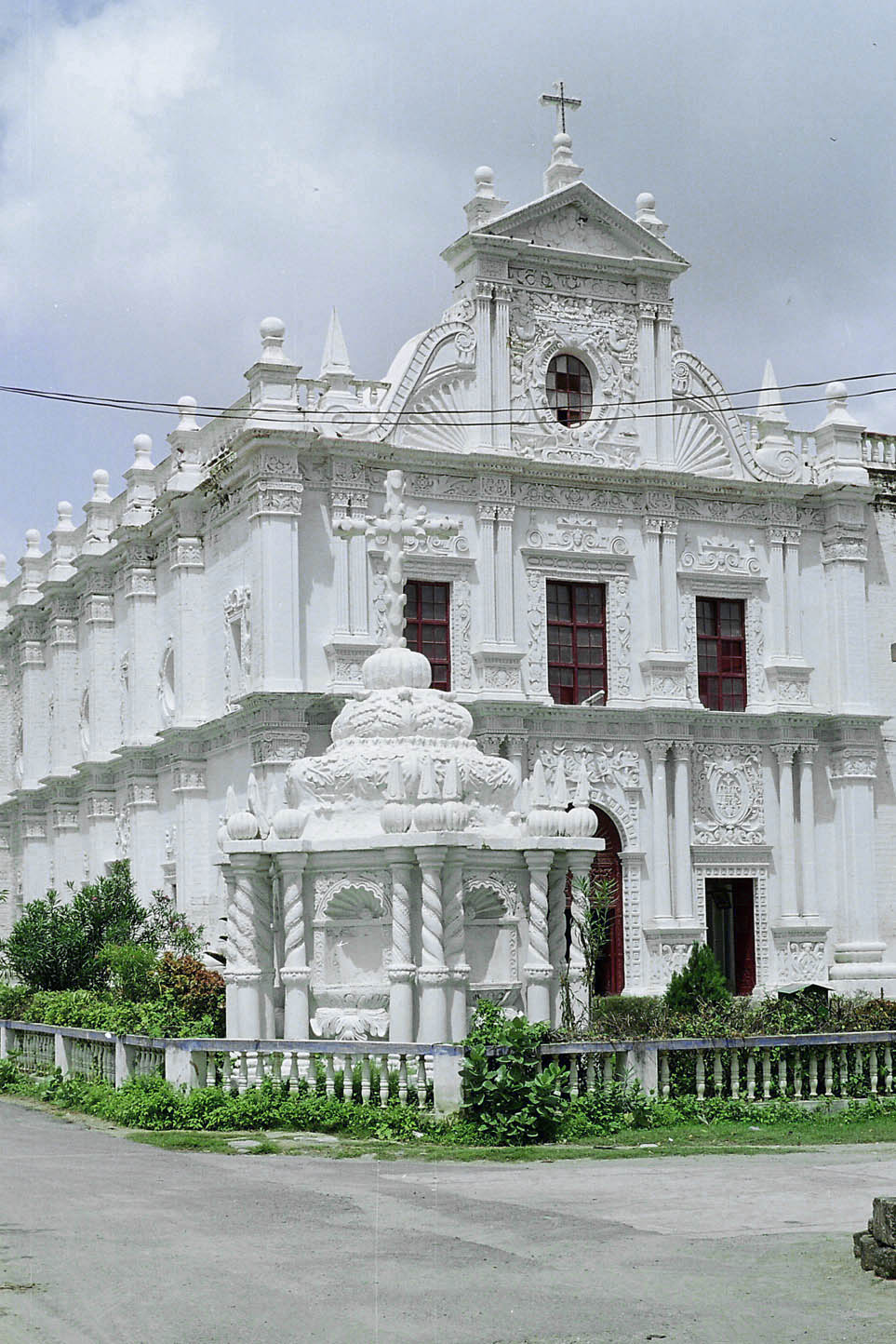
The historic Diu Fort is located roughly 2 kilometers away and is renowned for its massive stone walls and panoramic coastal views. Another important religious landmark, St. Paul’s Church, lies within walking distance and is celebrated for its elaborate Baroque façade and intricate woodwork. For travelers looking to relax by the sea, Ghoghla Beach is situated around 3–5 kilometers away and offers a peaceful coastal experience.
Reaching the museum is relatively straightforward. Diu Airport is approximately 7 kilometers away and connects the island to major cities through domestic flights. Road transportation within Diu is convenient, with taxis, auto-rickshaws, and rental vehicles readily available. The nearest major railway station is located at Veraval railway station in Gujarat, around 120 kilometers from Diu, providing rail connectivity for travelers arriving from different parts of India.
Its central location and accessibility make St. Thomas Church an essential stop for anyone interested in discovering Diu’s historical and cultural treasures.
Why Visit St. Thomas Church (Diu Museum)?
St. Thomas Church stands as more than a preserved colonial monument—it is a bridge between Diu’s past and present. Its conversion into a museum has allowed the building to remain relevant while safeguarding stories of faith, trade, colonial influence, and local culture.
For visitors seeking an experience that blends architecture, history, and cultural exploration, the Diu Museum offers a meaningful and memorable destination. Whether you are fascinated by colonial history, appreciate heritage architecture, or simply wish to understand the deeper identity of Diu, this historic landmark offers a unique perspective on the island’s remarkable journey through time.
Google Maps
FAQs
1. What is St. Thomas Church in Diu known for?
St. Thomas Church is known for its Portuguese colonial architecture and its current role as the Diu Museum, which preserves historical and cultural artefacts related to Diu’s colonial and maritime heritage.
2. Is St. Thomas Church still used for religious services?
No, the church no longer functions as an active place of worship. It has been converted into the Diu Museum and now serves educational and cultural purposes.
3. What can visitors see inside the Diu Museum?
Visitors can explore Portuguese-era religious artefacts, old weapons, coins, historical documents, maps, and cultural exhibits related to Diu’s history and local traditions.
4. How old is St. Thomas Church?
The church dates back to the late 16th and early 17th centuries, making it over 400 years old.
5. How far is St. Thomas Church from Diu Fort?
The church is located approximately 2 kilometers from Diu Fort, making it easy to visit both sites during the same trip.
6. Is the museum suitable for families and students?
Yes, the museum is suitable for visitors of all ages and is particularly valuable for students, history enthusiasts, and families interested in learning about Diu’s heritage.
7. What is the best time to visit St. Thomas Church?
The cooler months between October and March are generally considered the best time to visit Diu, offering pleasant weather for sightseeing and exploring historical attractions.