Image Source: Moulalisaheb.g
About Mylavaram Dam
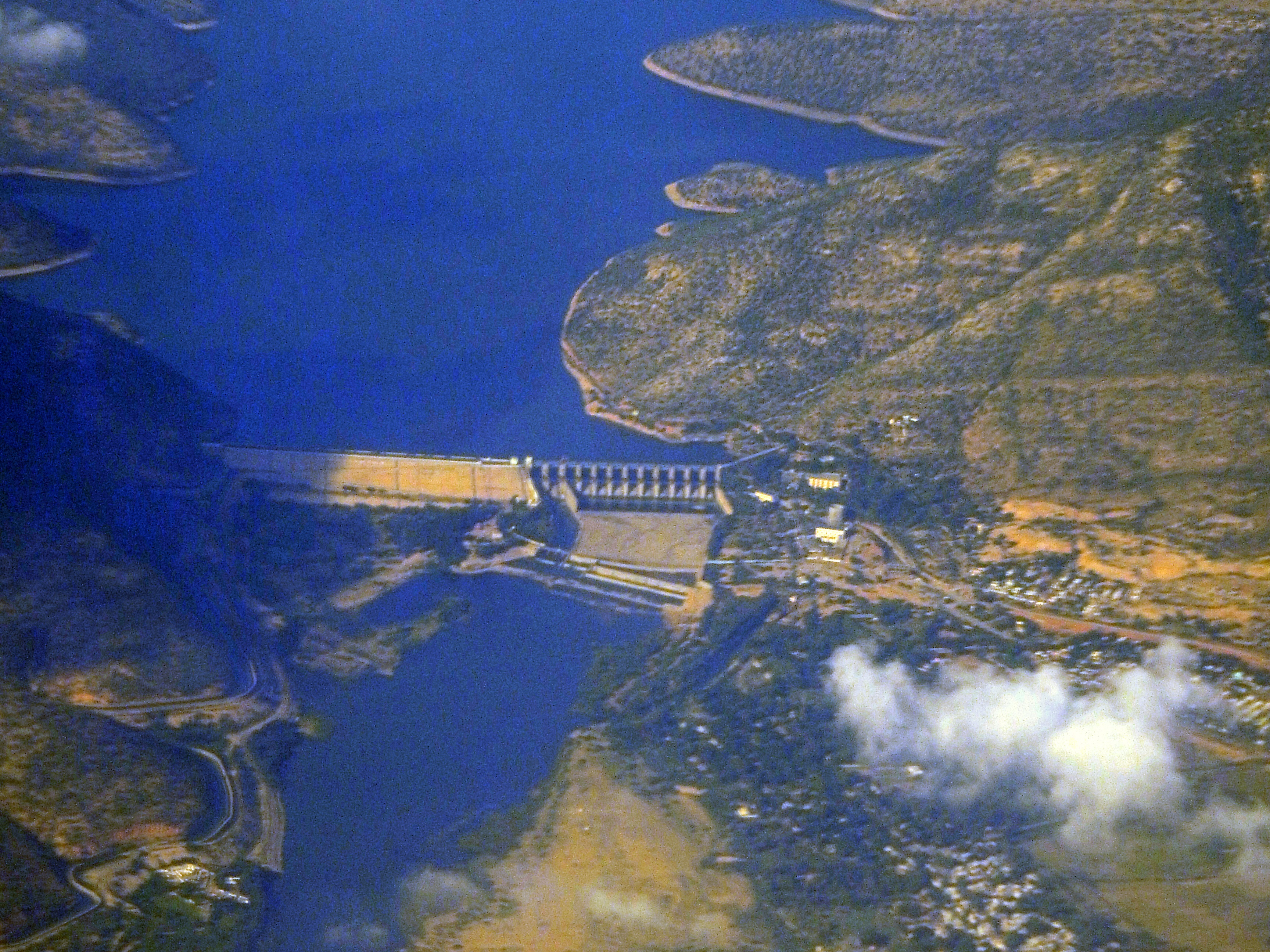
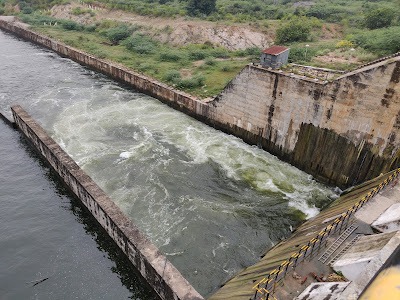
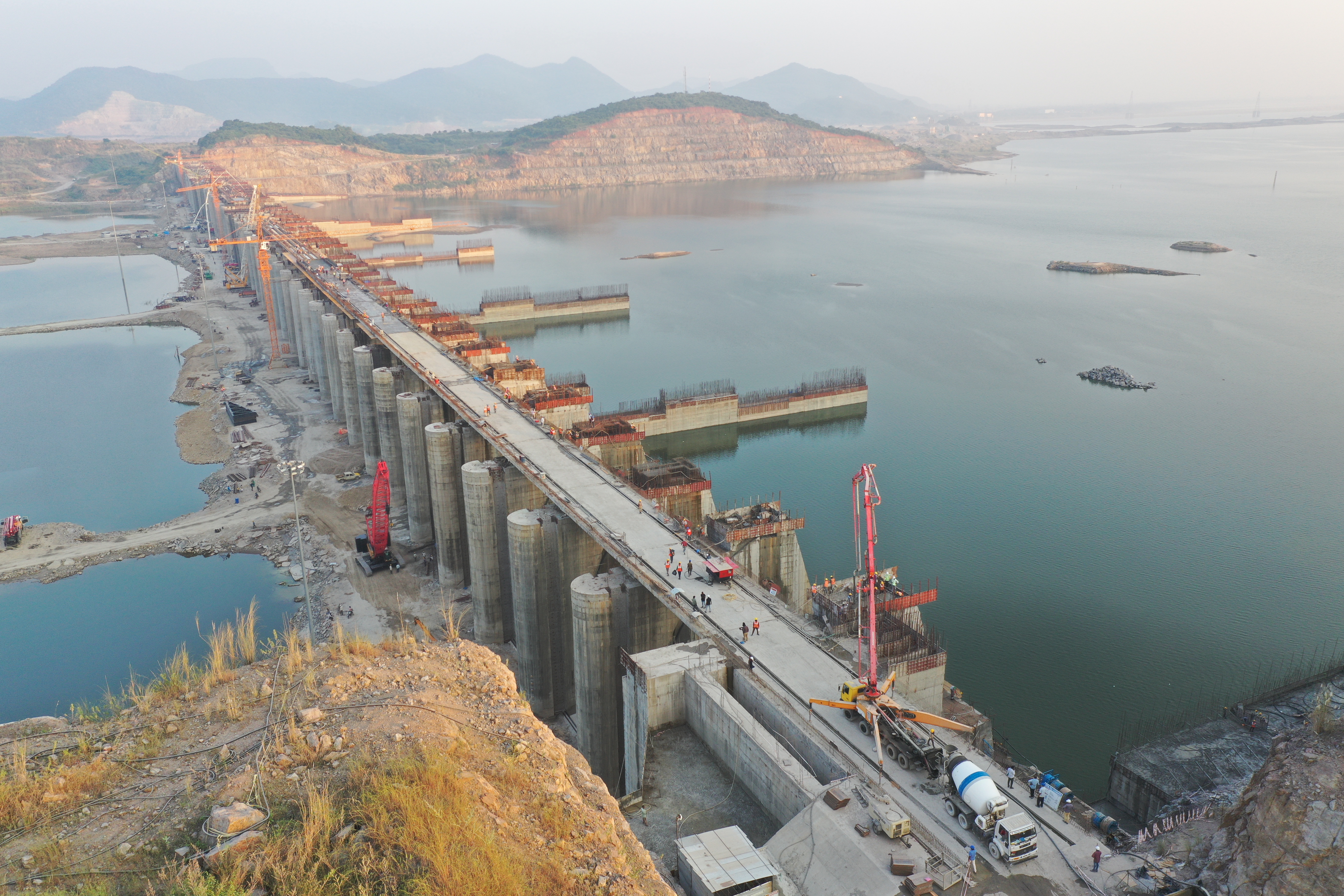
The Mylavaram Dam, also known as the Mylavaram Reservoir Project, is a significant irrigation structure in Kadapa district, Andhra Pradesh. Constructed across the Penna River, this medium irrigation project plays a crucial role in supporting agriculture, groundwater recharge, and drinking water supply in the drought-prone Rayalaseema region.
History and Development
The idea of building the Mylavaram Dam was conceived as part of the Penna River irrigation projects to provide assured water to arid regions of Kadapa.
Over the years, the project was developed to store seasonal flows of the river and regulate water for farming communities. It is considered one of the important reservoirs of Rayalaseema, complementing other irrigation sources like Brahmamgari Matam Reservoir and Galeri–Nagari Sujala Sravanthi (GNSS) scheme.
Structure and Capacity
The Mylavaram Dam is built with a sturdy earthen and masonry structure to withstand seasonal variations of the Penna River.
Storage Capacity: The reservoir can store nearly 9 TMC (thousand million cubic feet) of water.
Irrigation Potential: It provides water for irrigation to over 80,000 acres of agricultural land in Kadapa and surrounding mandals.
Purpose: Apart from irrigation, the reservoir also caters to drinking water needs of villages and towns in its command area.
Importance to Agriculture
Rayalaseema, including Kadapa district, is known for its semi-arid climate and frequent droughts. The Mylavaram Dam has become a lifeline for local farmers cultivating crops such as paddy, groundnut, sunflower, cotton, and pulses. The water stored in the reservoir helps stabilize agriculture, supports livestock, and sustains rural livelihoods in the Penna basin.
Scenic Value and Tourism
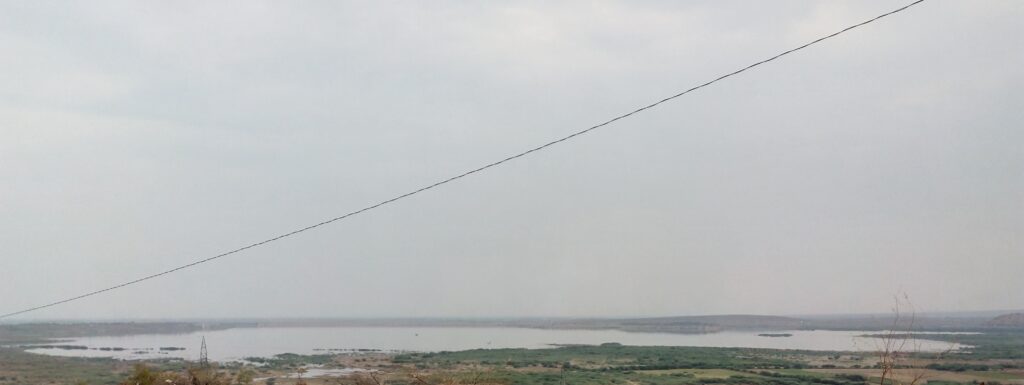
Surrounded by the rocky landscapes and hills of Kadapa, the Mylavaram Reservoir also has a scenic charm. The backwaters spread across villages and agricultural lands, making it a picturesque spot. While it is not yet developed as a major tourist attraction, locals often visit the site for its serene environment, sunrise and sunset views, and natural beauty.
How To Reach
By Road: Mylavaram Dam is well connected by road, located about 25 km from Kadapa town. APSRTC buses, autos, and private vehicles provide easy access.
By Rail: The nearest major railway station is Kadapa Railway Station, a part of the Chennai–Mumbai line.
By Air: The closest airport is Kadapa Airport (30 km), which has direct flights to Hyderabad, Bengaluru, and Chennai.
Nearby Attractions
1. Gandikota Fort
Often called the “Grand Canyon of India,” Gandikota Fort is the most famous attraction near Mylavaram Dam. The fort overlooks the dramatic Pennar River gorge and features ancient temples, mosques, granaries, and stunning viewpoints. It is about 10 km from the dam.
2. Pennar Gorge
This spectacular canyon carved by the Pennar River is one of Andhra Pradesh’s most photographed landscapes. Sunrise and sunset views from the gorge are especially memorable.
3. Mylavaram Dam View Point
The viewpoint offers panoramic vistas of the reservoir and surrounding hills. Evening visits are particularly popular due to the pleasant weather and scenic sunsets.
4. Mylavaram Dam Park
A recreational area near the reservoir where visitors can relax, enjoy the scenery, and spend time with family. Boating facilities may be available depending on water levels and local arrangements.
5. Madhavaraya Swamy Temple
Located inside Gandikota Fort, this historic temple is known for its Vijayanagara-era architecture and intricate stone carvings.
6. Ranganatha Swamy Temple
Another important temple within the fort complex, dedicated to Lord Vishnu and admired for its historical significance.
7. Jammalamadugu
The nearest town serves as a convenient base for accommodation, dining, and transportation while exploring Gandikota and Mylavaram Dam.
Google Maps
FAQs
1. What is Mylavaram Dam famous for?
Mylavaram Dam is known for its scenic reservoir, irrigation importance, boating opportunities, and proximity to Gandikota, one of Andhra Pradesh’s top tourist destinations.
2. What is the best time to visit Mylavaram Dam?
The best time is from October to February when the weather is pleasant and the reservoir generally contains ample water after the monsoon.
3. Is there an entry fee to visit Mylavaram Dam?
Generally, there is no entry fee to visit the dam area.
4. How much time is required for a visit?
Most visitors spend 1–2 hours at the dam. It is commonly combined with a visit to Gandikota.
5. Is boating available at Mylavaram Dam?
Boating facilities may be available depending on water levels and local tourism operations. Visitors should check locally before planning a boating activity.
6. Can Mylavaram Dam be visited with Gandikota on the same day?
Yes. Since the dam is only about 10 km from Gandikota, both attractions can easily be explored during a single-day trip.
7. Which is the nearest railway station?
Jammalamadugu Railway Station is the closest railhead, located a few kilometers from the dam.
8. Is Mylavaram Dam suitable for family outings?
Yes. The calm reservoir views, open spaces, and nearby attractions make it a good destination for families, photographers, and nature enthusiasts.