Image Source: Srichakra Pranav
AboutPavuralakonda Buddhist Complex
The Pavuralakonda Buddhist Complex, located near Bheemunipatnam in the Visakhapatnam district, is one of the most important Buddhist heritage sites along the Andhra coast. The name Pavuralakonda translates to “Hill of Pigeons,” owing to the large number of rock pigeons that inhabit the area. Perched on a hillock about 150 meters above sea level, Pavuralakonda is considered one of the largest Buddhist monastic settlements in the region, dating back to the 3rd century BCE to 2nd century CE.
History
Pavuralakonda is believed to have been a major Buddhist learning and trading center during the Satavahana period. Its strategic location near the coast and the ancient town of Bheemunipatnam made it a hub for maritime trade, linking Andhra with Sri Lanka and Southeast Asia.
Excavations have revealed a large monastic settlement where monks resided, studied, and meditated. The site thrived for centuries before Buddhism gradually declined in the region.
Archaeology
Archaeological explorations at Pavuralakonda have brought to light extensive remains of Buddhist structures and artifacts, including:
Stupas: Multiple stupas, both large and small, used for worship and enshrining relics.
Viharas: Over 16 rock-cut monastic cells, arranged around open courtyards, where monks lived.
Chaityas: Prayer halls for meditation and gatherings.
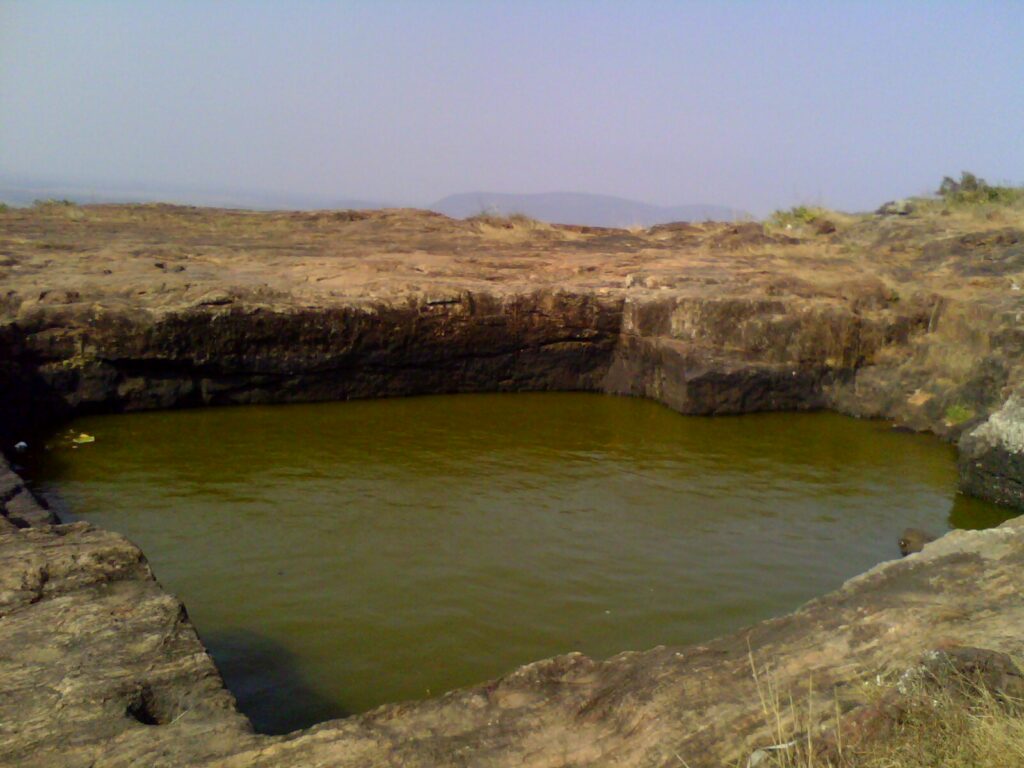
Water Storage: Rock-cut cisterns and water management systems to sustain the community.
Artifacts: Excavations unearthed coins, beads, bangles, ivory combs, and Roman trade goods, highlighting the site’s links with long-distance commerce.
These findings confirm that Pavuralakonda was not just a religious center but also a thriving cultural and economic hub.
Cultural and Spiritual Importance
Pavuralakonda highlights the significance of Theravada Buddhism in Andhra Pradesh’s coastal belt. The presence of stupas, monastic dwellings, and relics reveals the daily lives of Buddhist monks, who balanced spiritual practice with teaching and interactions with lay communities. The site also underscores the region’s role in spreading Buddhism to neighboring countries through maritime routes.
Geography and Setting
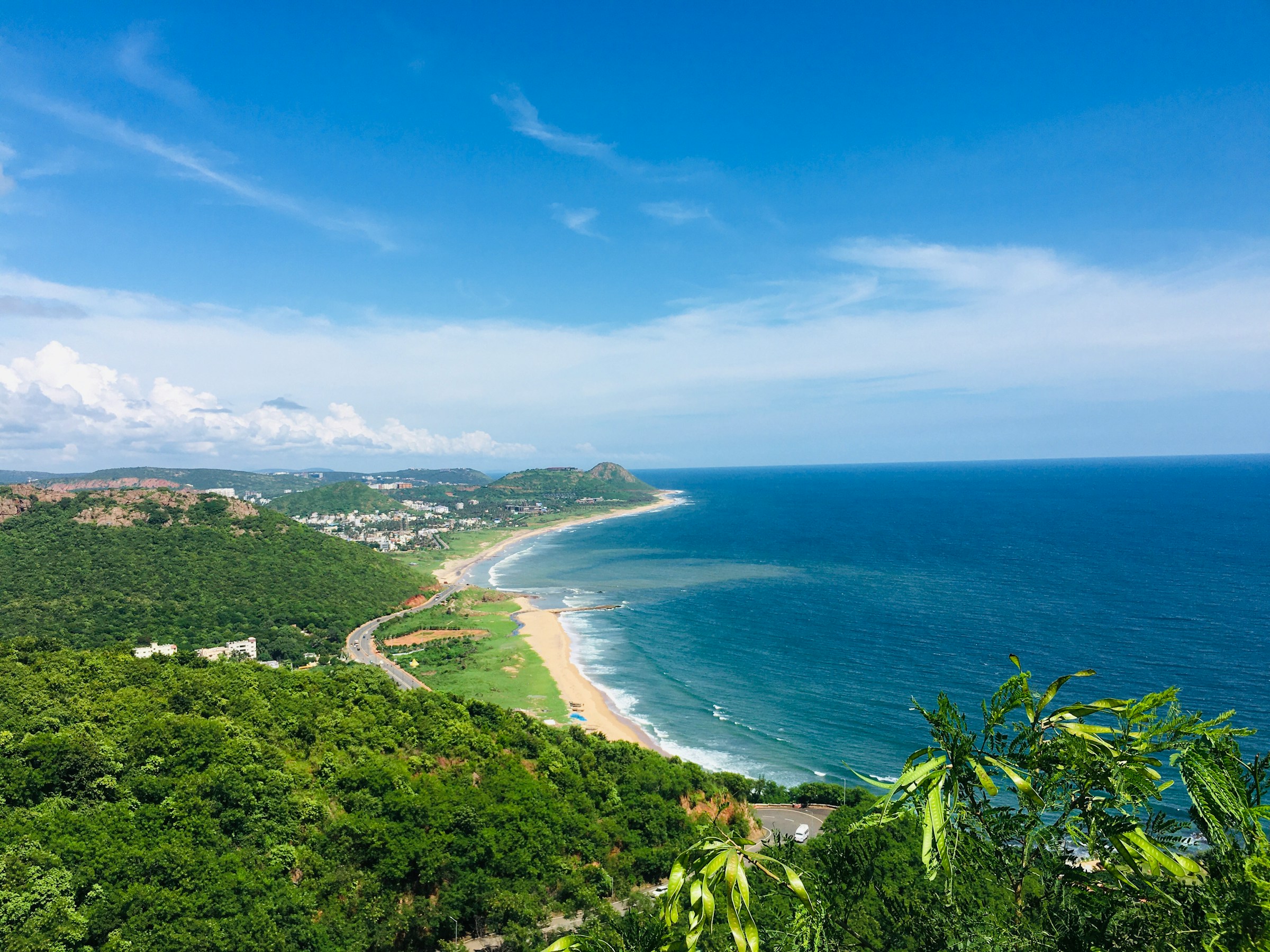
Situated near Bheemunipatnam (Bhimili), Pavuralakonda overlooks the Bay of Bengal, offering breathtaking views of the coastline. The elevated location provided monks with a peaceful and serene environment for meditation while also ensuring proximity to ancient maritime trade routes. Today, the ruins against the backdrop of the sea create an evocative setting for visitors.
How to Reach Pavuralakonda
By Air: The nearest airport is Visakhapatnam International Airport (25 km), connected to major Indian cities.
By Rail: Visakhapatnam Railway Station (30 km) is the closest major railway hub. Bheemunipatnam is also accessible via smaller local stations.
By Road: Pavuralakonda is about 24 km from Visakhapatnam city and well connected by road. Taxis, autos, and buses frequently operate between Visakhapatnam and Bheemunipatnam.
Nearby Sites: Visitors can also explore other Buddhist sites in the region, such as Thotlakonda, Bavikonda, and Bojjannakonda, forming a connected Buddhist heritage circuit around Visakhapatnam.
Nearby Attractions
1. Bheemunipatnam Beach
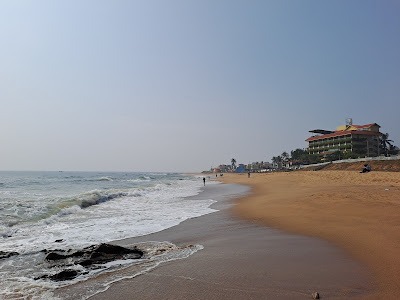
One of the oldest beach settlements on India’s east coast, Bheemunipatnam Beach is known for its serene atmosphere, golden sands, and scenic views of the Bay of Bengal.
2. Bheemunipatnam Lighthouse
A historic lighthouse offering panoramic views of the coastline and the surrounding landscape.
3. Dutch Cemetery
A reminder of the Dutch colonial presence in the region, featuring centuries-old tombs and European-style architecture.
4. Thotlakonda Buddhist Complex
Another significant Buddhist site located on a hill overlooking the sea, known for its stupas, monasteries, and meditation halls.
5. Bavikonda Buddhist Complex
An important Buddhist heritage site containing relic caskets, monasteries, and ancient structures dating back over 2,000 years.
6. Rushikonda Beach
A popular beach destination famous for water sports, scenic beauty, and coastal views.
7. Kailasagiri Hill Park
A hilltop park offering panoramic views of the Bay of Bengal, ropeway rides, gardens, and the iconic Shiva-Parvati statues.
8. Tenneti Park
A beautiful seaside park known for its ocean views, landscaped gardens, and sunset viewpoints.
9. INS Kurusura Submarine Museum
A unique museum housed inside a real Indian Navy submarine, offering insights into naval life and maritime history.
10. Simhachalam Temple
A famous temple dedicated to Lord Narasimha, renowned for its spiritual significance and intricate architecture.
Google Maps
FAQs
1. What is Pavuralakonda famous for?
Pavuralakonda is famous for its ancient Buddhist monastery complex, archaeological remains, stupas, rock-cut water cisterns, and panoramic views of the Bay of Bengal.
2. Where is Pavuralakonda located?
Pavuralakonda is located near Bheemunipatnam (Bhimili), about 25 km from Visakhapatnam in Andhra Pradesh.
3. What is the historical significance of Pavuralakonda?
The site was an important Buddhist center between the 3rd century BCE and the 2nd century CE and played a significant role in the spread of Buddhism along the eastern coast of India.
4. What can visitors see at Pavuralakonda?
Visitors can explore ancient stupas, monastery foundations, prayer halls, meditation areas, water-storage cisterns, and archaeological remains spread across the hilltop.
5. What is the best time to visit Pavuralakonda?
The best time to visit is from October to March when the weather is pleasant for sightseeing and exploring the hilltop ruins.
6. Is there an entry fee to visit Pavuralakonda?
Entry policies may change over time. Visitors should check with local tourism or archaeological authorities for current information before visiting.
7. How much time is needed to explore the site?
Most visitors spend about 1 to 2 hours exploring the archaeological remains and enjoying the scenic views.
8. Is Pavuralakonda suitable for history enthusiasts?
Yes. The site is a major attraction for historians, archaeology enthusiasts, students, researchers, and anyone interested in Buddhist heritage.
9. Can photography be done at Pavuralakonda?
Yes. The site is popular among photographers due to its archaeological ruins, coastal landscapes, and panoramic hilltop views.
10. Can Pavuralakonda be combined with other attractions in a single trip?
Yes. Visitors often combine Pavuralakonda with Thotlakonda Buddhist Complex, Bavikonda Buddhist Complex, Bheemunipatnam Beach, Rushikonda Beach, and Kailasagiri Hill Park, creating an itinerary that combines history, spirituality, archaeology, and coastal scenery.