Image Source: Neil Satyam
About Kaho Village
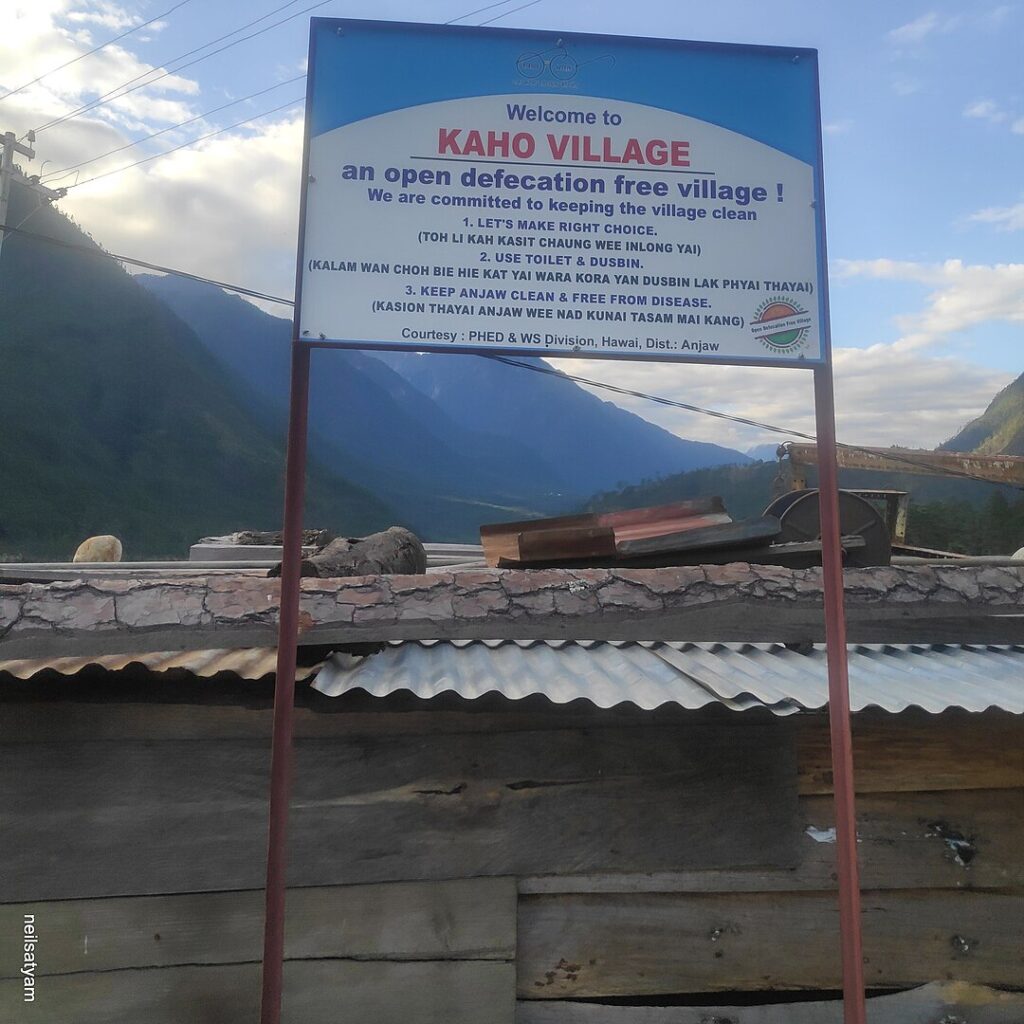
Kaho Village, perched on the banks of the Lohit River in Anjaw district, is one of the most remote and smallest inhabited settlements in Arunachal Pradesh. Situated at an elevation of about 1,240 meters (4,070 ft), this frontier hamlet lies barely 8 km south of the India–China Line of Actual Control (LAC).
To the seasoned traveller, Kaho is more than just a dot on the map. it’s a living sentinel of India’s eastern border, surrounded by untouched mountain landscapes and the rhythmic flow of the Lohit as it winds through the eastern Himalayas.
Travel Experience
Reaching Kaho is an adventure in itself. Located nearly 580 km east of Itanagar and 70 km north of Hawai, the district headquarters, the journey takes you along scenic roads carved into mountain slopes, with the Lohit River glistening below. The air gets crisper as you approach, with prayer flags fluttering and the occasional sight of Indian Army posts reminding you of the strategic importance of the region.
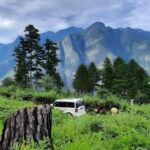
The village itself is a cluster of traditional houses inhabited by the Mishmi tribe, surrounded by terraced fields and dense forests. On a clear day, the surrounding peaks rise in majestic silence, while Bailey bridges and foot suspension bridges connect the western and eastern banks of the Lohit, making for captivating photo opportunities.
Travellers often describe the experience as both humbling and inspiring — a reminder of how life thrives in places where nature and geopolitics meet.
Unique Local Touch
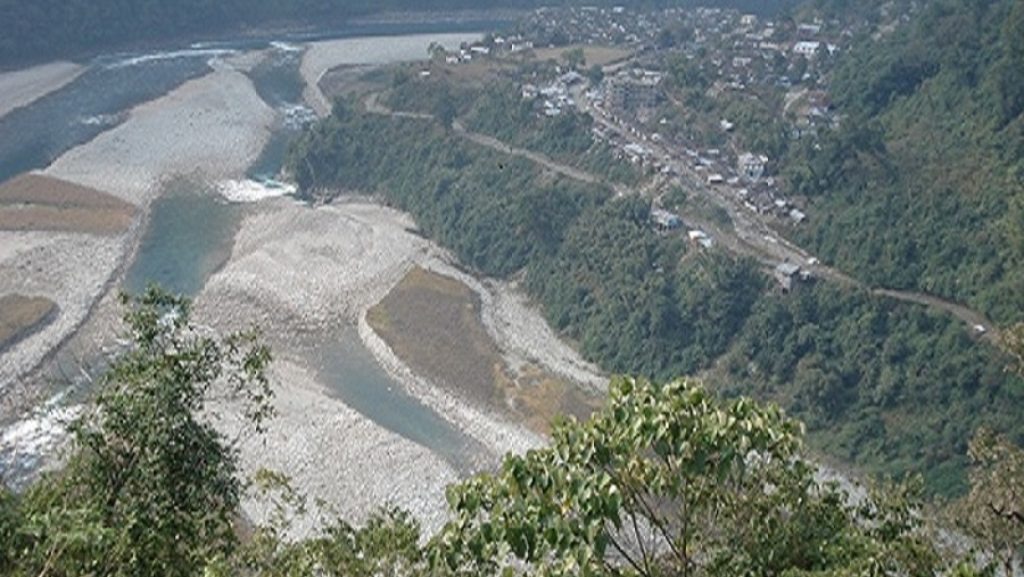
Kaho is one of seven villages in the Kibithu block through which the Lohit River flows, dividing the region into two scenic banks. The Mishmi community here is known for their hospitality, vibrant woven textiles, bamboo crafts, and traditional food prepared from local grains, smoked meat, and wild herbs.
The cultural richness, combined with the strategic location, makes Kaho a place where heritage and history walk hand in hand. Plans are underway by Discover FarEast and the local administration to promote Kaho as the “First Village of India”, making it a symbolic landmark for visitors.
How to Reach
By Air: The nearest airstrip is Walong Airstrip, about 30 km south of Kaho. For commercial flights, Tezu Airport (Arunachal Pradesh) or Dibrugarh Airport (Assam) are better options, followed by a long drive.
By Rail: The closest major railway station is Tinsukia in Assam, from where you can travel by road via Tezu and Walong.
By Road: Kaho can be reached via Hawai and Walong, with the final stretch offering dramatic views of the Lohit and surrounding mountains. A sturdy vehicle is recommended due to narrow mountain roads.
Nearby Attractions of Kaho Village
Kaho Village, located in the remote Anjaw district of Arunachal Pradesh, is often referred to as India’s easternmost village. Nestled along the banks of the Lohit River near the India-China border, Kaho is inhabited by the Meyor community and is known for its pristine Himalayan landscapes, Buddhist heritage, and strategic border location.
1. Kibithu
Located about 10 km from Kaho, Kibithu is one of the easternmost inhabited settlements in India. Surrounded by rugged mountains and the Lohit River, it offers spectacular views of the border region and serves as an important gateway to Kaho.
2. Walong
Walong is a beautiful valley town known for its role in the 1962 India-China War. Visitors can explore war memorials, scenic river valleys, and traditional villages while enjoying breathtaking Himalayan views.
3. Dong Village
Famous as one of the first places in India to witness sunrise, Dong Village attracts travelers seeking unforgettable dawn views over the Eastern Himalayas. A trek to the sunrise viewpoint is a major highlight of the region.
4. Lohit River
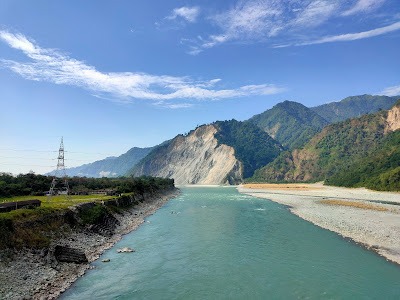
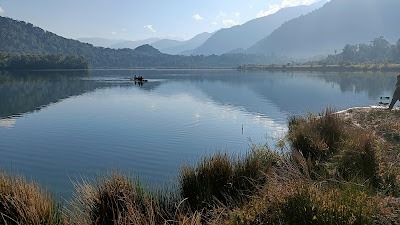
Flowing alongside Kaho, the Lohit River creates dramatic landscapes with crystal-clear waters, deep valleys, and excellent photography opportunities. The river is one of the most significant tributaries of the Brahmaputra.
5. Kaho Gompa
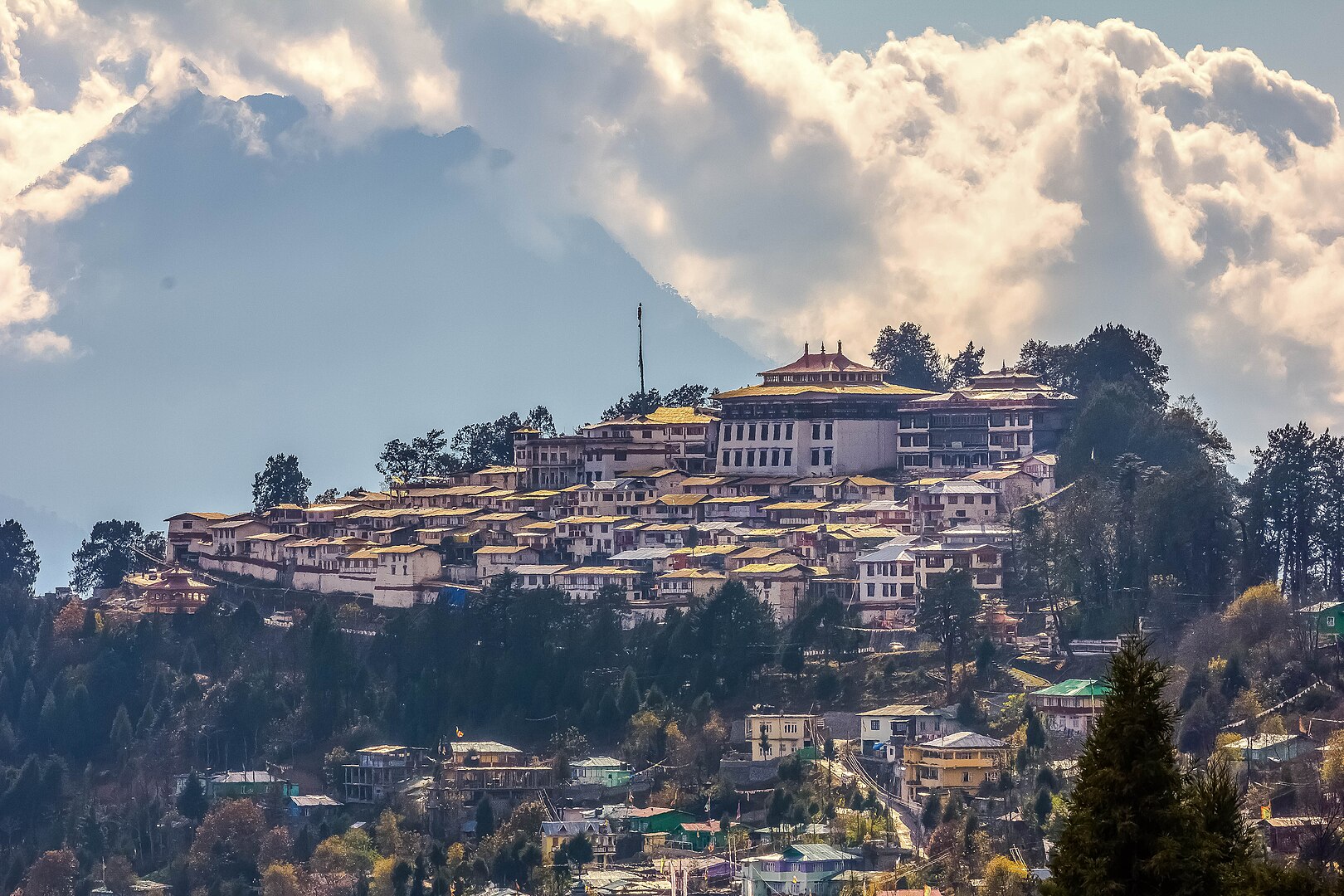
The village is home to an old Buddhist monastery that reflects the spiritual traditions of the Meyor community. The monastery provides insight into the region’s Buddhist heritage and local culture.
6. Tilam Village
Located near Walong, Tilam is known for its hot springs, hanging bridges, white-sand riverbanks, and traditional wooden houses. It offers a peaceful offbeat experience amid spectacular mountain scenery.
7. Namti Plains War Memorial
This memorial commemorates the bravery of Indian soldiers during the Battle of Walong in 1962. It is an important historical site for visitors interested in military history.
8. Meyor Tribal Settlements
The villages around Kaho provide an opportunity to experience the unique culture, customs, architecture, and Buddhist traditions of the Meyor people.
9. Border Viewpoints
Several trekking routes near Kaho offer panoramic views of the surrounding mountains, the Lohit Valley, and areas across the Line of Actual Control. These viewpoints are popular among adventure travelers and photographers.
10. Hawai
The headquarters of Anjaw district, Hawai is surrounded by mountains and river valleys and serves as a convenient stop for travelers exploring eastern Arunachal Pradesh.
Best Time to Visit
The ideal months are October to April, when the weather is dry and the skies are clear, offering unobstructed views of the river and mountains. Monsoon travel (June–September) is discouraged due to landslides and slippery roads.
Google Maps
FAQs
1. Where is Kaho Village located?
Kaho Village is located in the Anjaw district of Arunachal Pradesh near the India-China border on the banks of the Lohit River.
2. Why is Kaho Village famous?
Kaho is famous for being one of India’s easternmost villages and for its stunning Himalayan scenery, Buddhist culture, and border tourism appeal.
3. Which tribe lives in Kaho?
The village is primarily inhabited by the Meyor tribe, who follow Buddhist traditions and speak the Zakhring language.
4. What is the best time to visit Kaho?
The best time to visit is from October to April when the weather is pleasant and mountain views are at their clearest.
5. How can I reach Kaho?
Travelers usually reach Kaho via Tezu, Hayuliang, Walong, and Kibithu. The nearest railway station is New Tinsukia in Assam, while the nearest airport is at Dibrugarh or Tezu.
6. Is an Inner Line Permit (ILP) required?
Yes. Indian citizens must obtain an Inner Line Permit to visit Kaho and other parts of Arunachal Pradesh.
7. Does Kaho have accommodation facilities?
Basic homestays and guest accommodations are available in Kaho, while additional lodging options can be found in Walong.
8. What activities can visitors enjoy in Kaho?
Visitors can enjoy trekking, photography, cultural experiences, village walks, birdwatching, and exploring the scenic border landscapes.
9. How far is Kaho from Kibithu?
Kaho is approximately 10 km from Kibithu and is connected by road and trekking routes.
10. What makes Kaho unique?
Its remote location, proximity to the international border, traditional Meyor culture, old Buddhist monastery, and spectacular Himalayan setting make Kaho one of the most unique destinations in Arunachal Pradesh.