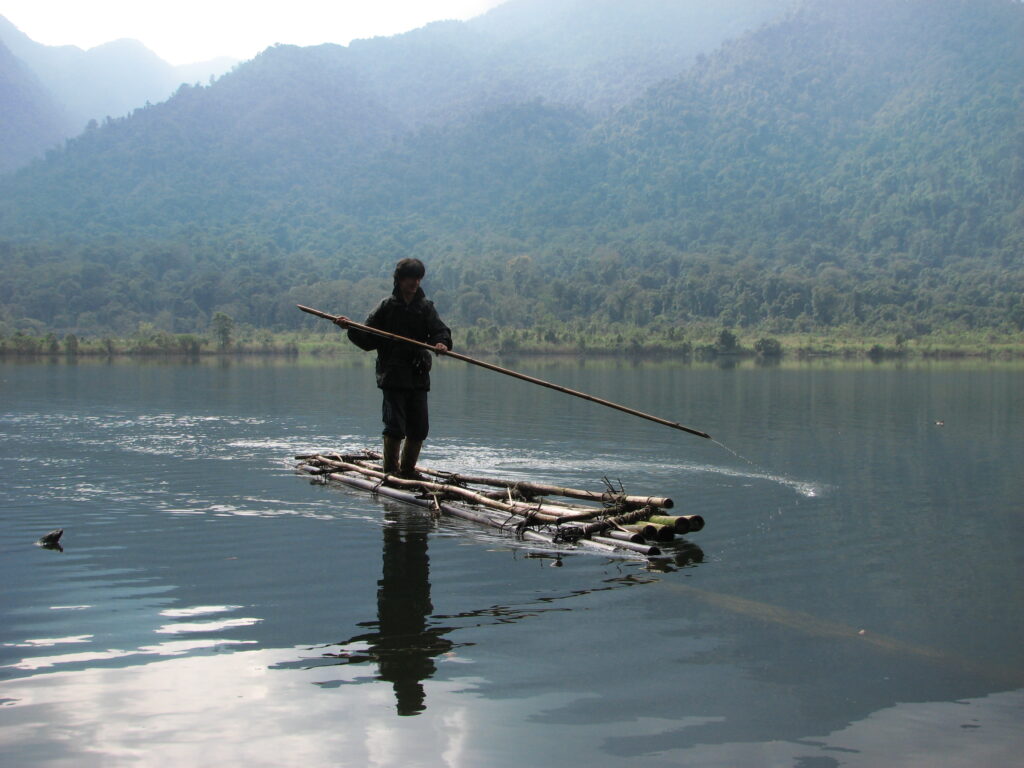
Image Source: Rohit Naniwadekar
About Kamlang Wildlife Sanctuary
Tucked away in the remote Lohit district of Arunachal Pradesh, Kamlang Wildlife Sanctuary covers an area of about 783 square kilometres and is one of the least-explored natural reserves in Northeast India.
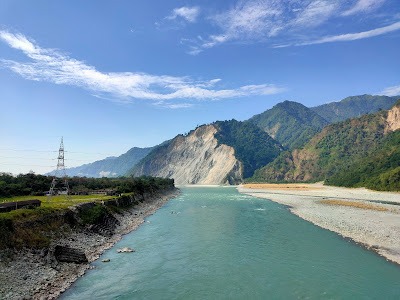
The sanctuary takes its name from the Kamlang River, which flows through its dense forests before joining the mighty Lohit. The landscape here is dramatic — ranging from tropical evergreen forests to high-altitude meadows, with snow-capped Himalayan peaks visible on clear days.
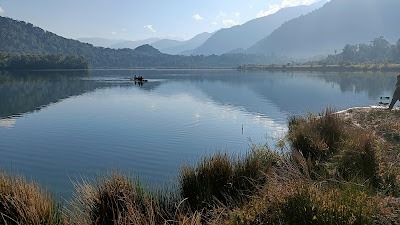
Kamlang’s biggest natural gem is Glow Lake, a stunning high-altitude waterbody surrounded by misty pine and oak forests, accessible only via trekking through untouched wilderness.
Unique Experiences & Things to Do
Glow Lake Trek – A moderate trek leading to a crystal-clear alpine lake at 5,000 feet, with breathtaking views.
Wildlife & Birding – Home to tigers, leopards, Himalayan black bears, wild boars, and over 200 bird species including hornbills and pheasants.
River Adventures – Scenic walks along the Kamlang River with opportunities for fishing (with permits).
Forest Photography – Capture orchids, rare butterflies, and moss-covered trees in their natural setting.
Cultural Detours – Visit nearby Mishmi tribal villages to experience traditional stilt houses and weaving practices.
Ecological & Cultural Significance
Kamlang lies in the Eastern Himalayan biodiversity hotspot, where Indo-Malayan and Palaearctic species overlap. Its forests are considered sacred by local Mishmi communities, who follow strict seasonal taboos on hunting and gathering. Glow Lake, in particular, is tied to local legends of spirits guarding the water, adding a mystical layer to its natural charm.
How to Reach
By Air: Nearest airport is Dibrugarh (Assam), about 160 km away.
By Rail: Closest railway station is Tinsukia (Assam), well-connected to Roing and Tezu.
By Road: From Tezu (~50 km), the sanctuary can be reached by shared jeeps or hired taxis. Trekking is required for remote spots like Glow Lake.
Nearby Attractions
1. Glow Lake
One of the most popular attractions within the sanctuary, Glow Lake is a stunning high-altitude lake surrounded by dense forests and mountains. The trek to the lake offers breathtaking views and opportunities to spot wildlife and birds.
2. Wakro
Located near the sanctuary, Wakro is famous for its scenic landscapes, orange orchards, and traditional Mishmi culture. It serves as an important gateway to Kamlang Wildlife Sanctuary.
3. Parshuram Kund
One of Arunachal Pradesh’s most revered pilgrimage sites, Parshuram Kund attracts thousands of devotees every year, especially during Makar Sankranti. The site is situated along the Lohit River amidst beautiful mountain scenery.
4. Lohit River
Flowing through the region, the Lohit River offers spectacular views of deep valleys, rocky riverbanks, and surrounding forests. It is ideal for sightseeing and photography.
5. Hayuliang
This picturesque town lies at the confluence of the Lohit and Dalai rivers and is known for its scenic beauty and tribal heritage. It is often included in itineraries covering eastern Arunachal Pradesh.
6. Chaglagam Valley
A beautiful valley featuring dense forests, rivers, and traditional villages, Chaglagam is a great destination for nature lovers and cultural explorers.
7. Hawai
The headquarters of Anjaw district, Hawai offers stunning mountain views and serves as a gateway to several attractions in eastern Arunachal Pradesh.
8. Dong Village
Known as one of the first places in India to witness sunrise, Dong Village is a unique destination for travelers exploring the easternmost parts of the country.
9. Walong Valley
Famous for its natural beauty and historical significance during the 1962 India-China War, Walong is one of the most scenic valleys in Arunachal Pradesh.
10. Kibithu
Located near the India-China border, Kibithu is among the easternmost inhabited villages in India and offers breathtaking mountain landscapes and river views.
Best Time to Visit
October to April – Cool, dry weather, ideal for trekking and wildlife viewing.
May to September – Heavy monsoon makes trails slippery but brings lush greenery.
Google Maps
FAQs
1. Where is Kamlang Wildlife Sanctuary located?
Kamlang Wildlife Sanctuary is located in the Lohit district of Arunachal Pradesh, near Wakro and the Lohit River.
2. Why is Kamlang Wildlife Sanctuary famous?
It is famous for its rich biodiversity, dense forests, rare wildlife species, and the beautiful Glow Lake Trek.
3. What is the best time to visit Kamlang Wildlife Sanctuary?
The best time to visit is from October to April when the weather is pleasant and wildlife sightings are more common.
4. What animals can be seen in the sanctuary?
Visitors may spot tigers, clouded leopards, Himalayan black bears, hoolock gibbons, barking deer, wild boars, and numerous bird species.
5. Is trekking allowed in the sanctuary?
Yes. Trekking is one of the most popular activities, especially the trek to Glow Lake.
6. How far is Glow Lake from the sanctuary entrance?
Glow Lake lies within the sanctuary and is reached through a multi-day trek from the Wakro side.
7. Do I need a guide to visit the sanctuary?
Hiring a local guide is highly recommended, particularly for trekking and wildlife exploration.
8. Is accommodation available near the sanctuary?
Yes. Basic hotels, guesthouses, forest rest houses, and homestays are available in Wakro and Tezu.
9. Is Kamlang Wildlife Sanctuary suitable for birdwatching?
Yes. The sanctuary is home to a large variety of Himalayan and tropical bird species, making it a popular birdwatching destination.
10. What makes Kamlang Wildlife Sanctuary unique?
Its combination of untouched forests, rare wildlife, remote Himalayan landscapes, tribal culture, and the spectacular Glow Lake makes Kamlang Wildlife Sanctuary one of Arunachal Pradesh’s most rewarding eco-tourism destinations.