Image Source: Easyvivek
About Nuranang Falls
Hidden in the lush highlands of Tawang district, Nuranang Falls (also called Jang Falls or Bong Bong Falls) is one of Arunachal Pradesh’s most breathtaking natural attractions.
Plunging nearly 100 metres into a crystal-clear pool, the waterfall is surrounded by dense pine forests, rhododendron groves, and mist-shrouded cliffs. Despite its cinematic beauty, it remains relatively untouched by mass tourism, offering a tranquil escape for those willing to venture into the heart of the Eastern Himalayas.
Local Legends & Cultural Connection
Local Monpa folklore tells of a young girl named Nura, who aided an Indian soldier during the 1962 Indo–China War but lost her life in the process. The river and falls were named in her memory, making the site not just a visual marvel but also a poignant tribute to courage and compassion.
How to Reach
By Road: The falls are just 2 km from Jang on the Tawang–Bomdila highway. Distance from Tawang is about 40 km (1 hour drive).
By Air: Nearest airport is Tezpur (Assam), about 320 km away, with road connections to Tawang.
By Rail: Closest major railway station is Rangapara North in Assam.
Nearby Attractions of Nuranang Falls
Nuranang Falls, also known as Jang Falls, is one of the most spectacular waterfalls in Arunachal Pradesh. Located near Jang village in Tawang district, the waterfall plunges from a height of approximately 100 meters amidst lush forests and rugged Himalayan terrain. Fed by waters originating from the Sela Pass region, Nuranang Falls is renowned for its breathtaking beauty, mist-covered surroundings, and photogenic landscapes. The waterfall is also associated with the 1962 Indo-China War and local folklore, making it both a natural and historical attraction.
1. Tawang Monastery
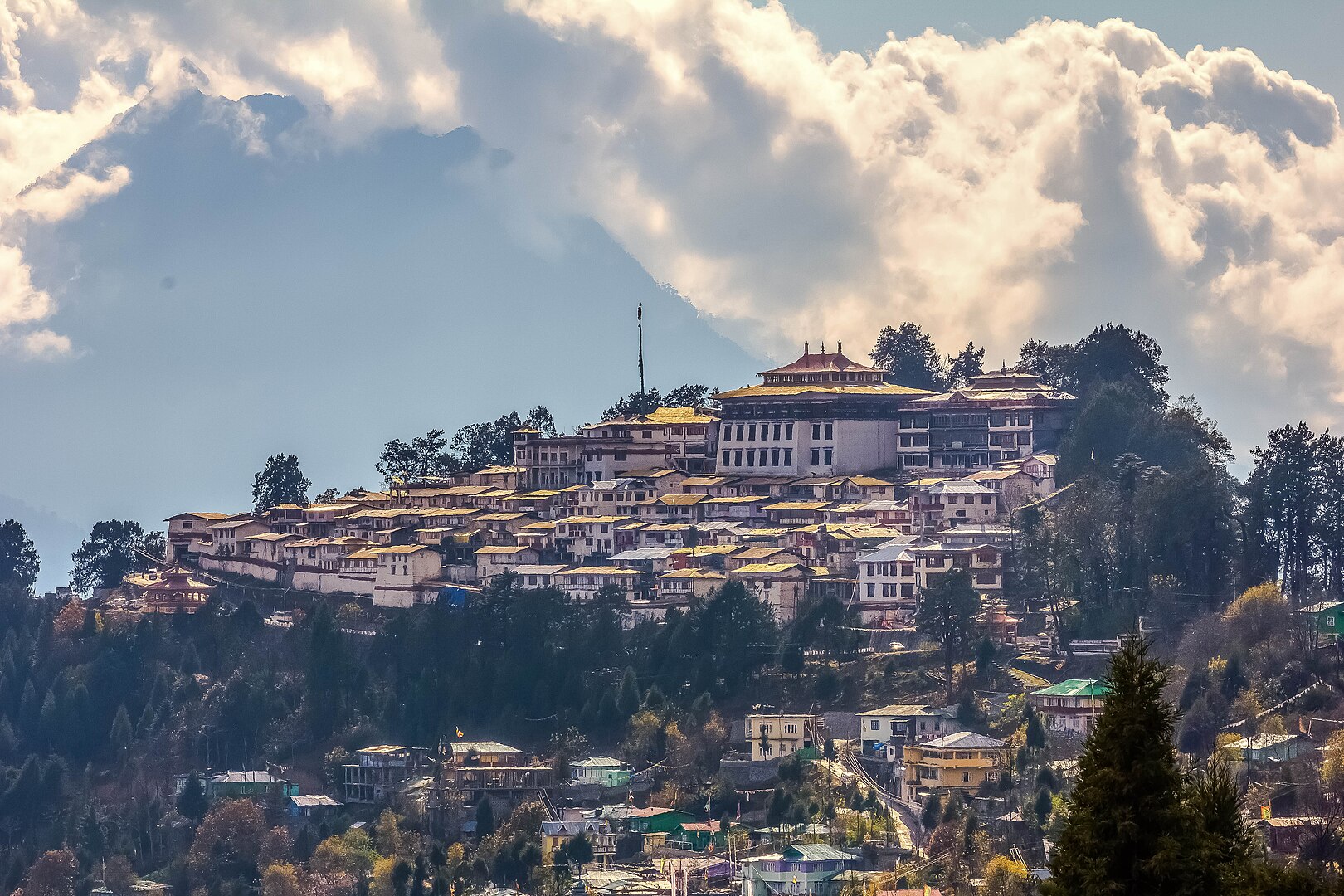
Located about 40 km from Nuranang Falls, Tawang Monastery is the largest monastery in India and one of the most important Buddhist centers in the Himalayas. Visitors can explore ancient scriptures, prayer halls, and stunning mountain views.
2. Sela Pass
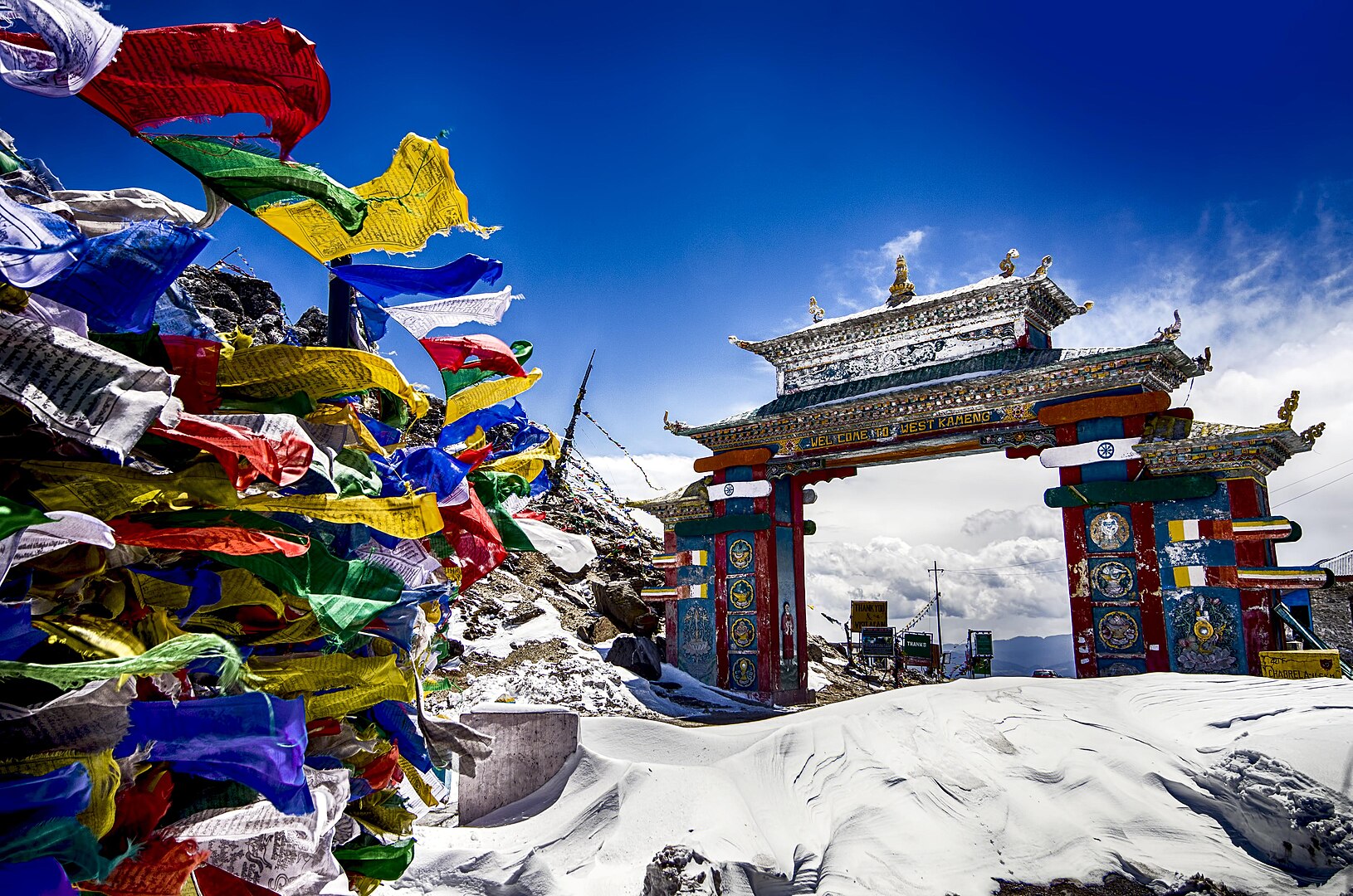
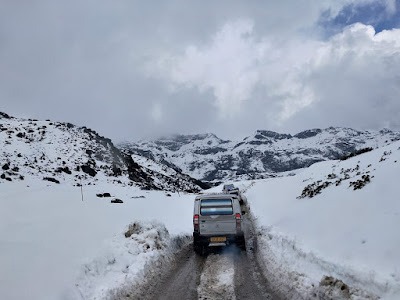
One of India’s highest motorable mountain passes, Sela Pass offers spectacular views of snow-covered peaks, alpine lakes, and rugged Himalayan landscapes.
3. Sela Lake (Paradise Lake)
Situated near Sela Pass, this pristine glacial lake is famous for its crystal-clear waters and scenic surroundings. During winter, it often freezes, creating a magical setting.
4. Bumla Pass
Located near the Indo-China border, Bumla Pass is known for its historical significance, breathtaking scenery, and high-altitude terrain.
5. Sangetsar Lake (Madhuri Lake)
This beautiful lake is famous for its submerged tree trunks, tranquil atmosphere, and stunning Himalayan backdrop.
6. Chumi Gyatse Falls
Known as the Holy Waterfalls, Chumi Gyatse is a sacred site consisting of numerous streams cascading down a mountainside near the border region.
7. Tawang War Memorial
A moving tribute to Indian soldiers who fought in the 1962 Indo-China War, the memorial offers historical insights and panoramic views of Tawang Valley.
8. Jang Village
The charming village near the waterfall offers beautiful mountain scenery, traditional Monpa culture, and a peaceful rural atmosphere.
9. Taktsang Gompa
A sacred Buddhist monastery perched on a hillside, associated with Guru Padmasambhava and surrounded by spectacular mountain views.
10. Urgelling Monastery
The birthplace of the Sixth Dalai Lama, this monastery is an important cultural and spiritual landmark in the Tawang region.
11. Gorichen Peak Viewpoints
Several viewpoints around Tawang offer breathtaking views of Gorichen Peak, the highest mountain in Arunachal Pradesh.
12. Bap Teng Kang Waterfall
Another beautiful waterfall in Tawang district, known for its scenic beauty, natural pools, and peaceful surroundings.
Best Time to Visit
March to October – Ideal for full water flow and vibrant green surroundings.
Winters are scenic but icy, while heavy monsoons can make roads slippery.
Google Maps
FAQs
1. Where is Nuranang Falls located?
Nuranang Falls is located near Jang village in Tawang district of Arunachal Pradesh, approximately 35–40 km from Tawang town.
2. Why is Nuranang Falls famous?
The waterfall is famous for its impressive height, scenic beauty, powerful cascade, and association with local legends and the 1962 Indo-China War.
3. Why is it also called Jang Falls?
The waterfall is situated near Jang village, which is why it is commonly known as Jang Falls.
4. How high is Nuranang Falls?
Nuranang Falls plunges from a height of approximately 100 meters (about 330 feet), making it one of the tallest waterfalls in Arunachal Pradesh.
5. What is the best time to visit Nuranang Falls?
The best time to visit is from March to June and September to November when the weather is pleasant and the waterfall is at its most picturesque.
6. How can I reach Nuranang Falls?
The waterfall is easily accessible by road from Tawang. Visitors can hire taxis or travel by private vehicle along the Tawang–Jang route.
7. Is there an entry fee to visit the waterfall?
Entry policies may vary over time, but any fee charged is generally nominal and intended for site maintenance and visitor facilities.
8. Can visitors go close to the waterfall?
Yes. A pathway and viewing areas allow visitors to approach the waterfall and enjoy close-up views, though caution is advised due to slippery surfaces.
9. Is photography allowed at Nuranang Falls?
Yes. The waterfall is one of the most photographed natural attractions in Arunachal Pradesh and offers excellent opportunities for landscape photography.
10. What makes Nuranang Falls unique?
Its dramatic 100-meter drop, lush Himalayan surroundings, accessibility from Tawang, historical significance, and year-round beauty make Nuranang Falls one of the most iconic waterfalls in Northeast India.