Introduction
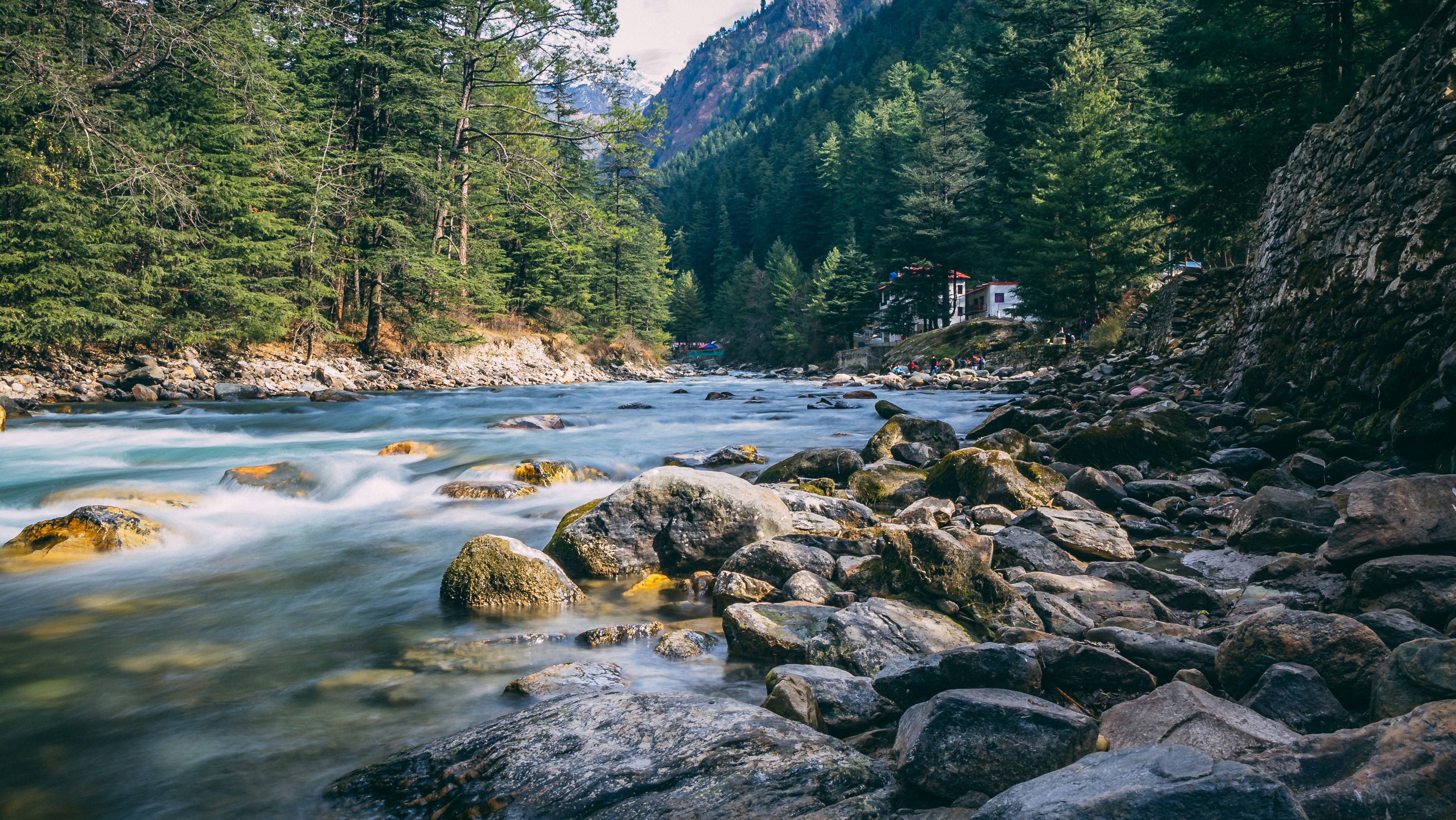
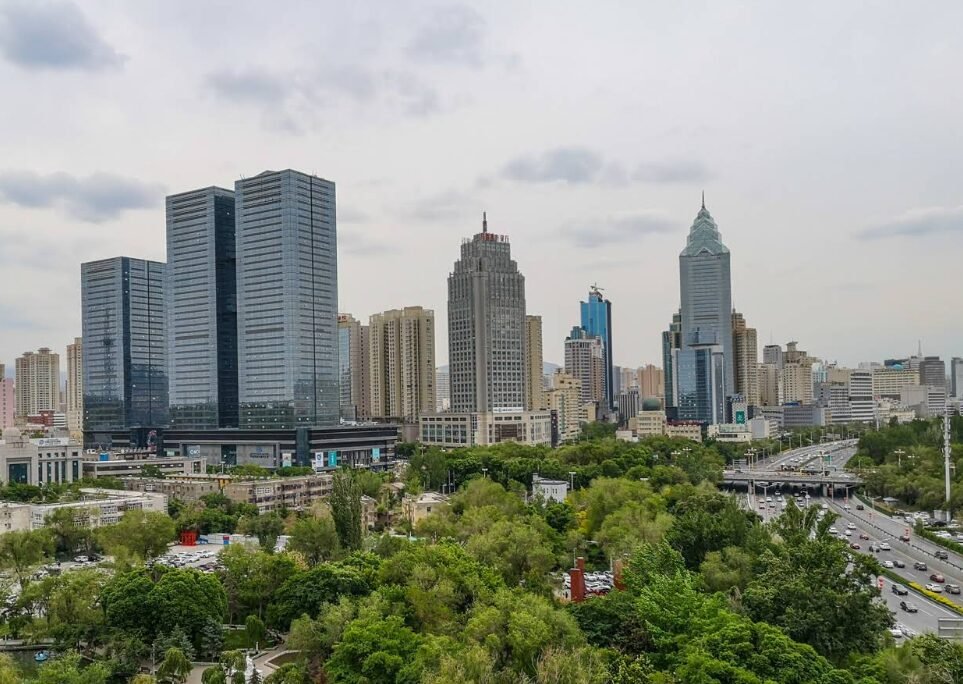
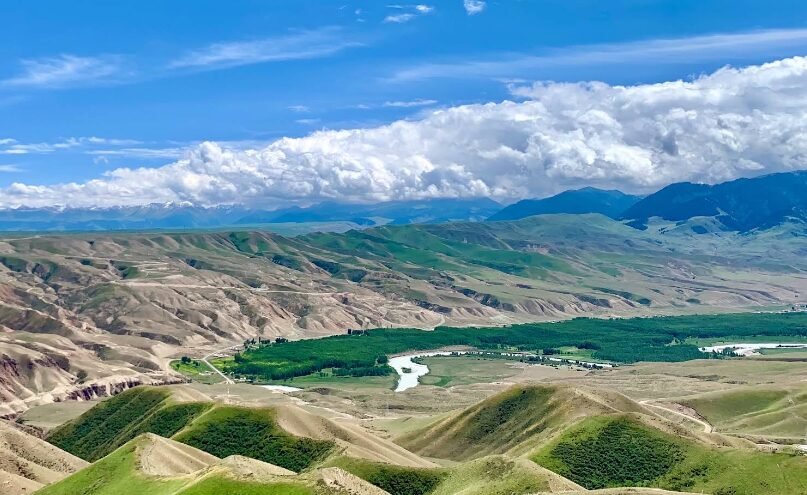
The Ili Kazakh Autonomous Prefecture , often simply called Ili , is one of the most scenic regions in Xinjiang and is famous for its rolling grasslands, alpine lakes, snow-capped mountains, colourful wildflowers, and rich nomadic culture. At its heart lies Yining , the prefecture’s largest city and the main gateway for exploring the breathtaking Ili River Valley .
Unlike the deserts that dominate much of southern Xinjiang, Ili enjoys a relatively mild climate thanks to its location between the Tianshan Mountains and the border with Kazakhstan . The region is known for lush meadows, forests, lavender farms, and some of China’s finest self-drive routes.
Whether you want to hike across alpine valleys, experience Kazakh traditions, photograph endless flower fields, or relax beside crystal-clear lakes, Ili is one of the most rewarding destinations in Northwest China.
—
Quick Facts
| Information | Details |
| ——————– | ————————————————– |
| Chinese Name | 伊犁哈萨克自治州 (Yīlí Hāsàkè Zìzhìzhōu) |
| Main City | Yining (Ghulja) |
| Region | Xinjiang Uyghur Autonomous Region |
| Elevation | Approximately 650 metres (Yining) |
| Famous For | Grasslands, lavender, alpine lakes, Kazakh culture |
| Best Time to Visit | May–September |
| Distance from Ürümqi | About 650 km by road |
—
Why Visit Ili?
Ili offers some of China’s finest natural landscapes.
Highlights include:
* Nalati Grassland.
* Sayram Lake.
* Lavender fields.
* Ili River Valley.
* Kazakh nomadic culture.
* Scenic mountain highways.
* Wildflower meadows.
* Horse riding.
* Photography.
* Summer festivals.
—
Geography
The Ili Valley is enclosed by the Tianshan Mountains , creating a fertile landscape unlike the surrounding deserts.
Major geographical features
* Ili River.
* Tianshan Mountains.
* Alpine meadows.
* Forests.
* Snow-fed rivers.
* High mountain passes.
* Rolling grasslands.
The combination of abundant water and cooler temperatures has made Ili one of Xinjiang’s most productive agricultural and pastoral regions.
—
History
For centuries, the Ili Valley formed an important section of the Silk Road , connecting western China with Central Asia. Traders, diplomats, and travellers crossed the valley while transporting silk, horses, tea, spices, and precious metals.
The region has long been home to Kazakh, Uyghur, Hui, Mongol, Han, and other communities, creating a rich cultural heritage that remains visible in local traditions, architecture, music, and cuisine.
—
Top Attractions
Nalati Grassland
Often ranked among China’s most beautiful grasslands, Nalati features vast alpine meadows surrounded by snow-covered mountains.
Highlights include:
* Horse riding.
* Hiking trails.
* Kazakh yurts.
* Wildflowers.
* Scenic viewpoints.
* Photography.
The best season is from June to September.
—
Sayram Lake
Known as the “Last Tear of the Atlantic”, Sayram Lake is Xinjiang’s largest alpine lake.
Highlights include:
* Crystal-clear water.
* Lakeside walking trails.
* Wildflower meadows.
* Cycling routes.
* Sunrise and sunset photography.
Summer is the ideal time to visit.
—
Yining Lavender Fields
Yining is one of China’s largest lavender-producing regions.
Visitors can enjoy:
* Purple flower fields.
* Farm visits.
* Photography.
* Lavender products.
* Seasonal festivals.
Peak bloom usually occurs between June and July.
—
Ili River Valley
The valley itself is one of Xinjiang’s greatest attractions.
Activities include:
* Scenic drives.
* Cycling.
* River walks.
* Birdwatching.
* Photography.
—
Kazakh Villages
Several traditional villages welcome visitors interested in learning about nomadic culture.
Experiences include:
* Staying in yurts.
* Traditional music.
* Horse riding.
* Local cuisine.
* Cultural performances.
—
Guozigou Valley
One of Xinjiang’s most spectacular mountain valleys, famous for its dramatic scenery and the impressive Guozigou Bridge .
Highlights:
* Mountain forests.
* Deep gorges.
* Scenic viewpoints.
* Highway photography.
—
Kalajun Grassland
A UNESCO-recognised section of the Xinjiang Tianshan landscape, Kalajun is known for rolling hills, colourful wildflowers, and expansive alpine pastures.
—
Outdoor Activities
Popular activities include:
* Horse riding.
* Hiking.
* Camping.
* Cycling.
* Wildlife photography.
* Landscape photography.
* Fishing (where permitted).
* Self-drive tours.
—
Local Cuisine
Ili’s cuisine reflects strong Kazakh and Uyghur influences.
Must-try dishes include:
* Roast lamb.
* Lamb kebabs.
* Dapanji (Big Plate Chicken).
* Laghman noodles.
* Polo (Pilaf).
* Nang bread.
* Fresh dairy products.
* Yogurt.
* Horse milk products (available in some communities).
* Local honey.
—
Shopping
Popular souvenirs include:
* Lavender oils and soaps.
* Honey.
* Wool products.
* Embroidered textiles.
* Handmade leather goods.
* Traditional musical instruments.
* Dried fruits.
—
Best Time to Visit
| Season | Experience |
| ———————- | —————————————— |
| Spring (May) | Blossoms and green valleys |
| Summer (June–August) | Wildflowers, grasslands, lavender, hiking |
| Autumn (September) | Golden meadows and clear skies |
| Winter (October–March) | Snow-covered landscapes and fewer visitors |
—
How to Reach Ili
By Air
Yining Airport offers regular flights to:
* Ürümqi.
* Beijing.
* Xi’an.
* Chengdu (seasonal or via connections)
—
By Train
Rail services connect Yining with Ürümqi and several other cities in Xinjiang.
—
By Road
Major highways link Ili with:
* Ürümqi.
* Sayram Lake.
* Kuitun.
* Tacheng.
* Altay.
The drive itself is considered one of the highlights of visiting northern Xinjiang.
—
Getting Around
Transport options include:
* Taxis.
* Public buses.
* Car rental.
* Private drivers.
* Organised tours.
Renting a vehicle is recommended for travellers exploring the wider valley.
—
Suggested Itineraries
Two-Day Ili
Day 1
* Yining City.
* Lavender Fields.
* Ili River.
Day 2
* Sayram Lake.
—
Three-Day Itinerary
Day 1
* Yining sightseeing.
Day 2
* Nalati Grassland.
Day 3
* Guozigou Valley.
* Sayram Lake.
—
Five-Day Itinerary
* Yining.
* Sayram Lake.
* Guozigou.
* Nalati.
* Kalajun Grassland.
—
Where to Stay
Yining City
Best for:
* Restaurants.
* Transport.
* First-time visitors.
* Shopping.
—
Nalati Area
Ideal for:
* Nature lovers.
* Hiking.
* Horse riding.
* Staying in traditional yurts.
—
Sayram Lake
Perfect for:
* Photography.
* Camping.
* Scenic relaxation.
—
Travel Tips
* Visit between June and September for the best weather and lush green landscapes.
* Pack layers, as mountain temperatures can drop quickly, even in summer.
* Allow extra time for scenic stops along mountain roads.
* Bring a good camera—sunrise and sunset light can be spectacular.
* Respect local customs when visiting Kazakh villages and ask permission before photographing people.
—
Frequently Asked Questions
Is Ili worth visiting?
Yes. Ili is widely regarded as one of Xinjiang’s most beautiful regions, offering alpine scenery, grasslands, lakes, and a distinctive nomadic cultural heritage.
How many days should I spend in Ili?
Three to five days is ideal for visiting Yining, Nalati Grassland, Sayram Lake, and Guozigou Valley.
What is Ili famous for?
Ili is best known for its Nalati Grassland , Sayram Lake , lavender fields , Kazakh culture , and the picturesque Ili River Valley .
When is the lavender season?
The lavender fields around Yining usually reach peak bloom in late June and early July , although the exact timing varies with the weather.
Is Ili suitable for a road trip?
Absolutely. Ili is one of China’s premier self-drive destinations, with scenic mountain highways linking lakes, valleys, forests, and grasslands.
—
Nearby Attractions
* Nalati Grassland.
* Sayram Lake.
* Guozigou Valley.
* Kalajun Grassland.
* Qiongkushitai Village.
* Tekes (Bagua City).
* Bayinbuluk Grassland.
* Tianshan Mountains.