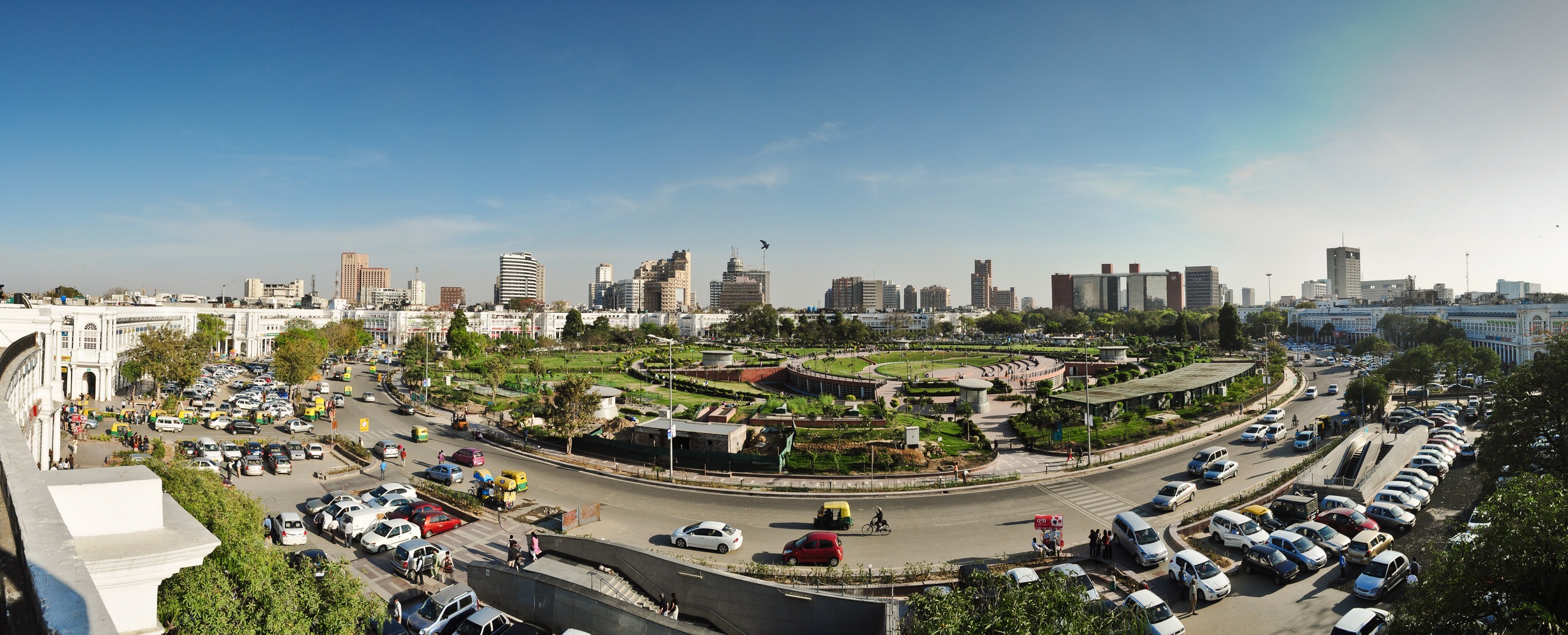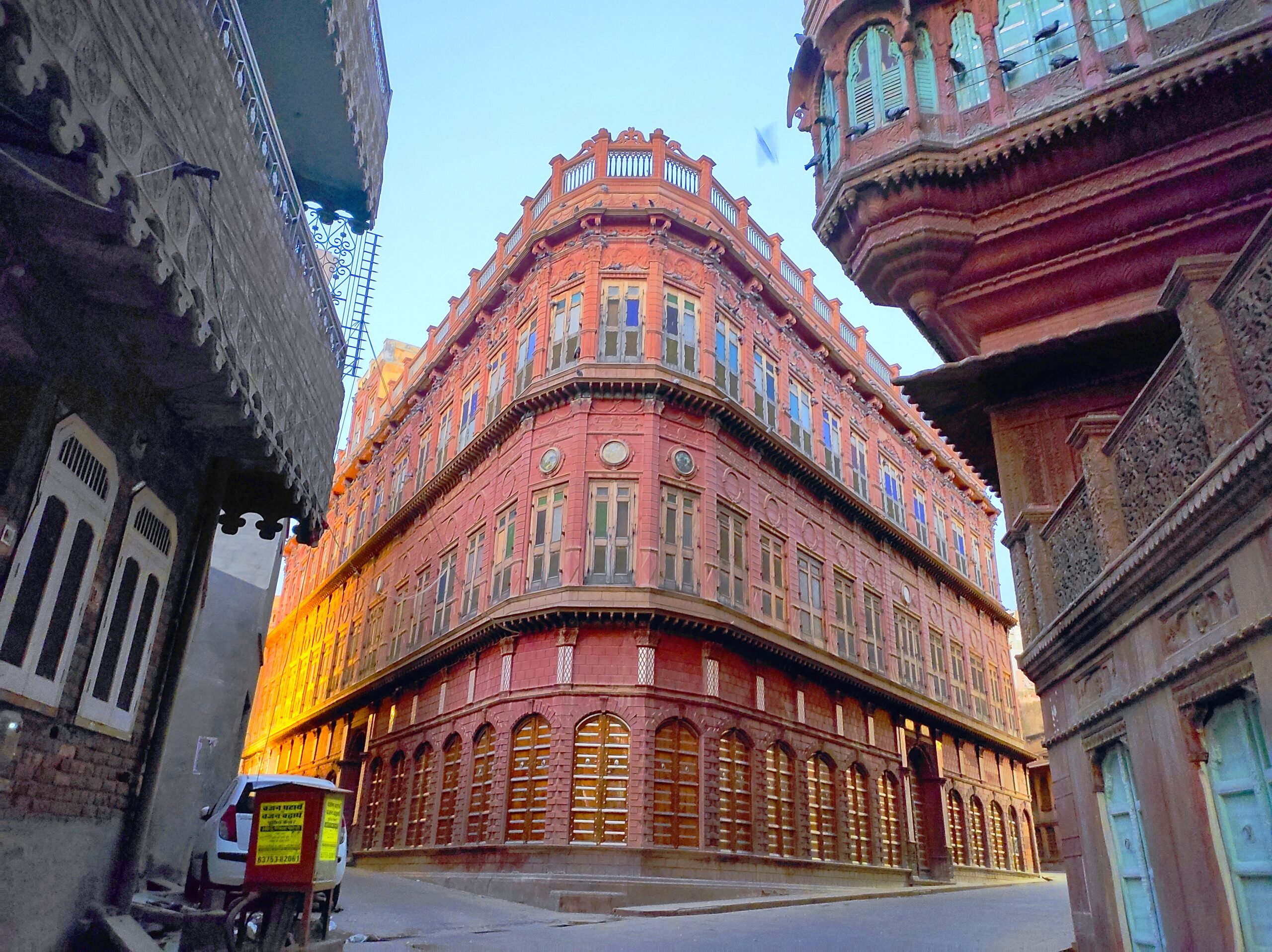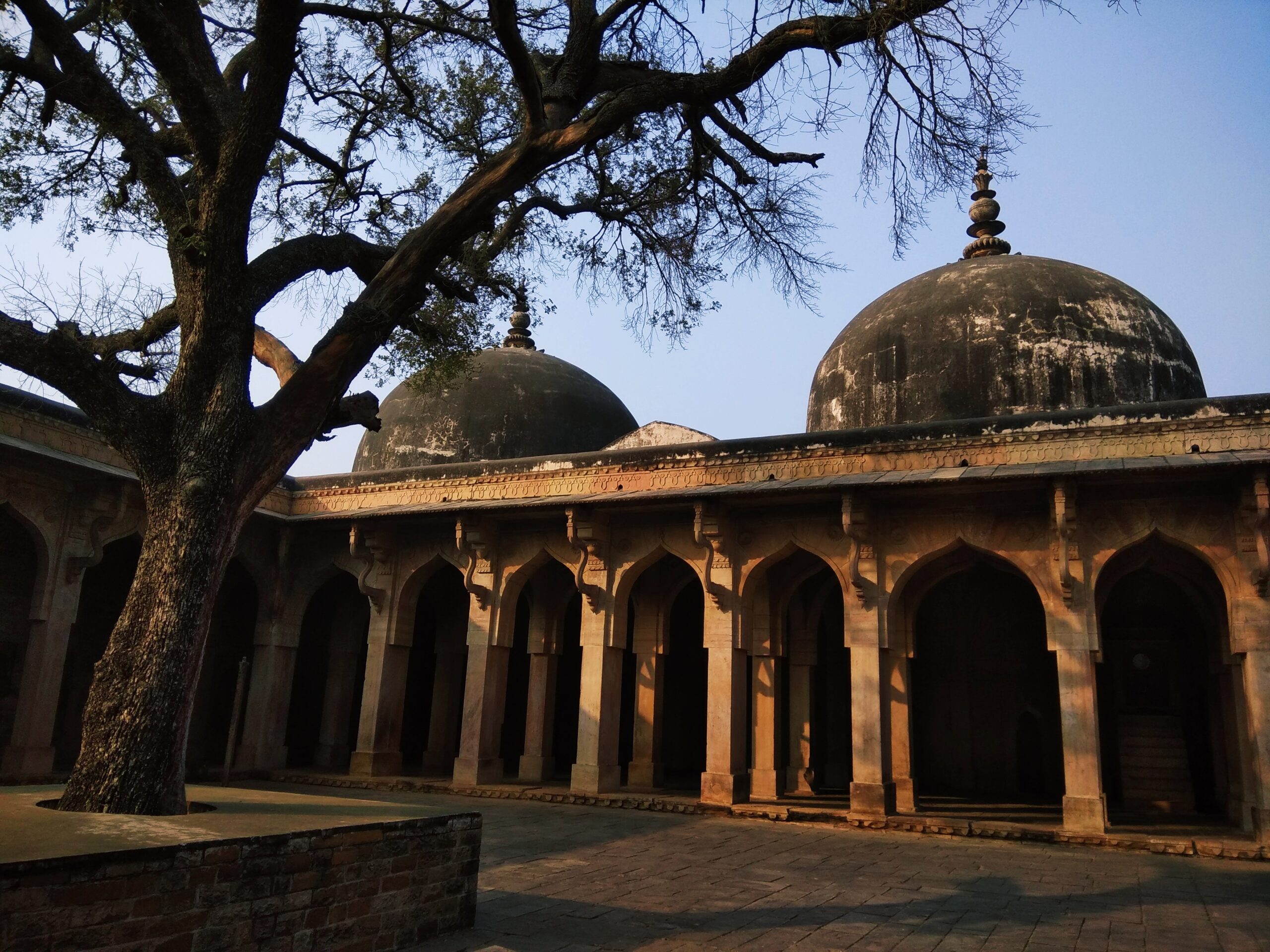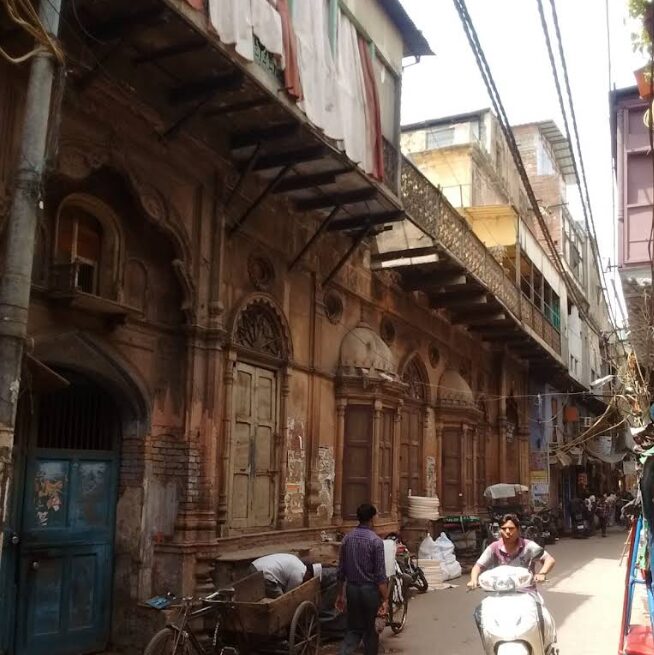
Image Source: Kabir Singh Waraich
Introduction
Tucked away in the bustling heart of Old Delhi, the Havelis of Kucha Pati Ram offer a fascinating glimpse into a bygone era. While most visitors flock to the famous landmarks of Chandni Chowk, Red Fort, and Jama Masjid, few venture into the narrow lanes of Kucha Pati Ram, where centuries-old mansions quietly narrate stories of Delhi’s rich past.
Located within the historic neighborhood of Sita Ram Bazar in Shahjahanabad, Kucha Pati Ram is a hidden heritage treasure. The street is lined with magnificent yet weathered havelis that once belonged to wealthy merchants, scholars, and influential families. Today, these architectural gems stand as reminders of Old Delhi’s glorious past, making the area a captivating destination for history enthusiasts, photographers, architects, and curious travelers.
Discovering Kucha Pati Ram
Walking through Kucha Pati Ram feels like stepping into a living museum. The crowded streets of modern Delhi gradually give way to narrow alleys lined with historic facades, ornate balconies, and imposing wooden doors. Every corner reveals traces of a time when these mansions served as thriving family residences and centers of commerce.
Unlike many restored heritage sites, Kucha Pati Ram retains an authentic and raw charm. The peeling plaster, fading frescoes, and aging brickwork tell a story of changing times and shifting communities. This is not a polished tourist attraction but a genuine slice of Old Delhi’s living heritage.
The neighborhood offers visitors a chance to experience the quieter side of Shahjahanabad, away from the crowds and commercial bustle that dominate other parts of Old Delhi.
Historical Significance
Kucha Pati Ram forms part of Shahjahanabad, the walled city established by Mughal Emperor Shah Jahan in 1639. During the Mughal period, wealthy traders, bankers, and noble families built elaborate havelis throughout the city. These grand residences were designed not only as homes but also as symbols of status and prosperity.
The city’s neighborhoods were carefully organized into kuchas (streets), katras (residential clusters), and bazaars. Kucha Pati Ram emerged as one of the prominent residential lanes within this urban network.
Following the decline of the Mughal Empire, the upheaval of the colonial era, and the social transformations after India’s independence, many affluent families relocated to newer parts of Delhi. As a result, numerous havelis were abandoned, subdivided, or repurposed. Despite these changes, many structures continue to survive, preserving the architectural legacy of Old Delhi.
Today, Kucha Pati Ram stands as one of the few places where visitors can still witness the residential grandeur that once characterized Shahjahanabad.
Architectural Highlights
The havelis of Kucha Pati Ram showcase a remarkable blend of Mughal, Rajput, and traditional North Indian architectural styles.
As you explore the area, pay attention to the following features:
Ornate Entrance Gateways
Many havelis feature massive wooden doors adorned with brass fittings and intricate carvings. These gateways once served as both security measures and symbols of wealth.
Jharokhas and Balconies
Beautiful overhanging balconies, known as jharokhas, project from the upper floors. These architectural elements allowed residents to observe street life while maintaining privacy.
Hidden Courtyards
Behind the imposing facades lie spacious courtyards that formed the heart of traditional haveli life. These open spaces provided natural ventilation and served as gathering areas for family activities.
Decorative Frescoes and Stucco Work
Though weathered by time, traces of colorful murals, floral motifs, and ornamental plasterwork can still be found throughout the neighborhood.
Traditional Urban Design
The narrow winding streets create a unique atmosphere and demonstrate how historic cities adapted to climate, privacy, and community living.
Notable Heritage Landmarks
Pt. Bihari Lal Haveli
One of the most prominent surviving mansions in the area, Pt. Bihari Lal Haveli reflects the grandeur once enjoyed by Old Delhi’s affluent families. Its architectural details and historic character make it an important landmark within Kucha Pati Ram.
Dady Ki Haveli
This traditional haveli offers visitors an excellent example of Old Delhi’s residential architecture. Though altered over time, many original design elements remain visible.
Munshion Ki Haveli
Located in the nearby lanes, this historic mansion showcases the enduring legacy of Shahjahanabad’s merchant community and serves as a reminder of the area’s former prosperity.
Kathika
Kathika is a cultural and heritage center dedicated to preserving the traditions and architectural heritage of Old Delhi. Visitors interested in local history, storytelling, and cultural programs may find this space particularly rewarding.
Haveli Dharampura
Just a short distance away in Chandni Chowk, Haveli Dharampura is one of Delhi’s finest restored heritage mansions. Visiting this beautifully preserved property helps travelers visualize how the havelis of Kucha Pati Ram might have appeared during their heyday.
Best Time to Visit
The ideal time to explore Kucha Pati Ram is between October and March when Delhi experiences cooler and more comfortable weather.
Early mornings are particularly enjoyable because the streets are quieter, allowing visitors to appreciate the architecture and capture photographs without large crowds. Late afternoons also provide excellent lighting for photography.
Summer temperatures can exceed 40°C, making prolonged walking uncomfortable. Monsoon visits are possible but may be challenging due to narrow streets and occasional waterlogging.
How to Reach
By Metro
The nearest metro station is Chawri Bazar Metro Station on Delhi Metro’s Yellow Line.
From the station, Kucha Pati Ram is easily accessible by foot or cycle-rickshaw through the historic lanes of Sita Ram Bazar.
By Road
Auto-rickshaws and taxis can drop visitors near Sita Ram Bazar. However, due to the narrow streets, some walking is unavoidable.
Nearby Attractions
Visitors can easily combine their trip with:
- Red Fort.
- Jama Masjid.
- Chandni Chowk.
- Fatehpuri Mosque.
- Haveli Dharampura.
- Kinari Bazaar.
- Spice Market (Khari Baoli).
Together, these attractions create a rewarding full-day heritage experience in Old Delhi.
Suggested Heritage Walk
Start your exploration at Chawri Bazar Metro Station and enter the winding streets of Sita Ram Bazar. Wander through Kucha Pati Ram, observing the historic havelis and architectural details hidden among the residential buildings.
Spend time exploring the local lanes and interacting respectfully with residents. Visit Kathika to learn more about heritage conservation efforts before continuing toward Chandni Chowk. End your journey with a traditional meal at one of Old Delhi’s historic eateries and enjoy panoramic views from Haveli Dharampura.
Travel Tips
- Wear comfortable walking shoes.
- Carry drinking water, especially during warmer months.
- Respect residents’ privacy as many buildings remain occupied.
- Ask permission before photographing homes or individuals.
- Consider joining a guided heritage walk for deeper historical insights.
- Visit during daylight hours for safety and better photography.
- Take your time—many of the neighborhood’s treasures are hidden in plain sight.
Why Kucha Pati Ram Matters
The havelis of Kucha Pati Ram represent a disappearing chapter of Delhi’s urban heritage. As modernization transforms the city, these historic mansions continue to preserve the memory of merchant families, artisans, and communities that shaped Shahjahanabad for centuries.
For travelers willing to step off the beaten path, Kucha Pati Ram offers something increasingly rare: an authentic connection to Old Delhi’s architectural and cultural soul. It is a place where history is not confined to museums but remains woven into everyday life.
Frequently Asked Questions (FAQs)
What is Kucha Pati Ram famous for?
Kucha Pati Ram is known for its historic havelis, traditional architecture, and its connection to the heritage of Shahjahanabad, the Mughal-era walled city of Delhi.
Where is Kucha Pati Ram located?
It is located in Sita Ram Bazar, Old Delhi, within the historic Chandni Chowk area.
Is there an entry fee to visit Kucha Pati Ram?
No. The neighborhood itself is a public area and can be explored freely. However, some heritage properties or guided tours may charge a fee.
How much time should I spend exploring the area?
A leisurely visit typically takes 1–2 hours, though heritage enthusiasts may wish to spend longer exploring nearby attractions.
Is Kucha Pati Ram suitable for photography?
Yes. The area offers excellent opportunities for architectural and street photography. Visitors should always respect residents and seek permission when photographing private properties.
Can I visit the interiors of the havelis?
Most havelis are privately owned and not generally open to the public. Some heritage properties may occasionally allow access through guided tours or cultural events.
What is the nearest metro station?
Chawri Bazar Metro Station on the Yellow Line is the closest metro stop.
What other attractions can I visit nearby?
Red Fort, Jama Masjid, Chandni Chowk, Haveli Dharampura, Khari Baoli Spice Market, and Fatehpuri Mosque are all located nearby and can be visited on the same day.
Is Kucha Pati Ram safe for tourists?
Yes, it is generally safe during daytime hours. As with any crowded urban area, visitors should remain aware of their surroundings and keep valuables secure.