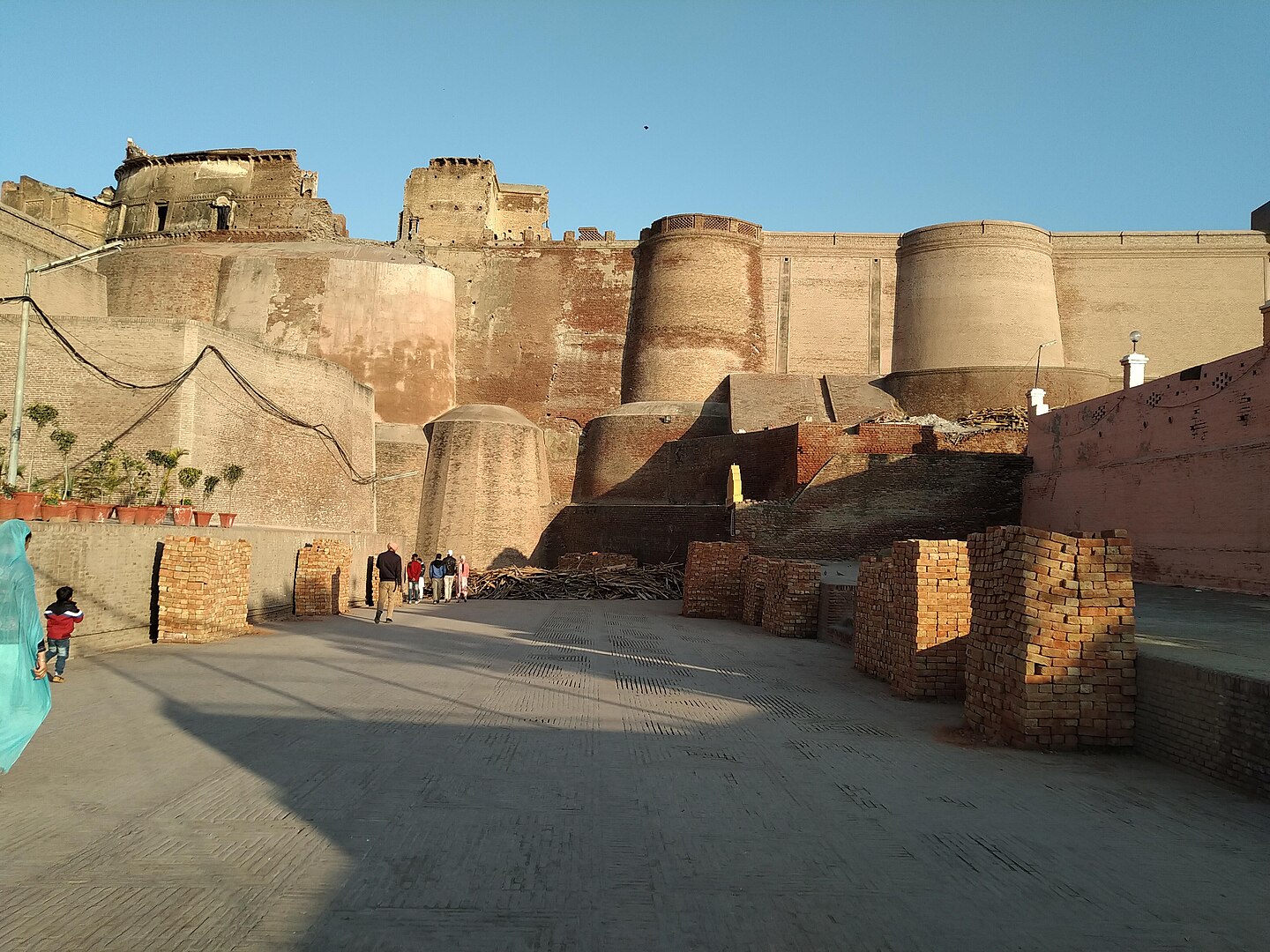
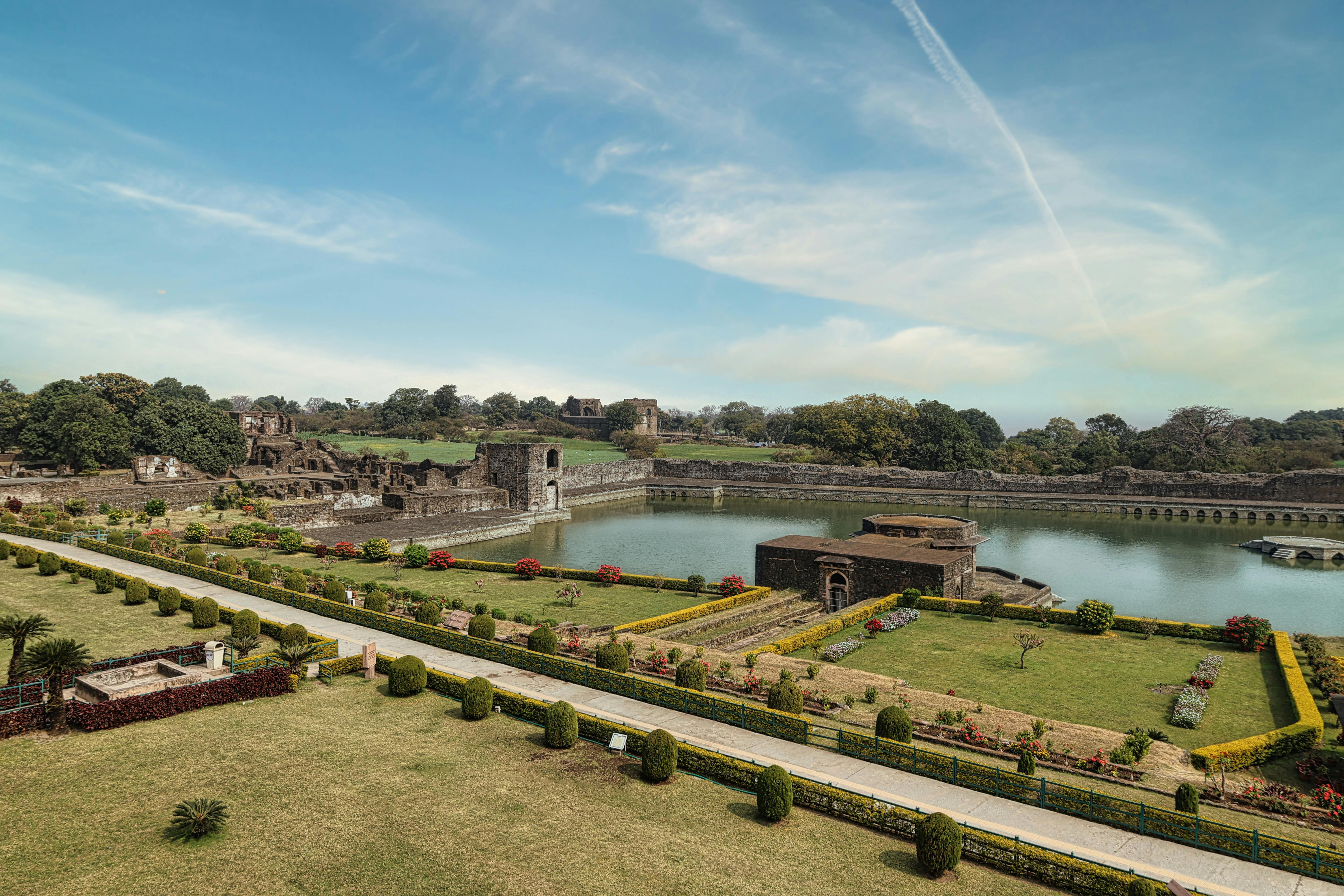
About Pinjore Garden
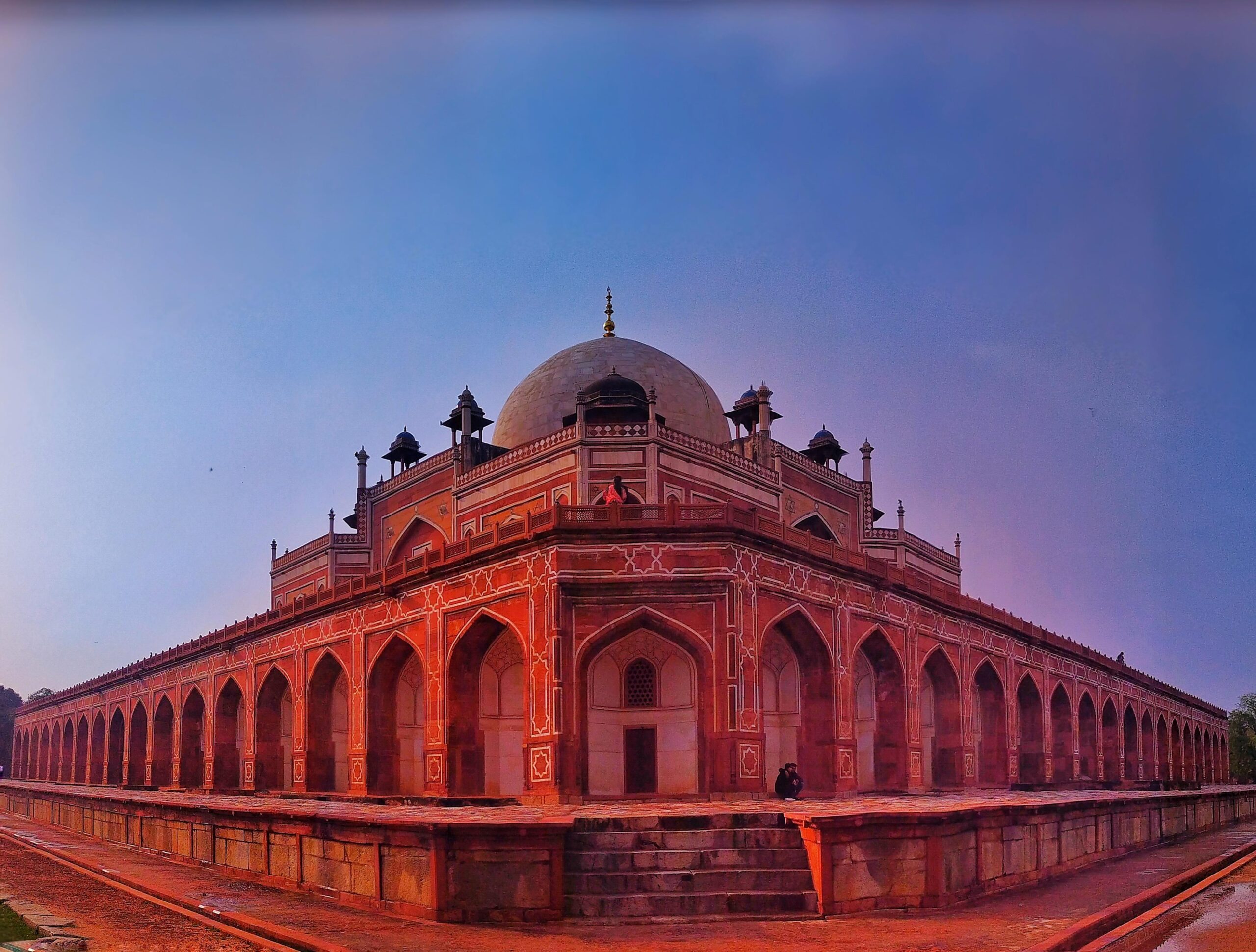
The Mughals, on the other hand, have a history of creating gardens in the Char Bagh style. The Taj Mahal and Humayun’s tomb all have Charbagh-style gardens. Pinjore Garden, located in the district of Panchkula, Haryana, is a beautiful Mughal garden made in the 17th century. It was renamed Yadavindra Garden after the former prince of the state of Patiala. After initially built by Fidai khan it was restored to its splendor after a year of negligence by Yadevendra Singh
Pinjore Garden, an illustration of a terrace garden, also houses a mini-zoo, a beautiful Japanese garden, and a serene nursery.
History of Pinjore Garden
Fidai Khan, the governor under Mughal Emperor Aurangzeb, was a well-known architect. He and Aurangzeb designed many gardens in India together. During that time, Fidai Khan visited the beautiful Pinjore Valley and was enthralled by it. He decided to build a beautiful garden in the valley. But while working, a woman was affected by goiter, and to stop the diseases from spreading, the whole crew returned. After this, the region came under the rule of the ruler, the king of Patiala, Maharaja Amar Singh, who resumed the work on the garden. In 1966 when Haryana became an independent state, Pinjore garden was open to the public.
Structure of Pinjore garden
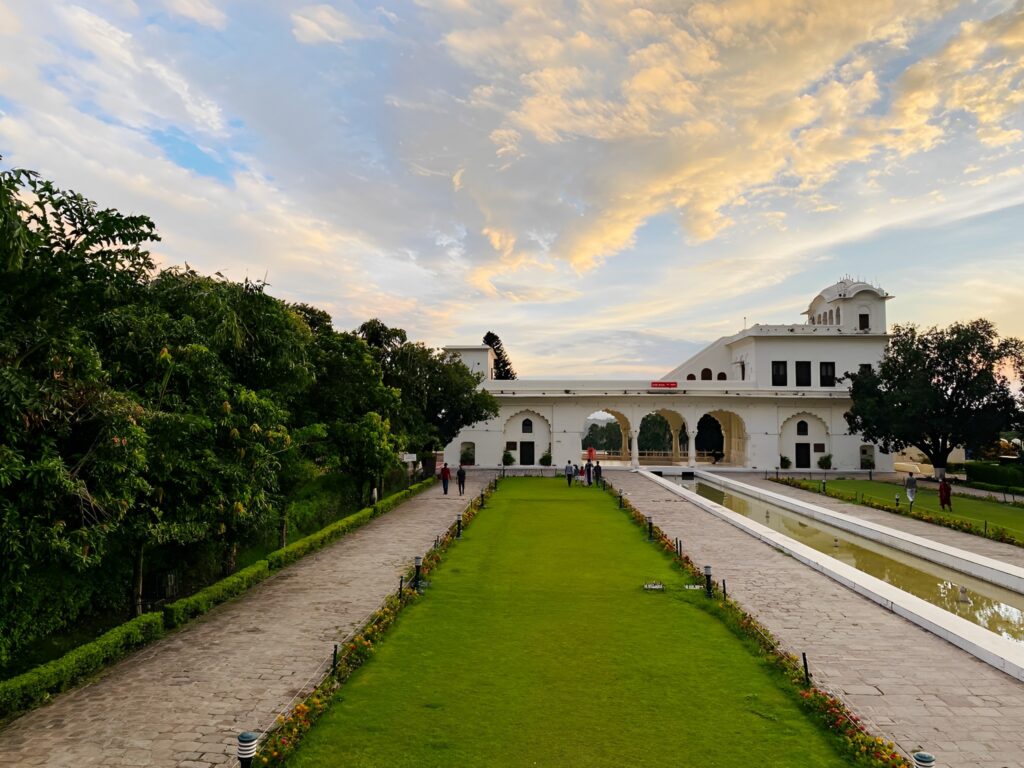
Pinjore Garden is designed in such a way that it reflects the traditional Mugal style. A 100-acre garden is enhanced by seven terraces that descend at equal distances. Pathways lined with tall trees on one side and a central watercourse with fountains on the other make the walk magical. Aromatic flowering plants, ornamental plants, mango shrubs, and the open theater at the end of the garden are just a treat to watch.
Architecture
The main architectural structure has seven terraces. The highest terrace, called Shish Mahal, is built in the Mughal-Rajasthani style of architecture. The second terrace has an arched doorway leading to Rang Mahal. The third one has a flora of cypress trees and flowers opening up into orchards. The fourth one is called Jal Mahal (the palace of water). The next two levels house beautiful trees with fountains. The last level has an open-air theater.
Things to do in Pinjore garden
Mini-zoo: A zoo inside the garden offers visitors animals and birds that have been conserved. Entry to the zoo is free.
Nursery: A nursery is maintained inside the garden to grow different varieties of flora. You can also purchase potting plants for your garden.
Japanese Garden: Pinjore Garden also houses a garden that is themed after a Japanese mythological character. It gives you glimpses of their culture and identity.
Camel rides: A facility for camel rides is available outside the garden.
Street food: local vendors serve mouthwatering dishes to the visitors.
Festivals at Pinjore garden
Pinjore Heritage Festival: It is organized by the Haryana Tourism Department in the month of December. It features a range of cultural programs, including music, dance, and theater performances, as well as competitions and exhibitions. Visitors can also sample traditional Haryanvi food and buy traditional handicrafts and souvenirs.
Baisakhi Mela: Baisakhi is a traditional festival that is celebrated in the state of Punjab, India, and marks the start of the Hindu solar new year. During Baisakhi, Pinjore Garden is decked out with flowers and lights, and a fair is organized with a variety of food stalls, games, and cultural performances.
Mango Festival: The Mango Festival typically takes place during the months of June and July, when mangoes are in season. Visitors can sample a variety of mangoes and participate in cooking demonstrations and competitions featuring mango-based dishes. There are also exhibitions and stalls selling mango-based products, such as mango juice, mango pickles, and mango pulp.
How to reach
By Air
The nearest airport is Chandigarh International Airport, located approximately 30 kilometers away. From the airport, taxis and app-based cabs are readily available for reaching Pinjore.
By Train
The nearest major railway station is Chandigarh Railway Station, about 25 kilometers away. Kalka Railway Station, located around 5 kilometers from Pinjore, is another convenient option for travelers arriving by train.
By Road
Pinjore is situated on the Chandigarh-Shimla Highway (NH-5), making it easily accessible by road. Regular buses, taxis, and private vehicles connect Pinjore with Chandigarh, Panchkula, Kalka, Ambala, and Shimla.
Visitors traveling to Shimla often stop at Pinjore Garden for a short sightseeing break due to its convenient location along the route.
Nearby Attractions
Kalka
Located just a few kilometers away, Kalka serves as the gateway to Himachal Pradesh and is famous for the UNESCO-listed Kalka-Shimla Toy Train route.
Morni Hills
About 40 kilometers from Pinjore, Morni Hills is Haryana’s only hill station. It offers scenic viewpoints, trekking opportunities, lakes, and peaceful natural surroundings.
Mansa Devi Temple
Situated in Panchkula, this famous Hindu temple attracts thousands of devotees every year and forms an important part of the regional religious circuit.
Cactus Garden, Panchkula
One of Asia’s largest cactus gardens, this unique attraction showcases hundreds of species of cacti and succulents from around the world.
Nada Sahib Gurudwara
Located on the banks of the Ghaggar River, this revered Sikh shrine is a significant spiritual destination near Panchkula.
Timber Trail, Parwanoo
A short drive from Pinjore takes visitors to Parwanoo, known for its scenic cable car ride and breathtaking views of the Shivalik Hills.
Maps
FAQs
Why is Pinjore Garden also called Yadavindra Gardens?
The garden was renamed after Maharaja Yadavindra Singh of Patiala, who played a significant role in its restoration and preservation.
What are the timings of Pinjore Garden?
The garden is generally open from morning until late evening, though timings may vary during festivals and special events.
Is there an entry fee for Pinjore Garden?
Yes, a nominal entry fee is charged for visitors. Additional charges may apply for certain attractions or events within the complex.
How much time is needed to explore the garden?
Most visitors spend between 2 and 3 hours exploring the terraces, fountains, zoo, and surrounding attractions.
Which is the best season to visit Pinjore Garden?
Winter and early spring, from October to March, are considered the best times due to pleasant weather and blooming flowers.
Is Pinjore Garden suitable for families?
Yes. The garden is one of the most family-friendly tourist attractions in Haryana, offering open spaces, rides, cultural events, and recreational activities for all age groups.